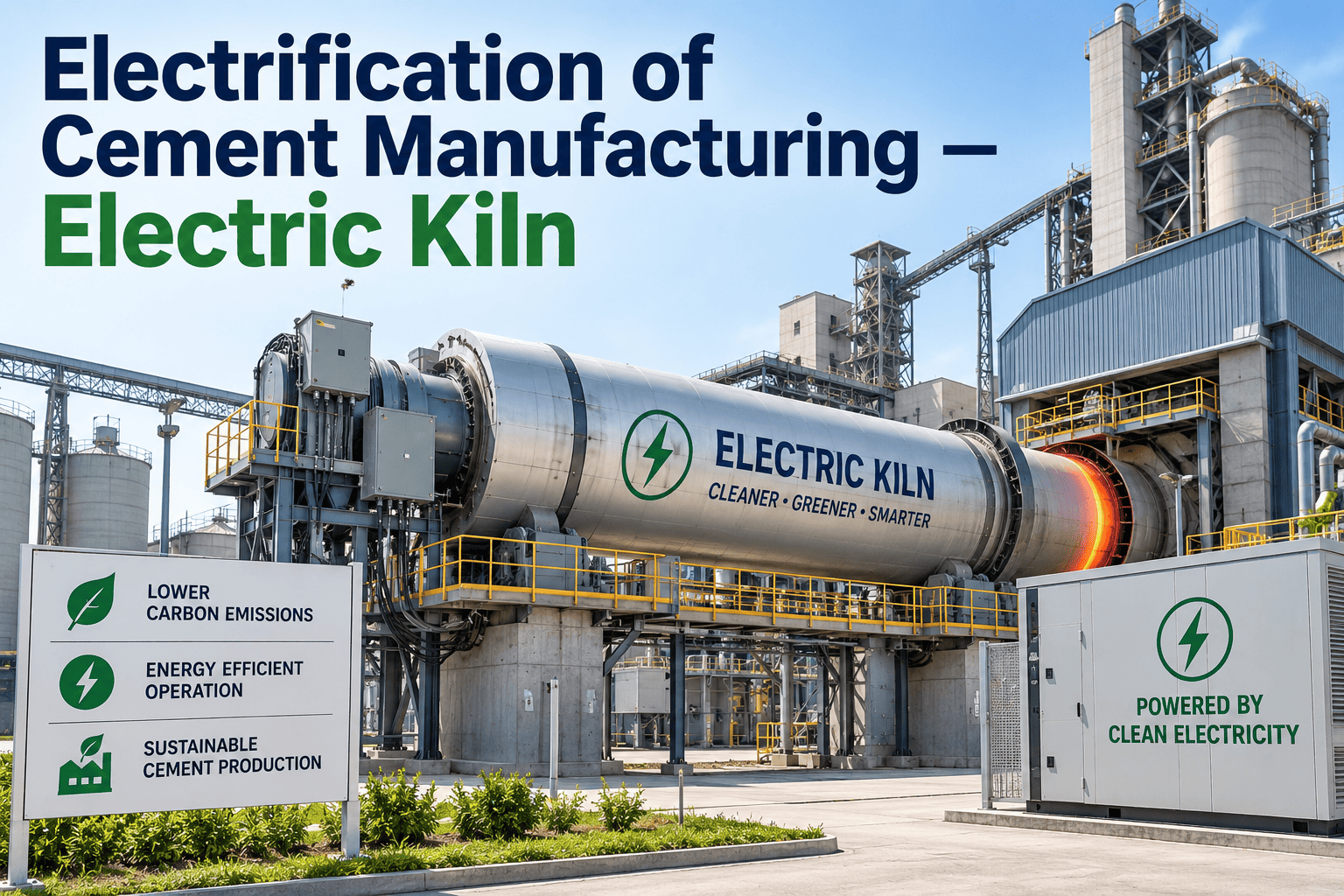
The cement industry stands at a critical inflection point, with global decarbonization mandates demanding radical reductions in process emissions that have remained stubbornly high for over a century. Traditional rotary kilns, firing fossil fuels at temperatures exceeding 1450°C, account for roughly 8% of worldwide anthropogenic CO₂ emissions, with roughly two-thirds originating from the calcination of limestone itself. Electrification of cement manufacturing—specifically the transition to electric kiln technologies—offers a transformative pathway to decouple production from direct fuel combustion, enabling the use of renewable electricity and drastically lowering the carbon footprint of clinker. This comprehensive guide examines the technical feasibility, economic viability, and operational implications of electric kiln systems, including plasma kilns, electric calciners, and hybrid designs, while providing actionable insights for plant managers and CTOs evaluating next-generation low-carbon cement production. For a personalized assessment of how electrification fits your facility, Book a Demo with our Industry 4.0 specialists.
Ready to Electrify Your Kiln Operations?
Discover how iFactory's predictive analytics can optimize electric kiln performance and reduce energy costs.
Plasma Kiln Technology
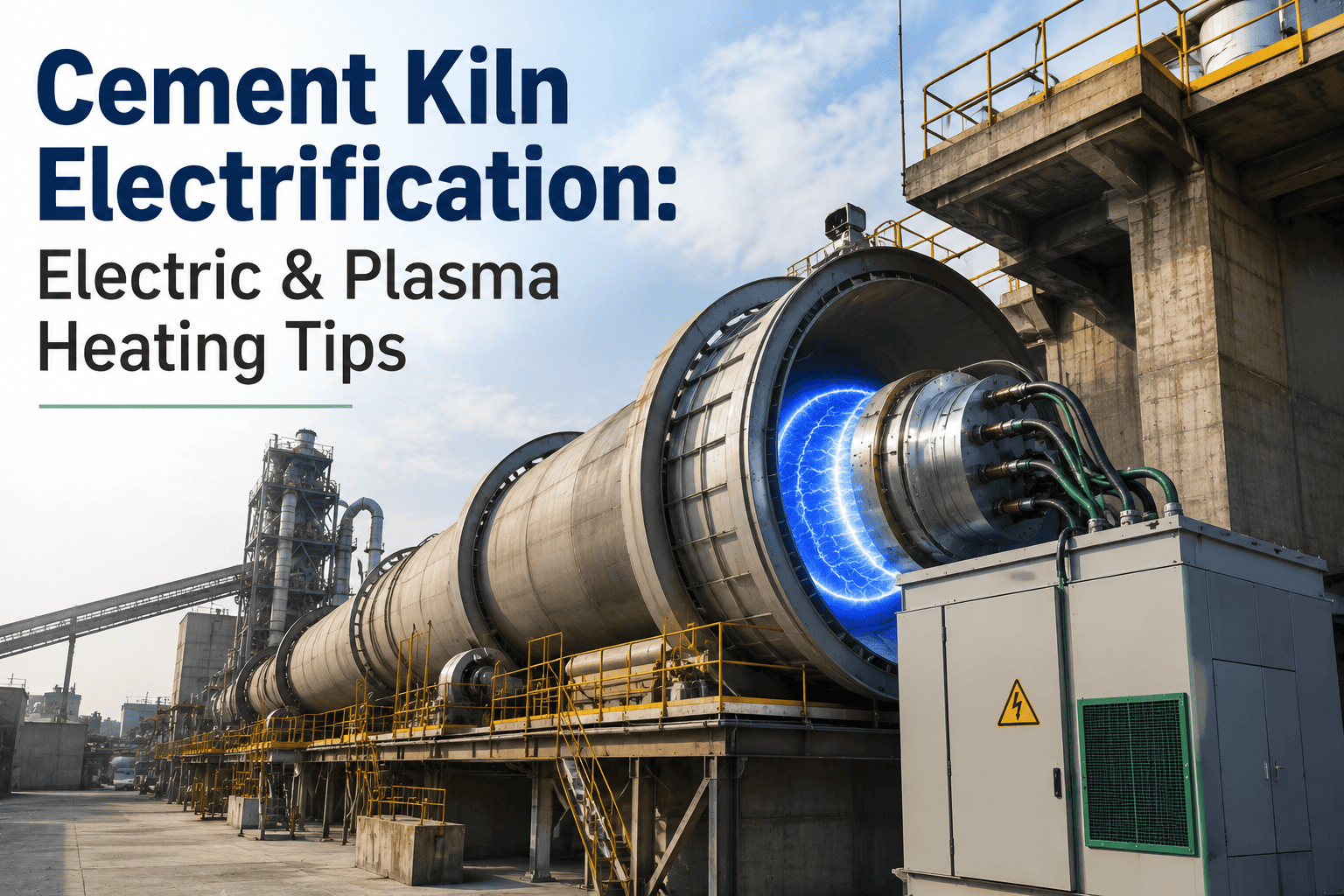
Plasma kilns use electrically generated plasma arcs to achieve the extreme temperatures required for clinker formation, eliminating the need for combustion air and directly heating the material via radiative and convective transfer from the plasma flame. Industrial-scale plasma torches, with power ratings up to 10 MW, can sustain temperatures above 3000°C, enabling rapid heat transfer and potentially reducing kiln length by up to 40%. The technology is particularly promising for cement plants with access to low-cost renewable electricity, as the energy input is entirely electrical and can be sourced from solar, wind, or hydro.
Electric Calciner Systems
Electric calciners target the most energy-intensive step in cement production: the calcination of calcium carbonate (CaCO₃) into calcium oxide (CaO) and CO₂. By using electrical resistance heating or induction heating in a fluidized bed or rotary reactor, the calcination reaction can be driven without fossil fuel combustion. This approach not only eliminates direct CO₂ emissions from fuel but also produces a pure CO₂ stream that is easier to capture and sequester. Pilot plants in Europe have demonstrated electric calcination with energy efficiencies exceeding 85%.
Hybrid Electric-Fuel Kilns
Hybrid kilns combine traditional fossil fuel burners with electric heating elements, allowing operators to gradually increase the share of electrical energy while maintaining production flexibility. These systems can be retrofitted into existing rotary kilns by adding electric heating zones in the preheater, calciner, or sintering zone. Hybrid configurations reduce the risk of full electrification by enabling incremental investment and operational learning, while still achieving significant CO₂ reductions—typically 30–50% depending on the electric share.
Technical Architecture of Electric Kilns
Electric kilns for cement production differ fundamentally from conventional rotary kilns in their heat transfer mechanisms and process control requirements. In a traditional kiln, heat is generated by combusting fuel inside the kiln shell, with flames directly contacting the material bed. Electric systems, by contrast, rely on either direct resistance heating (where the material itself acts as a resistor), induction heating (where alternating magnetic fields induce eddy currents in a conductive susceptor), or plasma arcs (where an electrical discharge ionizes a gas to create a high-temperature plasma). Each method imposes distinct constraints on material feed, refractory lining, and power supply stability.
Direct resistance heating is the simplest approach, but it requires the cement raw meal to have sufficient electrical conductivity at high temperatures—a property that varies with composition and moisture content. Induction heating offers more uniform temperature distribution and faster ramp rates, but the capital cost of induction coils and power electronics remains high. Plasma arcs provide the highest temperatures and greatest flexibility in fuel switching, but electrode erosion and maintenance requirements are significant operational challenges. Advanced control systems, such as those developed by iFactory, are essential to manage these complexities and ensure stable, efficient operation.
Electric Kiln Development Timeline
2024–2025: Pilot Demonstrations
Multiple European and North American cement producers launch pilot-scale electric kiln projects, focusing on plasma and induction heating for calcination. Early results show technical feasibility but highlight grid stability and power quality issues.
2026–2028: First Commercial Installations
Hybrid electric-fuel kilns enter commercial operation in regions with favorable renewable electricity pricing. Electric calciner modules are integrated into existing preheater towers, achieving 20–30% electric substitution.
2029–2035: Scale-Up and Standardization
Full electric kilns become commercially available for new greenfield plants. Industry standards for power supply, refractory materials, and safety protocols are established. Electric kiln market share reaches 15% of global capacity.
Optimize Your Electrification Roadmap
Leverage iFactory's AI-driven analytics to model electric kiln performance and ROI for your specific plant conditions.
Electric Kiln Technology Comparison
| Technology | Temperature Range | Energy Efficiency | Maturity Level | Capital Cost |
|---|---|---|---|---|
| Plasma Kiln | 1500–3000°C | 70–80% | Pilot | High |
| Electric Calciner | 800–1000°C | 85–90% | Pilot/Commercial | Medium |
| Hybrid Kiln | 1450°C (peak) | 75–85% | Commercial | Low-Medium |
| Induction Kiln | 1200–1600°C | 80–88% | R&D | Very High |
Economic Feasibility and ROI
The economic case for electric kilns hinges on the relative cost of electricity versus fossil fuels, carbon pricing mechanisms, and capital investment requirements. In regions with carbon taxes exceeding $100 per ton CO₂ and renewable electricity prices below $40 per MWh, electric kilns can achieve payback periods of 5–8 years. Hybrid systems offer the fastest return on investment, typically 3–5 years, due to lower upfront costs and the ability to gradually increase electric share as grid decarbonization progresses. However, the intermittency of renewable electricity poses challenges for continuous kiln operation, requiring either grid-scale battery storage or flexible production scheduling. iFactory's predictive maintenance and energy optimization platform can help plants manage these variables and maximize the economic benefits of electrification.
Grid Integration
Electric kilns require stable, high-capacity grid connections. Power quality issues such as harmonics and voltage sags can disrupt plasma arcs and induction coils. On-site power conditioning and energy storage are often necessary.
Refractory Materials
Electric heating methods can create localized hot spots and thermal gradients that stress refractory linings. New refractory compositions with higher thermal shock resistance and electrical insulation properties are under development.
Process Control
Electric kilns respond faster to power adjustments than fuel-fired kilns, enabling tighter temperature control but requiring advanced real-time process control algorithms. Machine learning models can predict and compensate for material variations.
CO₂ Capture Synergy
Electric calciners produce a concentrated CO₂ stream (over 90% purity), significantly reducing the cost and energy penalty of carbon capture systems. This synergy enhances the overall decarbonization potential.
Case Study: Hybrid Kiln Retrofit in Northern Europe
A major cement producer in Sweden retrofitted a 5000 tpd rotary kiln with electric heating elements in the calciner and lower transition zone, achieving a 35% electric substitution rate. The project required installation of 25 MW of electric heating capacity, connected to the grid via a dedicated 130 kV substation. Over 18 months of operation, the plant reduced its specific CO₂ emissions by 28%, while maintaining clinker quality within specification. Energy costs increased by 12% due to higher electricity prices, but this was offset by carbon credit revenues and improved process stability. The hybrid system allowed the plant to continue using alternative fuels in the main burner, preserving fuel flexibility.
Frequently Asked Questions
What are the main challenges in scaling electric kiln technology?
The primary challenges include high capital costs for power electronics and plasma torches, the need for grid upgrades to handle multi-megawatt loads, and the development of refractory materials that can withstand the unique thermal profiles of electric heating. Additionally, the intermittent nature of renewable electricity requires either energy storage or flexible production schedules, which can complicate plant logistics. However, ongoing pilot projects and falling costs of power electronics are rapidly addressing these barriers. For a detailed feasibility study tailored to your plant, Book a Demo with our engineering team.
How does electric calcination compare to conventional calcination in terms of energy consumption?
Electric calcination can achieve energy efficiencies of 85–90%, compared to 60–70% for conventional fossil-fuel-fired calciners, because electrical heating avoids the significant heat losses associated with flue gas exhaust. However, the overall primary energy consumption depends on the efficiency of electricity generation and transmission. When powered by renewable sources, electric calcination can reduce lifecycle energy use by 30–50%. Additionally, the pure CO₂ stream produced enables more efficient carbon capture, further improving the net energy balance. For more detailed energy modeling, contact our support team.
What is the expected lifespan of plasma torch electrodes in a cement kiln?
Plasma torch electrode lifespan varies depending on operating conditions, but typical commercial plasma torches used in waste treatment applications achieve 500–1000 hours before electrode replacement is needed. In cement kiln environments, the presence of dust and high temperatures may reduce this to 300–500 hours. Research is ongoing to develop more durable electrode materials, such as hafnium and tungsten alloys, and to optimize torch design for continuous operation. Regular electrode replacement adds to operational costs but is manageable with proper maintenance planning. For predictive maintenance solutions, Book a Demo.
Can existing cement plants be retrofitted with electric kiln technology?
Yes, hybrid electric-fuel systems can be retrofitted into existing rotary kilns with moderate modifications, including the addition of electric heating elements in the preheater, calciner, or sintering zone, along with upgraded power supply and control systems. Full electric kilns (plasma or induction) typically require more extensive modifications, including replacement of the burner pipe and refractory lining, and may necessitate increasing the plant's electrical capacity. Retrofitting is generally more cost-effective for newer plants with modern instrumentation and control systems. iFactory offers retrofit feasibility assessments—contact us for a consultation.
What is the role of AI and predictive analytics in electric kiln operations?
AI and predictive analytics are critical for optimizing electric kiln performance due to the faster dynamics and tighter control requirements compared to fuel-fired kilns. Machine learning models can predict material feed variations, adjust power input in real time to maintain temperature uniformity, and forecast electrode wear for proactive maintenance. Additionally, AI can optimize the scheduling of electric kiln operation to align with renewable energy availability and grid pricing, minimizing energy costs. iFactory's platform provides these capabilities out-of-the-box, enabling seamless integration with existing plant systems. For a demonstration, Book a Demo.
Accelerate Your Journey to Zero-Carbon Cement
Partner with iFactory to design, simulate, and deploy electric kiln solutions tailored to your production goals and sustainability targets.