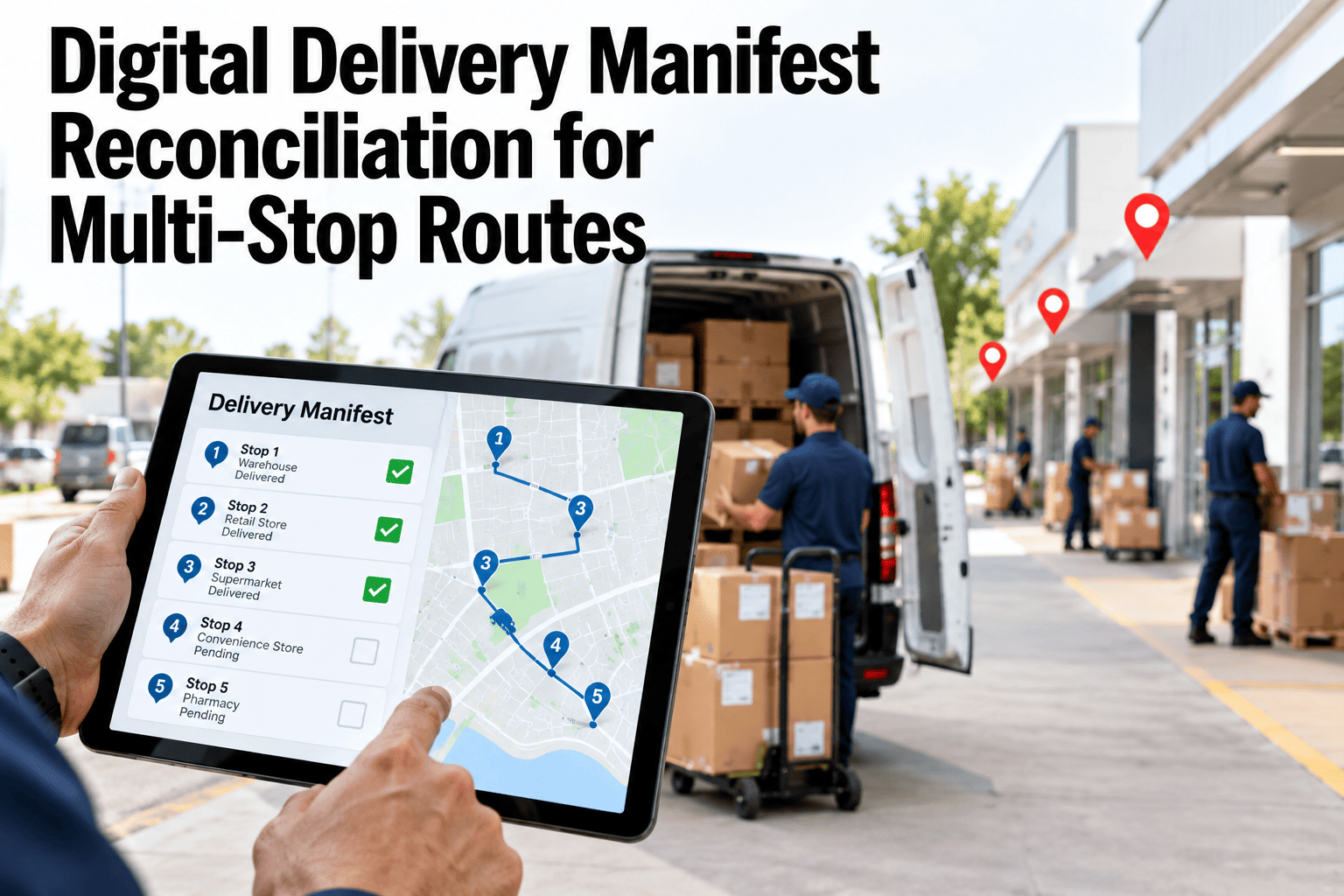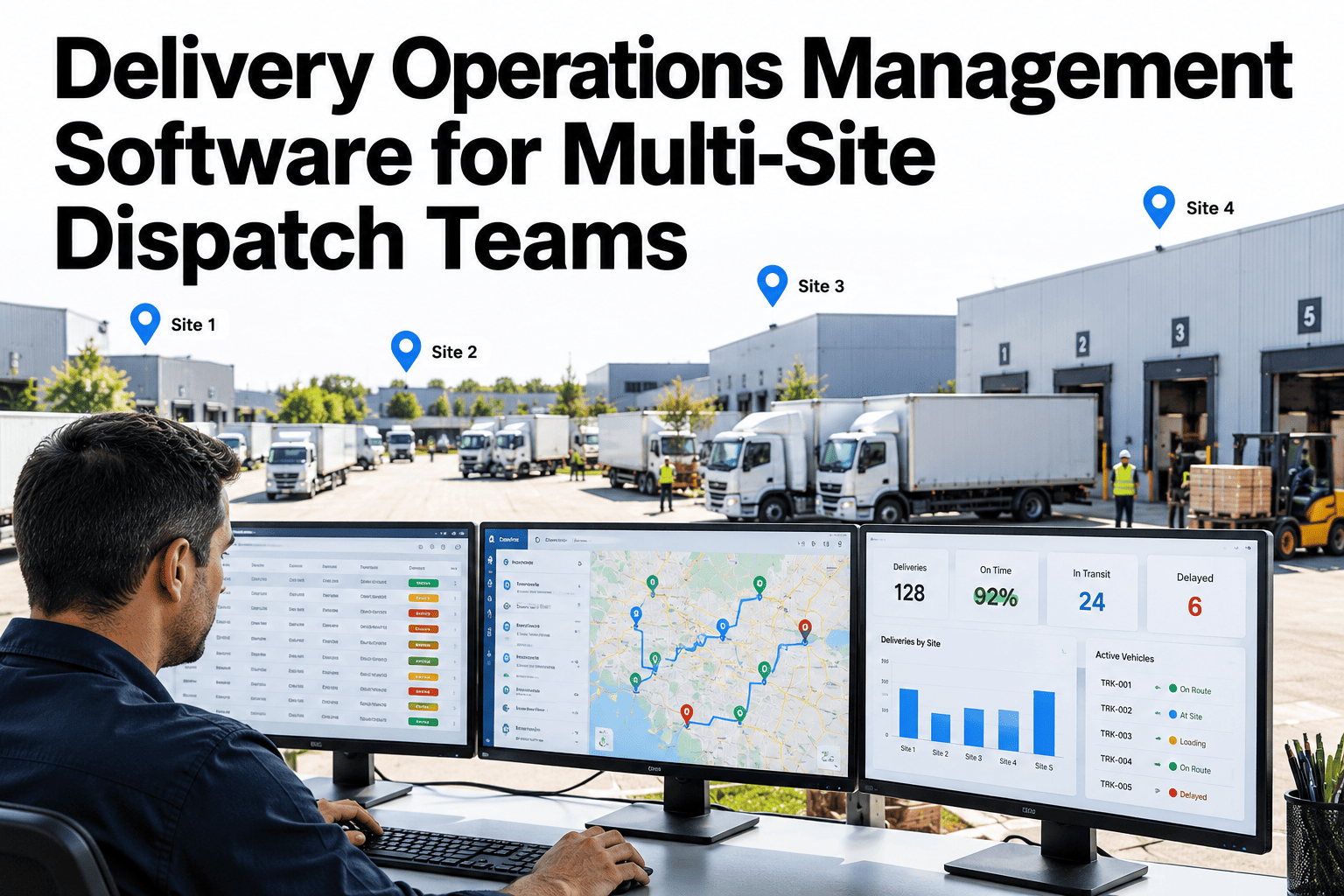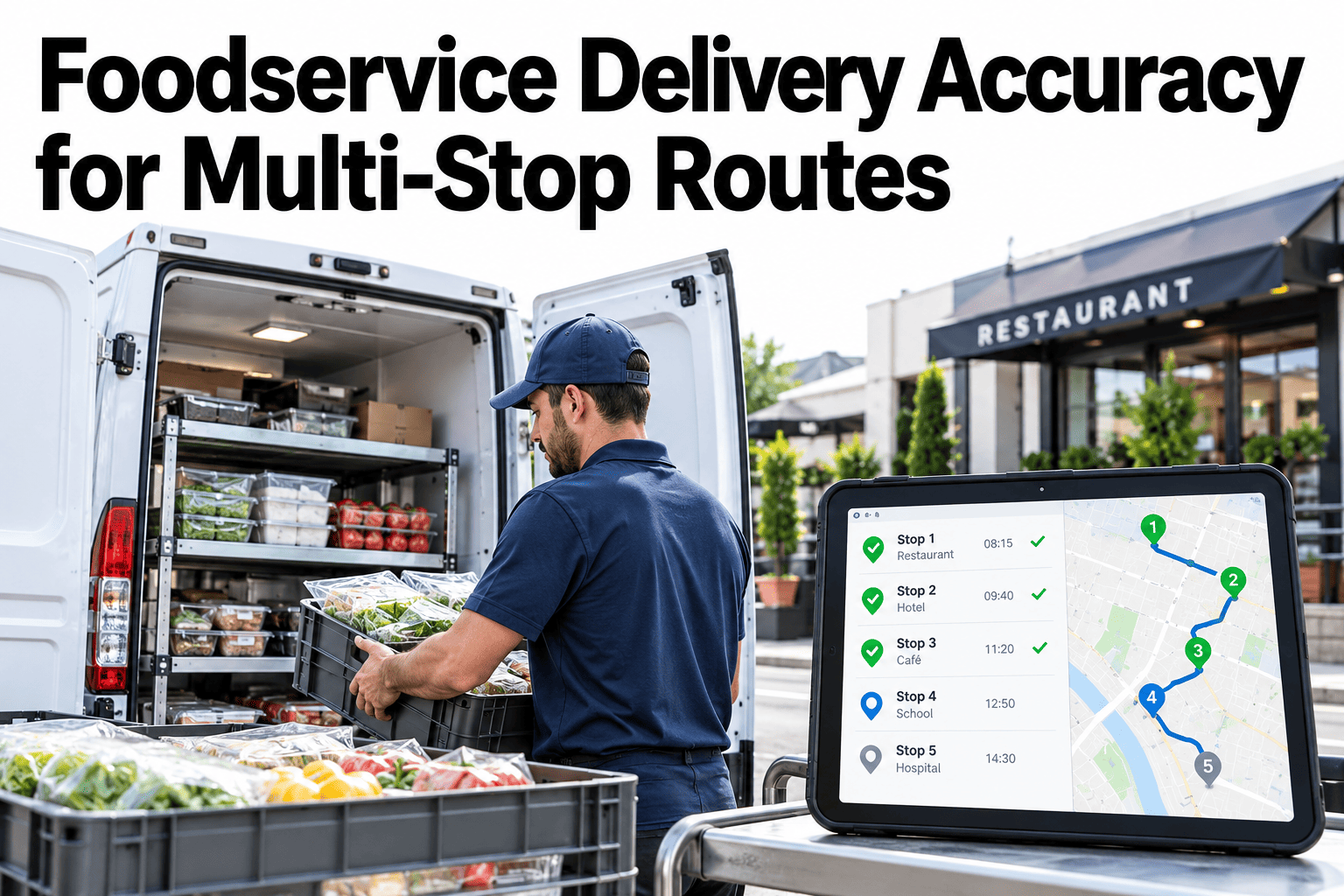
A single foodservice delivery truck making twenty-two stops before noon is carrying twenty-two chances for an item to land at the wrong restaurant, a quantity to come up short, or a return crate to get left behind, and a driver working from a paper manifest has no real way to catch the mismatch until the kitchen calls back angry. Multi-stop delivery accuracy is not really a driving problem, it is a matching problem: the right order has to reach the right stop, with the right items, inside the right window, every single time. Getting that matching right is what separates a route that runs smoothly from one that generates a discrepancy call on half its stops. See multi-stop delivery accuracy running on your own route data.
Get Every Stop Right, Not Just Most of Them
iFactory AI matches orders to stops, verifies item and quantity accuracy, and tracks return crates across every multi-stop foodservice delivery route.
Where Multi-Stop Routes Actually Break Down
Most delivery errors on a multi-stop route are not dramatic mistakes, they are small mismatches that compound across twenty or more stops, and a paper manifest or a verbal handoff gives a driver no real way to catch them before the truck has already pulled away.
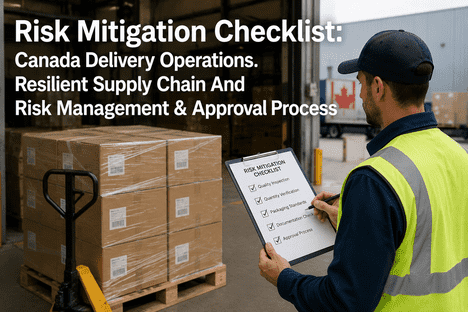
What Gets Checked at Every Stop
A reliable multi-stop process checks a consistent set of things at each delivery, regardless of how many stops are left on the route.
Order-to-Stop Match
Confirms the case on the truck matches the stop the driver is standing at.
Item & Quantity
Verifies the specific items and counts against what was ordered, not just the case label.
Delivery Window
Tracks arrival against each stop's agreed delivery window for service-level reporting.
Return Crates
Logs crates picked up at each stop so empties are tracked back to the depot.
Run Accuracy Checks on Your Own Routes
Book a 30-minute session and see order-to-stop matching and quantity verification running on your own delivery route.
Delivery Window Performance Across a Route
Twenty stops on one morning route, scored against their agreed delivery window.
Handling a Discrepancy When It Happens
Even with strong verification, a discrepancy will occasionally occur. How it is handled determines whether it becomes a quick resolution or a disputed claim.
| Discrepancy Type | Detected At | Resolution Path |
|---|---|---|
| Wrong item delivered | Point-of-delivery verification | Flagged immediately, corrected on next stop or route |
| Short quantity | Point-of-delivery verification | Logged with evidence, routed to customer service |
| Missing return crate | End-of-route crate reconciliation | Traced to the stop where it was last logged |
| Late delivery | Delivery window tracking | Logged automatically with cause noted from route data |
Rolling Out Across Delivery Routes
iFactory AI connects to existing route planning and dispatch systems, adding verification at the point of delivery without changing how routes are built.
How Error Risk Compounds Across a Route
A single mismatched case on the first stop of a route is a minor inconvenience, but the same small error rate repeated across every stop adds up to a materially different outcome by the end of the day.
What Verified Stops Look Like Over a Week
A route-level view across five delivery days shows how consistently verification is catching mismatches before they reach the customer.
| Day | Stops Verified | Mismatches Caught Pre-Delivery |
|---|---|---|
| Monday | 142 | 6 |
| Tuesday | 138 | 4 |
| Wednesday | 151 | 9 |
| Thursday | 146 | 5 |
Expert Review
Return crate tracking is the piece operations teams most often underweight when building out delivery accuracy, but unreconciled crates quietly become a real cost over a quarter, and the fix is usually as simple as logging the pickup at the same point the delivery itself gets verified.
Frequently Asked Questions
Does this require new handheld devices for drivers?
Verification typically runs on the handheld or mobile device drivers already use for route navigation, so no separate hardware is usually required. Support can confirm compatibility with your current devices.
How is order-to-stop matching verified at delivery?
Each case or item is checked against the stop's expected order at the point of handoff, so a mismatch is caught before the driver leaves rather than after a customer complaint.
Can this track return crates across multiple depots?
Yes, crate pickups are logged per stop and reconciled against each depot's expected return count, so shortfalls are visible by route and by depot. See multi-depot crate tracking on a call.
What happens when a delivery window is missed?
A missed window is logged automatically with the likely cause drawn from route timing data, giving dispatch a clear record for customer communication and route adjustment.
Does this integrate with our existing route planning software?
Yes, it connects to your existing dispatch and route planning system rather than replacing it, adding verification and tracking at the delivery point. Ask support about your specific route planning setup.
Get Every Stop Right, Every Route
iFactory AI verifies order-to-stop matching, item accuracy, delivery windows, and return crates across every route. Book a demo on your own delivery data.