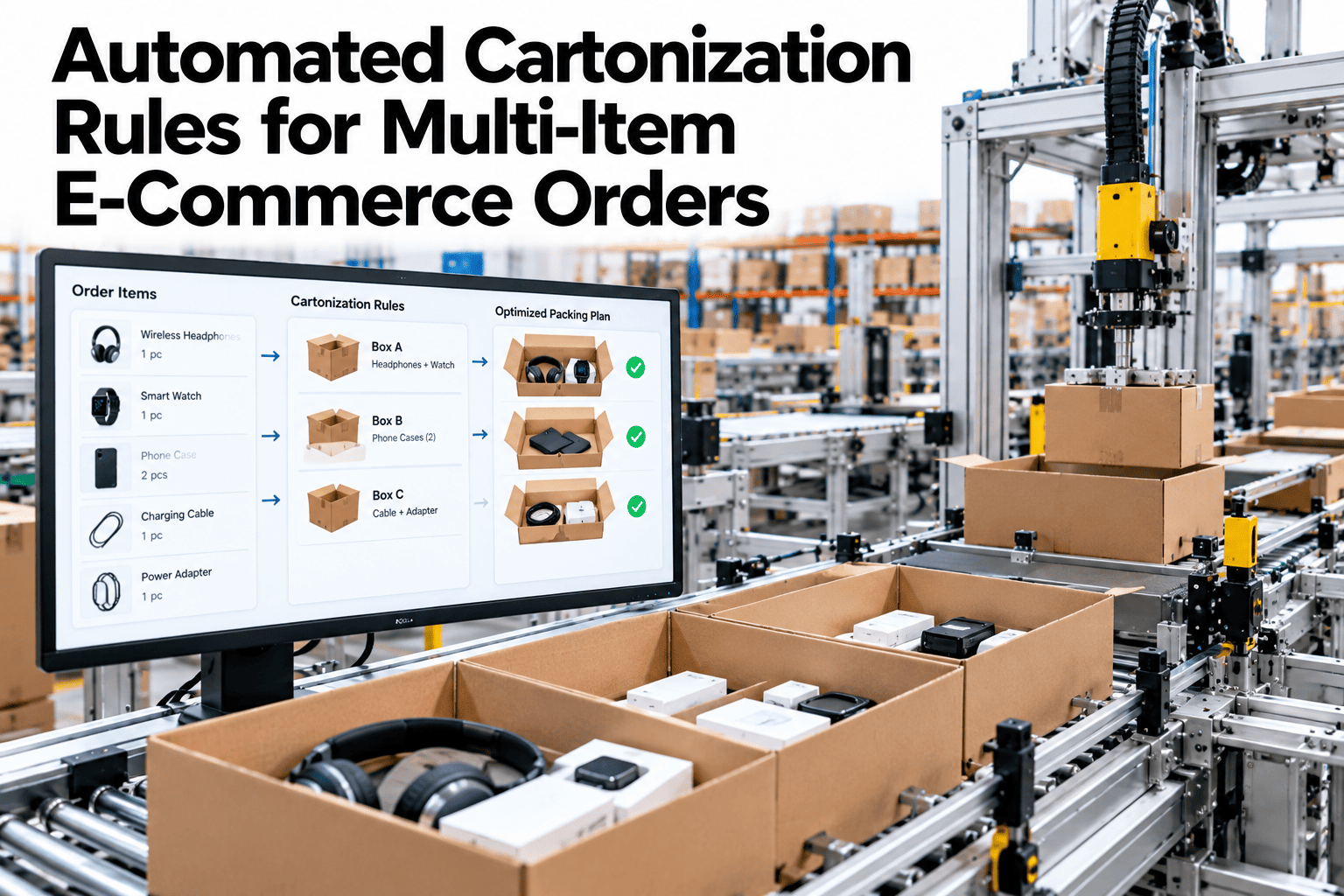
Every carton a product ships in carries two kinds of space: the space the product actually occupies, and the void space around it that a carrier still bills for in full. A product that fills sixty percent of its carton is effectively paying freight on the other forty percent of empty air, and multiplied across a SKU's entire shipping volume, that void space becomes a real, recurring cost that has nothing to do with the product itself. Comparing product fit across available carton options, rather than defaulting to whatever size was chosen years ago, is what a package cube utilization review looks like against your own catalog.
The Empty Space in the Box Is Still on the Invoice
iFactory AI compares product dimensions against available carton options to find the void ratio, protective clearance, and dimensional weight trade-offs for each SKU.
Why Void Space Costs More Than It Looks
Empty space in a carton isn't just wasted room, it carries real downstream costs that compound across volume.
Dimensional Weight Charges Scale With the Box
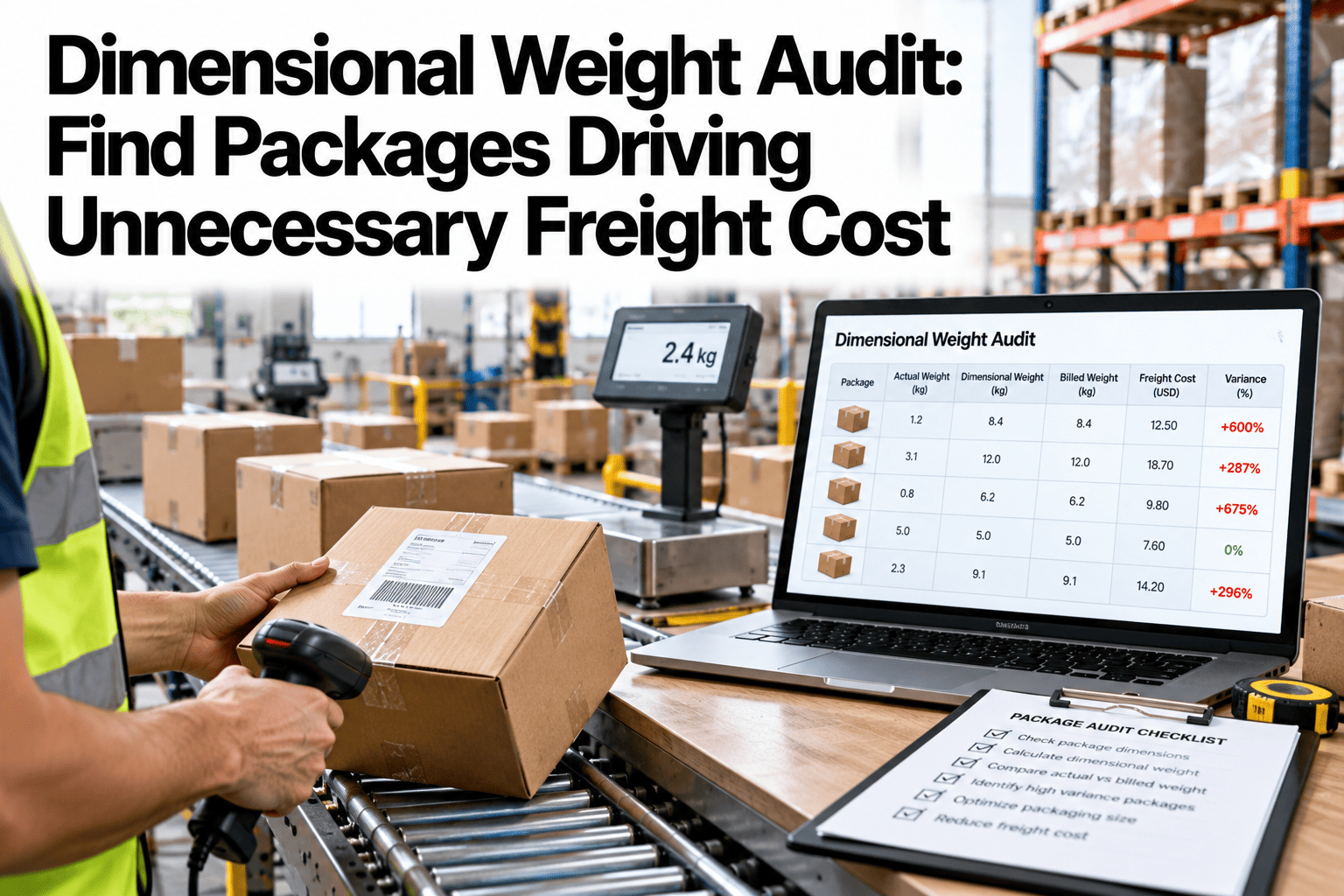
A carrier's dimensional weight calculation is based on the carton's outer dimensions, not the product inside, so a larger box than necessary directly inflates the billed weight.
Void Fill Adds Material Cost
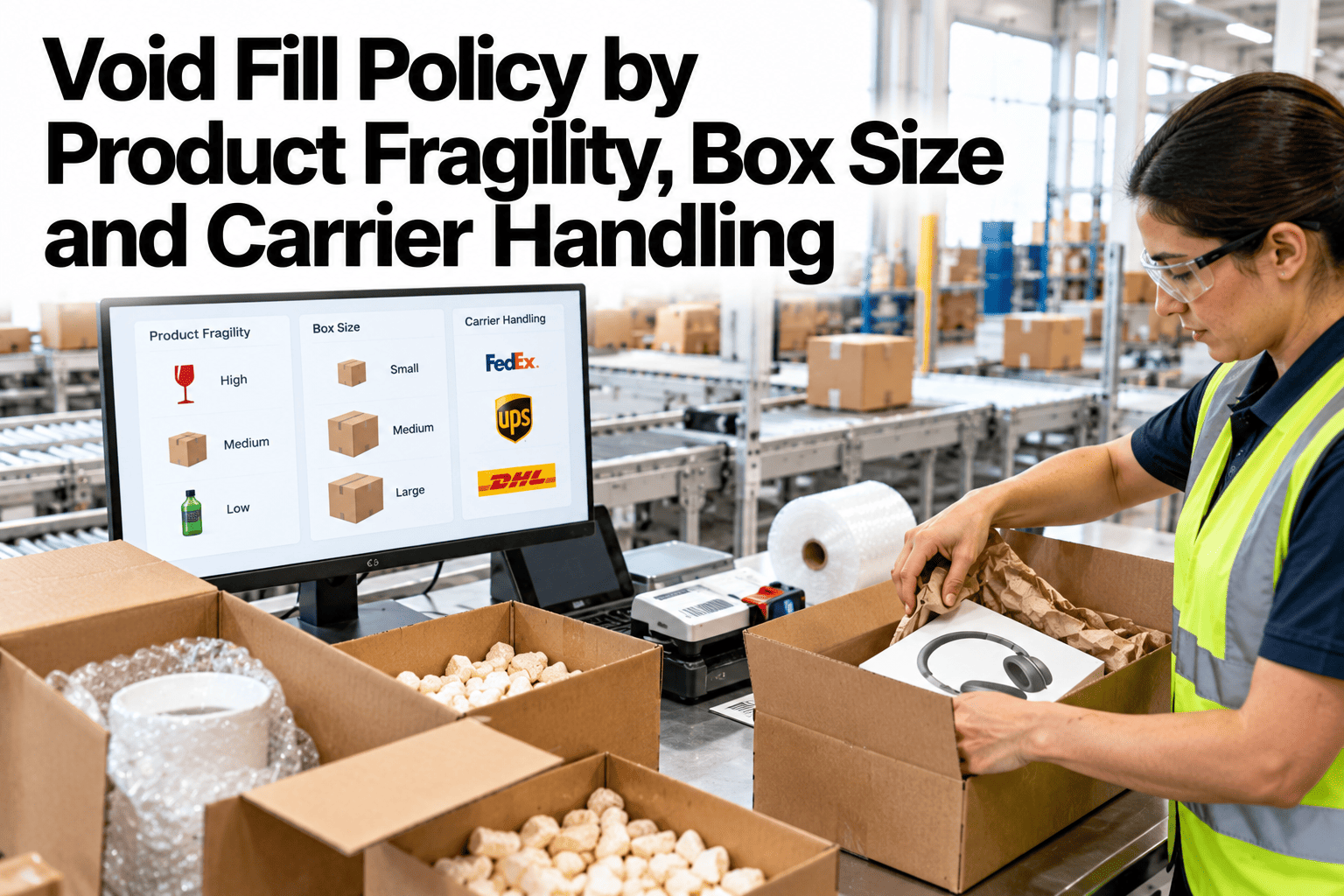
Extra space has to be filled with cushioning or void-fill material to prevent the product from shifting, which is an added material and labor cost on every unit shipped.
Warehouse Storage Density Drops
An oversized carton takes up more shelf and pallet space than necessary, reducing how much inventory fits in the same warehouse footprint.
What Actually Goes Into a Fit Decision
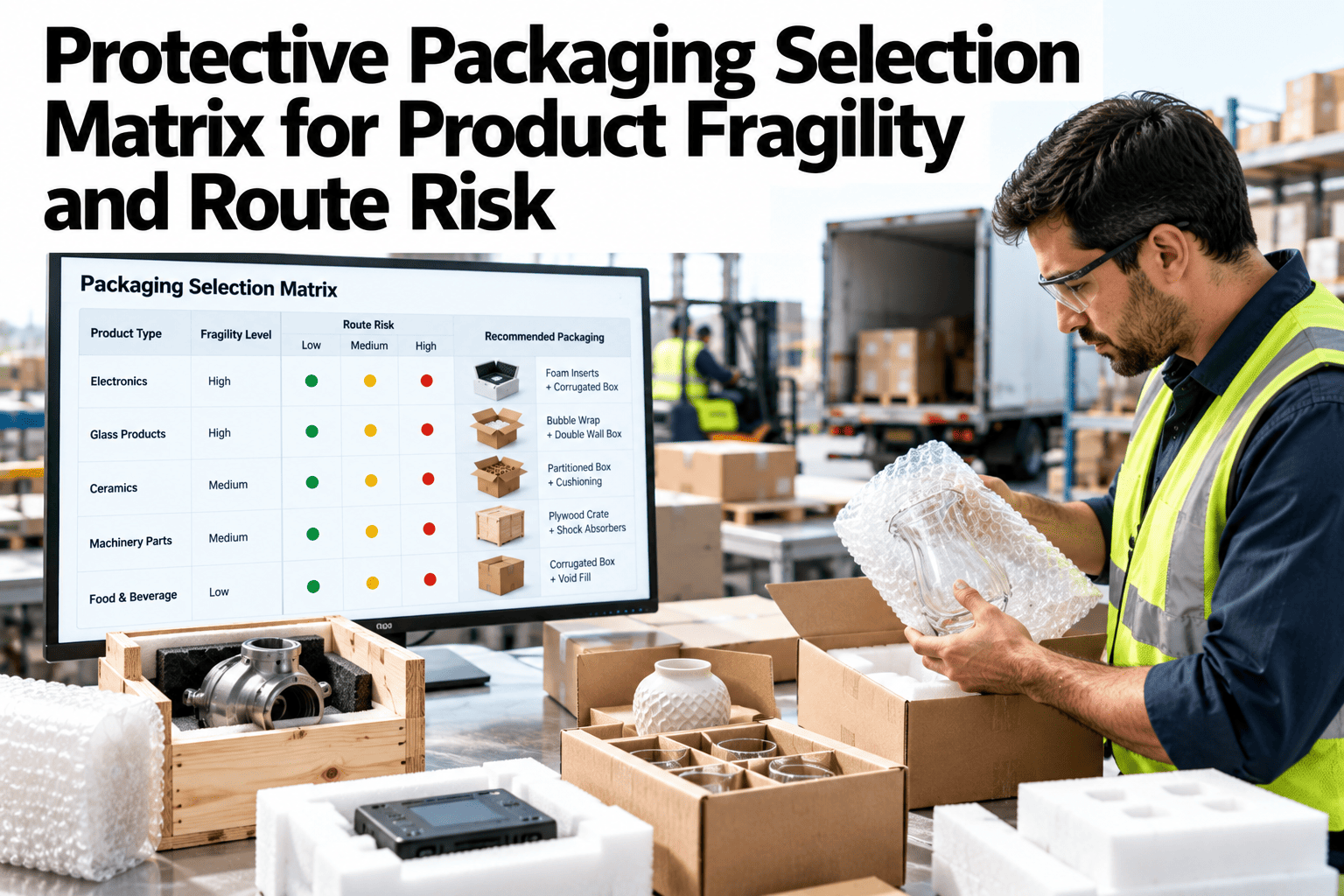
The right carton size balances several factors against each other, not just the smallest box the product can physically fit inside.
| Factor | What It Constrains |
|---|---|
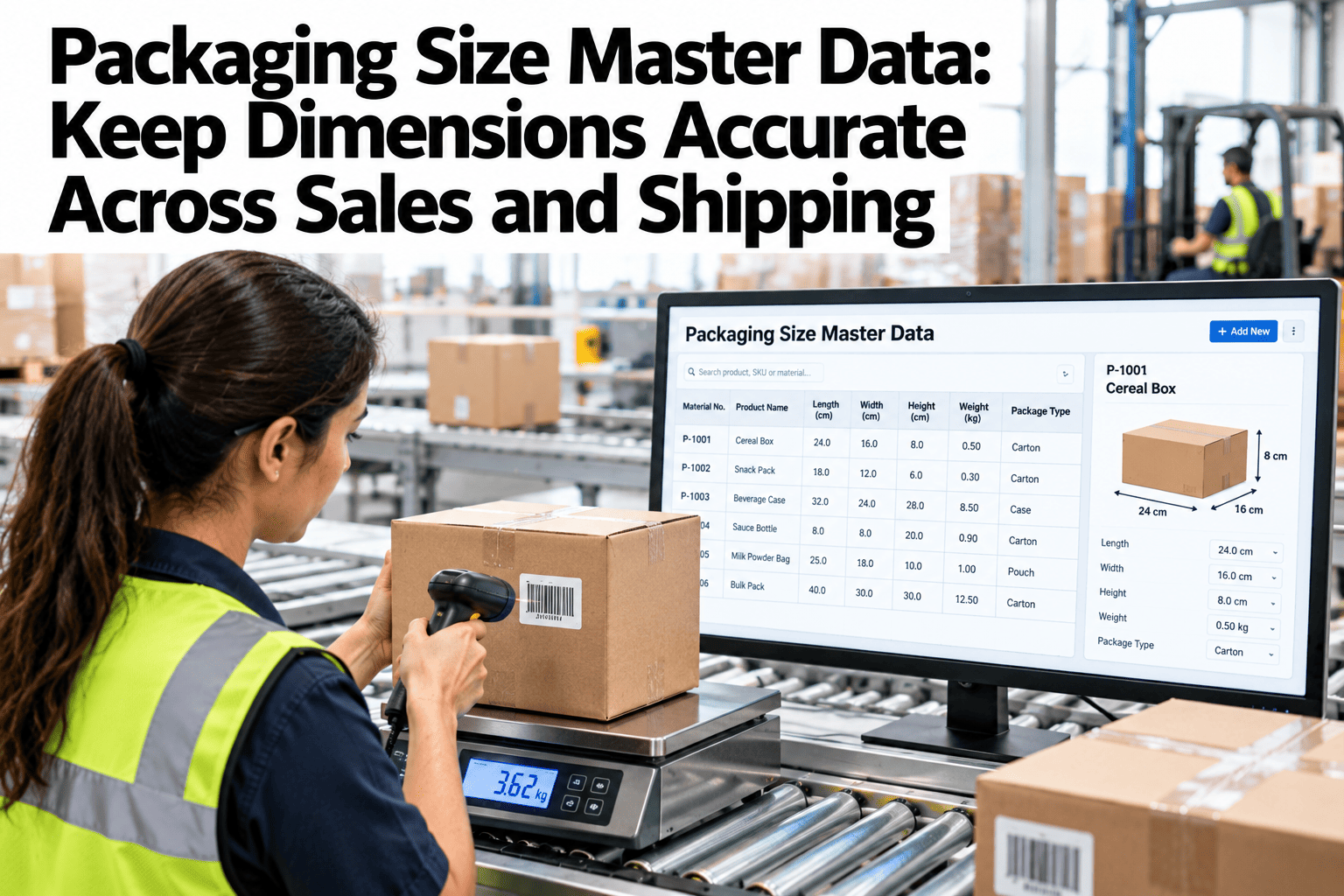
| Product dimensions | Sets the minimum carton size the product can physically occupy |
| Protective clearance | Sets the minimum additional space needed for cushioning to actually work |
| Void ratio | The remaining gap between product-plus-clearance and the chosen carton size |
| Dimensional weight | Rises directly with outer carton dimensions, regardless of product weight |
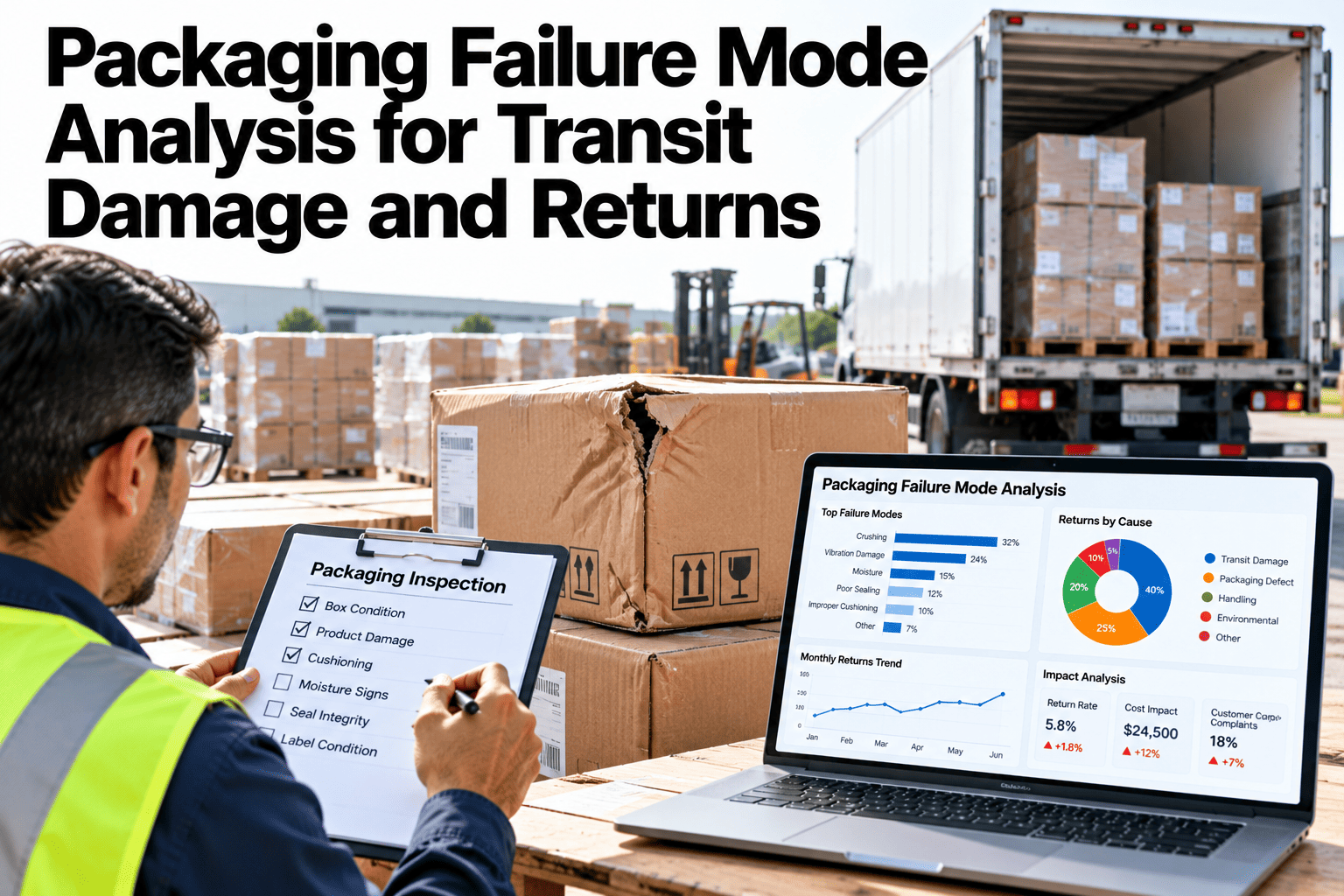
A carton sized too tightly to the product, with no protective clearance, trades one cost for a different one: a higher damage rate in transit that can cost more than the freight savings.
Compare Your Current Cartons Against the Available Options
Bring your top SKUs to a 30-minute session and see the void ratio and cost trade-off across available carton sizes.
Evaluating Fit, Step by Step
A structured evaluation keeps the comparison from defaulting back to whichever carton size is already stocked in the warehouse.
An Illustrative Comparison: Three Carton Options for One SKU
The figures below are a labeled illustrative composite, not a reported customer result, showing void ratio and relative shipping cost across three carton sizes for the same product, indexed to the current carton.
The most common mistake in a cube utilization review is treating it as a pure cost-minimization exercise and cutting clearance too aggressively to chase a smaller box. The real optimization target is the smallest carton that still gives the cushioning method enough room to work, since a damage claim from insufficient clearance almost always costs more than whatever was saved on the dimensional weight charge.
Frequently Asked Questions
What void ratio should we actually be targeting?
There's no single universal target, since the right ratio depends on the product's fragility and the cushioning method in use, but tracking void ratio by SKU at least gives a baseline to compare against as carton options are evaluated. Set a void ratio target for your product categories in a short session.
How do we know if a custom-fit carton is actually worth the switch?
The comparison needs to weigh the per-unit shipping savings from reduced dimensional weight and void-fill material against the typically higher per-unit cost of a custom carton, and that trade-off only makes sense above a certain shipping volume where the savings outweigh the added packaging cost. Ask the iFactory AI team to model the break-even volume for your SKU.
How many carton sizes should our packaging catalog actually stock?
Fewer carton sizes simplify warehouse operations and packing line setup, while more sizes improve average fit across a diverse product catalog, so the right number balances operational simplicity against how much fit variation your product range actually has. Review your carton catalog against your product range in a demo.
Does improving cube utilization affect our dimensional weight audit findings?
Yes, a right-sized carton directly reduces dimensional weight, so cube utilization work and a dimensional weight audit are closely connected, with improvements in one typically showing up as savings in the other. Connect cube utilization to your weight audit findings on a call.
Will a smaller carton increase our damage rate?
Only if clearance is cut below what the cushioning method actually needs to absorb transit shock, which is why protective clearance should be set based on product fragility first, with carton size optimized within that constraint rather than the other way around. Discuss clearance requirements for your product with the support team.
Stop Shipping Air in Every Box
iFactory AI compares product fit, void ratio, and dimensional weight across your carton options. Book a walkthrough built around your own product catalog.