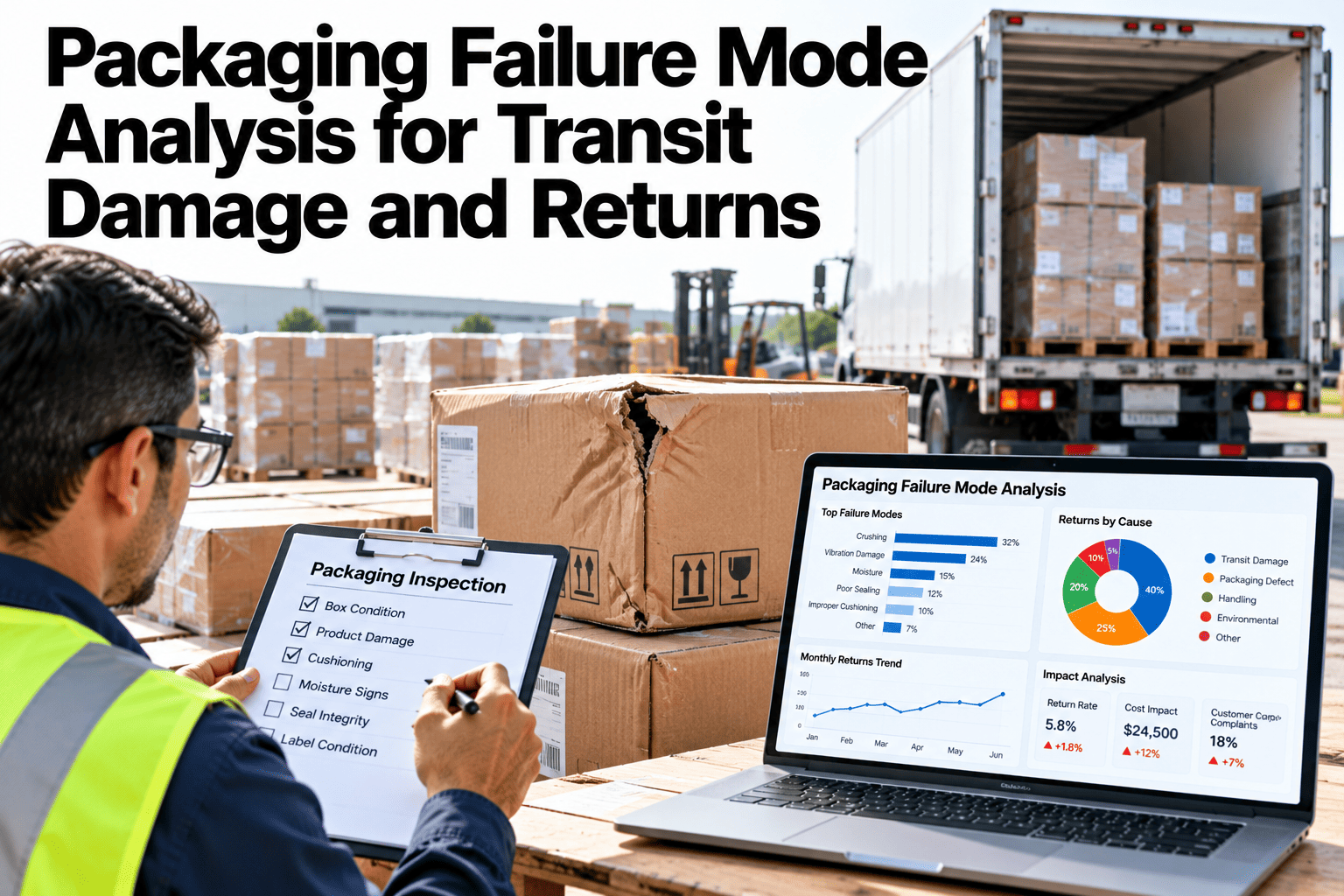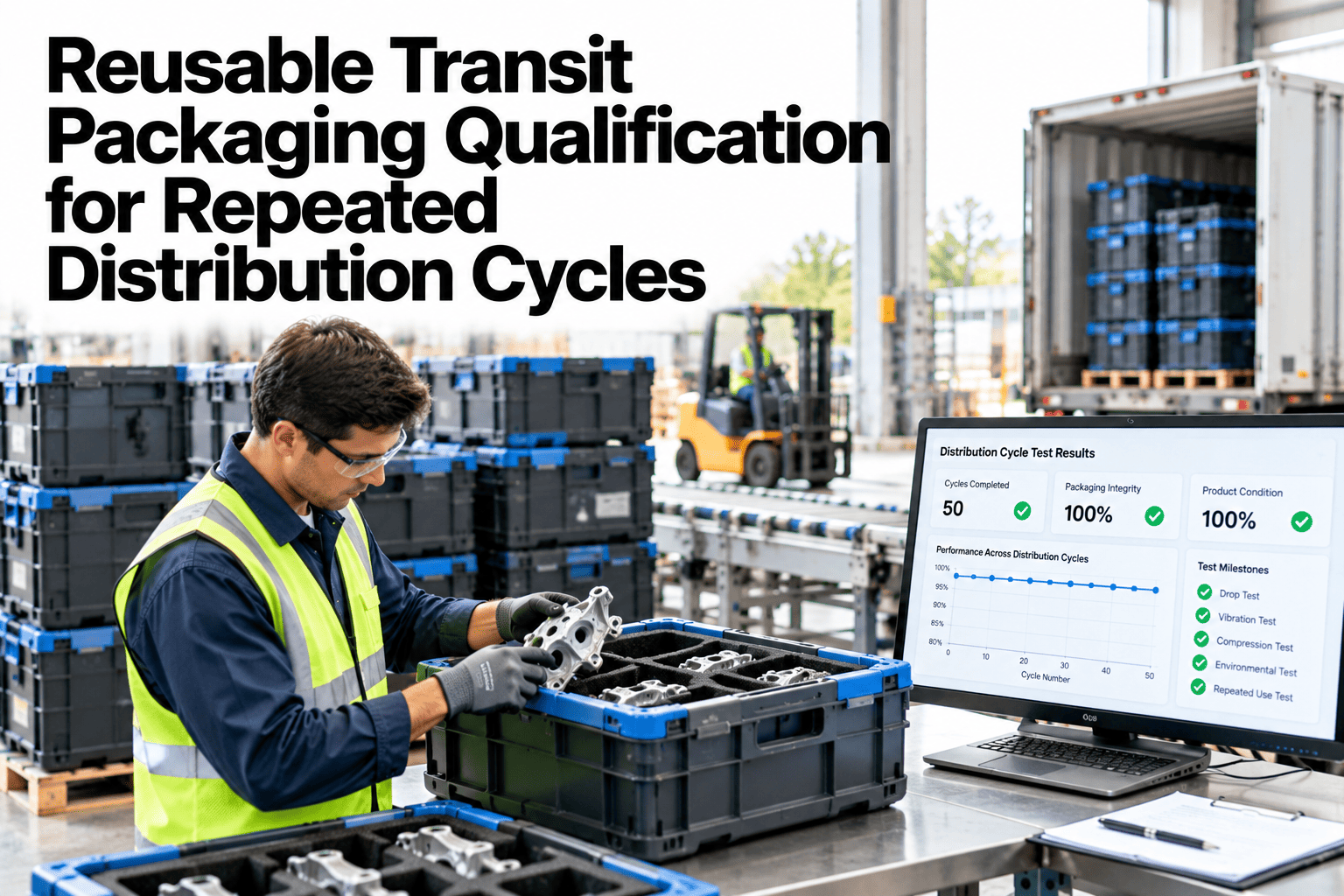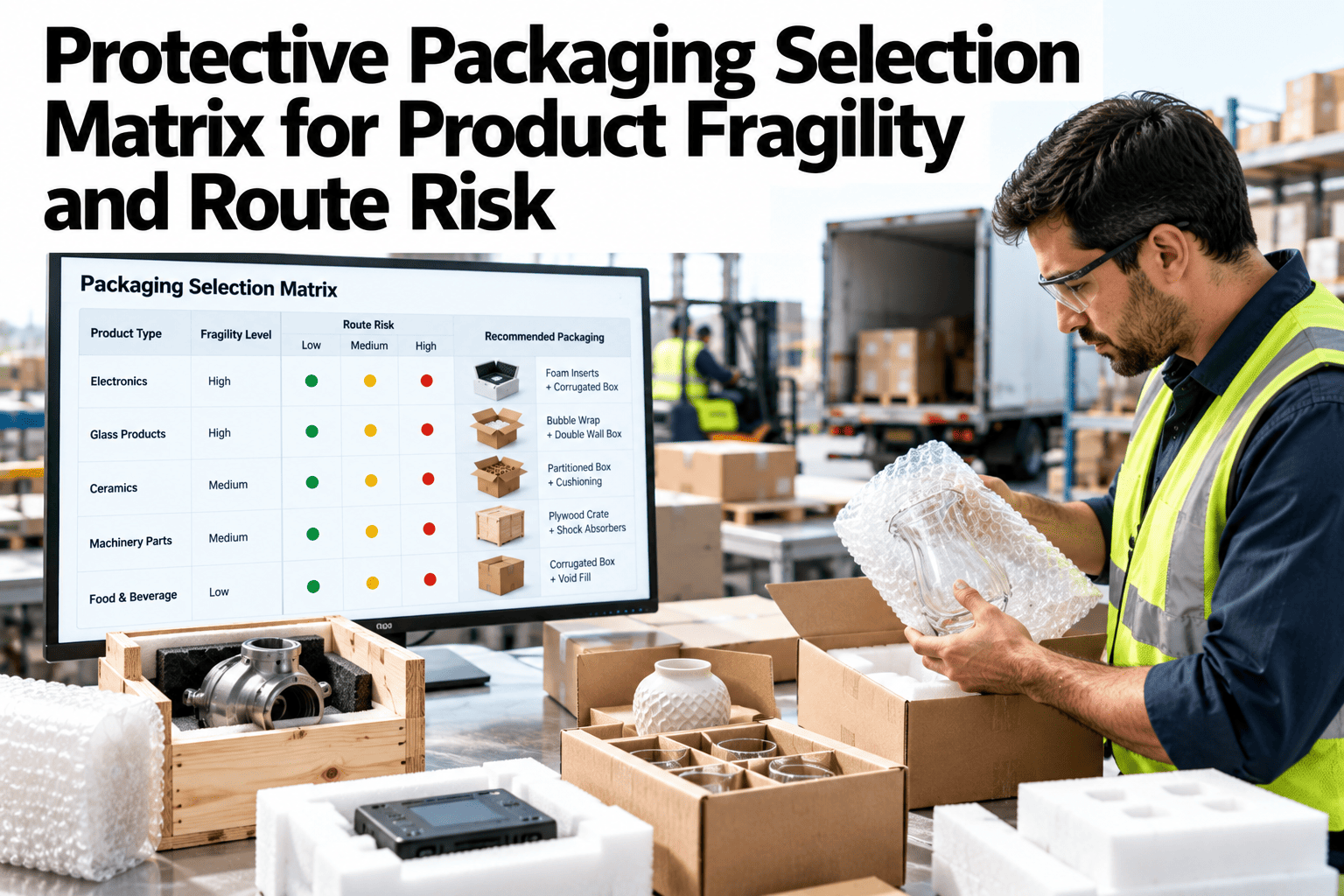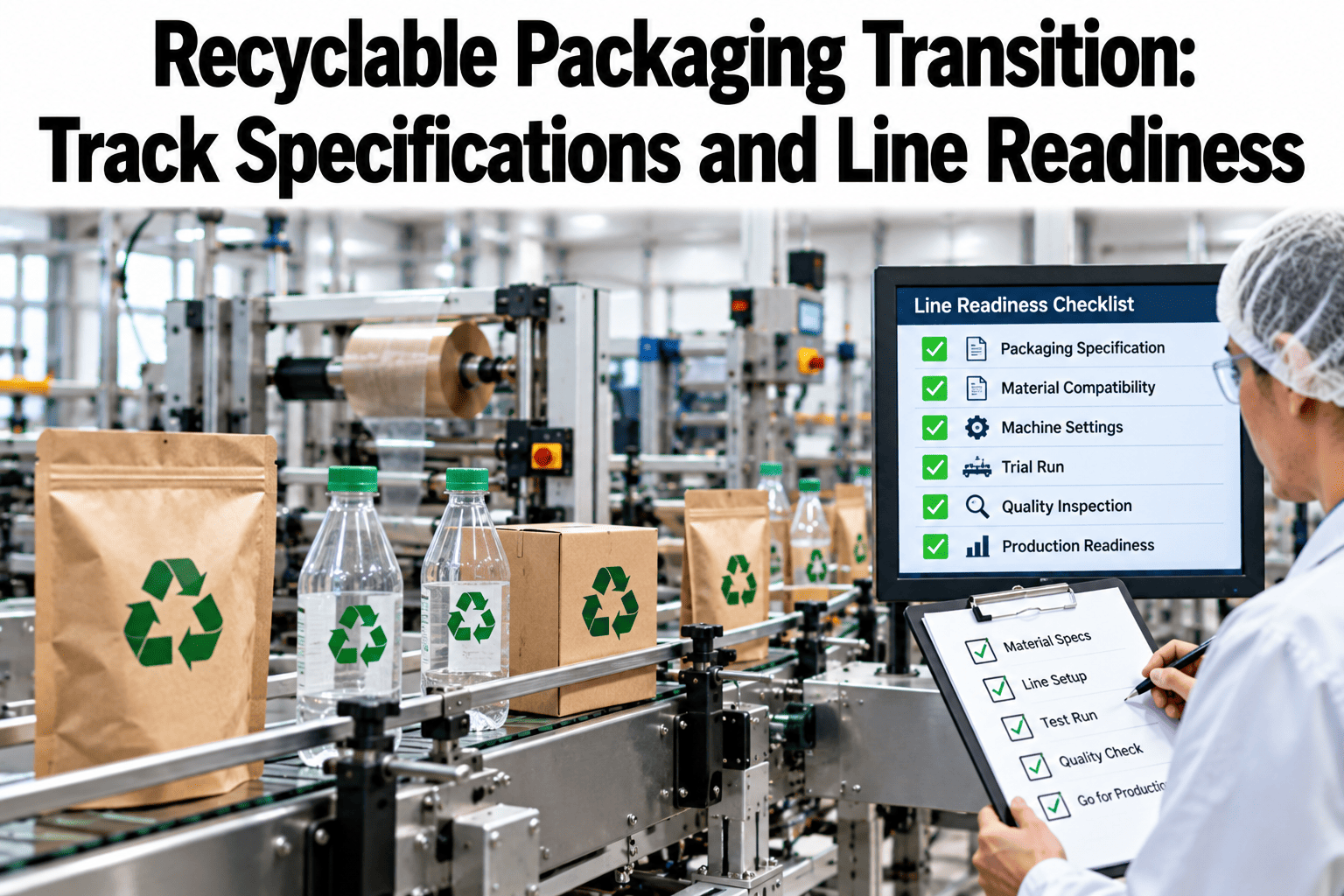
A package that survives a careful handling check on the warehouse floor can still arrive at a customer's door with a cracked product inside, because a warehouse floor and a parcel network subject a box to completely different physical stresses. Real transit exposes a package to sustained vibration from a truck's suspension, sudden drops during manual handling at sort facilities, and compression from being stacked under other freight for hours at a time, and a packaging design validated against only one of those hazards is validated against a fraction of the real risk. Building a test plan that covers all three, with evidence that actually holds up when a damage pattern needs investigating, is what a structured transit packaging test plan looks like for a real product line.
The Warehouse Floor Isn't the Parcel Network
iFactory AI helps packaging teams structure a test sequence across vibration, drop, and compression hazards, with documented acceptance criteria and evidence.
Why Packaging Fails in Transit That Looked Fine in the Warehouse
A warehouse handling check and a transit journey stress a package in fundamentally different ways, which means passing one tells you little about whether it survives the other.
Sustained Vibration Isn't Visible in a Static Check
Hours of road vibration can loosen internal fit or cause repetitive micro-impacts that a single handling drop would never reveal.
Real Drops Happen at Sort Facilities, Not Loading Docks
A package gets dropped during automated and manual sorting far more than during the careful initial load-out most teams test against.
Compression Builds Over Time, Not at One Moment
A package stacked under other freight for an extended transit period experiences a sustained compressive load that a brief pallet check doesn't replicate.
The Three Distribution Hazards and What Each One Reveals
Each hazard targets a different failure mode, and skipping any one leaves a specific, predictable gap in what the test plan actually validates.
| Hazard | What It Simulates | Typical Failure It Reveals |
|---|---|---|
| Vibration | Sustained road or rail transport motion | Loosened cushioning, internal shifting, fatigue failure |
| Drop | Sudden impact during manual or automated handling | Carton structural failure, cushioning bottom-out |
| Compression | Sustained stacking load during transit and storage | Carton crush, product deformation under static load |
A test sequence that runs these in order, often vibration first to simulate transit fatigue before the drop and compression tests, gives a more realistic picture than testing each hazard against a fresh, unstressed sample.
Design a Test Sequence for Your Own Product
Bring your current packaging design to a 30-minute session and build a test sequence scoped to your actual distribution hazards.
Setting Acceptance Criteria Before Testing Starts
A test plan without clear pass or fail criteria set in advance tends to produce results that get interpreted differently depending on who's reviewing them.
What Counts as Usable Test Evidence
Evidence that only shows a pass or fail checkbox isn't enough to defend a packaging decision later or to diagnose a real-world damage pattern.
An Illustrative Comparison: Isolated vs Sequenced Testing
The figures below are a labeled illustrative composite, not a reported customer result, showing how failure detection can differ between testing each hazard in isolation versus in sequence on the same sample.
Teams often ask which single test matters most, and the honest answer is that the sequence matters more than any individual test. A packaging design that passes a drop test on a fresh sample but has never been vibration-tested first is being validated against a scenario that doesn't actually happen in a real distribution network, where every drop occurs on a package that's already spent hours or days under vibration and compression.
Frequently Asked Questions
Do we need specialized lab equipment to run these tests?
Formal vibration, drop, and compression testing typically requires dedicated test equipment or an accredited lab, though a preliminary internal assessment using simplified methods can help identify obvious weaknesses before committing to full formal testing. Discuss testing options that fit your current setup in a short session.
How many samples should go through the full test sequence?
A single sample provides limited statistical confidence, so most structured test plans run multiple samples through the same sequence to confirm the result is consistent rather than a one-off outcome. Ask the iFactory AI team about sample size for your product.
Should test parameters match our actual carrier's handling conditions?
Yes, test parameters should reflect the actual distribution path your product travels, since a parcel network, a less-than-truckload freight lane, and an international ocean shipment all expose a package to meaningfully different vibration, drop, and compression profiles. Match test parameters to your actual distribution path in a demo.
How often should packaging be retested?
Any change to the product, the packaging materials, or the carton design should trigger a retest, since the prior test evidence no longer reflects what's actually shipping, and a periodic retest even without a known change can catch material substitutions that weren't formally documented. Set a retest trigger policy for your packaging on a call.
Can test evidence actually help with a real damage claim investigation?
Documented test evidence that shows exactly which hazard and stress level a packaging design was validated against gives a concrete starting point for investigating whether a real damage event fell within or beyond what the design was tested to withstand. Review how test evidence supports claim investigations with the support team.
Test Against What the Package Actually Faces in Transit
iFactory AI helps structure a vibration, drop, and compression test sequence with defensible acceptance criteria. Book a walkthrough built around your own product.