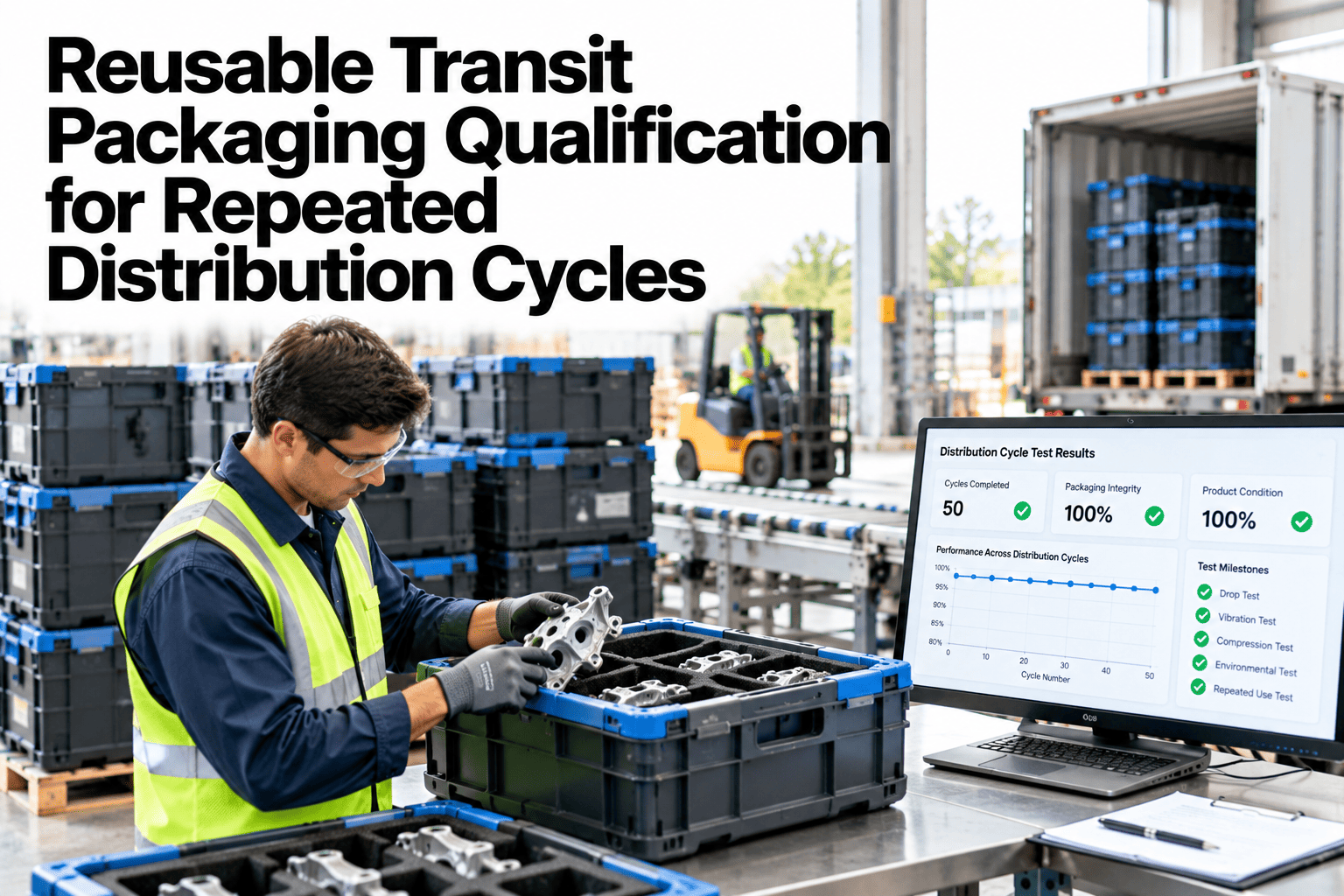
A returnable tote qualified for a hundred distribution cycles does not fail gracefully at cycle ninety-nine, it fails unpredictably somewhere in a range around that estimate, because wear on reusable packaging is a distribution of outcomes, not a fixed number, and a program that tracks only cycle count while ignoring actual wear condition eventually ships product in a container that looks fine on paper but has already lost the protective capacity it was qualified for. Cycle count, inspection, and defined wear limits need to work together, not as a substitute for each other. Build a qualification program around your own reusable packaging fleet.
Know When a Reusable Container Is Actually Done
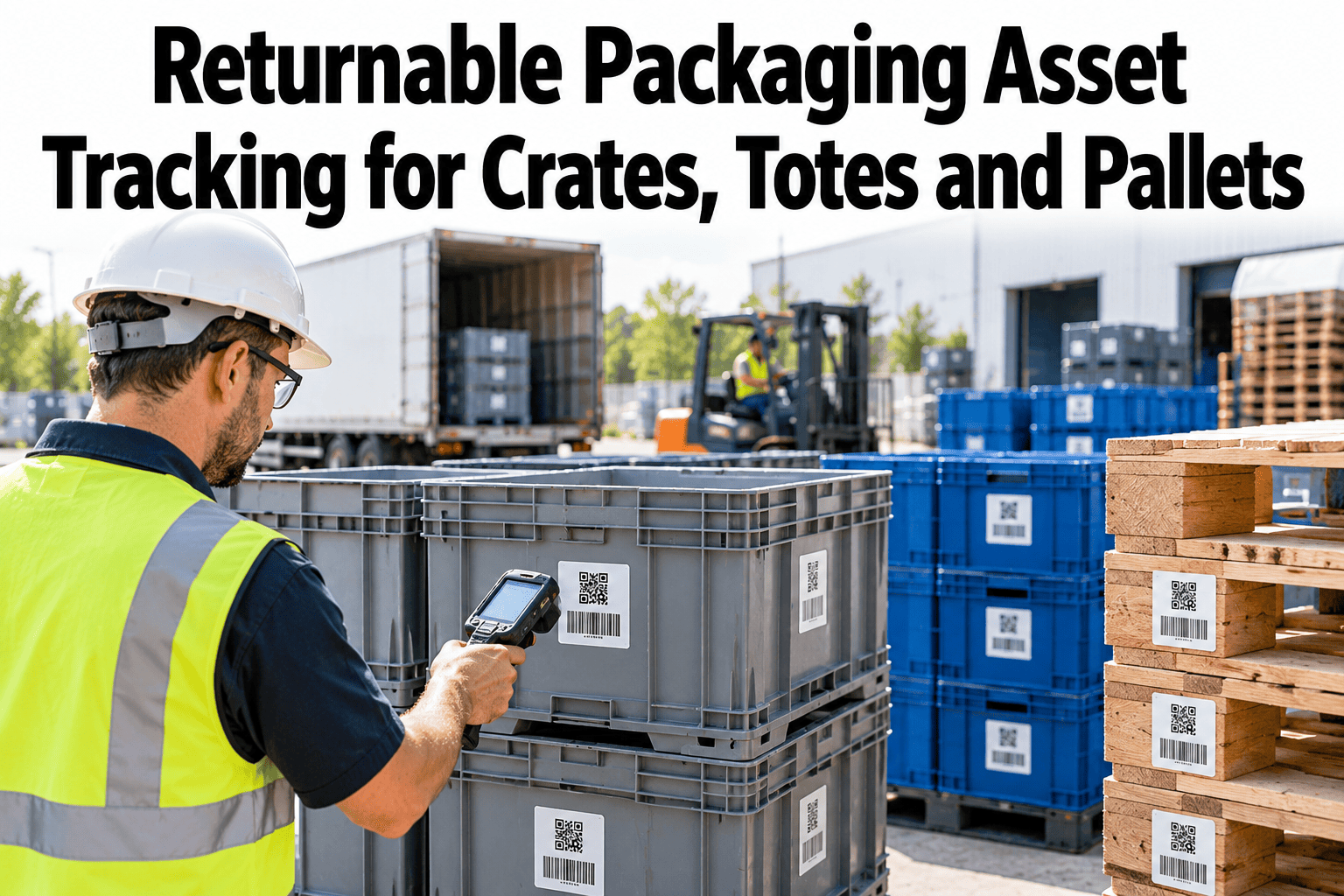
iFactory AI tracks cycle count, cleaning and inspection, and defined wear limits together, so reusable transit packaging is retired on real condition, not a guess.
Cycle Count Alone Is an Estimate, Not a Fact
Two totes that have each completed the same number of distribution cycles can be in meaningfully different physical condition depending on load weight, handling quality, and environmental exposure along the way, which means cycle count makes a reasonable planning estimate for when a container might need attention but a poor substitute for an actual inspection at the point where protective capacity genuinely matters.
Cycle Count
Tracked per container as a planning signal for when inspection attention is likely needed.
Cleaning & Inspection
A defined check at each return cycle, confirming actual condition rather than assuming it.
Wear Limits
Specific, measurable thresholds that trigger retirement regardless of cycle count.
Product Protection
Validated that the container still meets its original protective design criteria.
Qualify Your Own Reusable Fleet
Book a 30-minute session and build a cycle-count and wear-limit qualification program around your own reusable packaging.
Setting Wear Limits That Mean Something
A wear limit is only useful if it is specific and measurable, tied to the actual failure mode it is meant to catch.
| Wear Indicator | Measured As | Retirement Trigger |
|---|---|---|
| Structural deformation | Panel flex or corner compression beyond spec | Immediate retirement, regardless of cycle count |
| Seal or latch wear | Closure mechanism no longer holding securely | Repair if possible, retire if not |
| Surface degradation | Cracking or material fatigue visible on inspection | Flagged for closer inspection next cycle |
| Contamination | Residue or damage affecting product cleanliness | Hold for cleaning validation before reuse |
From Return to Requalified
Each returned container moves through a consistent inspection sequence before it re-enters circulation.
Fleet Condition Across the Reusable Pool
A composite view across your reusable packaging fleet, scored by condition relative to defined wear limits.
Rolling Out the Qualification Program
iFactory AI connects to your existing container tracking and inspection process, formalizing wear limits without disrupting the current return flow.
Expert Review
The retirement criteria conversation is usually where packaging and finance disagree, since a container pulled too early wastes remaining useful life while one pushed too long risks a product protection failure, and defined, measurable wear limits are what let both sides agree on the same threshold instead of negotiating it case by case.
Frequently Asked Questions
Does this require scanning every container on every cycle?
Cycle tracking works best with consistent scanning at return, and the qualification program can be configured to match whatever tracking method your fleet currently uses. Support can confirm compatibility with your current tracking.
How are wear limits determined for a specific container type?
Wear limits are set based on the container's original protective design criteria and the specific failure modes relevant to its materials and typical handling conditions.
Can a container be repaired instead of retired?
Yes, some wear indicators trigger a repair-and-reinspect path rather than immediate retirement, depending on whether the specific issue can be corrected without compromising protection. See repair-versus-retire criteria on a call.
How is inspection data recorded for audit purposes?
Each inspection result is logged against the specific container, building a condition history that supports audit review and retirement decisions.
Can this program scale across multiple container types at once?
Yes, wear limits and inspection criteria are configured separately per container type, so a mixed fleet of totes, crates, and pallets is each qualified on its own terms. Ask support about multi-container-type rollout.
Retire on Condition, Not a Guess
iFactory AI tracks cycle count, inspection, and wear limits together for your reusable transit packaging fleet. Book a demo on your own program.