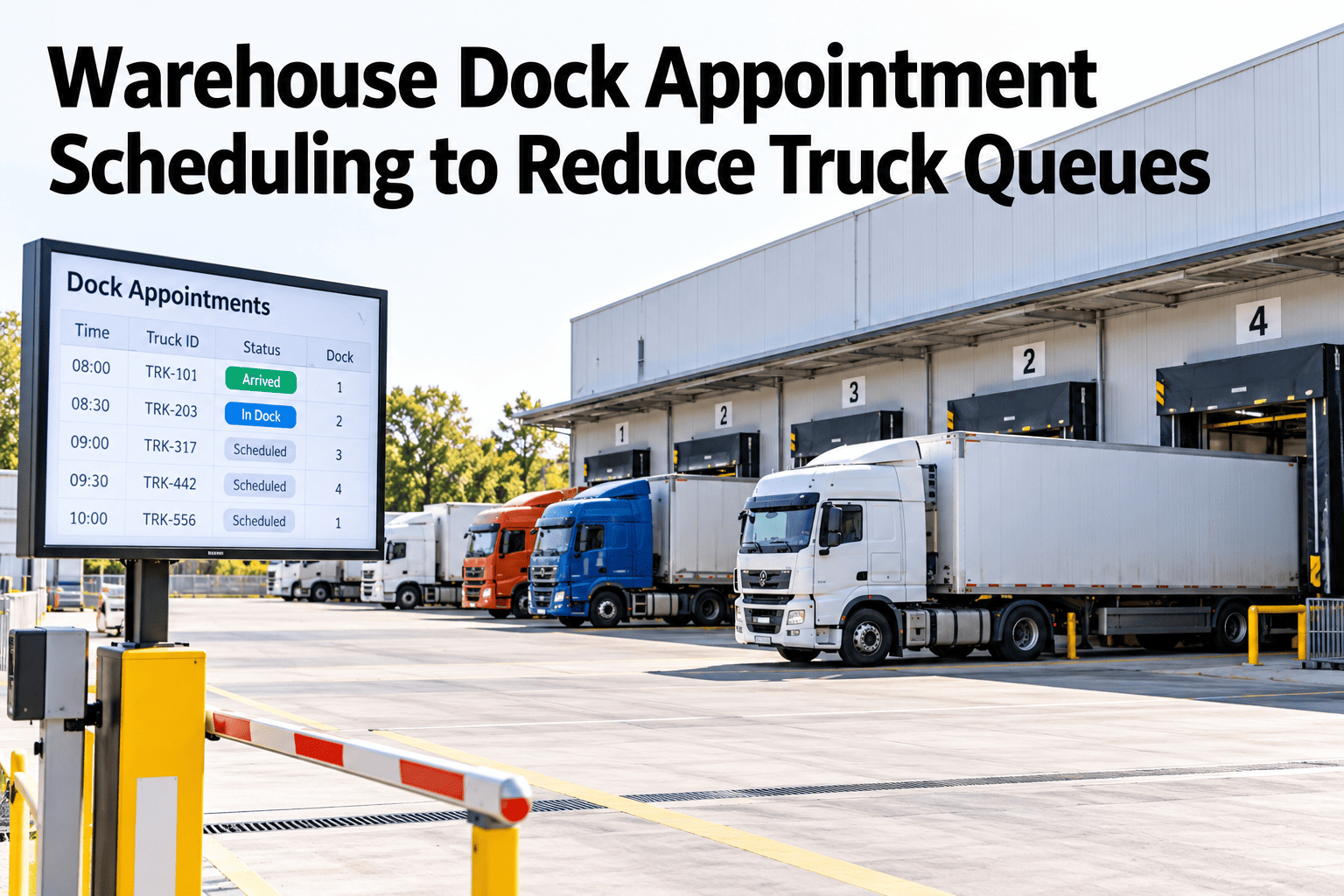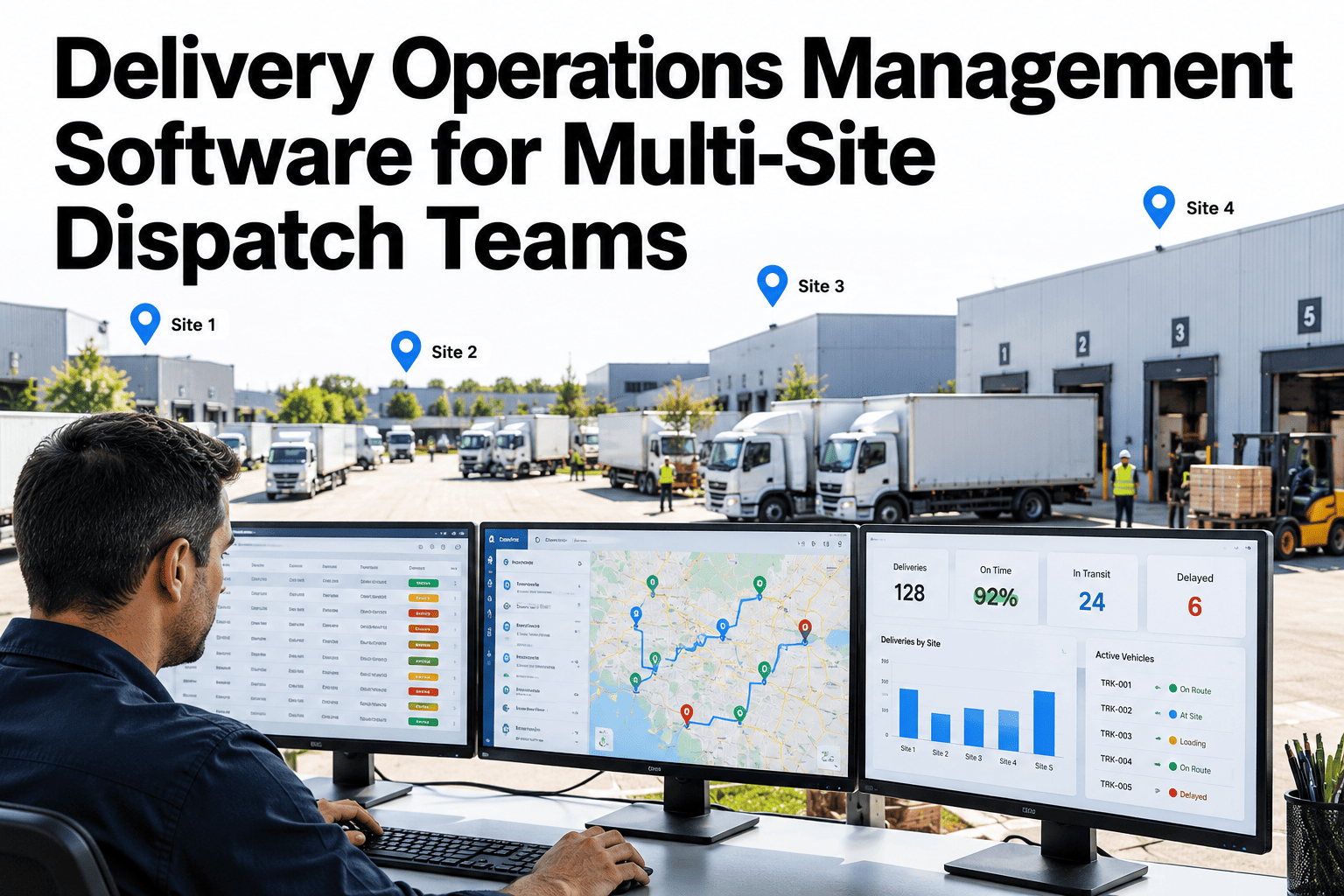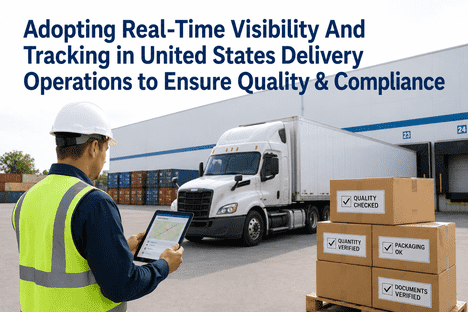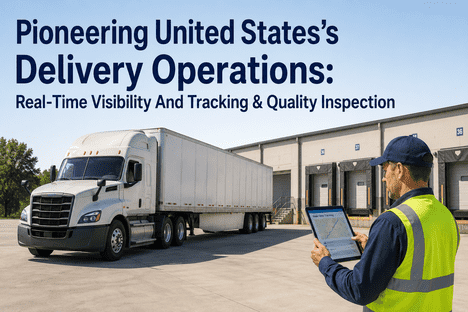
A trailer can sit in a yard for hours longer than it needs to simply because nobody tracking dock assignments knew it had already arrived, and that invisible dwell time compounds across a yard running dozens of movements a day into real driver detention cost and missed loading windows. The fix isn't a bigger yard or more staff, it's a single thread of visibility from the gate to the dock door. iFactory AI's delivery operations team can map your own yard's blind spots from gate to dock before your next peak shipping period.
A Trailer Nobody Can See Is a Trailer Losing Time Somewhere
Gate arrival, yard location, staging status, dock assignment and loading completion as one connected thread turn a yard from a blind spot into a schedule everyone can plan against.
Why Yards Stay a Blind Spot Longer Than Any Other Area
A warehouse floor gets scanned, tracked and reported constantly, but the yard outside it often runs on radio calls and a clipboard, because it sits between two systems — transportation and warehouse management — that neither one fully owns. The result is a gap where a trailer can be physically present and functionally invisible, costing dwell time nobody is actively managing because nobody owns the full picture.
TMS tracks the trip, WMS tracks the dock — the yard between them belongs to neither.
A yard jockey's knowledge lives in their head until the next radio call.
A trailer waiting unnecessarily doesn't show up on any report until it's a problem.
Driver detention charges accumulate quietly when arrival isn't logged accurately.
Five Points That Need to Connect
Each stage on its own tells part of the story; connected, they tell a plant exactly where every trailer is and what's next for it. Our team can map which of these five points your current setup already tracks.
Trailer and carrier logged the moment it enters the yard, time-stamped automatically.
Where the trailer actually is, not just that it's "somewhere in the yard."
Ready for loading, waiting on product, or waiting on a dock — a status, not a guess.
Which door, confirmed, not assumed from a schedule that may have shifted.
The close of the loop, logged the moment the trailer actually leaves.
What Each Gap Actually Costs
| Visibility Gap | Typical Consequence |
|---|---|
| No gate-to-yard handoff | Trailer arrival time logged late or not at all, inflating apparent dwell |
| No live yard location | Time lost locating a trailer when it's needed for loading |
| No staging status | Dock crews idle waiting on a trailer that was actually ready |
| No confirmed dock assignment | Trailers sent to the wrong door, or two trailers assigned the same one |
| No departure confirmation | Dock marked occupied long after the trailer has actually left |
Find Out Where Your Own Trailers Actually Wait
Share a week of gate and dock log data, and see where dwell time is accumulating between arrival and departure.
What Changes Once the Thread Is Connected
Arrival and departure times reflect what actually happened, not an estimate.
A staging status gives loading crews real lead time instead of a surprise.
A confirmed assignment prevents two trailers competing for one door.
The metric shows up on a report in real time, not after a driver complaint.
A Composite Scenario: The Trailer That Waited Three Extra Hours
Picture a distribution center where a trailer arrived, was staged and ready for loading well before its scheduled dock time, but the dock crew had no visibility into that readiness and simply worked the schedule as written.
That trailer sat staged and ready for roughly three extra hours before its scheduled slot finally came up, a delay a connected staging status would have let the dock crew see and act on the moment a door freed up. The scenario illustrates the value of real-time status over a fixed schedule; actual dwell reductions depend on each yard's own volume and layout.
Where iFactory AI Fits
iFactory AI connects gate arrival, yard location, staging status, dock assignment and departure into one live thread, so dispatchers, dock crews and transportation teams all see the same picture of every trailer's status.
Gate, yard and dock teams see the same status, not three separate pictures.
Arrival and departure logged the moment they happen, not estimated after the fact.
Where time is actually lost, visible by stage, not buried in a single average.
Frequently Asked Questions
It depends on current infrastructure — many yards can start with a driver or gate-guard check-in process and existing dock scheduling data, adding sensor-based tracking later if the volume justifies it. Review what your current setup already supports.
Yard visibility sits between the two, pulling trip data from the TMS and dock schedule data from the WMS so both systems see a trailer's actual yard status instead of only their own half of the picture. Ask how it integrates with your systems.
Accurate, automatically logged arrival and departure times mean detention billing reflects what actually happened rather than an estimate, which both reduces disputes and often surfaces genuine dwell time worth addressing operationally. Review detention cost patterns in your own yard data.
Gate arrival logging is usually the highest-value starting point, since an accurate arrival timestamp is the foundation every other visibility improvement — staging, dock assignment, dwell reporting — depends on. Get a prioritized starting point for your yard.
Many operations see their first useful dwell-time insights within a few weeks of connecting gate and dock data, though meaningful reduction in actual dwell typically follows once staging status is visible to dock crews in real time. Scope a rollout timeline for your yard.
Turn Your Yard From a Blind Spot Into a Schedule
iFactory AI connects gate arrival, yard location, staging, dock assignment and departure into one live thread everyone can see.