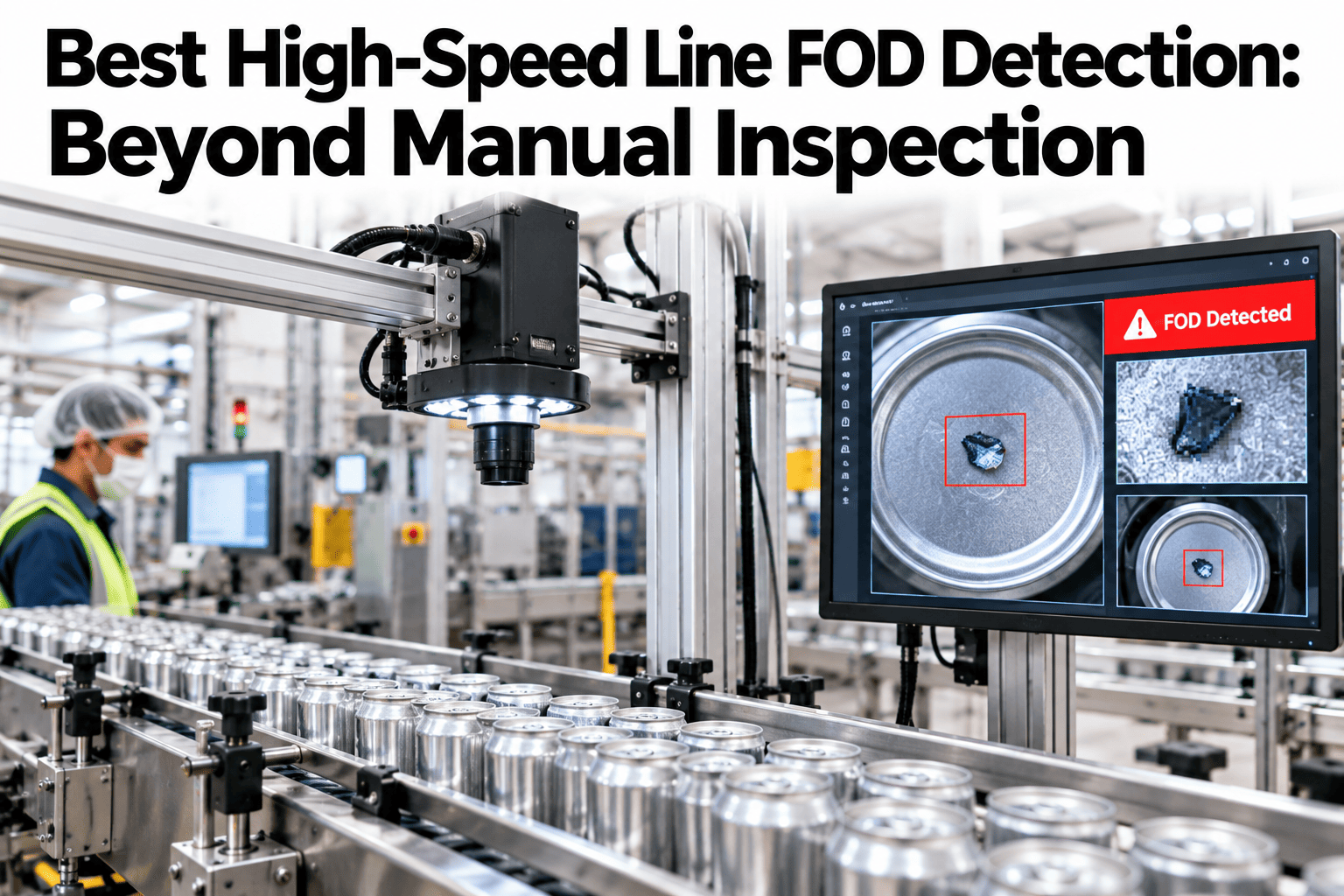
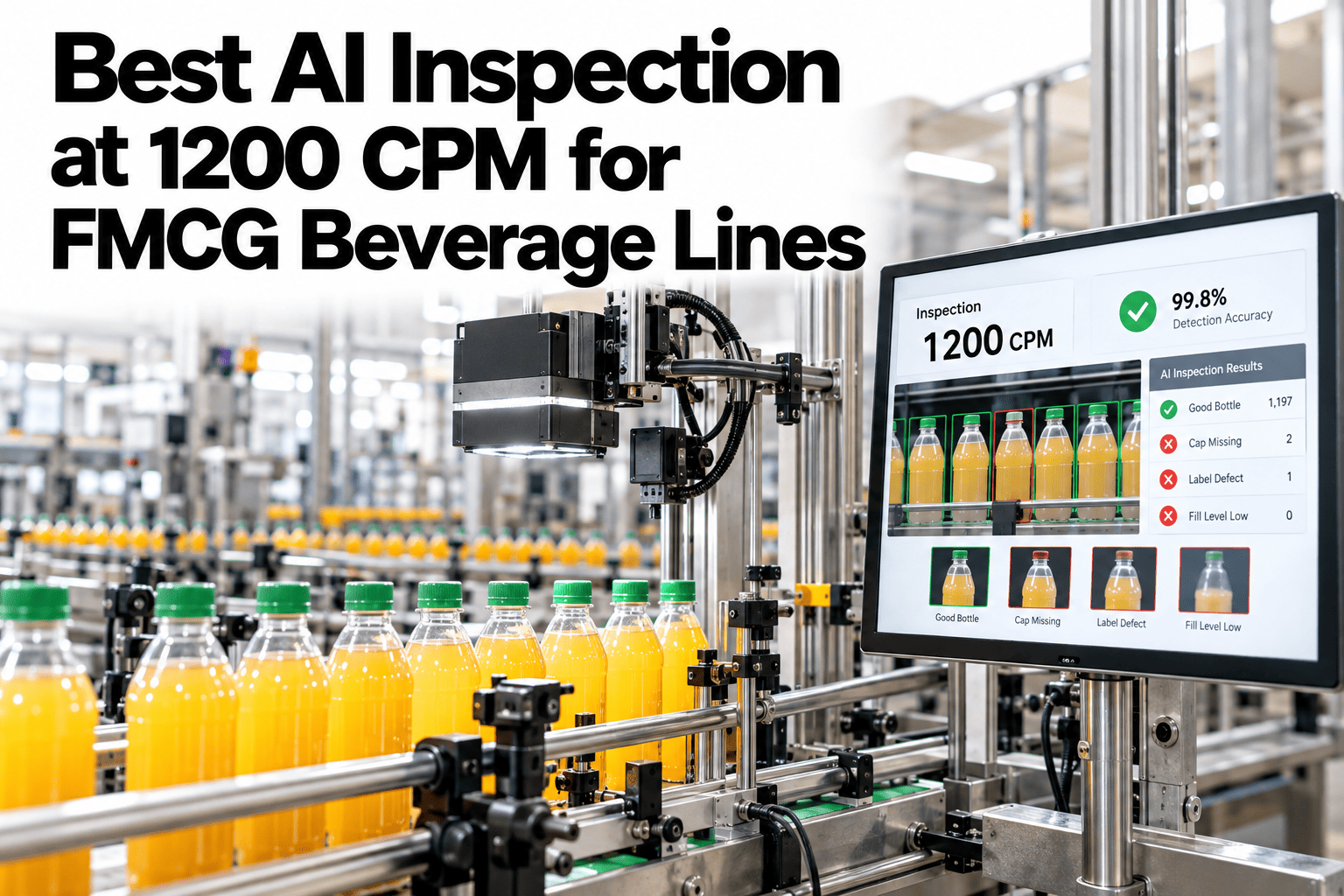
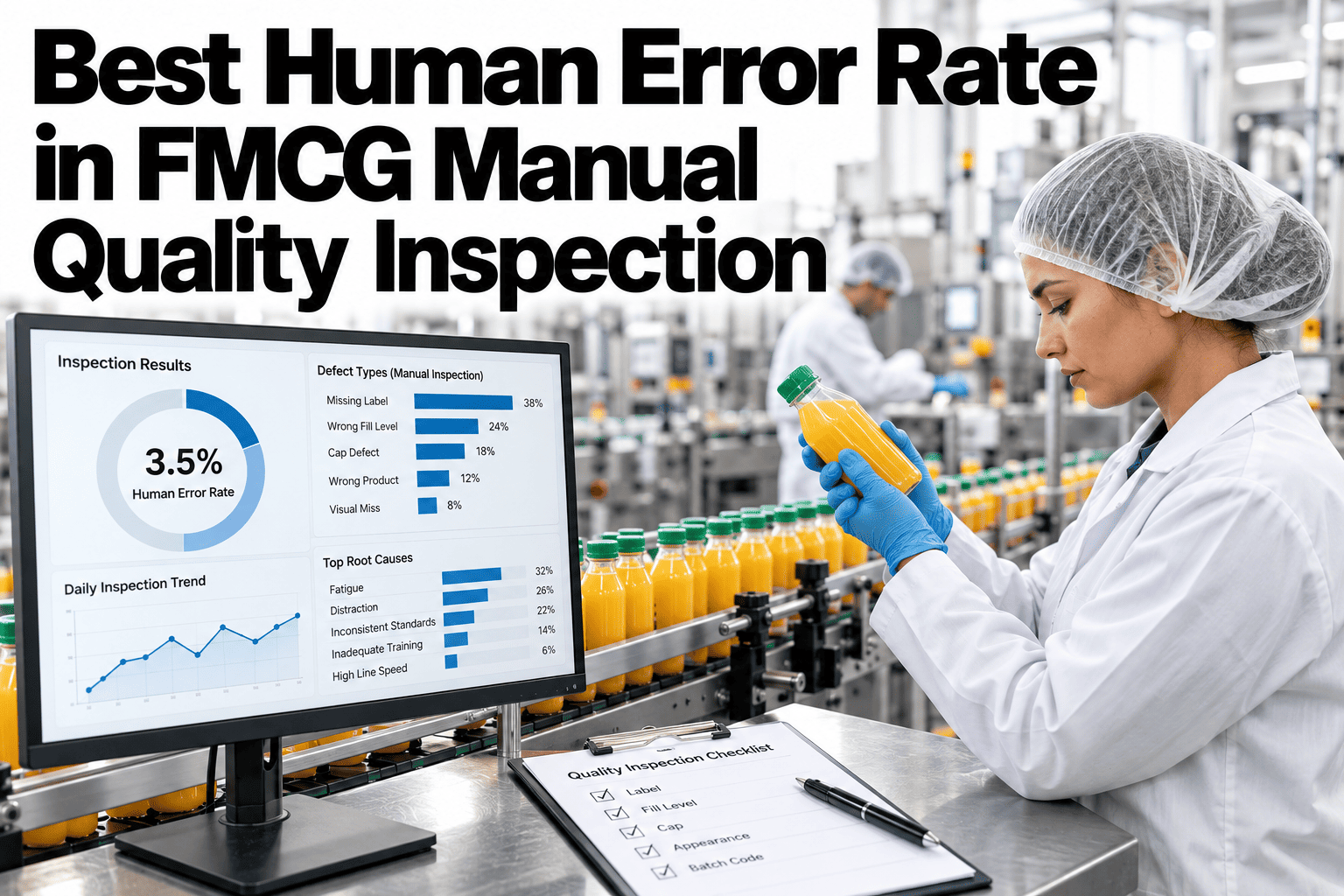
Foreign objects in food and consumer products are rare events with severe consequences, and fast lines make them hard to catch. At 600 units per minute, each pack passes in a tenth of a second, which is far too fast for any person to inspect reliably. Detection layers such as metal detection, X-ray and vision each find different contaminants, and together they cover much more than any single method. This guide explains how to fit them to a fast line. To plan your own layers, you can review a foreign object detection design with our team.
Multi-modal detection: vision, X-ray and metal
Catch Foreign Objects on Lines Running 600 Units a Minute and Beyond
iFactory AI brings vision, X-ray and metal detection results into one view, so teams see what each layer caught and where gaps remain.
Metal detector rejected one pack on Line 6 at 14:22
Detection summary
One rejected pack. X-ray and vision found nothing else on the batch. Detector test passed at the start of shift. Recommend inspecting the filler guard.
Layer: metal detectionLine 6
The speed problemFast Lines Leave No Room for Manual Inspection
Line speed sets the time available for any check. At 600 units per minute the arithmetic is unforgiving.
Zero
Time for a person to look inside a pack
Time per unit = 60 seconds / units per minute = 60 / 600 = 0.1 seconds
Detection layersThree Technologies, Three Different Strengths
No single technology finds everything. Layers cover each other's blind spots.
Metal detection
Finds ferrous, non-ferrous and stainless steel metals inside products.
X-ray inspection
Finds dense contaminants such as metal, glass, stone and some bone.
Vision inspection
Finds visible objects, damage and defects on surfaces and in open products.
Other checks
Weight checks and sorting can add information about packs and product.
Detection capability depends on product, packaging and the size and type of contaminant. Always validate on your own line.
Comparing the technologiesWhat Each Method Finds and Where It Struggles
| Technology | Finds well | Struggles with | Notes |
|---|
| Metal detection | Metals, including small fragments in many products | Non-metal contaminants, some foil packs | Product effect can reduce sensitivity |
| X-ray | Dense objects such as metal, glass and stone | Low-density plastic, wood or rubber | Works through many packaging types |
| Vision | Surface and visible objects, defects | Objects hidden inside opaque product | Needs lighting and camera views |
| Checkweighing | Missing or extra items | Small contaminants | Useful as a supporting check |
See Which Layers Your Line Needs
Share your product, packaging and line speed and see how iFactory AI would map contaminant risks to detection layers.
Choosing by contaminantMatch the Contaminant to the Best Layer
The type and location of a possible contaminant guides which technology to rely on.
Contaminant profile
Inside the product
On the surface
Dense material
X-ray and metal detection
Dense objects inside the pack
Vision
Visible objects on the surface or in open product
Low-density material
Combination and process controls
Dense on the surface may be seen by vision and x-ray
Prevention and vision
Low-density objects are hardest, so prevent at source
Where detection is weak, prevention matters most. Good housekeeping and equipment checks remove many risks before they reach the line.
Detect and rejectFour Steps From Detection to a Verified Reject
1
Detect
A layer flags a pack or unit.
2
Track
The system follows its position along the line.
3
Reject
The reject device removes the exact pack.
4
Verify
A confirmation sensor checks the pack really left, and the event is logged.
Verify every reject. A detection without a confirmed reject is a failed control.
Layered coverageEach Layer Closes Gaps Left by the Others
Coverage improves as layers are added. This chart is illustrative.
Low
Manual inspection only
Better
Add metal detection
Broad
Add vision and checks
Cost grows with each layer too, so choose layers by risk and product value, not by completeness alone.
Manual versus layeredWhat Changes When Layers Replace Visual Checking
This comparison is directional and illustrative.
Manual visual checking
Ability to see inside packs
Consistency across shifts
Layered detection
Ability to see inside packs
Consistency across shifts
Where contaminants come fromSix Common Sources of Foreign Objects
Raw materials
Stones, metal pieces or packaging scraps arriving with ingredients.
Equipment wear
Fragments from blades, screens, bolts and seals.
Maintenance work
Tools, fasteners and offcuts left behind.
Packaging
Staples, strapping and film pieces.
People
Items from clothing, jewellery or pockets.
Building and environment
Glass, paint flakes or pests.
Prevention programmes reduce the load on detection. To review yours, ask our team for a foreign object prevention checklist.
Line designFour Constraints at High Speed
Product spacing
Packs must be separated enough for each to be checked
Conveyor speed
Faster belts reduce time in the detection field
Reject window
The reject device needs time and space to act
Product effect
Wet, salty or foil products can reduce sensitivity
Design the line around detection. Retrofitting detection into a crowded, fast line is much harder.
VerificationKeep Detection Honest With Regular Tests
1
Test pieces at start of shift
Pass known test pieces of the relevant materials through each detector.
2
Test pieces after changes
Repeat after product, speed or settings changes.
3
Reject confirmation checks
Check that rejected packs are actually removed.
4
Record every test
Keep results for audits and customers.
5
Review misses and false rejects
Use the data to tune sensitivity.
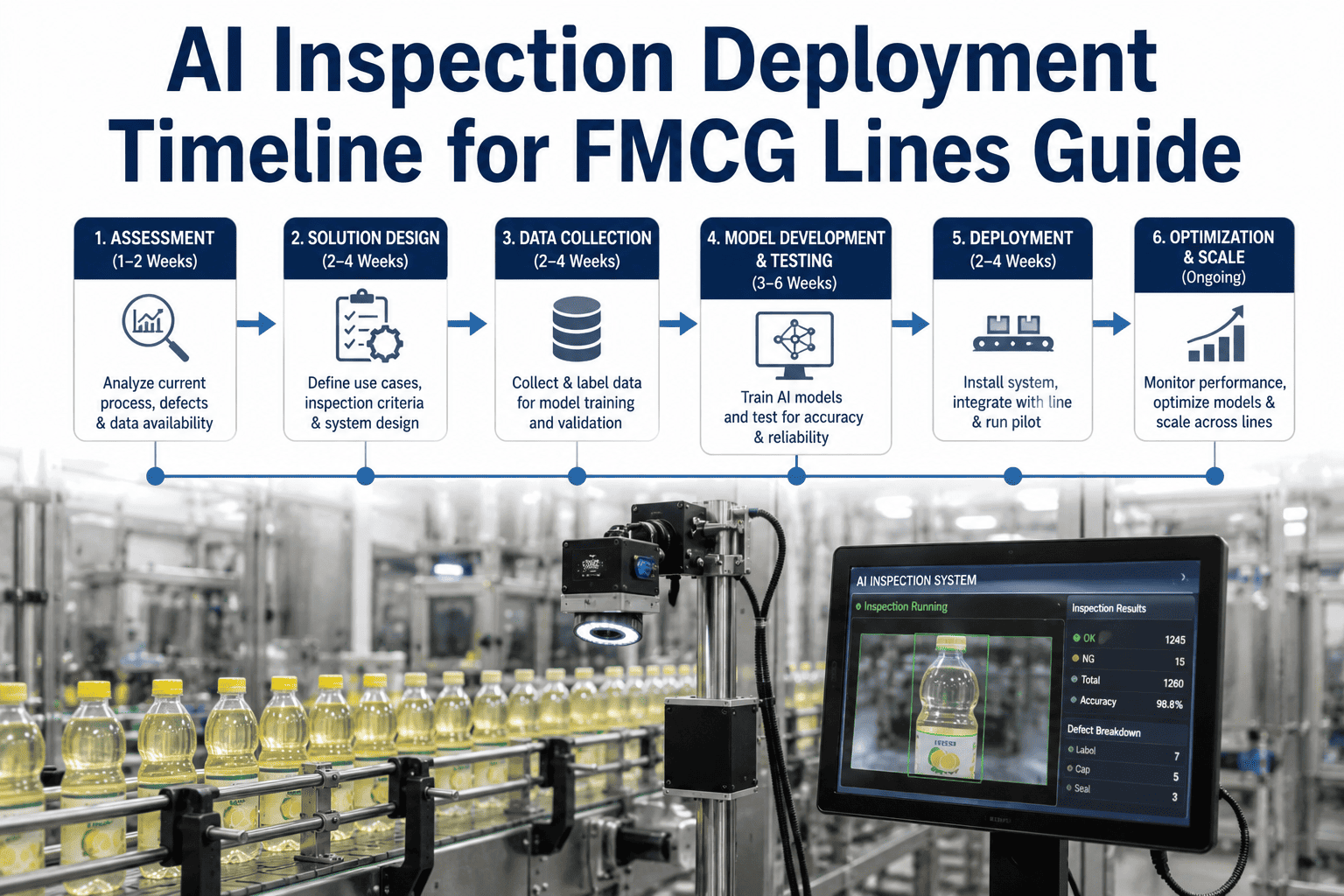
RolloutFive Steps to Strengthen Detection on a Fast Line
1
Assess risks
List likely contaminants by source and type.
2
Map to layers
Choose layers that match those risks.
3
Check line fit
Review spacing, speed and reject design.
4
Install and validate
Test with relevant materials at full speed.
5
Monitor and improve
Track rejects, misses and tests in one place.
Contaminant risks listed by source and type
Detection layers matched to risks
Line speed and spacing reviewed for detection
Reject and confirmation devices tested
Test pieces defined for each detector
Start of shift and change tests recorded
Reject and false reject data reviewed weekly
Prevention programme linked to detection findings
Expert reviewWhat a Food Safety Technical Manager Would Check First
Detection is a safety control, so evidence matters more than claims. Validate every layer on your own product at full speed and keep clear records.
Verdict
Strong when layers are matched to risk and every reject is verified.
Watch for
Sensitivity claims that were not tested on your own product and speed.
Do next
Map your top contaminant risks to layers and test one line at full speed.
Frequently asked questionsWhat FMCG Teams Ask About High-Speed Foreign Object Detection
Can detection really keep up with 600 units per minute?
Detection equipment is available for high speeds, but the design must fit your product, packaging and line. Spacing, belt speed and reject timing matter as much as the detector itself. Validate at full speed.
Review a high-speed design.
Do we need both X-ray and metal detection?
Not always. X-ray finds a wider range of dense contaminants, while metal detection is a proven check for metals. Many plants combine them, choosing by product risk.
Ask about combining layers.
What can vision inspection find?
Vision finds visible foreign objects and defects on surfaces or in open product, but it cannot see inside opaque products or sealed packs.
See what vision covers.
How do we prove detection works?
Run test pieces of the relevant materials through each detector at the start of shift and after changes, confirm rejects and keep records.
Ask about test programmes.
What if we still find contaminants downstream?
Investigate the source, check detector sensitivity and settings, and strengthen prevention. Findings from complaints and rejects should feed a regular review.
Plan a review process.
Layered protection at line speed
Build Detection That Keeps Pace With Your Line
Book a session with iFactory AI to map contaminant risks, choose detection layers and validate a design that works at your full line speed.