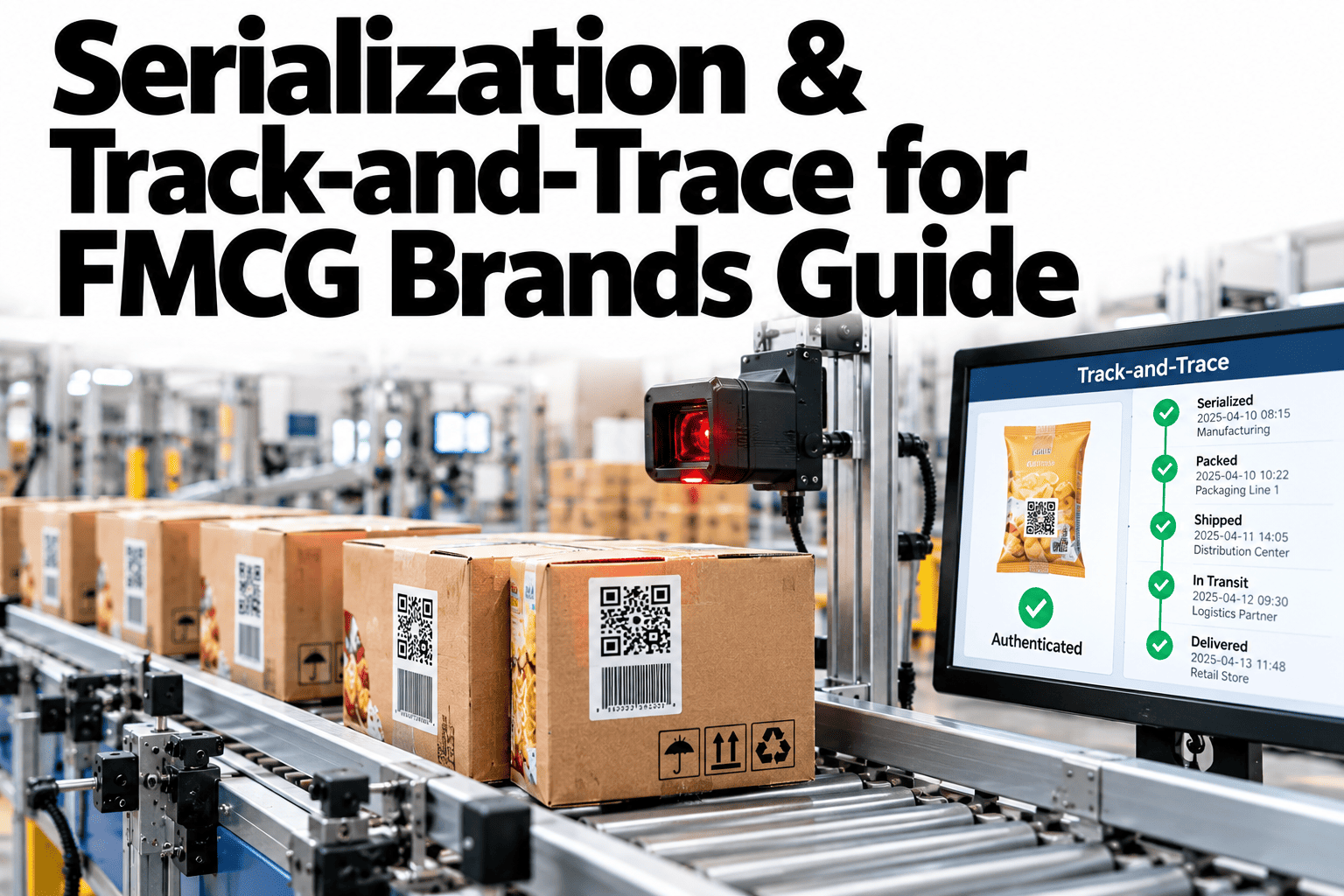
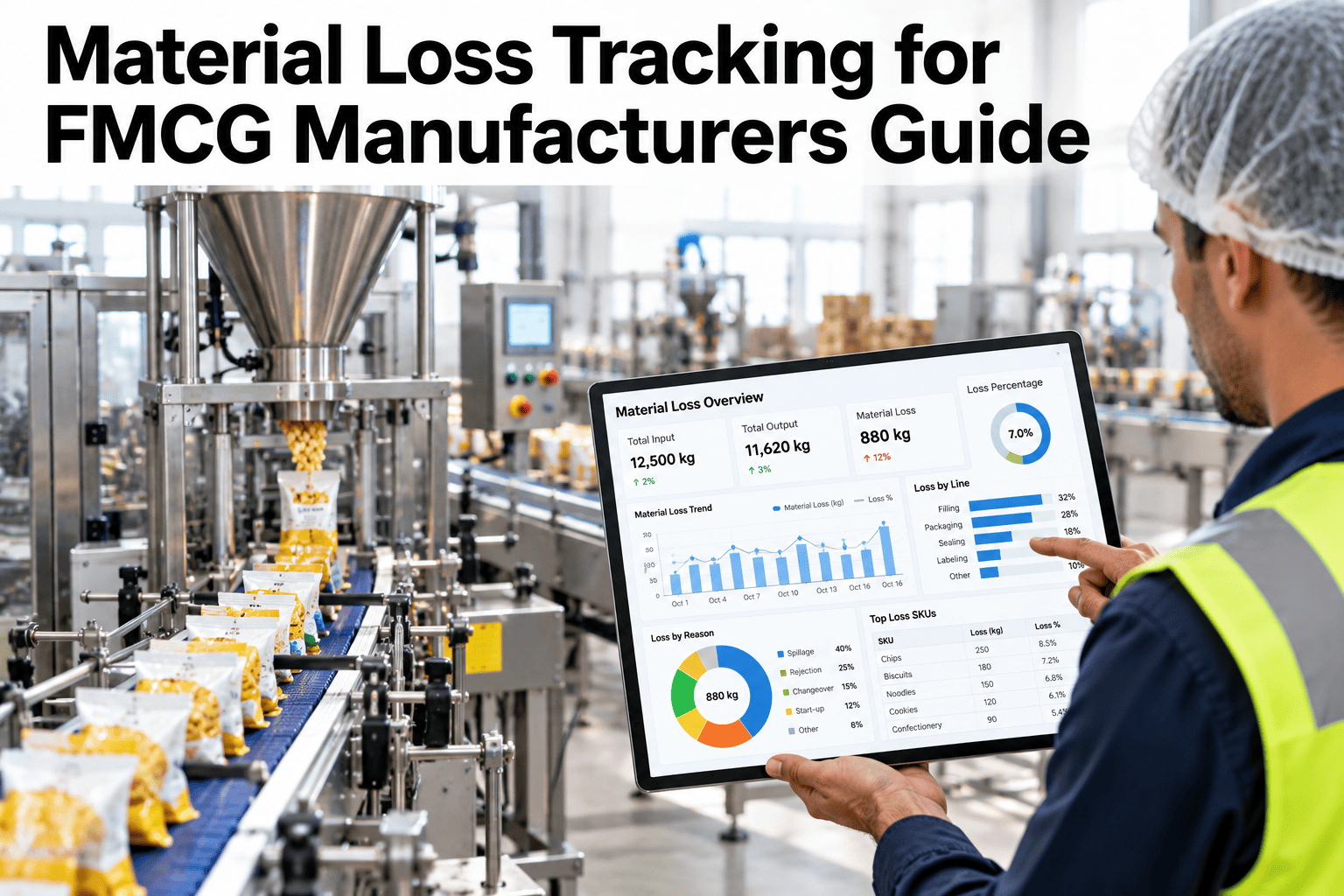
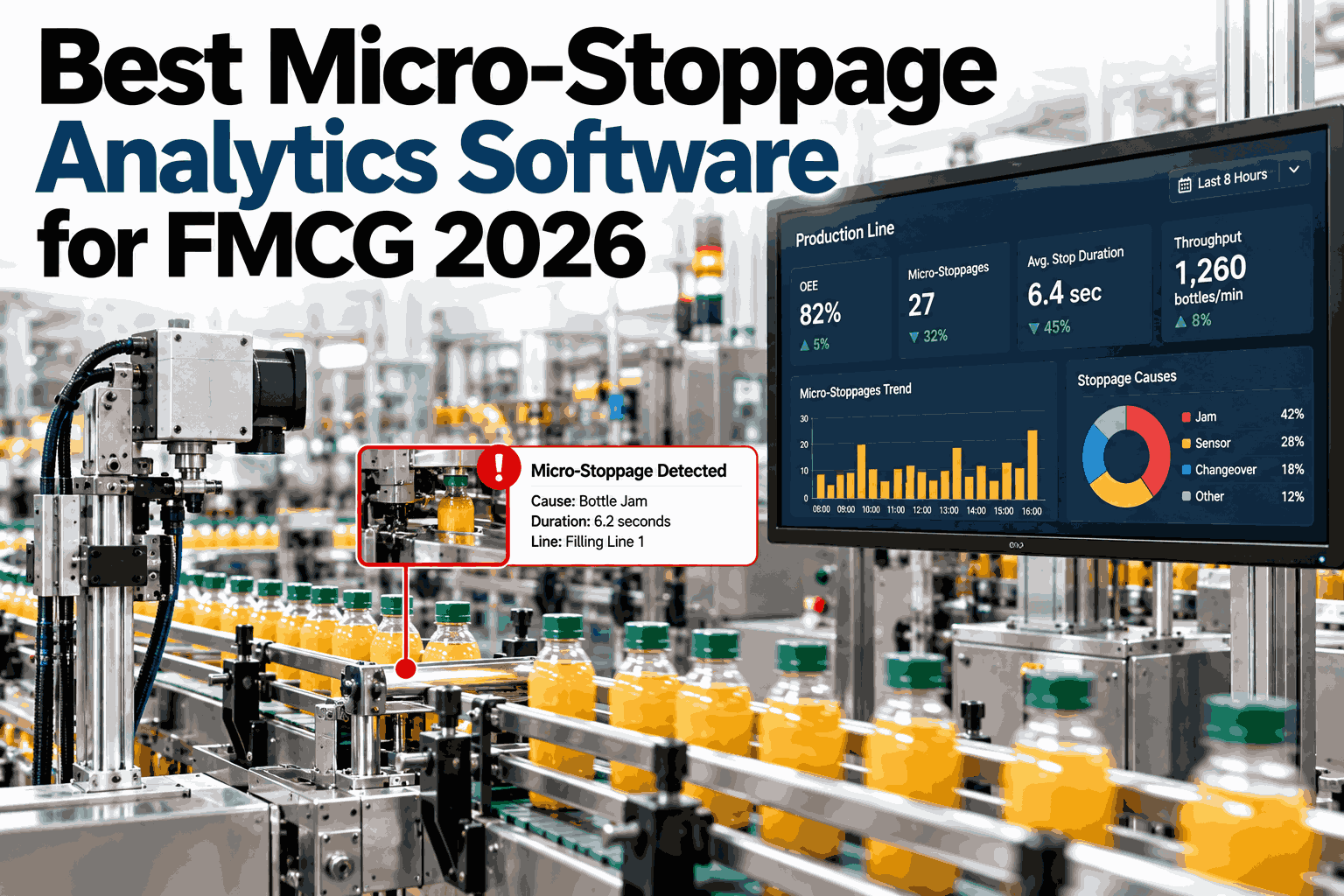
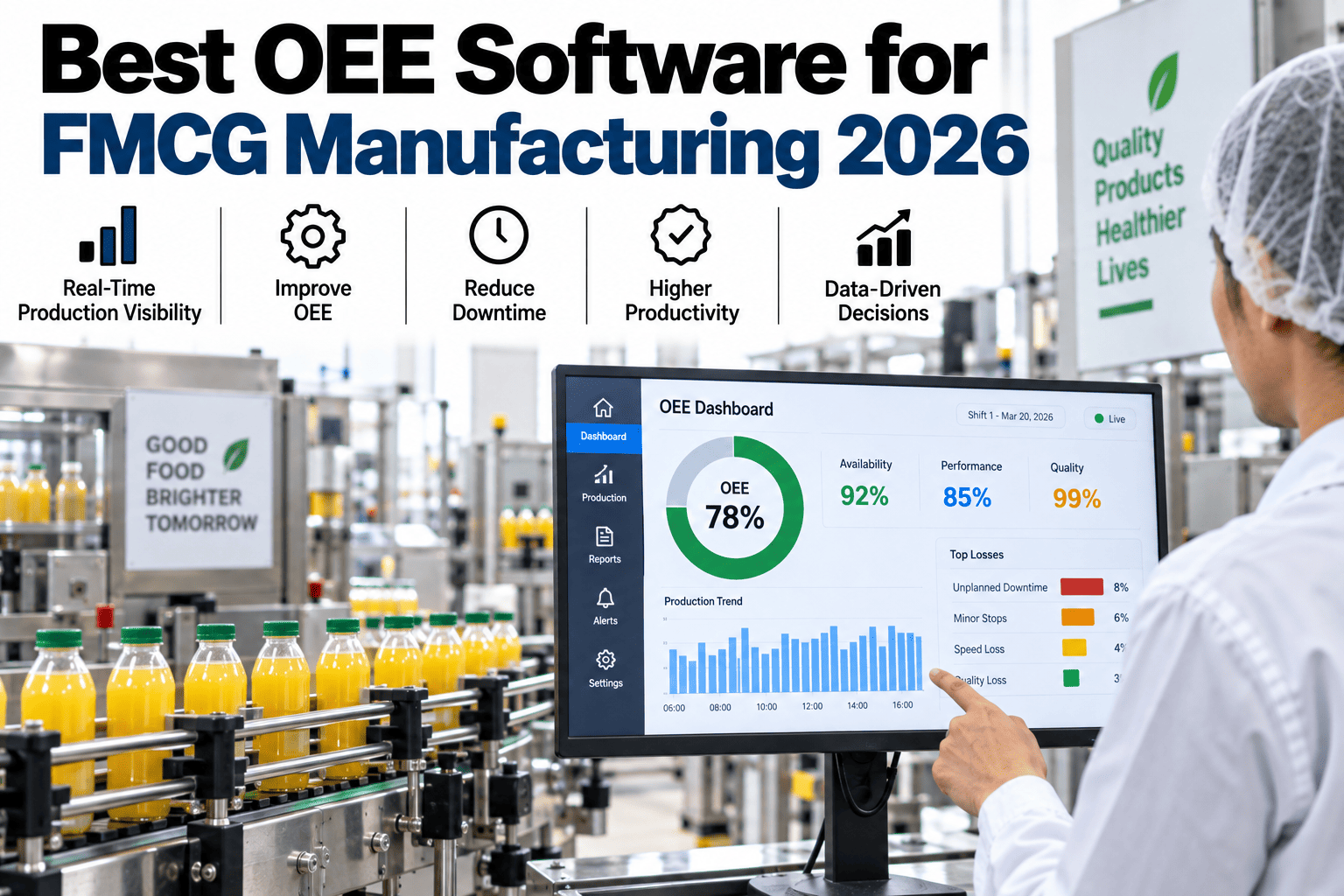
When a batch of product must be pulled from the market, every hour spent working out where it went adds cost and risk. Serialization gives each unit, case and pallet a unique identity, and track-and-trace systems record where each one has been. For FMCG brands, the benefits reach beyond recalls to authenticity checks and the detection of grey-market diversion. Most FMCG serialization is a voluntary business choice, unlike some regulated sectors, so the case needs to stand on its own. To explore it for your products, you can review a track-and-trace design with our team.
FMCG inventory and multi-location sync
Know Where Every Unit, Case and Pallet Has Been
iFactory AI links GS1 identifiers, packing aggregation and location events so brands can trace lots quickly and spot diversion early.
Identity from unit to pallet
UnitInner packCasePallet
Why serialiseFour Reasons Brands Invest in Traceability
Each reason has its own value, and brands often start with just one.
Faster recalls
Identify affected units and locations in hours instead of days.
Authenticity
Let partners and consumers check that a product is genuine.
Diversion control
Spot product sold outside intended markets.
Better data
Understand movement, ageing and loss across the chain.
Choosing the first goal sets the depth and cost of the programme.
The identity stackFive Layers of Product Identification Using GS1 Standards
Product identity
A Global Trade Item Number identifies the product.
Serial number
A unique serial distinguishes each unit of that product.
Lot and expiry
Batch and date data link units to production and shelf life.
Data carrier
A printed code such as a GS1 DataMatrix carries the data.
Logistic unit identity
A serial shipping container code identifies cases and pallets.
Standards matter because partners must read each other's codes. Using GS1 formats helps trading partners and systems work together.
Tracking depthChoose How Deep to Go
Lot-levelTrack batches, simple and low cost
Case-levelTrack cases with identifiers
Pallet-levelTrack pallets and aggregation
Unit-levelTrack every unit, highest cost and benefit
Many brands begin at lot or case level and add unit-level tracking only for high-value or high-risk products.
Find the Right Depth of Traceability for Your Products
Share your products, lines and partners and see how iFactory AI would match tracking depth to value and risk.
AggregationHow Units Link Into Cases and Pallets
1
Print and verify
Each unit gets its code, which is checked at line speed.
2
Pack into cases
Unit codes are linked to the case code.
3
Build pallets
Case codes are linked to the pallet code.
4
Ship and scan
Each movement updates where the pallet and its contents are.
Aggregation lets a single scan of a pallet stand for everything inside it. Errors in the link undermine the whole system, so verification matters.
Event dataWhat the System Records at Each Step
| Event | What it records | Typical capture point |
|---|
| Commissioning | A new code is assigned to a unit | Line printer and verification camera |
| Aggregation | Which units are in which case or pallet | Packing and palletising stations |
| Shipping | What left, when and to whom | Warehouse dispatch |
| Receiving | What arrived and where | Customer or distributor site |
| Exceptions | Missing, damaged or unexpected items | Any scan point |
Industry data standards such as EPCIS define how these events can be shared between partners.
Recall timelineWhat Traceability Changes in an Incident
Issue found
A quality or safety problem is confirmed
Lots identified
Affected lots and units are selected
Locations traced
Systems show where they went
Partners informed
Targeted notices go out
Without unit or case data, teams often over-recall to be safe, which costs more. Better data allows more precise action.
Before and afterWhat Better Data Does to Recall Effort
Illustrative comparison of two approaches. Real results depend on data completeness.
Lot-level paper records
Time to locate affected stock
Serialised and aggregated
Time to locate affected stock
Value and riskMatch Depth to Product Value and Counterfeit Risk
Product profile
High counterfeit or diversion risk
Low risk
High value
Unit-level tracking
Strong case for deep tracking
Case-level tracking
Moderate depth is often enough
Lower value
Lot-level plus checks
Add targeted checks
The matrix is a starting point. To test your portfolio, ask our team for a serialization business case outline.
Practical challengesFive Issues Brands Face
1
Line speed
Printing and verifying codes on fast lines needs reliable equipment.
2
Print quality
A code that cannot be read is worse than none.
3
Master data
Product identifiers must be right and consistent.
4
Partner readiness
Distributors and retailers must be able to scan and share data.
5
Data volume
Unit-level data grows quickly and needs governance.
Who is involvedShare Ownership Across the Business
Quality and regulatory
We define what must be traceable.
Operations
We keep printing, verification and packing running.
IT and data
We store, secure and share the event data.
Commercial and partners
We agree scanning and data sharing with customers.
RolloutThree Phases From Pilot Line to Network
Phase 1
Choose one product and line, set the depth and install printing and verification.
Phase 2
Pilot aggregation and event capture with one distribution partner.
Phase 3
Extend to more products and partners and refine reports.
Goal and tracking depth agreed
GS1 identifiers assigned and master data clean
Printing and verification tested at line speed
Aggregation process documented
Event data design agreed with partners
Exception handling process defined
Recall drill completed with real data
Owner named for data quality
Expert reviewWhat a Product Integrity Director Would Check First
Serialization succeeds when the goal is clear and the basics are right. Clean master data, readable codes and reliable aggregation matter more than advanced dashboards.
Verdict
Strong when depth matches value and partners can scan the codes.
Watch for
Programmes that print codes but never test a real recall.
Do next
Pilot one product and run a mock recall to see how fast you can trace it.
Frequently asked questionsWhat FMCG Brands Ask About Serialization and Track-and-Trace
Is serialization required for FMCG?
For most FMCG categories it is a voluntary business decision, although some regulated products have specific rules. Check what applies to your products and markets, and justify any programme with clear benefits.
Review requirements for your products.
What does GS1 give us?
GS1 provides common identification and data standards, so codes and event data can be read by partners and systems. It reduces custom work between companies.
Ask about applying GS1 standards.
What is aggregation and why is it hard?
Aggregation links unit codes to cases and cases to pallets. It is hard because packing must be tracked precisely at speed, and any mistake breaks the link. Verification and good process control help.
Discuss aggregation design.
How deep should tracking go?
Match depth to value, risk and the cost of recalls. Many brands start with lot or case level, then add unit-level tracking for products where authenticity or diversion matters most.
Ask about tracking depth.
How do we prove it works?
Run a mock recall and time how long it takes to locate affected stock, then compare with your current method. Review diversion cases and data completeness.
Plan a mock recall.
Know where it went
Trace Every Lot, Case and Pallet With Confidence
Book a session with iFactory AI to choose your tracking depth, plan GS1 identifiers and design a pilot that proves the value of faster, more precise traceability.