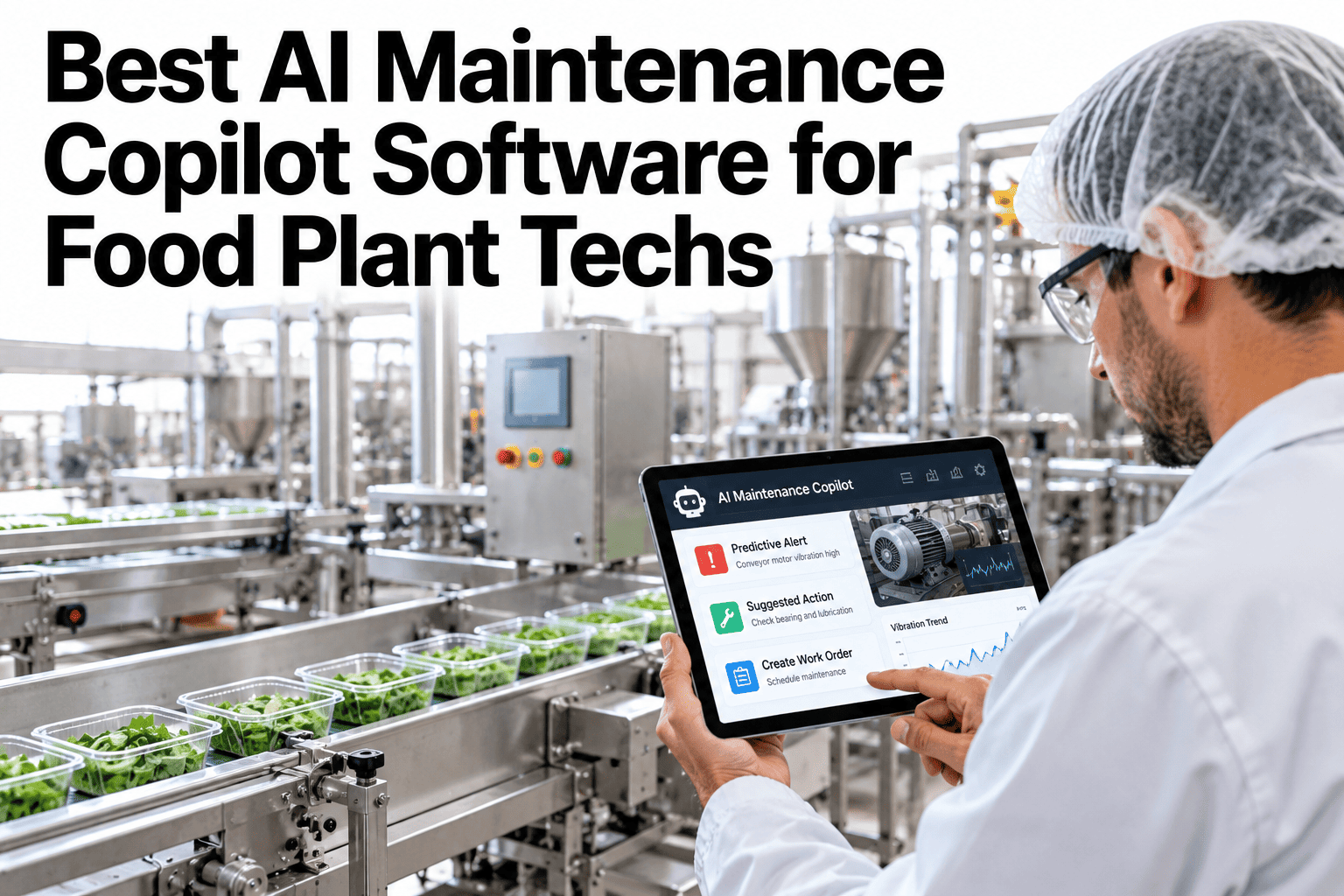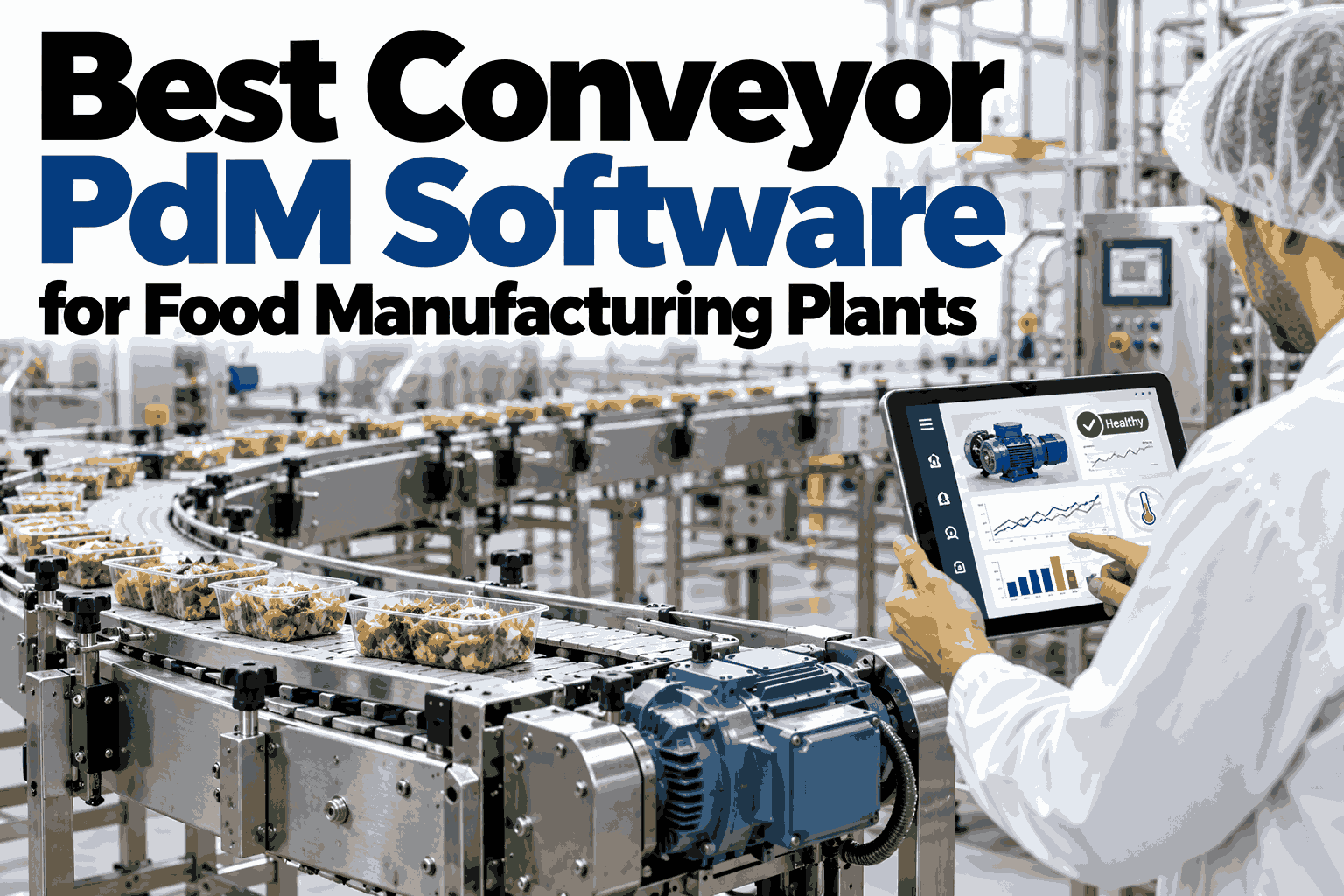
The person who knows exactly why the number-two filler acts up every time humidity rises is usually one retirement or one resignation away from taking that knowledge with them, because it was never written down anywhere a new technician could search. Most food plants run on exactly this kind of tribal knowledge — real, valuable, and entirely dependent on specific people staying around. An AI knowledge base that makes every past fix, OEM manual and expert note searchable breaks that dependency. Maintenance leaders who want to see their own scattered knowledge pulled into one searchable place can review a knowledge base build against their current documentation with iFactory AI.
Knowledge Should Outlast the Person Who Learned It the Hard Way
iFactory AI pulls past fixes, OEM documentation and informal expert notes into one searchable knowledge base, so new technicians don't have to relearn what a departing veteran already knew.
Where Maintenance Knowledge Actually Lives Today
In most plants, the real knowledge about how to fix a specific machine is spread across several places that never talk to each other — a technician's memory, a stack of OEM manuals nobody opens, a handful of sticky notes on a control panel, and scattered comments buried in old work orders.
What Changes When Knowledge Is Centralized and Searchable
See How Much of Your Knowledge Is Actually Captured Today
Walk through a few common fixes on your floor and see how much of that knowledge exists only in someone's head right now.
How Knowledge Actually Gets Captured Without Adding Paperwork
A Composite Scenario: The Fix That Almost Left With Its Author
A plant's most experienced technician had developed a specific sequence for resetting a notoriously finicky CIP skid, a method he had refined over years but never written down anywhere official. When he put in his retirement notice, the maintenance manager realized nobody else had ever watched him do the full sequence, and the skid's manual did not cover the actual quirk he had learned to work around. Capturing his explanation as a short voice note before he left, and indexing it against that specific asset and symptom, meant the next technician who hit the same issue found the fix in a search rather than starting from zero — a capture process iFactory AI's team can help set up before your own next retirement or departure.
What Makes a Knowledge Base Actually Get Used
A knowledge base that technicians have to leave their workflow to search rarely gets used consistently, no matter how complete its content is. Surfacing relevant past fixes directly within the work order a technician is already looking at, tied to the specific asset and symptom in front of them, is what turns a reference library into something people actually reach for during a repair.
Frequently Asked Questions
Make Sure Your Plant's Knowledge Doesn't Walk Out the Door
iFactory AI turns scattered manuals, past fixes and expert notes into one searchable knowledge base. Book a walkthrough with your own documentation.