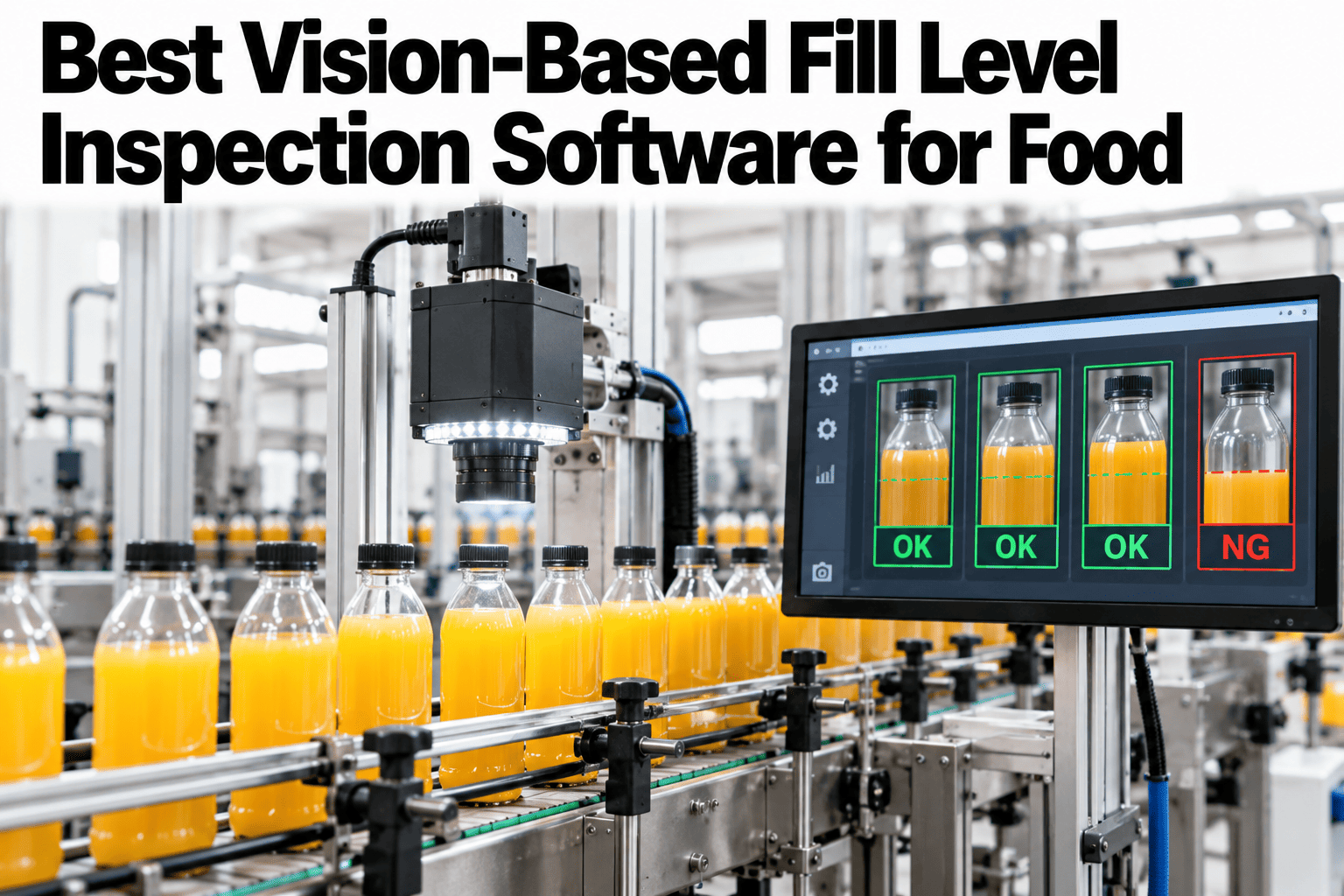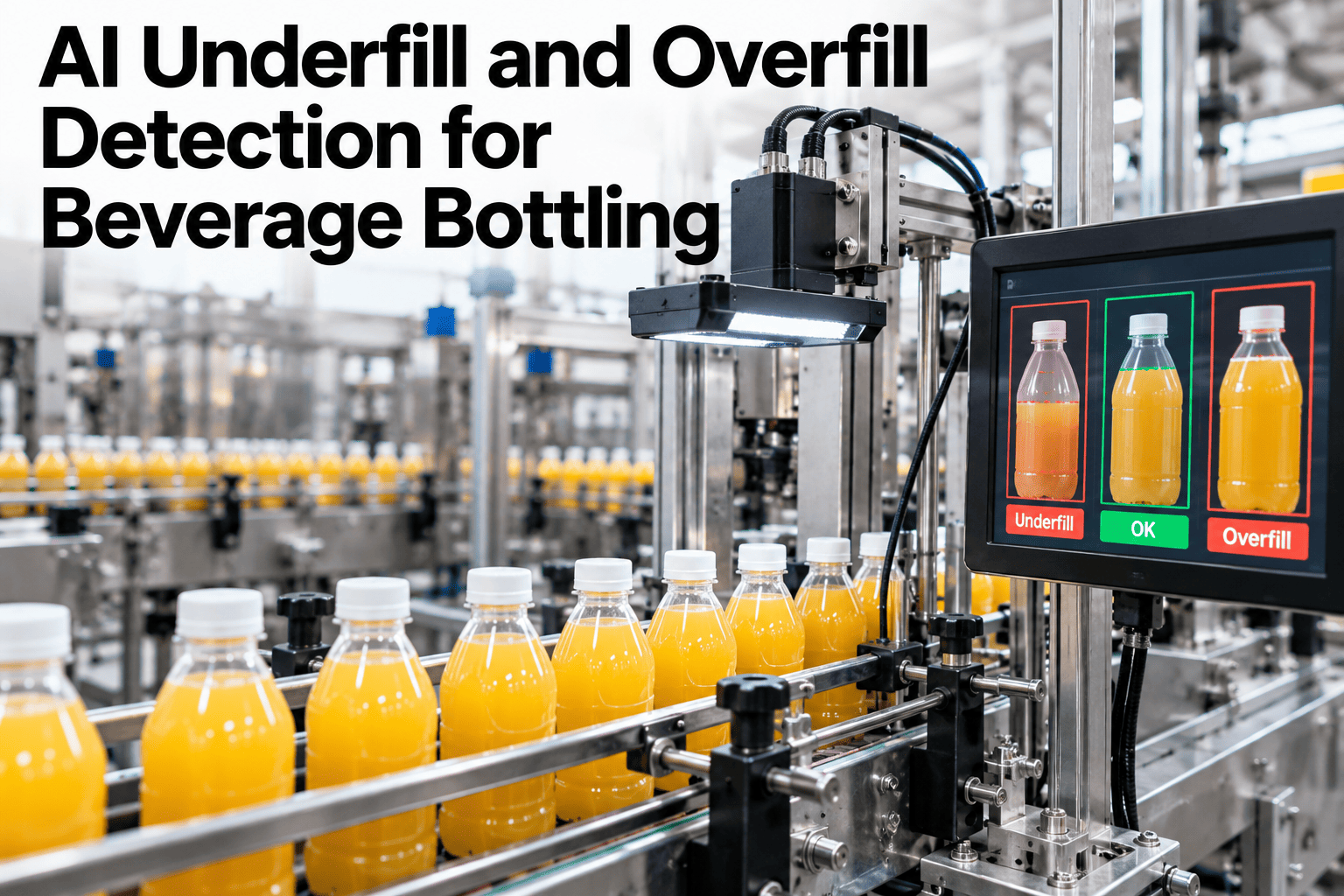
A filler head drifting half a millimeter off target does not look like a problem on the line, it looks like normal operation, right up until a case of underfilled bottles reaches a retail shelf or a case of overfilled ones starts costing real money in product given away for free. Spot-checking a sample every so often catches the dramatic outlier but misses the gradual drift that costs more over a shift than any single bad bottle ever could, and by the time a manual check happens to catch it, dozens of cases have usually already left the line. See fill-level detection running at your own line speed.
Catch the Drift, Not Just the Outlier
iFactory AI measures fill level on every bottle at line speed and feeds the result back into the SPC loop for real-time filler head tuning.
Spot-Checks Miss the Drift That Costs the Most
A sample pulled every fifteen minutes can catch a filler head that has clearly failed, but it has no chance of catching a head gradually drifting a few tenths of a percent off target across the hours in between, and that slow drift, multiplied across every bottle filled during the gap between checks, usually costs a plant more in giveaway or compliance risk than the rare dramatic failure a spot-check is actually built to catch.
Fill Range by Bottle Size
Acceptable fill tolerance differs by container size and product, and detection is calibrated to each one individually.
| Bottle Size | Typical Tolerance | Giveaway Risk if Drifted |
|---|---|---|
| Single-serve (500ml) | Tight, small absolute volume | Moderate per-unit, high at volume |
| Standard (1L-2L) | Moderate, standard SPC band | High per-unit giveaway if overfilled |
| Multi-pack (mini cans/bottles) | Tight, cumulative effect across pack | Compliance risk at underfill |
Measure Every Bottle on Your Own Line
Book a 30-minute session and see fill-level detection and SPC feedback running at your own line's actual speed.
From Measurement to Filler Tuning
Fill measurement only creates value once it closes the loop back to the equipment actually controlling fill level.
Rolling Out on the Bottling Line
iFactory AI connects vision or sensor-based fill measurement to the line, feeding results into your existing SPC system.
Expert Review
The real value of a 100 percent inline fill check usually shows up in the giveaway reduction before it shows up in a reduced defect rate, since most spot-checked lines are already catching outright failures; the win is in tightening the fill distribution around target rather than letting it drift wide between checks.
Frequently Asked Questions
What fill measurement method does this use?
Measurement method depends on the product and container, typically vision-based level detection or a sensor-based approach, calibrated to what works best for your specific line. Support can confirm the right method for your line.
Does this work at full production line speed?
Yes, measurement is designed to run inline at your line's actual speed rather than requiring a slowdown or a sampled subset of bottles.
Can this identify which specific filler head is drifting?
Yes, fill readings are tracked per head on multi-head fillers, so a drifting head is identified individually rather than only showing up in a plant-wide average. See per-head tracking on a call.
Does this integrate with our existing SPC software?
Yes, fill data feeds into your existing SPC system rather than requiring a separate standalone dashboard for fill monitoring.
Can this work across multiple bottle sizes on the same line?
Yes, tolerance bands are configured per bottle size and product, so the same line can switch between formats while fill detection adjusts automatically. Ask support about multi-format configuration.
Tighten the Fill Distribution, Not Just Catch the Outliers
iFactory AI measures fill level on every bottle and feeds the SPC loop for real-time filler tuning. Book a demo on your own bottling line.