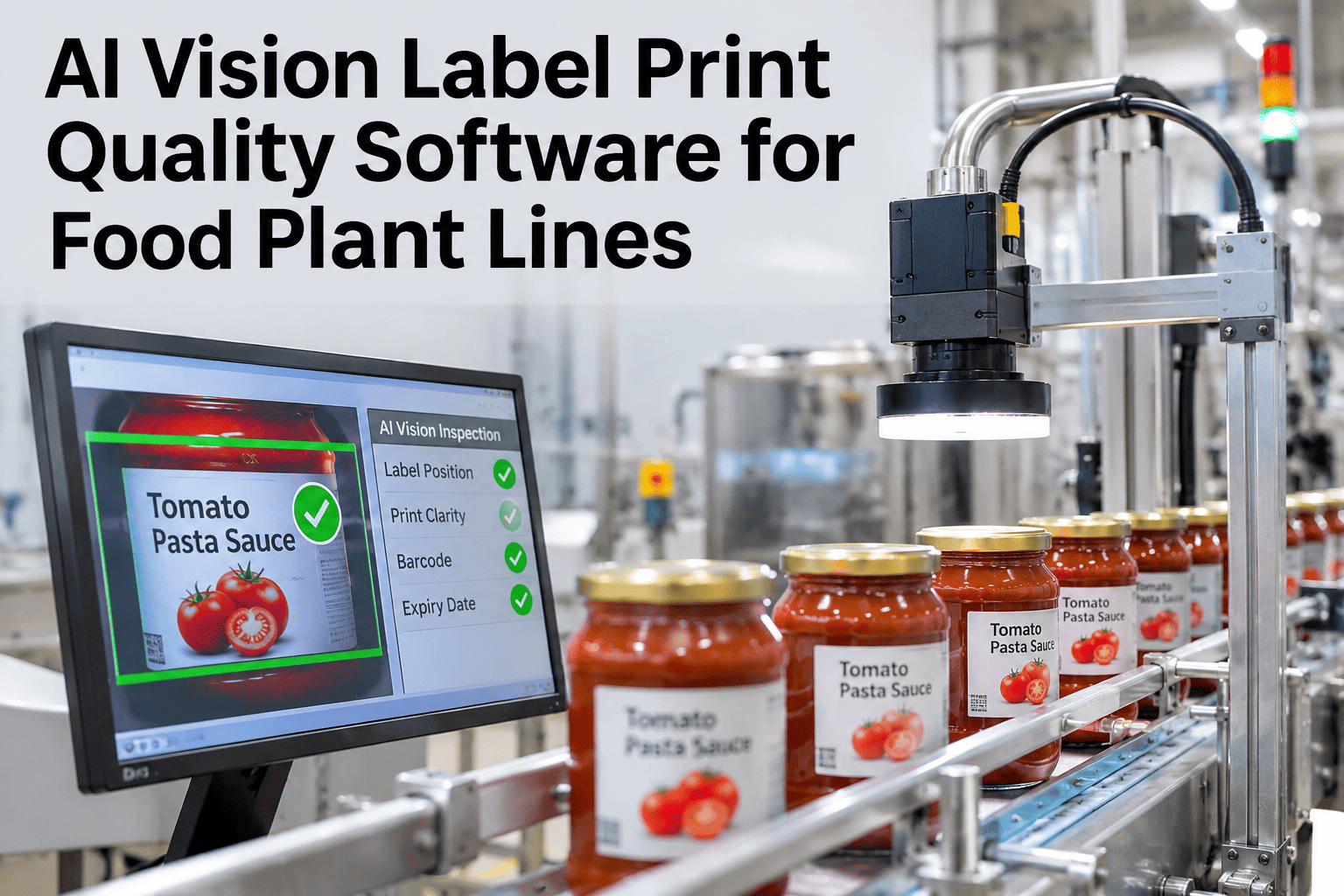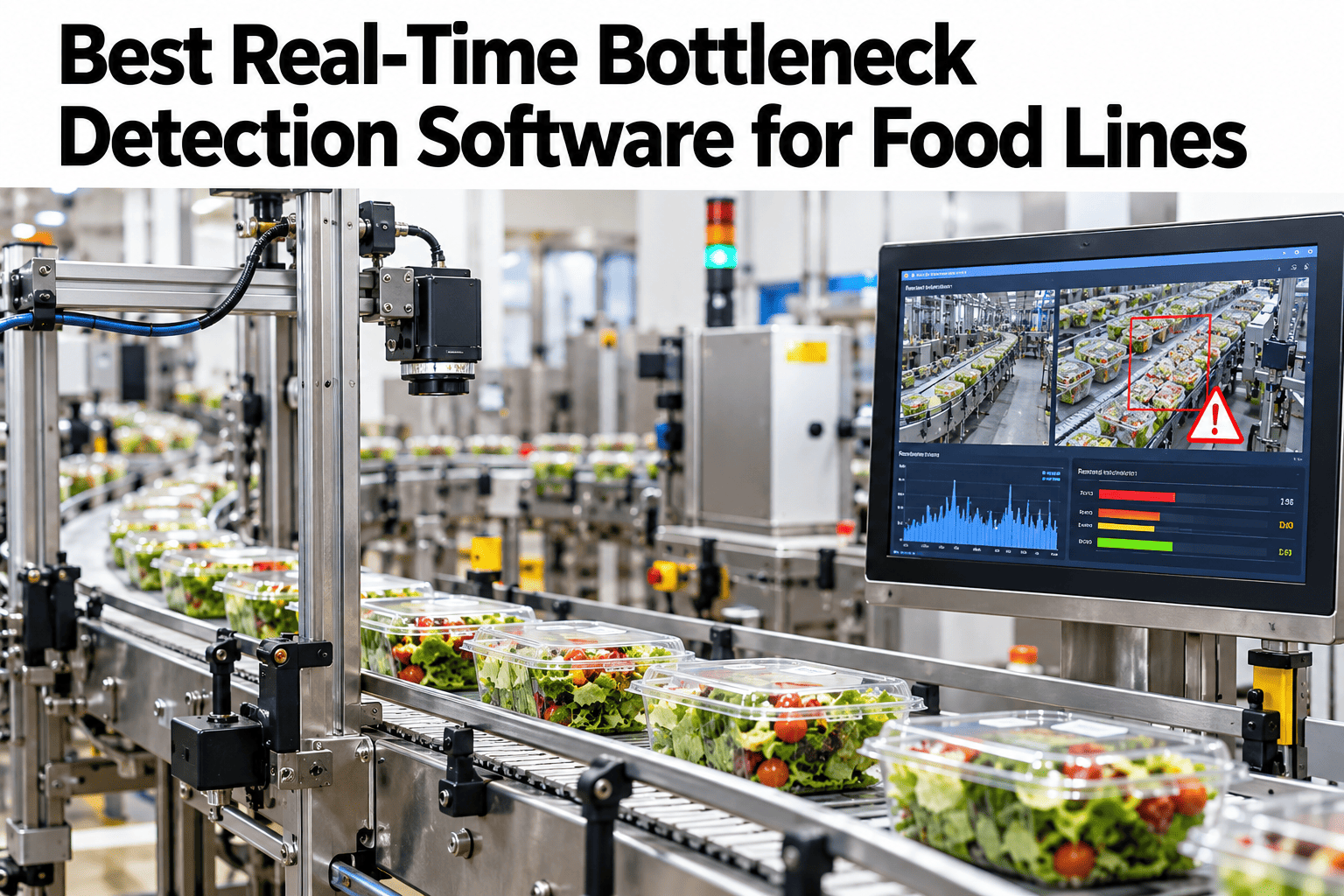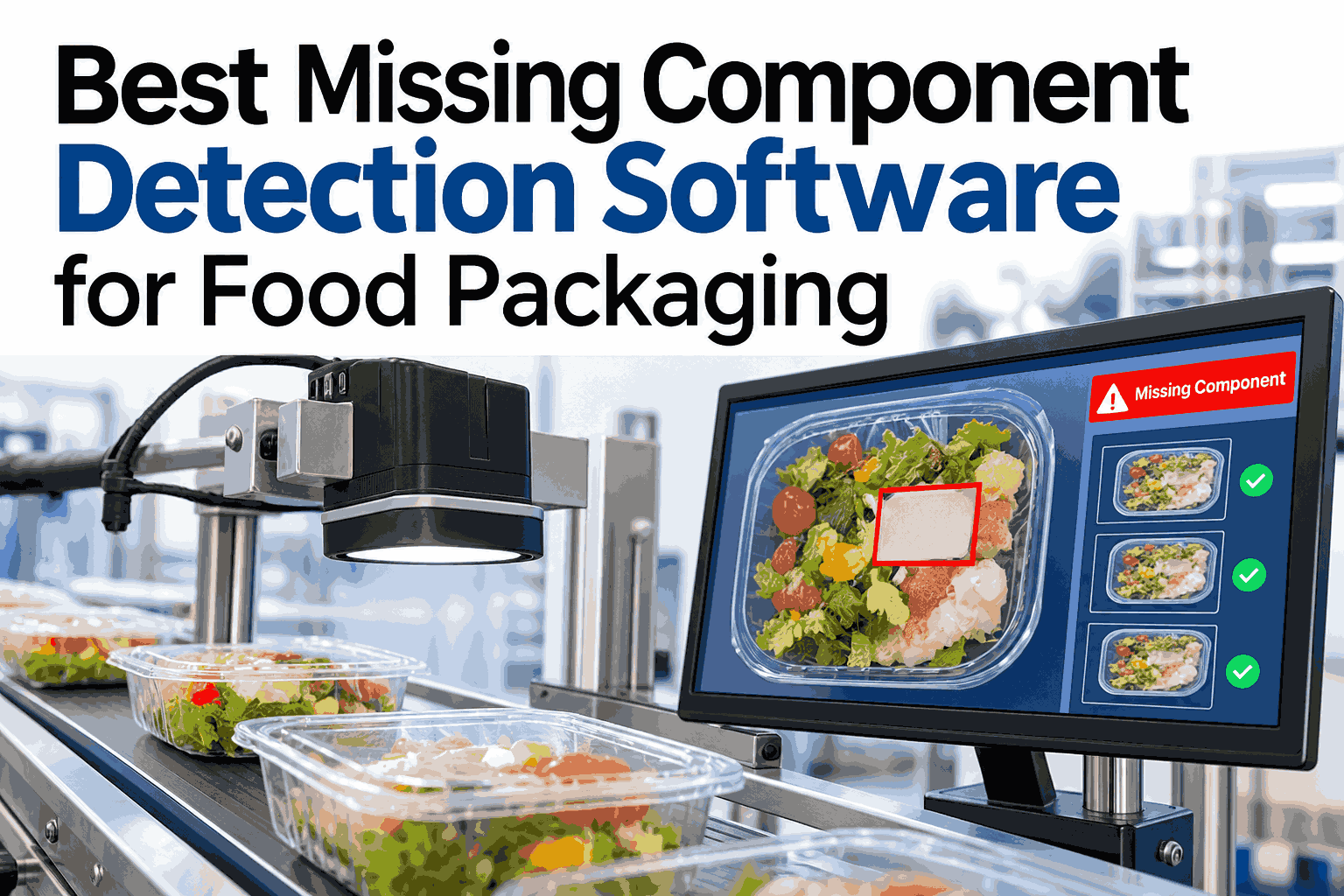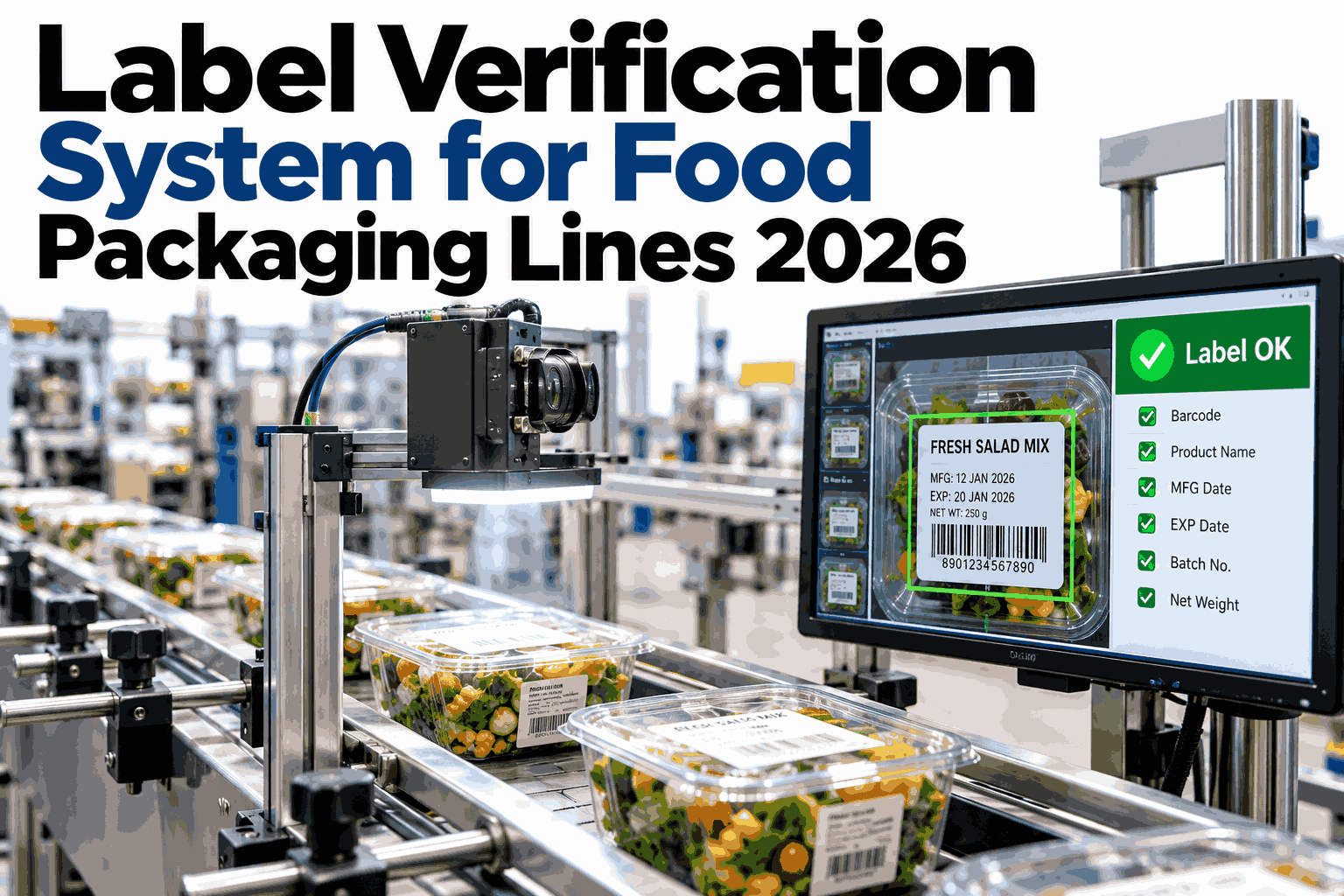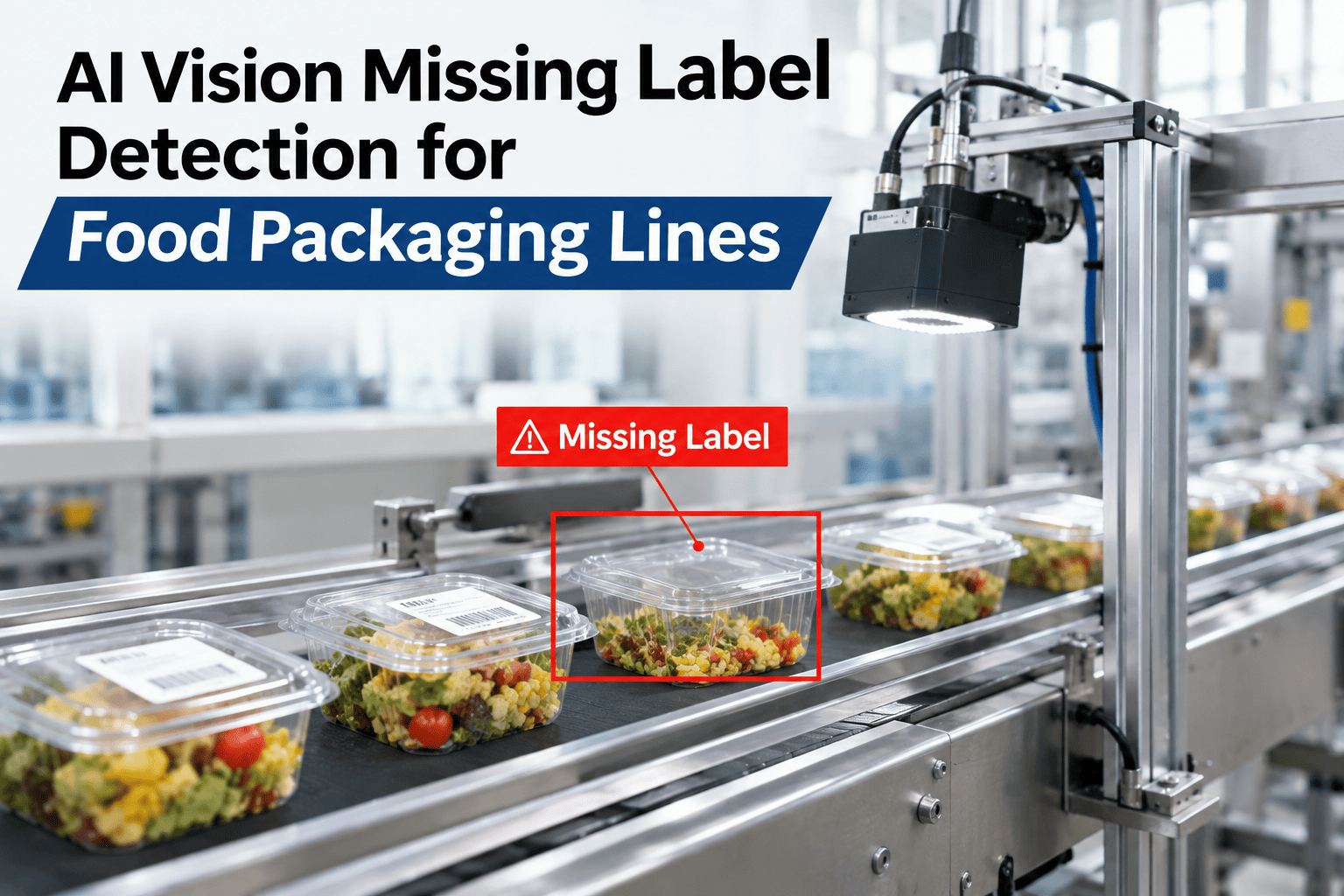
A missing label on a food package is a compliance failure, a traceability gap, and a customer experience problem — all at once. It means a product without an ingredient declaration, an allergen warning, or a best-before date has left the inspection point. At 400 packages per minute, a human checker cannot catch every missing label on every container on every pass. And a product with no label that reaches a retailer triggers a recall conversation that no quality manager wants to have on a Monday morning. iFactory AI, an on-premise AI vision platform for food manufacturing, deploys a camera system that inspects every package on the line — front label, back label, neck label — at full production speed, with no line slowdown and no manual sampling. Every missing label is caught, rejected, and logged with a timestamp and camera image before the product leaves the inspection zone. Teams that want to see this running on their packaging line can book an AI label detection demonstration with iFactory AI's vision team.
Front, Back and Neck Labels Confirmed on Every Package at 400 Per Minute — No Manual Sampling
iFactory AI deploys an on-premise AI vision system that confirms label presence, position, and orientation on every package at full production speed — catching missing, skewed, and misapplied labels before they reach the packing case.
Why Human Label Inspection Fails at Production Speed
At 400 packages per minute, a human checker has 150 milliseconds to look at each package, assess front and back label presence, check orientation, and flag a reject. That is not enough time for reliable detection — particularly for subtle defects like a label applied at a slight angle, a label that is present but has lifted at one corner, or a neck label that has partially wrapped but left a gap. The result is a statistical miss rate that most food plants have never formally measured because the measurement itself would be uncomfortable.
How iFactory AI Vision Detects Missing and Misapplied Labels
iFactory AI's label detection system uses trained deep learning models that have learned what a correctly applied label looks like on each container type and label position in your packaging configuration. The model does not look for the absence of a label — it actively confirms the presence of a correctly applied label and flags anything that does not match.
Inspect Every Label on Every Package — Without Slowing the Line
iFactory AI deploys on-premise AI vision for 100% label inspection at full production speed — no sampling, no manual checking, full audit trail for every package.
Label Detection Performance: What to Expect at Different Line Speeds
AI vision label detection accuracy depends on camera resolution, lighting design, line speed, and container format. The table below gives reference performance ranges for typical food packaging configurations.
| Line speed | Container type | Label positions | Detection accuracy | Camera configuration |
|---|---|---|---|---|
| Up to 200 ppm | Rigid bottle / jar | Front + back | >99.8% | 2 cameras, fixed mount |
| 200–400 ppm | Rigid bottle / jar | Front + back + neck | >99.5% | 3–4 cameras, strobed LED |
| Up to 300 ppm | Flexible pouch / sachet | Front panel + back panel | >99.3% | 2 cameras + backlight |
| Up to 150 ppm | Can / tin | Wraparound label | >99.6% | Rotating stage + 1 camera or 3 cameras |
| Up to 400 ppm | Carton / box | Top, front, side panels | >99.7% | 3 cameras, overhead + side |
Wrong Label Detection: The Most Critical Use Case
Wrong label detection — confirming that the applied label matches the current production SKU — is the most food-safety-critical capability in label inspection. It addresses the scenario where a label change was initiated but completed incorrectly, leaving packages with a previous SKU's allergen declaration or nutritional information.
Teams that want to understand how wrong-label detection integrates with their ERP production order system can ask iFactory AI's support team about production order-linked label verification.
Frequently Asked Questions
How does the AI vision system handle label variation within the same SKU (different print dates, batch codes)?
The AI model is trained to confirm label structure and layout — the fixed elements (brand, allergen zone, nutritional table position, barcode location) — rather than reading variable data like batch codes or best-before dates. Variable data like codes is confirmed separately by an integrated OCR check that reads the specific text from the designated field. This means a label with a new batch code passes visual inspection while the OCR module confirms the code is correctly printed and present. See how OCR and AI vision work together in a label inspection walkthrough.
What happens to rejected packages — are they automatically removed from the line?
Yes. iFactory AI sends a reject signal to an automated reject mechanism — typically a pusher, diverter gate, or air blast — timed to the specific package's position on the conveyor at the moment of rejection. The rejected package is diverted to a reject lane or bin and cannot re-enter the main conveyor without manual review and re-inspection. Every rejection is logged with the defect image, timestamp, and defect type — so the reject bin contents are always traceable. Ask about reject mechanism integration for your conveyor configuration.
How long does it take to train the AI model for a new SKU or label design?
For a new SKU with the same container format and label position as an existing trained SKU, adding the new label to the inspection system typically takes 2–4 hours: load the new label reference image, run 20–50 test packages through the system, and confirm detection accuracy. For a completely new container format or label position, a full training run on 200–500 labeled images takes 1–3 days. iFactory AI's on-premise deployment means retraining runs on your NVIDIA server without cloud submission delays. Review the SKU addition workflow for your label format.
Can the system detect a label that is correctly applied but has incorrect content printed on it?
AI vision confirms label presence, position, and structural layout match. Reading the specific content of variable fields — batch codes, best-before dates, allergen text — requires OCR integrated alongside the vision inspection. iFactory AI's packaging inspection platform includes both modules: vision for structural presence and position, OCR for text content verification. Together they confirm both "is the right label applied correctly?" and "does the label have the correct information printed on it?" Ask about the combined vision + OCR configuration for your label inspection requirements.
What food safety certifications does AI vision label detection support?
iFactory AI's label detection module generates a full inspection audit trail — every package inspected, every result, every reject image, every rejection confirmed — that satisfies the 100% inspection documentation requirements of SQF Edition 9, BRC Global Standard Issue 9, IFS Food Version 8, and FDA labelling compliance programmes. The audit trail is stored on-premise with configurable retention and is exportable in PDF and CSV formats for audit submission. Review how the audit trail satisfies your specific certification requirements.
Never Ship an Unlabelled Package Again
iFactory AI deploys on-premise AI vision that inspects every label on every package at full production speed — with wrong-label detection, full audit trail, and automatic rejection of every non-conforming package.