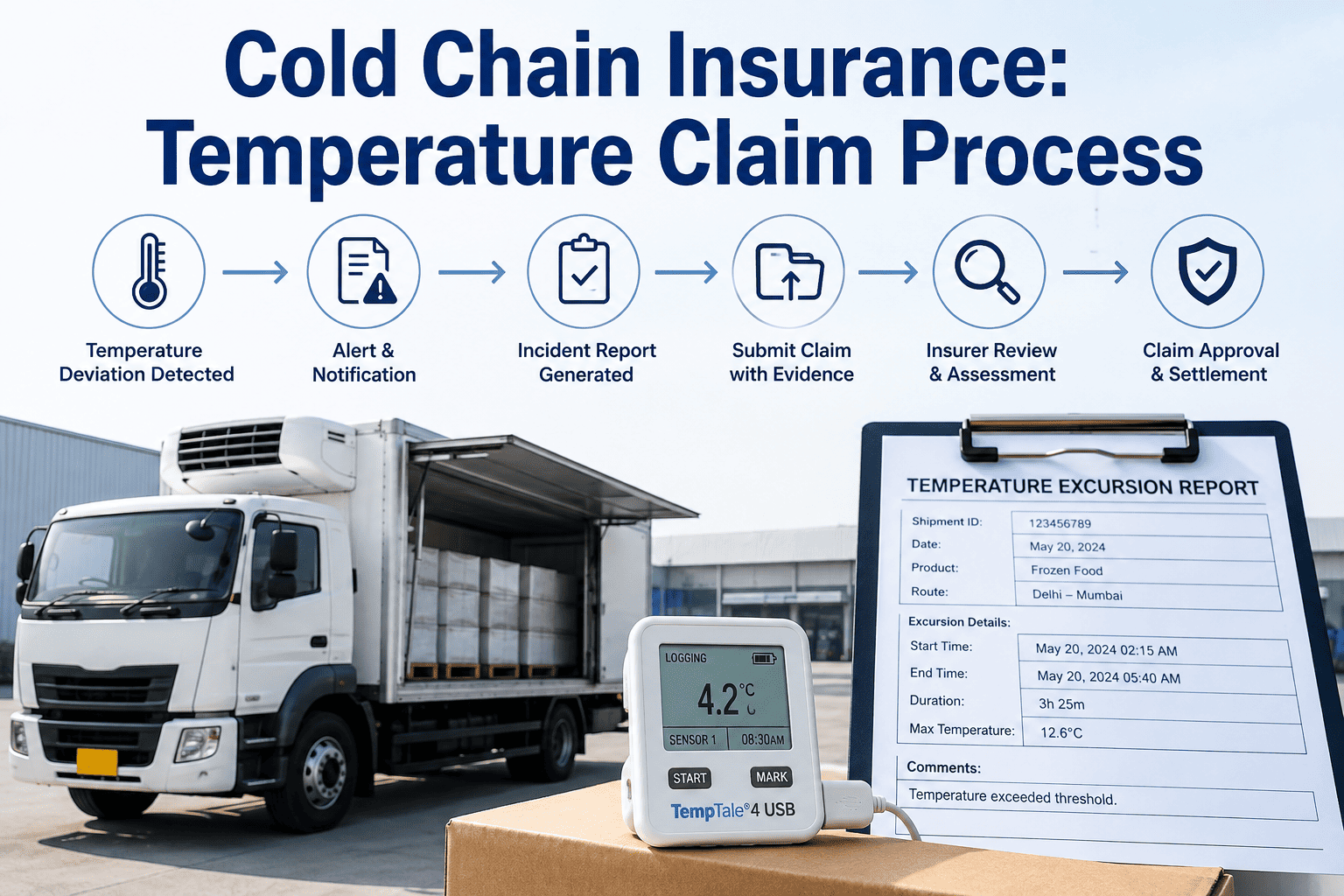
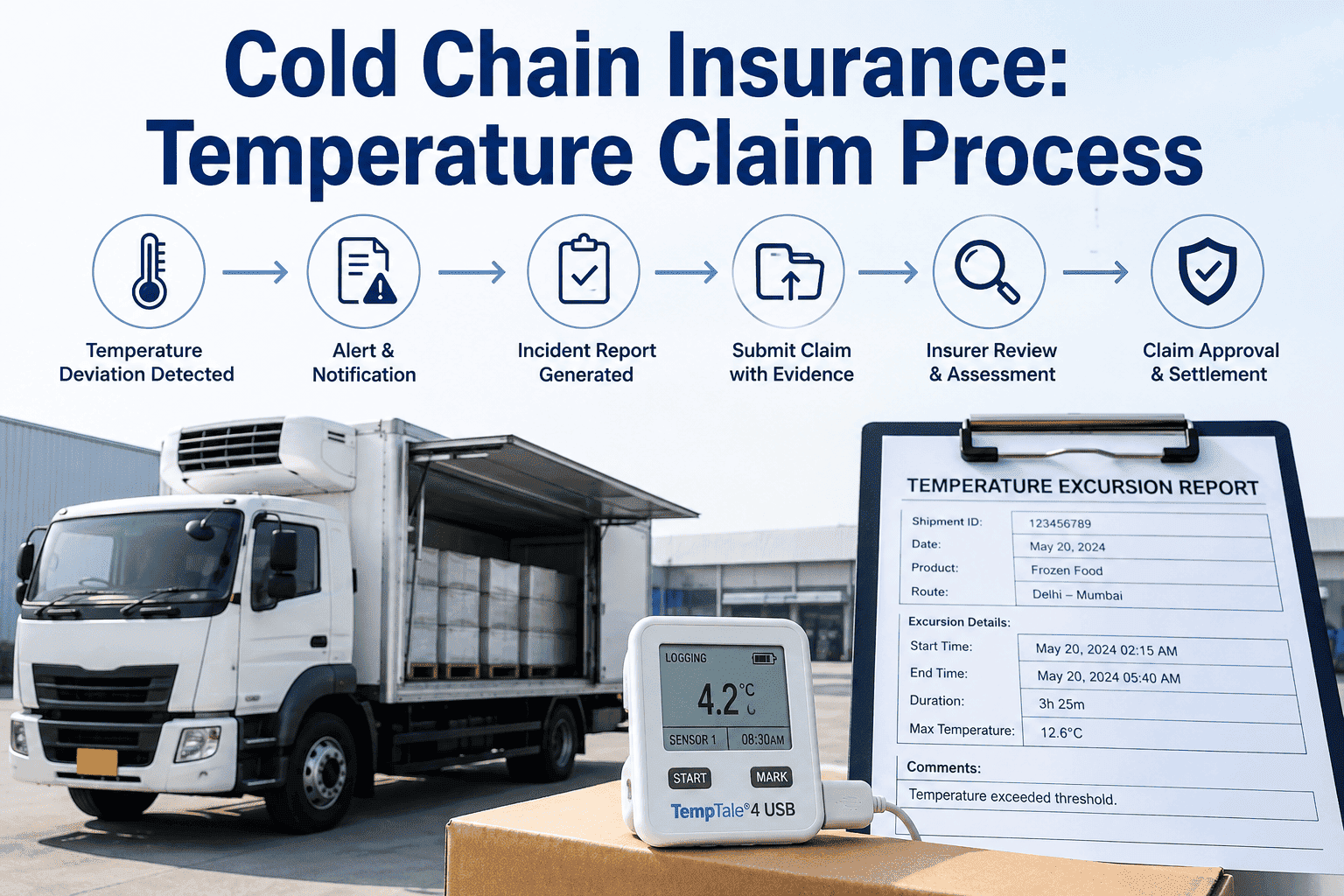
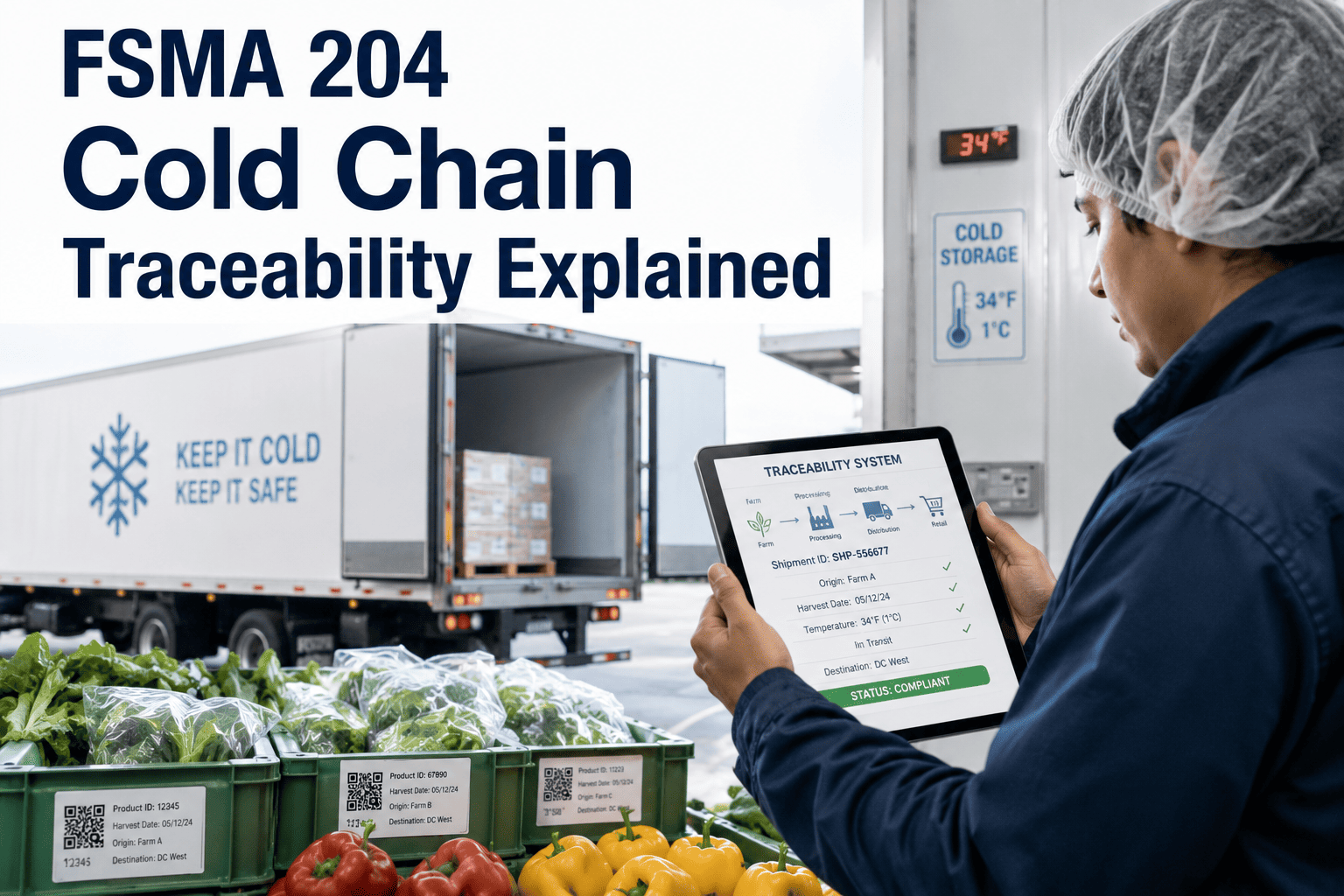
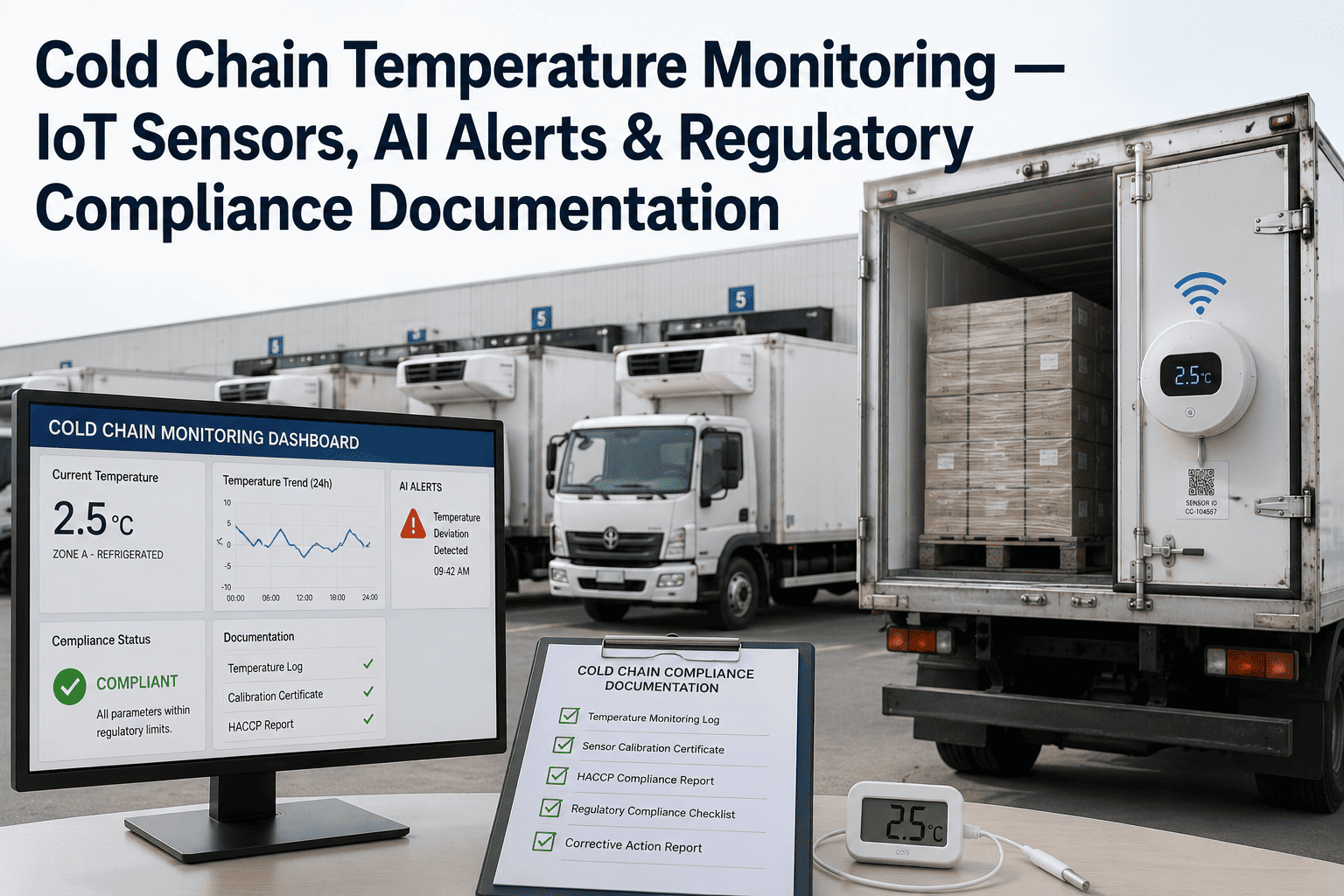
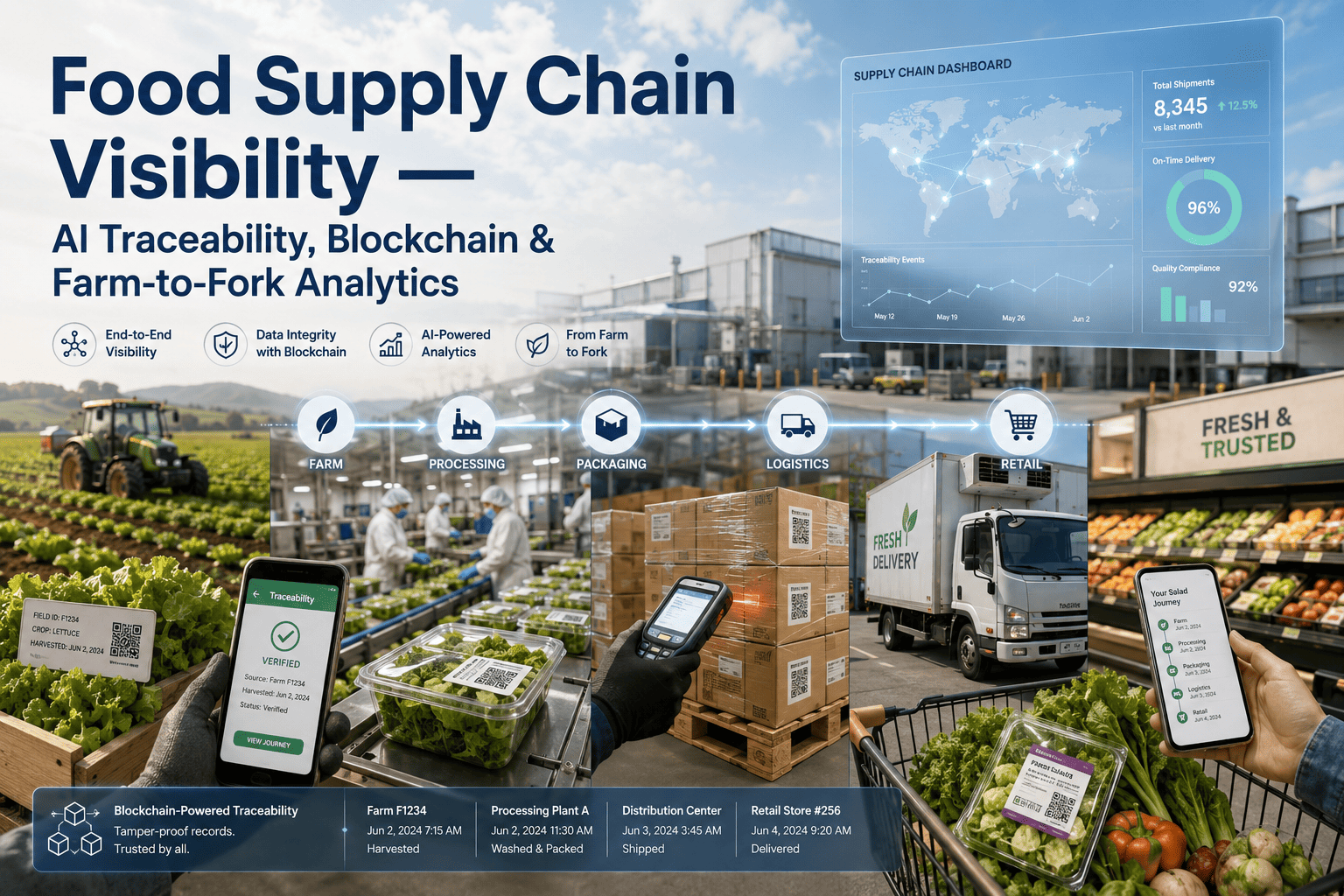
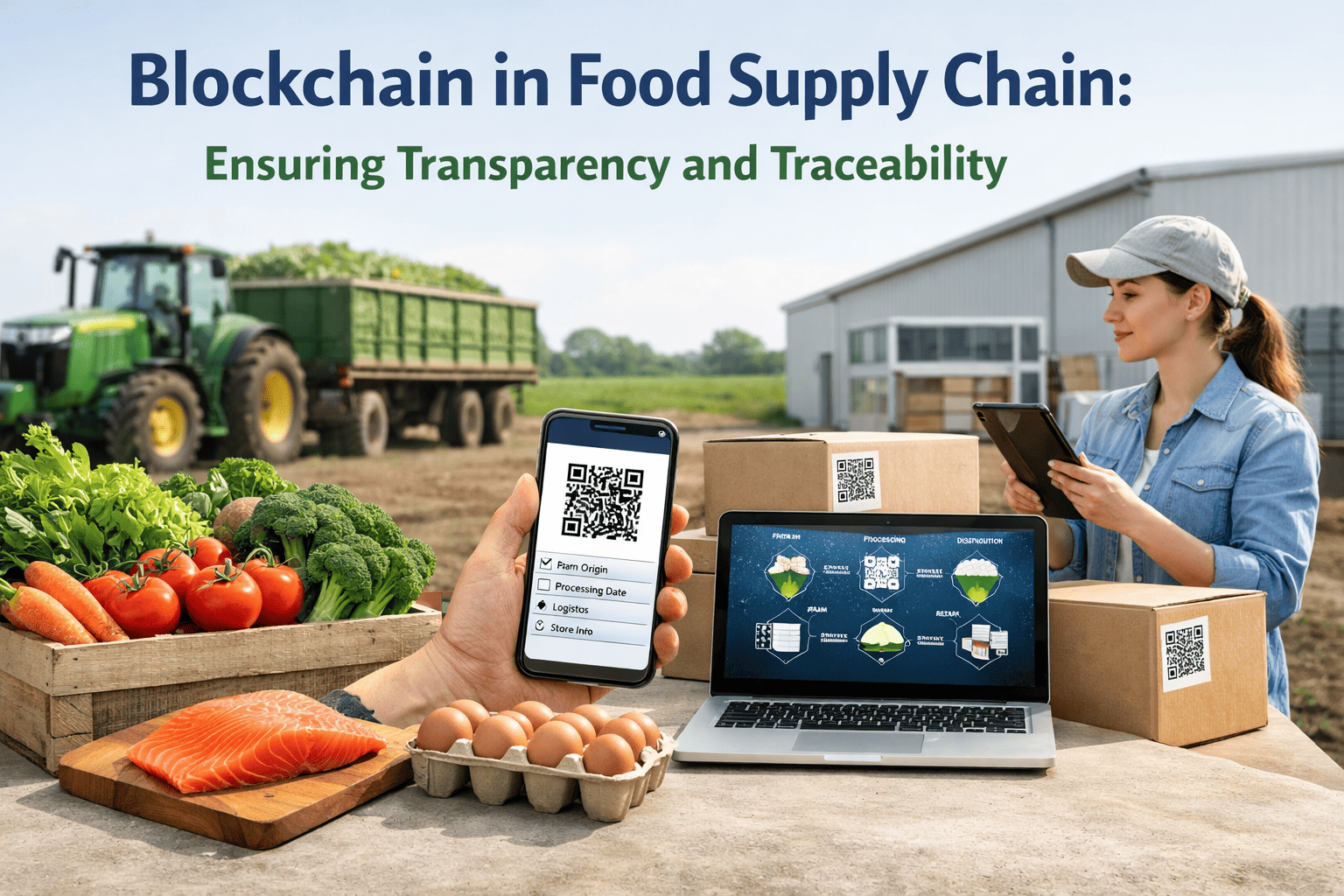
A single altered timestamp on a temperature log can unravel an entire cold chain claim, and it happens more often than most food safety teams admit — not always through fraud, but through spreadsheets that get "corrected" after the fact when a number looks inconvenient. Blockchain-based cold chain records solve a problem that better sensors alone cannot: proving that a temperature log was never touched after it was written. iFactory pairs continuous cold chain monitoring with an immutable ledger layer, so every reading is both accurate and provably untampered, detailed further at iFactory support.
Distributed Ledger Cold Chain · Food & Beverage
Cold Chain Blockchain: Records That Cannot Be Quietly Edited After the Fact
iFactory writes every cold chain temperature reading to an immutable ledger the moment it's captured, giving regulators, insurers, and customers a record that cannot be backfilled or altered.
How a Reading Becomes an Immutable Record
From Sensor to Ledger in Five Steps
3
Hashed & Written to Ledger
4
Smart Contract Checks Threshold
5
Alert or Record Confirmed
Why Regular Digital Logs Fall Short
The Gap Between "Digital" and "Tamper-Proof"
Editable Databases
Most cold chain software stores readings in a standard database where a row can be edited or deleted by anyone with admin access, leaving no trace of the original value.
Disputed Timestamps
When a claim or audit hinges on exactly when a threshold was crossed, a database timestamp alone rarely satisfies a skeptical counterparty without independent verification.
Multi-Party Trust Gaps
A shipment passing through a grower, a carrier, and a distributor means three separate record systems, each trusting the others' data with no shared source of truth.
A Temperature Record Is Only as Strong as Its Ability to Withstand a Dispute
Immutable ledger records hold up under regulatory review, insurance claims, and customer audits in a way an editable spreadsheet never will.
Core Capabilities
What the Ledger Layer Actually Does
Smart Contract Alerts
Threshold breaches trigger an automatic, ledger-recorded alert the instant a reading crosses a defined limit, with no manual step in between.
Multi-Party Visibility
Growers, carriers, and distributors can each view the shared ledger for a shipment without needing access to each other's internal systems.
Regulatory-Grade Export
Records export in formats built for FSMA and customer audit reviews, with the underlying hash available to prove nothing was altered.
Cross-Chain Traceability
A single shipment's full temperature history stays linked from origin to final delivery, even as custody changes hands multiple times.
Standard Digital Logs vs. Ledger-Backed Records
What Changes When Records Can't Be Edited
Factor
Standard Digital Log
iFactory Ledger Record
Editability
Rows can be changed by anyone with admin access
Written once, hashed, and permanently locked
Dispute Resolution
Relies on trusting whoever controls the database
Independently verifiable by any party on the ledger
Multi-Party Access
Requires custom integrations between each party's system
Shared ledger view available to all authorized parties
Threshold Response
Alerts depend on someone checking the dashboard
Smart contract fires automatically and is recorded on-chain
Under the Hood
What Actually Gets Written to the Ledger, and Why It Matters
Not every piece of shipment data needs to live on a distributed ledger, and treating the whole dataset as equally sensitive is a common design mistake in early cold chain blockchain deployments. The records that matter most for tamper-proofing are the ones most likely to be disputed later: the temperature reading itself, the exact timestamp it was captured, the sensor identifier, and any threshold breach event along with the response taken. Metadata like shipment routing notes or internal operational comments can stay in a conventional database layer, referenced by the ledger record but not consuming ledger write capacity unnecessarily. This layered approach keeps the system fast and cost-efficient while still guaranteeing that the specific data most likely to matter in a dispute — what the temperature actually was and when — carries the full weight of an immutable, cryptographically verifiable record. Each ledger entry is hashed and linked to the previous entry for that shipment, so any attempt to alter a historical record would break the chain of hashes and be immediately detectable by any party reviewing the ledger.
Where the Industry Is Headed
Blockchain Traceability Is Moving From Pilot to Expectation
Retailer Requirements
Several major retailers now request blockchain-verifiable traceability data from suppliers in specific high-risk categories, particularly leafy greens and seafood, following well-publicized recall investigations that took days to trace back through paper records.
Regulatory Momentum
FSMA 204 traceability requirements for high-risk foods are pushing the industry toward faster, more granular recordkeeping, and immutable ledger records are well suited to meeting that bar without manual reconciliation.
Insurance & Financing
Some cargo insurers and trade finance providers now offer more favorable terms to shippers who can demonstrate tamper-proof temperature documentation, treating it as a measurable risk-reduction factor.
Frequently Asked Questions
Cold Chain Blockchain — Common Questions
Does this require our whole supply chain to adopt blockchain?
No — a single party can begin writing its own cold chain records to the ledger without requiring upstream or downstream partners to change their systems immediately. As more parties join the shared ledger for a given supply chain, visibility improves, but the initial value of tamper-proof records for your own facility and shipments exists from day one.
Book a Demo to see a single-party rollout plan.
How do smart contracts actually trigger alerts?
Each shipment or storage location is assigned threshold rules during setup, and the smart contract continuously evaluates incoming sensor readings against those rules. When a reading crosses a defined limit, the contract automatically writes an alert record to the ledger and notifies the designated contact, creating a permanent, timestamped record of both the excursion and the response.
Is ledger data acceptable for FDA or customer audits?
Immutable, timestamped records generally strengthen an audit position compared to editable logs, since auditors and customers can independently verify that a record has not been altered after the fact. Export formats are structured to align with common regulatory and customer audit expectations.
Contact support for documentation samples relevant to your certifications.
What's the performance impact of writing every reading to a ledger?
Readings are batched and written efficiently so that continuous sensor data does not create latency in alerting or dashboard performance, and the smart contract evaluation for threshold breaches happens in near real time regardless of ledger write volume.
How long does implementation take?
A single-facility rollout with existing sensor infrastructure typically goes live within two to four weeks, covering threshold configuration, smart contract setup, and staff onboarding to the ledger dashboard. Multi-party supply chain rollouts take longer depending on how many partners join the shared ledger.
Book a Demo for a timeline specific to your supply chain.
Give Your Cold Chain Records the Kind of Proof That Ends Disputes Instead of Starting Them
Immutable, ledger-backed temperature records with smart contract alerts, live in as little as two weeks.