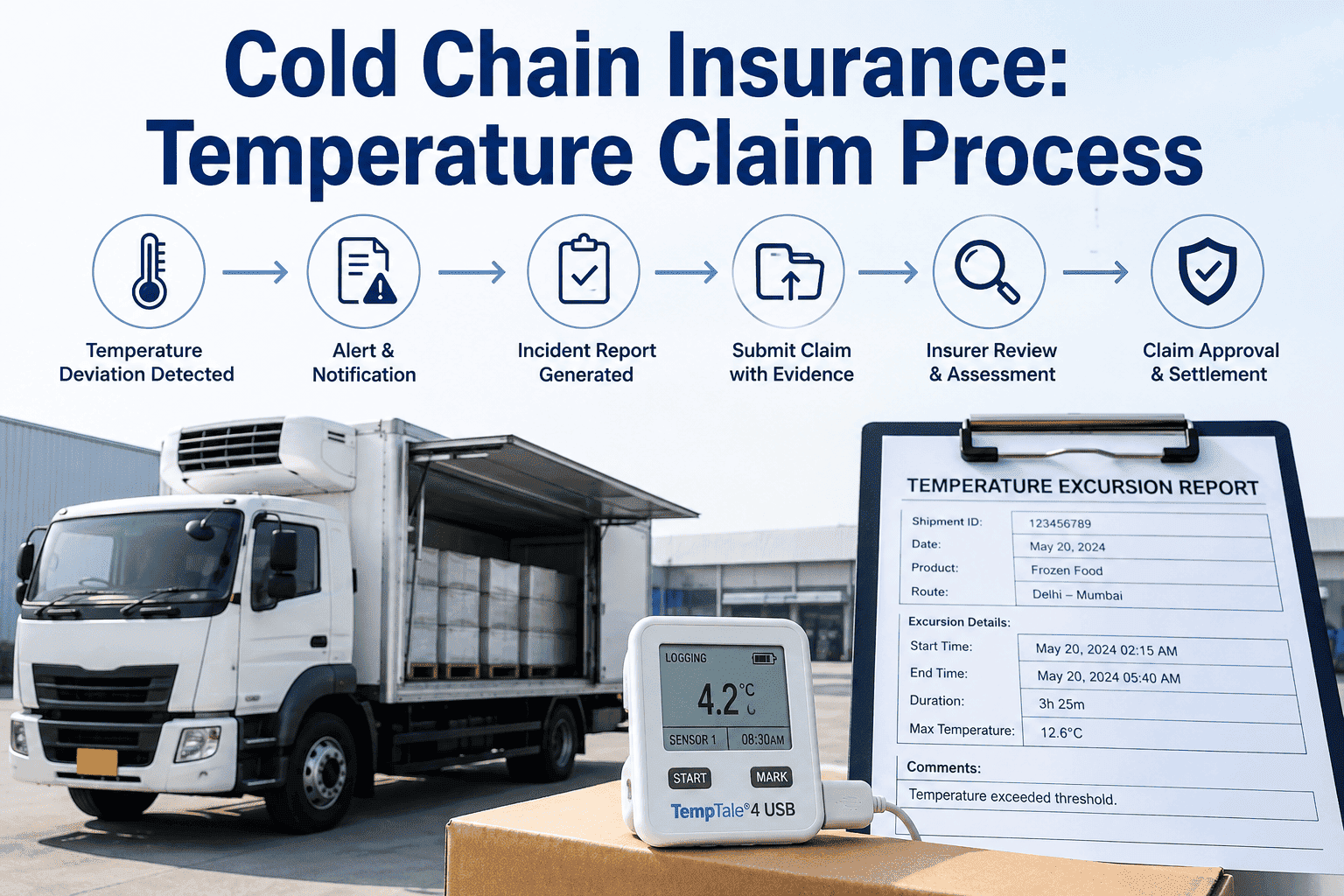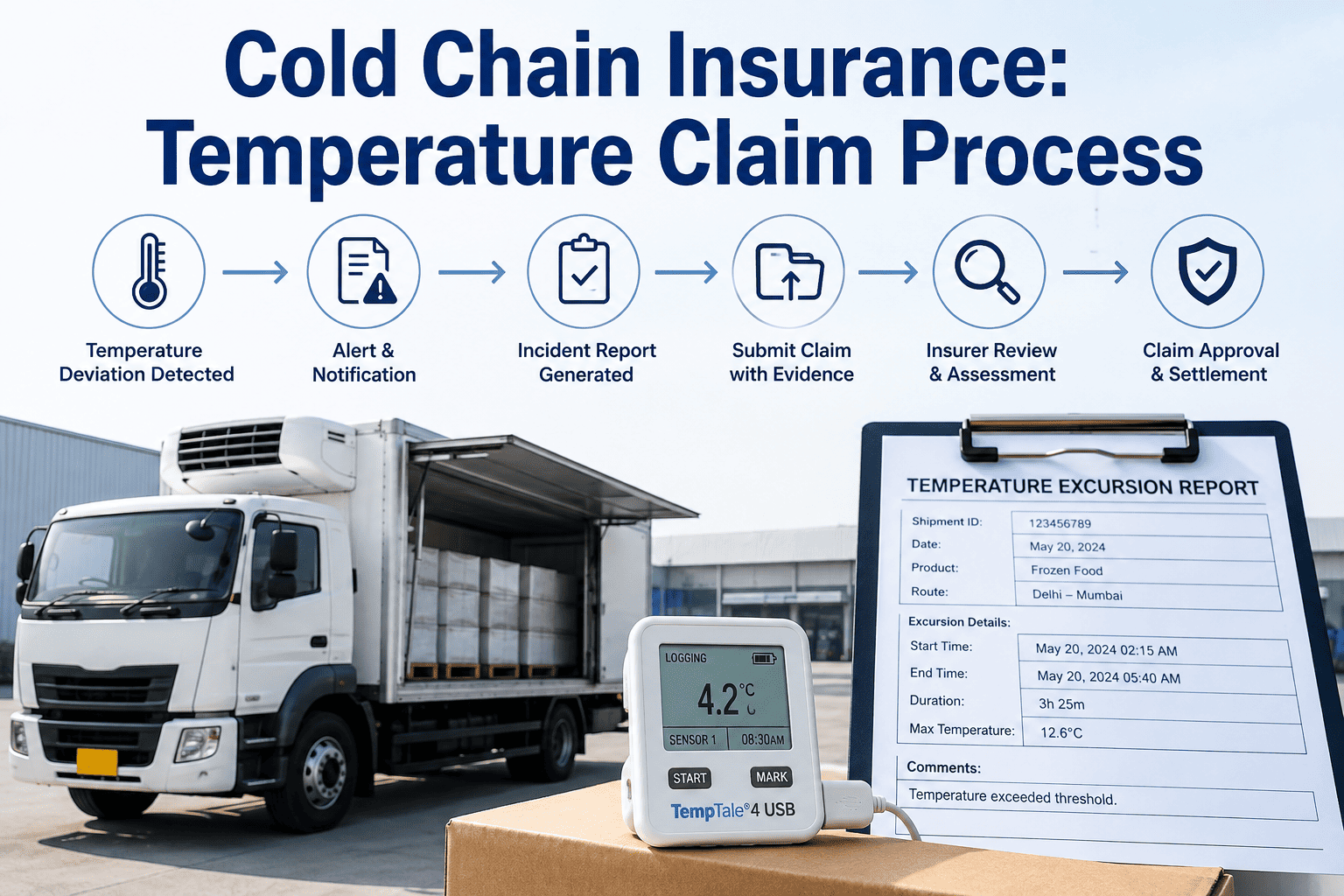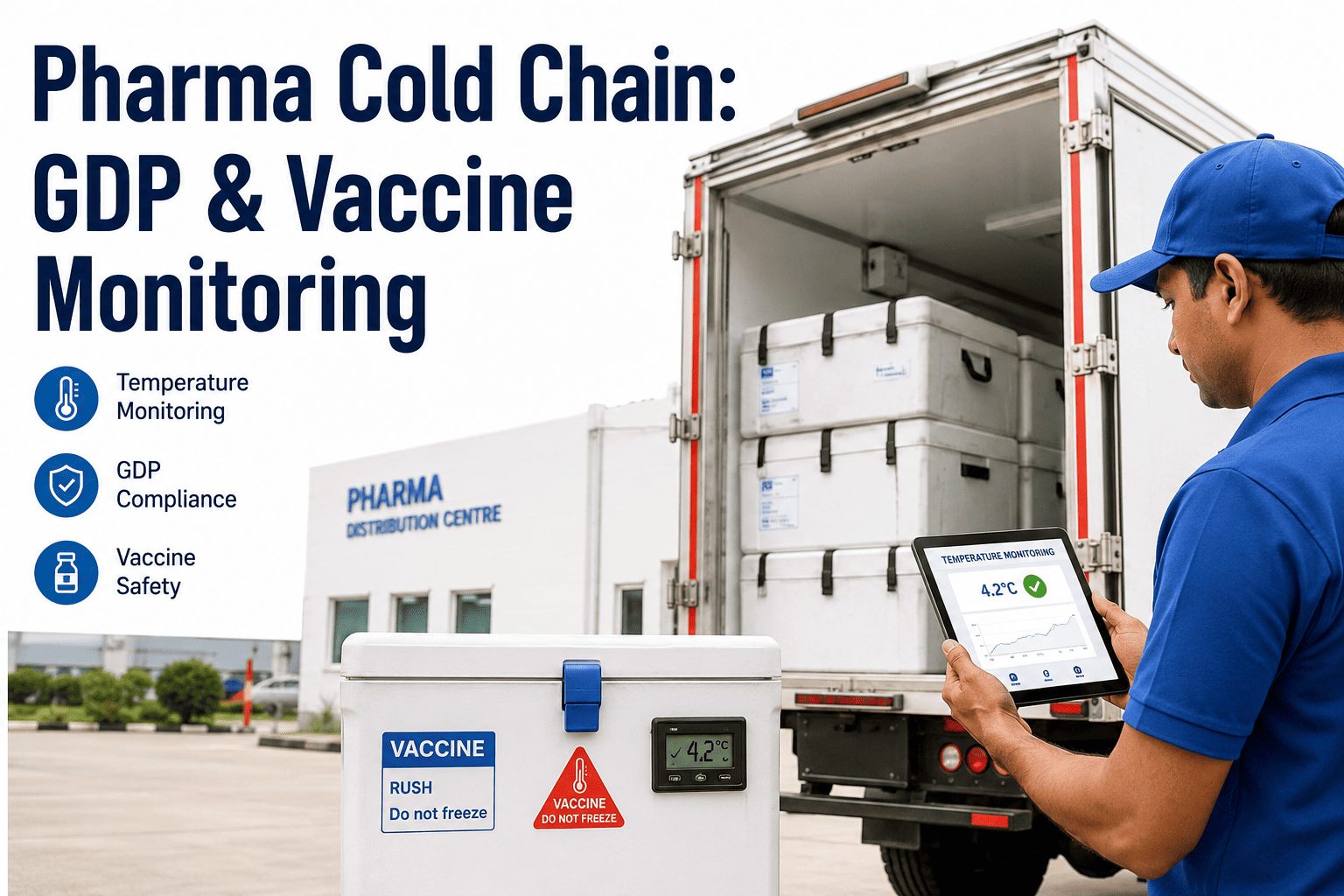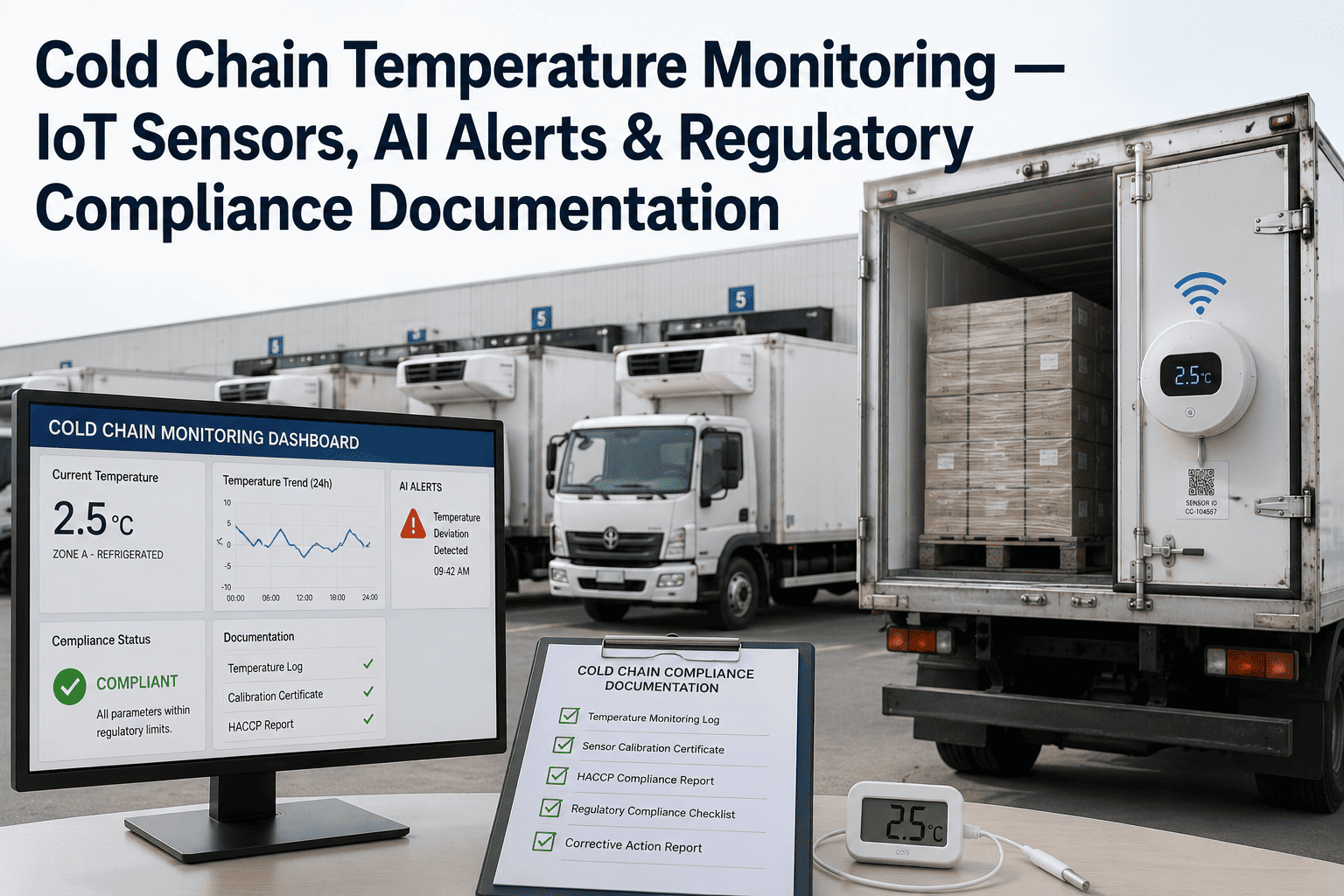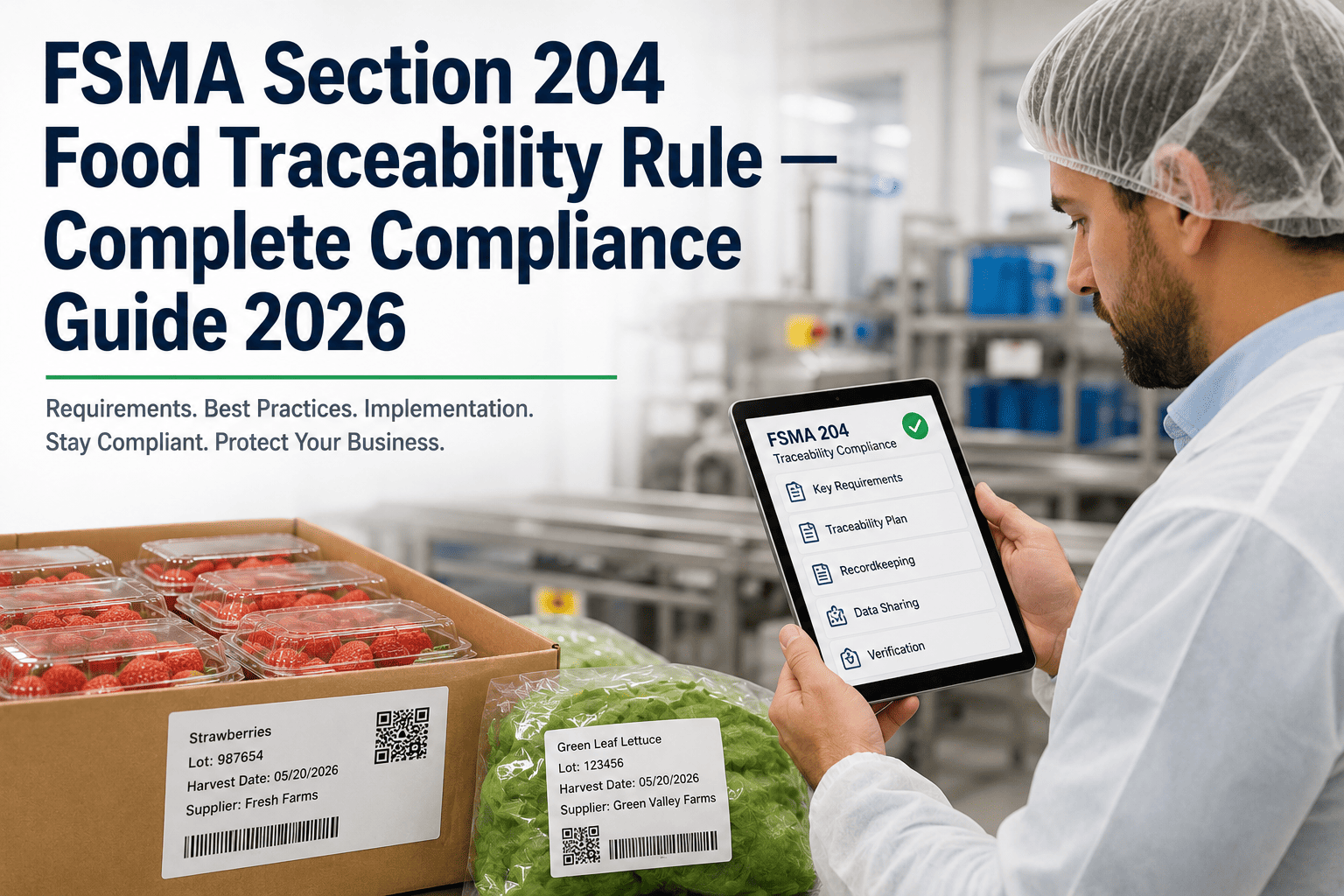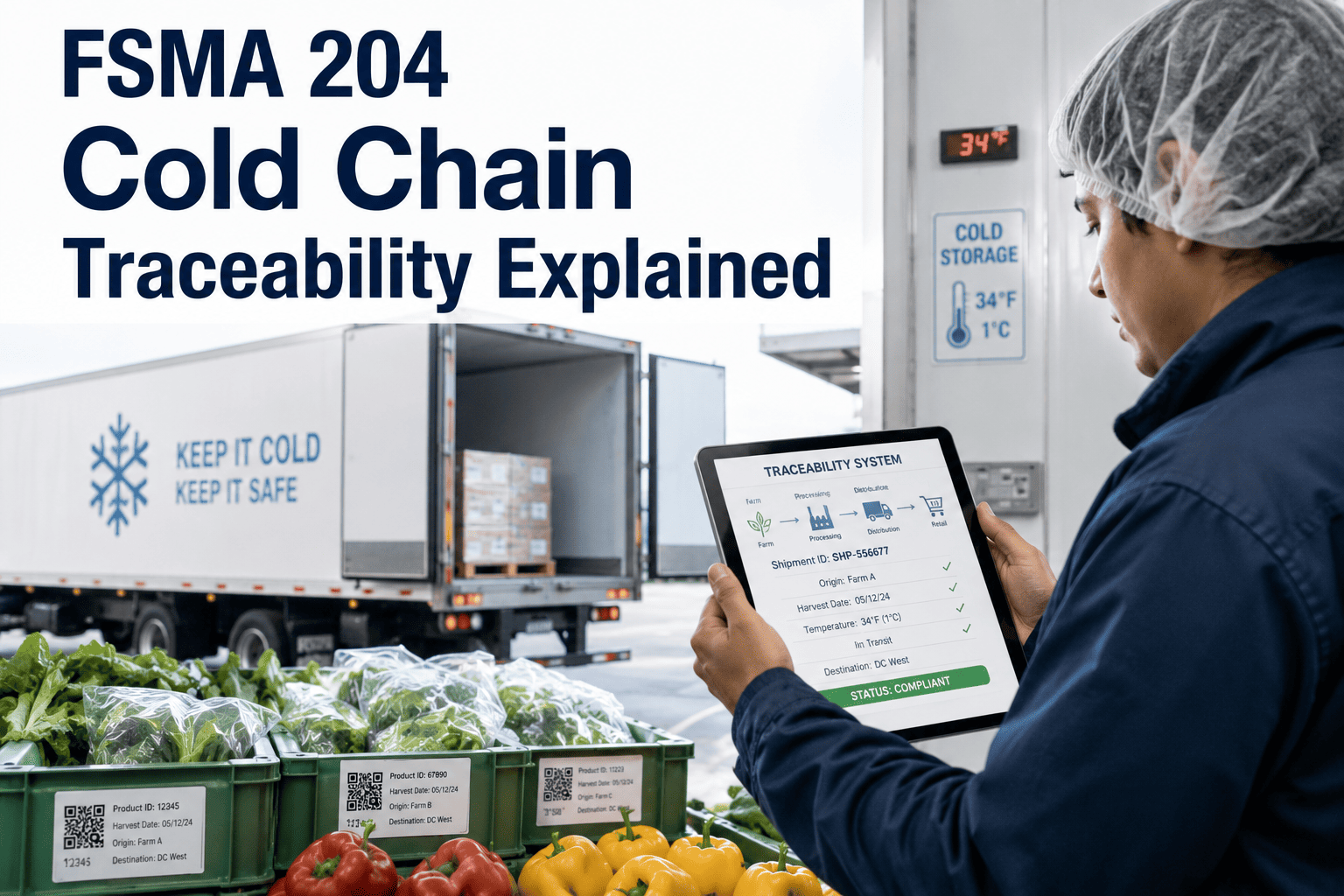
Somewhere on a spreadsheet, a pallet of frozen shrimp lost four hours of proper refrigeration during a transfer between two carriers, and nobody wrote it down anywhere the FDA could find it during a recall. That single gap is exactly the scenario FSMA Section 204 was written to close, and for any plant handling food on the Food Traceability List, the rule is no longer a distant compliance date, it is an operational reality with a hard deadline attached. Cold chain products carry extra weight under this rule because temperature abuse is invisible on the outside of a box, which means the paper trail has to do the work that a visual inspection cannot. iFactory's traceability platform was built to turn scattered temperature logs, carrier handoffs, and lot codes into the exact Critical Tracking Event record FSMA 204 demands, without adding another manual form to a shift supervisor's clipboard.
Turn every temperature reading into an audit-ready FSMA 204 record
iFactory links cold storage sensors, carrier handoffs, and lab data into one continuous Critical Tracking Event log, so a traceability request that used to take three days takes minutes.
What FSMA 204 actually requires from a cold chain operation
Section 204 of the Food Safety Modernization Act applies to any facility that manufactures, processes, packs, or holds food named on the FDA's Food Traceability List, and a large share of that list is temperature-sensitive: seafood, fresh-cut produce, soft cheeses, and ready-to-eat deli salads all appear on it. The rule requires two things at once. First, a set of Critical Tracking Events, meaning the specific points where a product is received, transformed, shipped, or transported, must be recorded. Second, a set of Key Data Elements attached to each of those events must be captured, including lot codes, quantities, and the date and time of the event. For cold chain products, the missing piece in most current programs is that the temperature record and the tracking event live in two different systems that were never designed to talk to each other.
Receiving
Incoming lot, supplier, and dock temperature all logged at the same timestamp.
Cold Storage
Continuous reefer or freezer readings tied directly to the lot code stored inside.
Transformation
Any repack, blend, or processing step that changes the lot identity gets its own event record.
Shipping
Outbound trailer temperature verified and time-stamped against the bill of lading.
Transportation
In-transit reefer data captured from telematics for the full route, not just origin and destination.
Could your team produce this table right now?
The FDA has been explicit that the practical test of a working traceability program is speed: when asked, can a facility produce a sortable electronic record of Critical Tracking Events and Key Data Elements within 24 hours. Most plants can eventually assemble the information, but it takes pulling temperature charts from one system, lot records from a warehouse management system, and carrier data from a third-party logistics portal, then reconciling them by hand. Below is the shape of the record the rule expects, the kind of table iFactory generates automatically from connected sensors and existing lot data rather than a post-hoc spreadsheet exercise.
| Event Type | Lot Code | Location | Timestamp | Temp at Event | Quantity |
|---|---|---|---|---|---|
| Receiving | LT-88231 | Dock 4 | 06:12:04 | 2.1°C | 1,200 lb |
| Cold Storage | LT-88231 | Freezer B2 | 06:40:00 | -19.4°C | 1,200 lb |
| Transformation | LT-88231-R | Repack Line 2 | 11:05:33 | 3.8°C | 1,150 lb |
| Shipping | LT-88231-R | Dock 1 | 14:22:10 | 1.6°C | 1,150 lb |
| Transportation | LT-88231-R | Route 12 | 14:22–19:47 | Avg -2.0°C | 1,150 lb |
Most plants already generate 80% of this data somewhere; the gap is connection, not collection. Book a demo and we will map your current data sources against the CTE/KDE requirements.
What a gap in the record actually costs
A slow trace does not just delay a recall notice, it forces a wider recall than necessary because the team cannot prove which specific sub-lot was affected by a temperature excursion, so an entire shipping day gets pulled instead of a four-hour window. That difference shows up directly in cost, in retailer relationships, and in how a facility's next audit gets scoped, since inspectors tend to look harder at plants that struggled to produce records the first time they were asked.
From sensor reading to submission-ready record
Connect existing sensors and systems
iFactory pulls from cold storage sensors, WMS lot records, and carrier telematics feeds already in place, without requiring new hardware on every asset.
Map Critical Tracking Events automatically
Receiving, storage, transformation, shipping, and transportation events are identified from existing transaction data and tagged with the correct KDEs.
Continuously validate temperature compliance
Every CTE is checked against the required temperature range for that product category, flagging excursions the moment they occur rather than at month-end review.
Export a sortable electronic record on demand
A single export produces the FDA-formatted table, ready in minutes instead of days when a trace request comes in.
Why cold chain traceability is a practical first FSMA 204 pilot
Facilities preparing for FSMA 204 compliance often assume the hardest part will be the software, when in practice the hardest part is usually organizational: getting receiving, cold storage, and shipping data to agree on a shared lot identity. Starting with the cold chain portion of the operation tends to be more tractable than starting plant-wide, because temperature sensors already generate a continuous, timestamped data stream that naturally aligns with the Critical Tracking Event structure the rule expects. That existing data becomes the anchor point the rest of the traceability program can be built around.
A focused pilot on one or two product lines also gives a plant a realistic preview of where its current record-keeping has silent gaps, whether that is a carrier that doesn't share in-transit temperature data or a repack step that doesn't currently generate its own lot identity. Finding those gaps during a pilot is far less costly than finding them for the first time during an actual recall trace request, when the clock is already running.
FSMA 204 compliance, explained plainly
Get a clear picture of your FSMA 204 readiness
iFactory maps your existing cold chain data against the Critical Tracking Event requirements so you know exactly where the gaps are before an audit finds them for you.