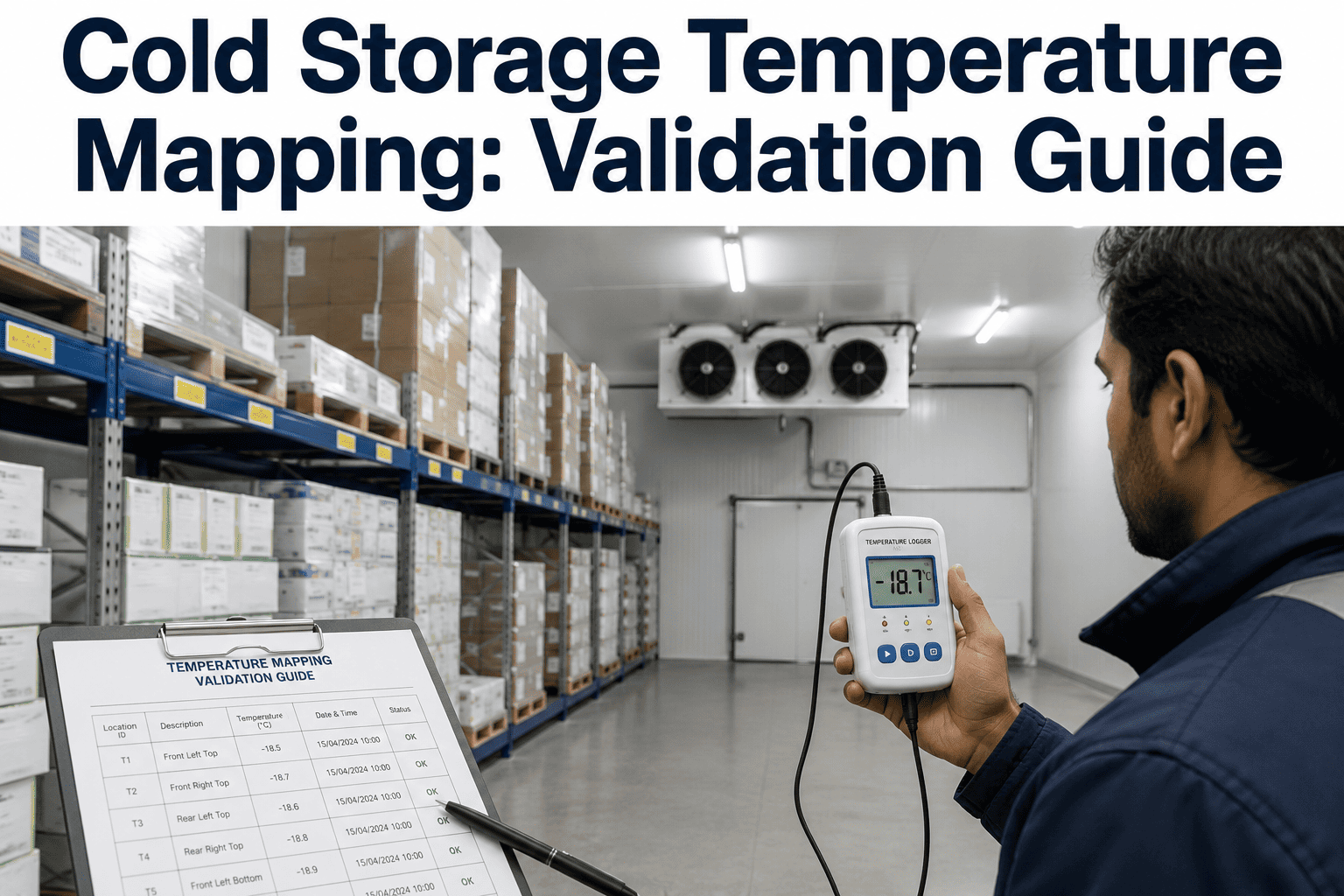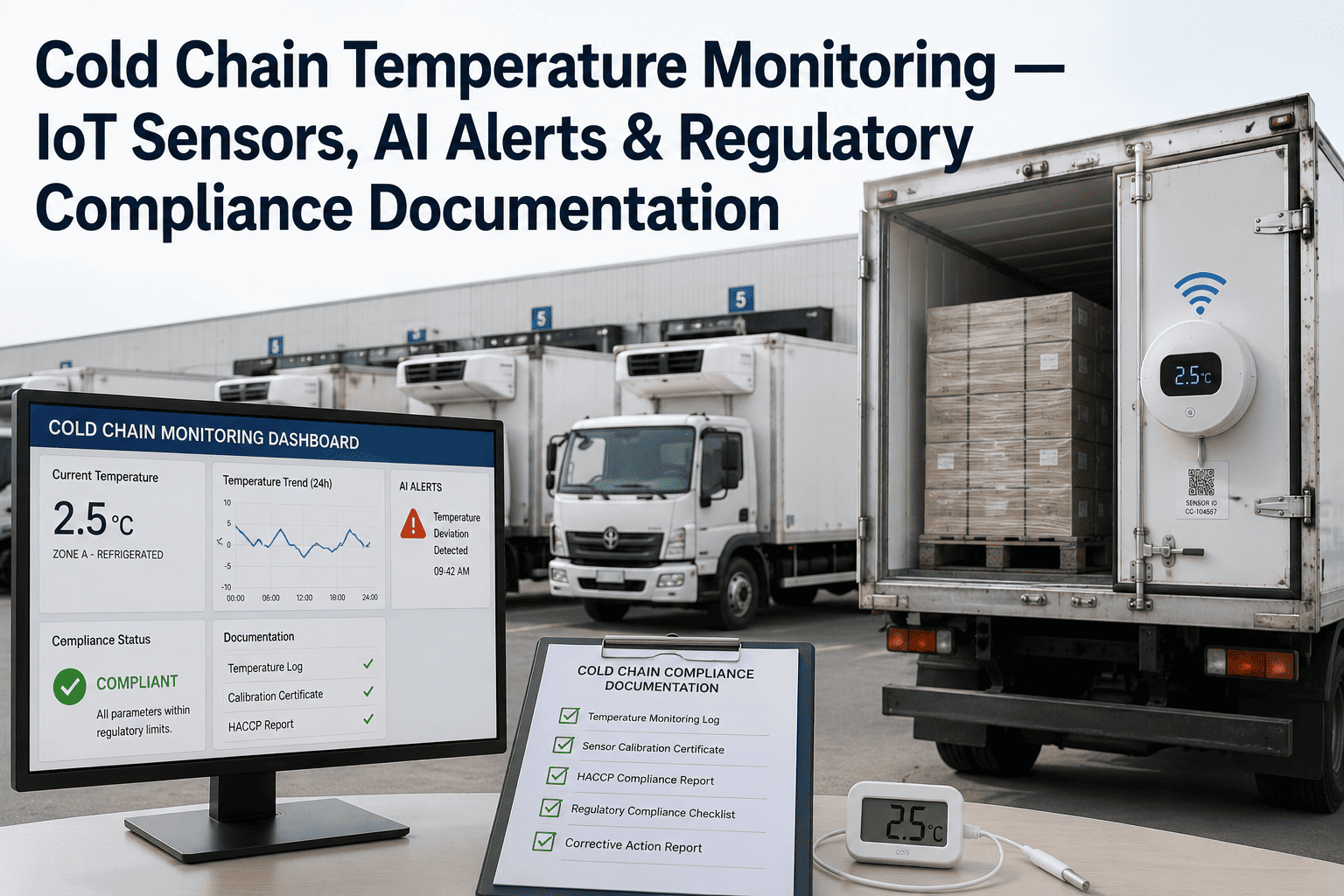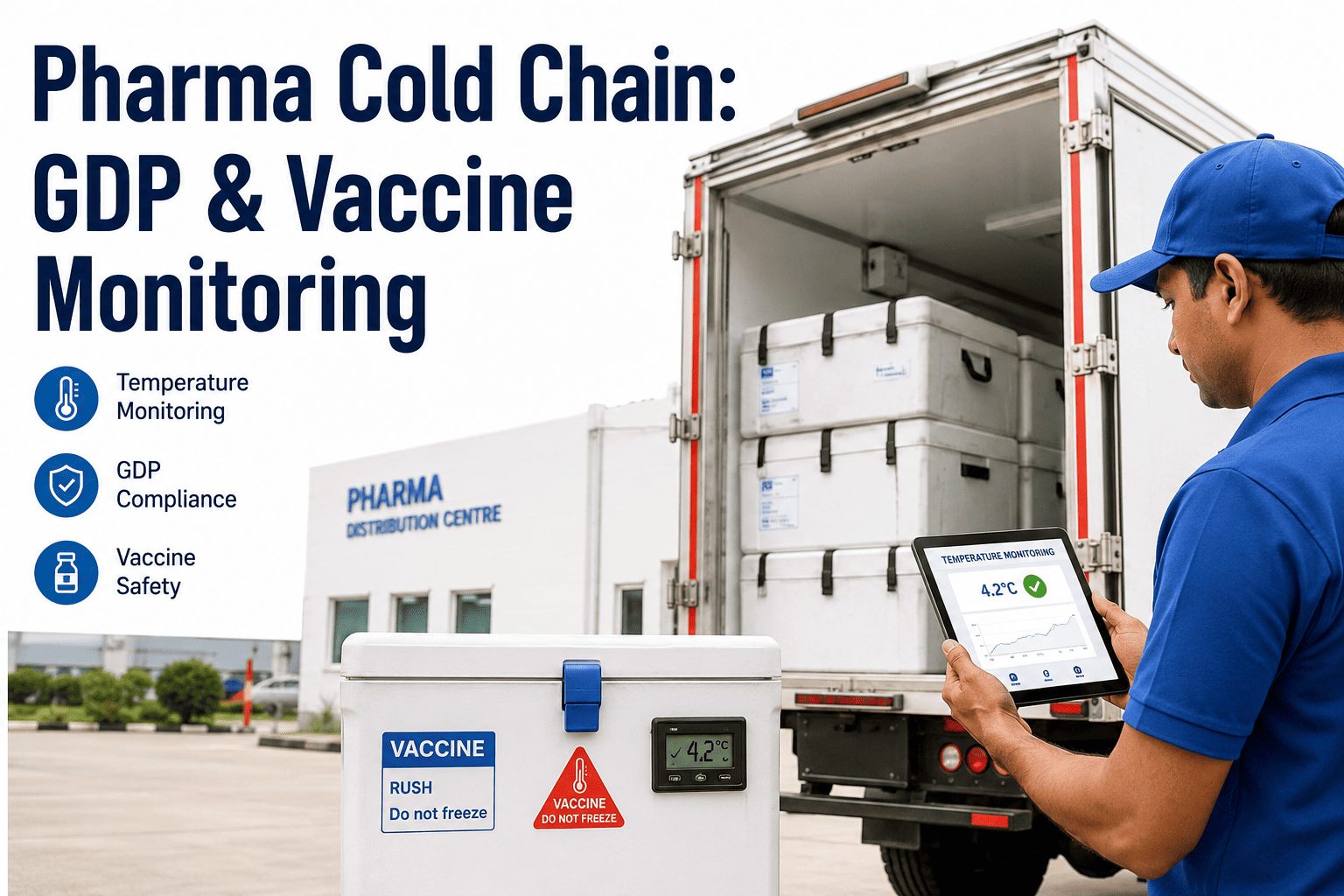
Pharmaceutical manufacturers, distributors, and pharmacy networks lose an estimated 35 billion dollars every year to temperature excursions that occur somewhere between the production line and the patient. A single deviation outside the 2-8C range for a biologic, or a momentary thaw of an mRNA vaccine stored at ultra-cold temperatures, can silently destroy potency without any visible sign of spoilage. Regulatory bodies enforce Good Distribution Practice and WHO cold chain guidelines precisely because visual inspection cannot catch what a continuous temperature record can. Building a monitoring program that satisfies auditors while actually protecting product requires more structure than a clipboard and a fridge thermometer, and that is where connected sensor networks change the equation for pharmaceutical operators of every size.
Continuous GDP-Grade Monitoring From Manufacturing to the Patient
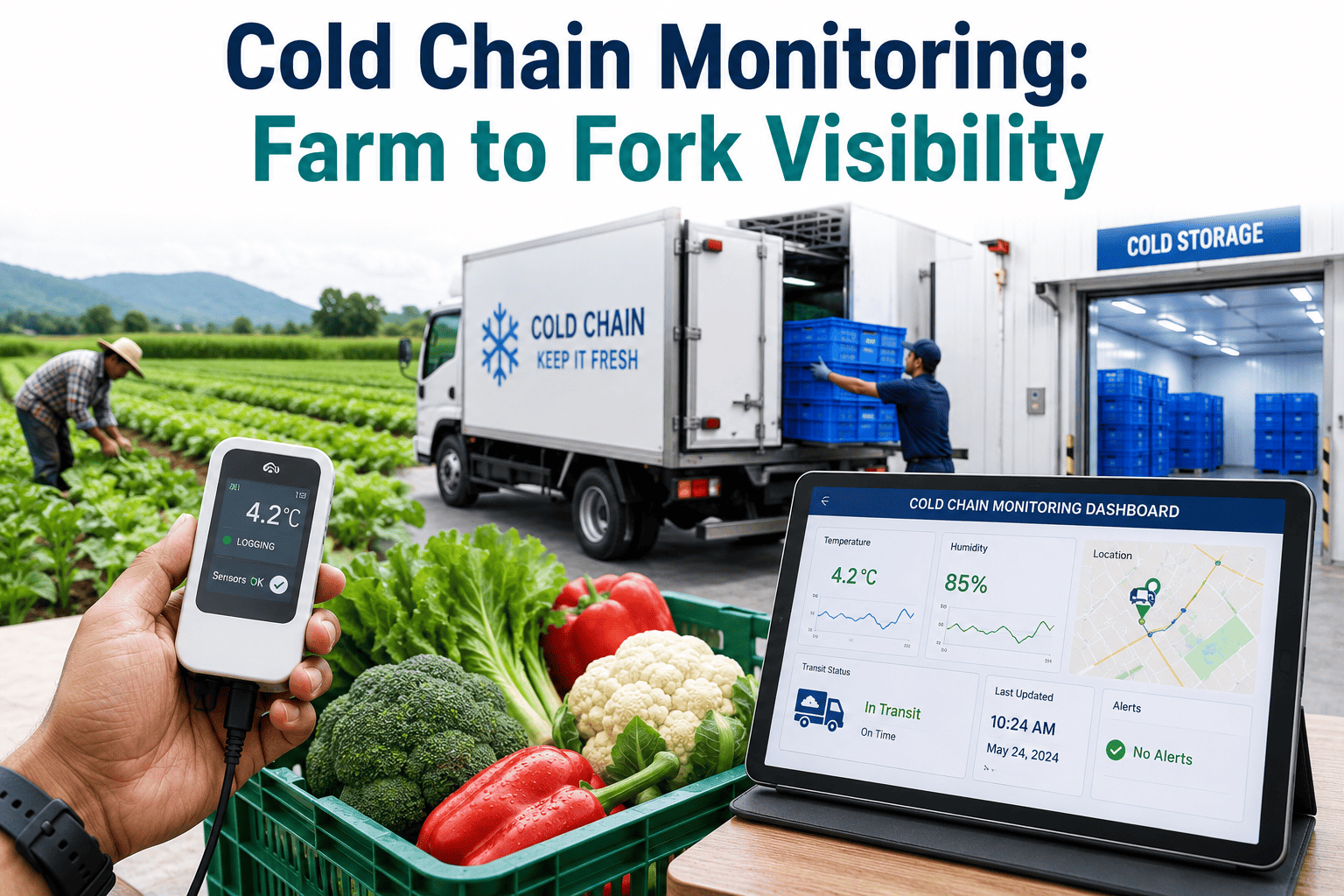
iFactory pharmaceutical cold chain monitoring captures every temperature reading across every handoff, builds the audit trail automatically, and alerts your team before a deviation becomes a loss.
The Hidden Cost of Silent Temperature Excursions
Unlike a broken seal or a leaking container, a temperature excursion leaves no physical trace on the product itself. A vial of insulin that spent four hours above 8C looks identical to one that never left refrigeration, yet its potency curve may already be compromised. This is why regulators built continuous monitoring into GDP and WHO guidance rather than leaving verification to spot checks.
Three Temperature Zones, Three Different Risk Profiles
Not every pharmaceutical product carries the same handling risk, and a monitoring program has to be tuned to the specific zone a product lives in rather than applying one generic threshold across the board.
The Cold Chain Qualification Journey
Before a monitoring program can be trusted for GDP purposes, the packaging, equipment, and lanes it relies on must be formally qualified. This sequence reflects the path most pharmaceutical distribution teams follow from design through ongoing verification.
GDP Requirements Compared to WHO Vaccine Guidance
While GDP and WHO frameworks share the same underlying goal of product integrity, they emphasize slightly different controls depending on whether the product is a general pharmaceutical or a vaccine intended for mass immunization programs.
| Requirement Area | GDP Framework | WHO Vaccine Guidance |
|---|---|---|
| Monitoring Frequency | Continuous with documented review intervals | Continuous with mandatory alarm response protocols |
| Equipment Calibration | Annual calibration with traceable certificates | Annual calibration plus cold chain equipment inventory |
| Excursion Response | Root cause investigation and disposition decision | Immediate quarantine pending stability data review |
| Record Retention | Minimum 1 to 5 years depending on jurisdiction | Full campaign duration plus post-campaign audit window |
| Personnel Training | Documented GDP training refreshed periodically | Cold chain specific training for immunization staff |
What Connected Monitoring Changes Operationally
Moving from manual logging to a connected sensor network changes the shape of the work itself, not just the accuracy of the numbers being recorded.
Stop Losing Product to Excursions You Never Saw Coming
Get continuous 2-8C, frozen, and ultra-cold visibility across every facility and every lane, with alerts that reach your team before product is compromised.
Frequently Asked Questions
How many sensors does a typical pharmaceutical warehouse need for GDP compliance?
Sensor count depends on the results of the thermal mapping study rather than a fixed formula, since every facility has its own hot spots and cold spots based on door locations, HVAC placement, and racking layout. As a general starting point, most mapped rooms require one sensor for every 50 to 100 cubic meters of qualified space, with additional units placed near doors, at the highest and lowest points of the room, and near any HVAC vents that could create localized temperature swings. Larger distribution centers with multiple temperature zones will need separate sensor groups for each zone with independent alarm thresholds. Book a demo to get a sensor placement recommendation based on your facility layout.
What happens during an audit if a temperature excursion is found in the historical data?
An excursion in the historical record is not automatically a compliance failure, but the absence of a documented investigation and disposition decision usually is. Auditors expect to see the excursion event, the duration and magnitude of the deviation, a root cause investigation, and a clear record of whether the affected product was released, quarantined, or destroyed. Connected monitoring systems make this process faster because the excursion data, including exact start and end times and the sensors involved, is already captured and time-stamped rather than reconstructed from memory or handwritten logs. Teams that respond quickly and document thoroughly generally pass review even when excursions occur, because regulators understand that cold chains are not immune to disruption. Contact support for guidance on excursion documentation templates.
Can the same monitoring platform handle 2-8C refrigerated storage and -80C ultra-cold freezers together?
Yes, a well-designed monitoring platform is built to handle multiple temperature zones simultaneously through zone-specific sensor profiles and independent alarm thresholds rather than a single one-size-fits-all setting. Ultra-cold freezers require sensors rated for the extreme range and typically shorter reporting intervals given how quickly potency can degrade once a door is left open or a compressor fails. The dashboard layer then normalizes all of this into a single view so a quality manager can see refrigerated, frozen, and ultra-cold status side by side without needing to log into separate systems for each equipment type. Book a demo to see multi-zone monitoring configured for a facility like yours.
How often do calibrated sensors need to be recalibrated to stay GDP compliant?
Most GDP frameworks expect annual calibration as a baseline, but the actual interval should be based on the sensor manufacturer's specification and any drift observed during previous calibration cycles. Sensors that show meaningful drift between calibrations may need to move to a more frequent schedule, while highly stable units in controlled environments can sometimes qualify for extended intervals if supported by historical calibration data. A monitoring platform that tracks calibration due dates automatically and flags overdue sensors before they fall out of compliance removes one of the most common audit findings, since manually tracked calibration schedules are easy to lose track of across a large facility. Contact support to review calibration scheduling options.
Does continuous monitoring reduce insurance or liability exposure for pharmaceutical distributors?
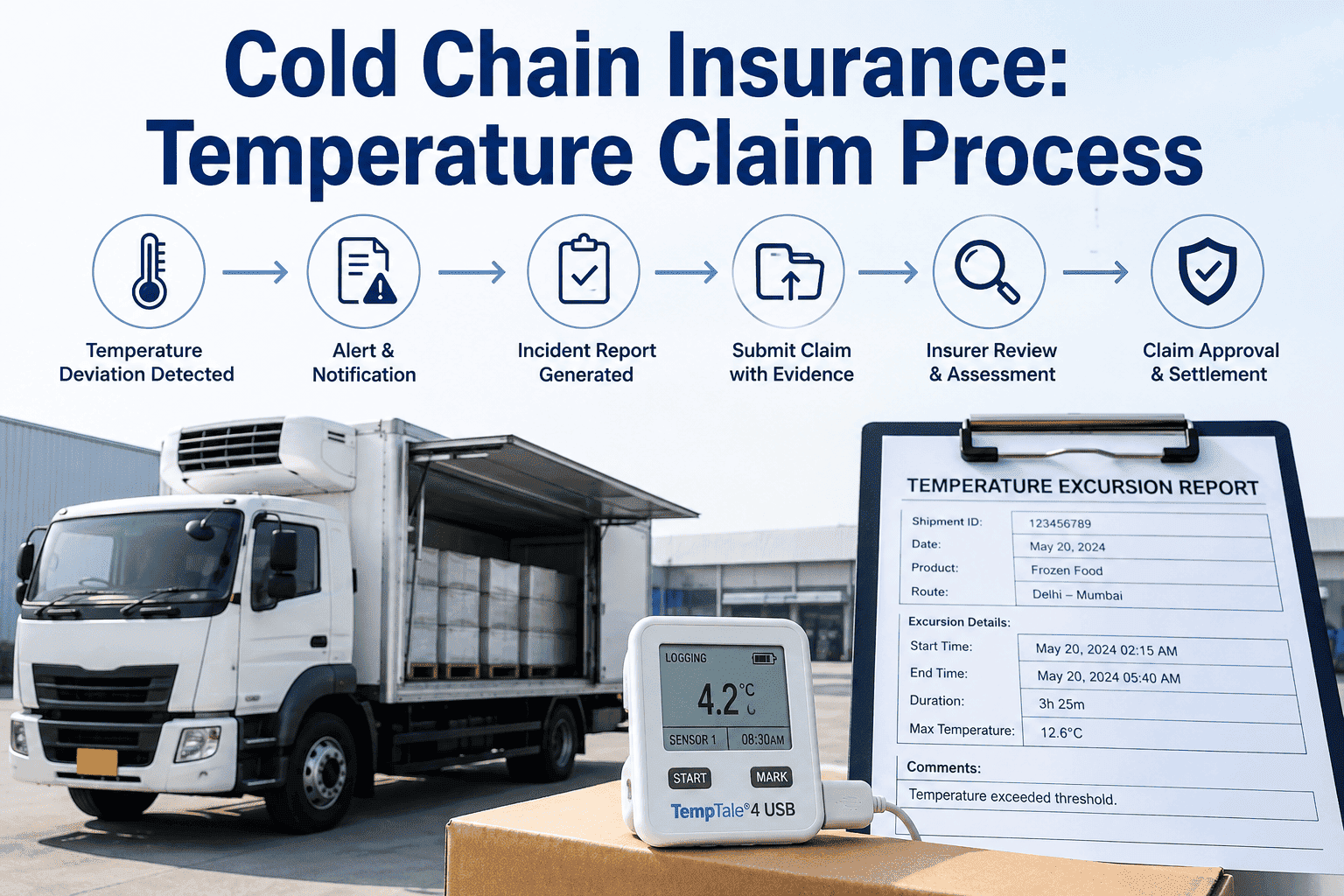
Many distributors report that a documented, continuous monitoring program does factor positively into liability conversations, primarily because it demonstrates a defensible chain of custody for every shipment rather than relying on assumptions about handling quality. When a claim or dispute arises over whether a product was mishandled, having a complete temperature history for the exact shipment in question, tied to specific vehicles and time windows, significantly shortens the resolution process compared to relying on partial spot-check records. This does not replace insurance coverage, but it does strengthen the evidentiary position of the distributor in the event of a dispute. Book a demo to discuss documentation standards for your distribution network.
Protect Every Vial, Every Vaccine, Every Shipment
iFactory gives pharmaceutical teams continuous, audit-ready cold chain visibility from the warehouse to the last mile, with alerts fast enough to act on.