A recall notice does not wait for a supply chain to get organized. When a contamination alert or a recall order comes in, an operations director needs to know within minutes exactly which lots were affected, which suppliers contributed ingredients, and which shipments already left the building, and a fragmented paper-based supply chain simply cannot answer that fast enough. Full farm-to-fork visibility, combined with AI risk monitoring and blockchain-backed lot records, turns that minutes-long scramble into a direct query with an immediate answer. Operations leaders who want to see their own supply chain mapped this way can book a demo.
FOOD SUPPLY CHAIN VISIBILITY · AI + BLOCKCHAIN · 2026
Know Where Every Lot Came From and Where It Went
Farm-to-fork traceability with AI supplier risk monitoring and blockchain-backed lot records, so a recall query takes minutes instead of days.
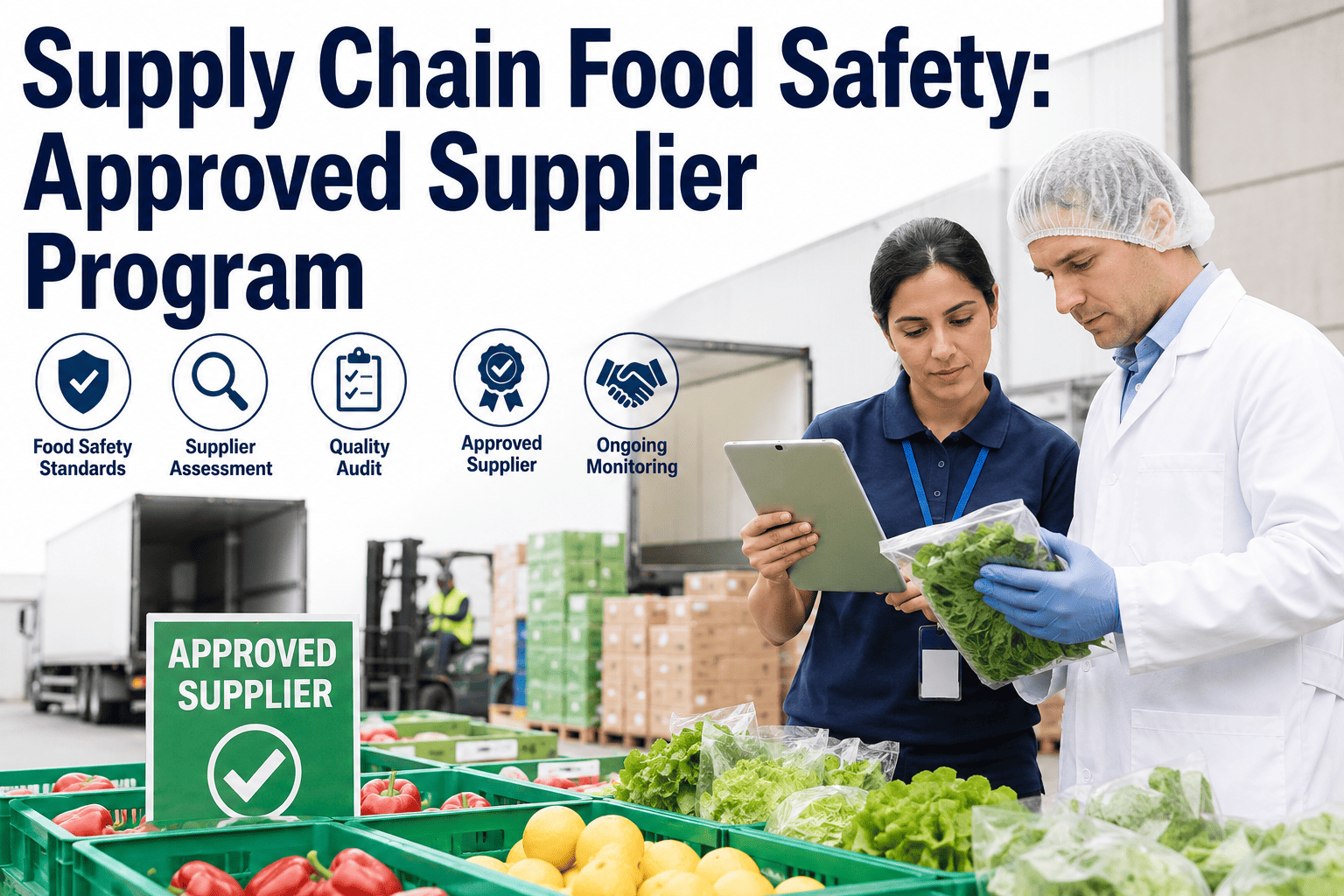
Why Fragmented Supply Chains Fail Under Pressure
A typical food supply chain runs through several independent parties before a product reaches a retailer, a grower or aggregator, a co-packer, a distributor, and often a broker in between. Each party keeps its own records in its own format, and in a normal week that fragmentation is a mild inefficiency. During a recall or a supplier quality incident, it becomes the single biggest obstacle to responding fast enough to limit the damage, both to consumer safety and to brand reputation. Regulatory timelines for recall response are measured in hours, not days, and a supply chain that requires phone calls to five different partners to reconstruct a single lot's history simply cannot keep pace.
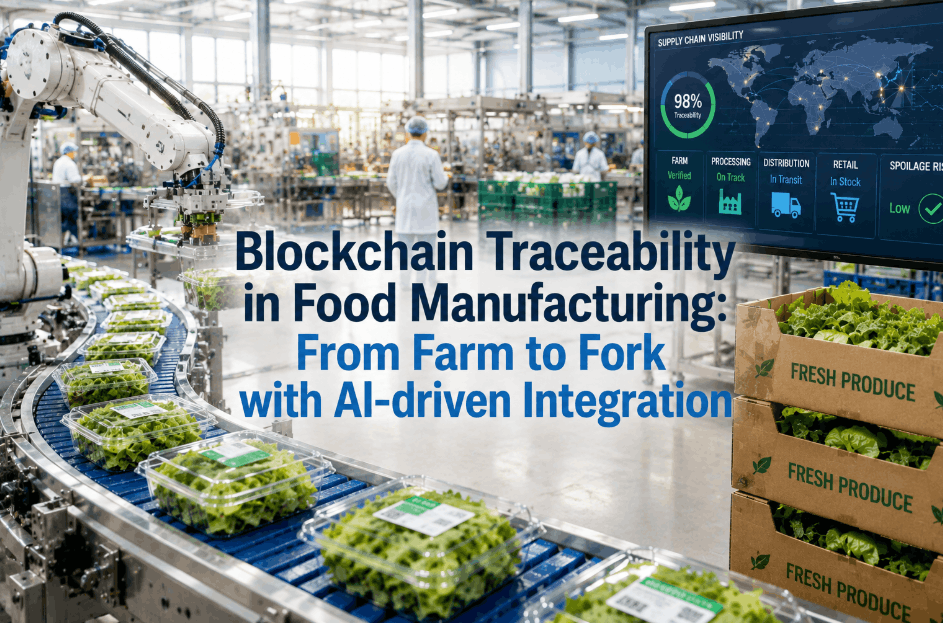
AI-driven traceability platforms solve this by standardizing lot and shipment data across every partner in the chain, while blockchain-backed records make that data tamper-evident and independently verifiable, so no single party can quietly alter a record after the fact.
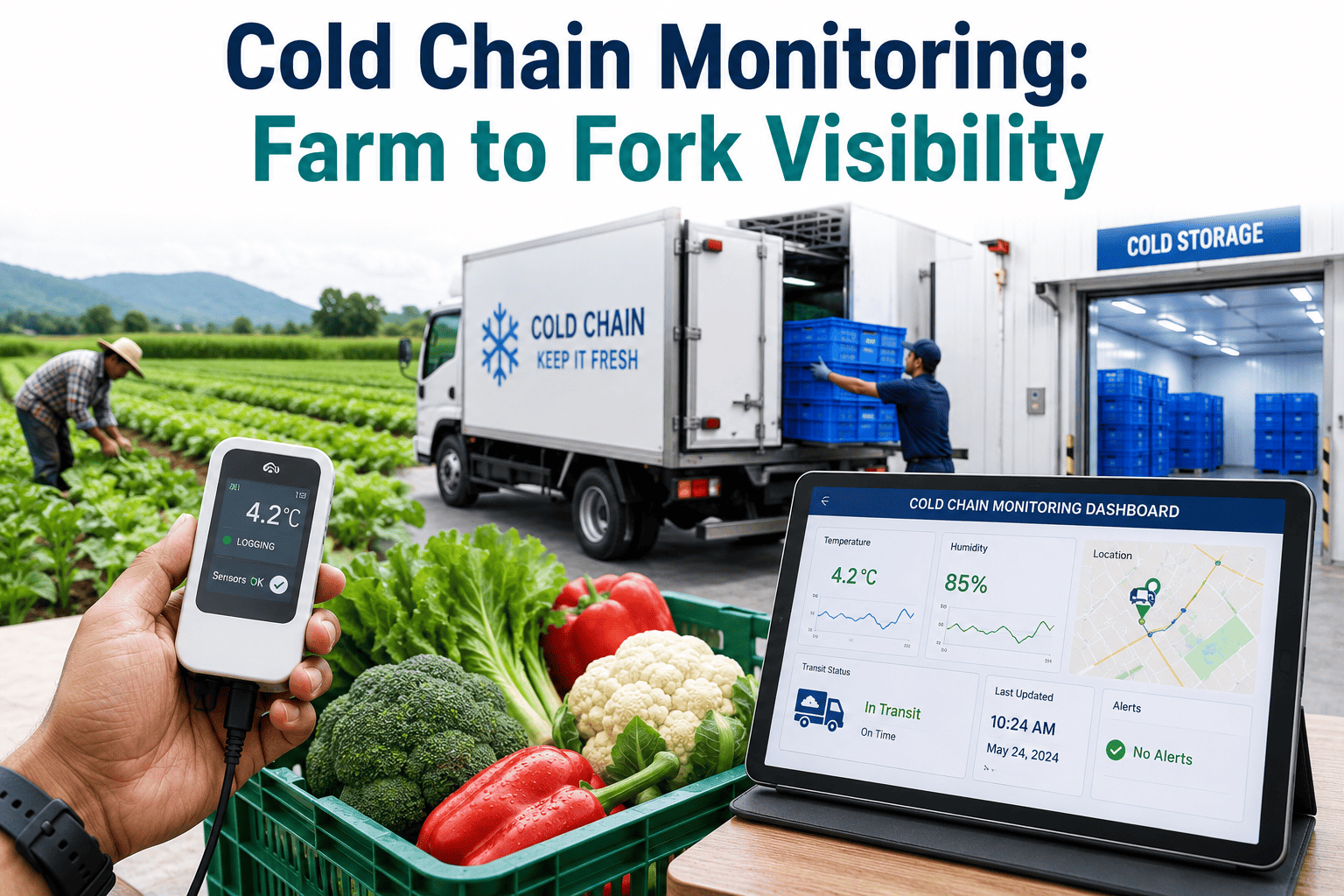
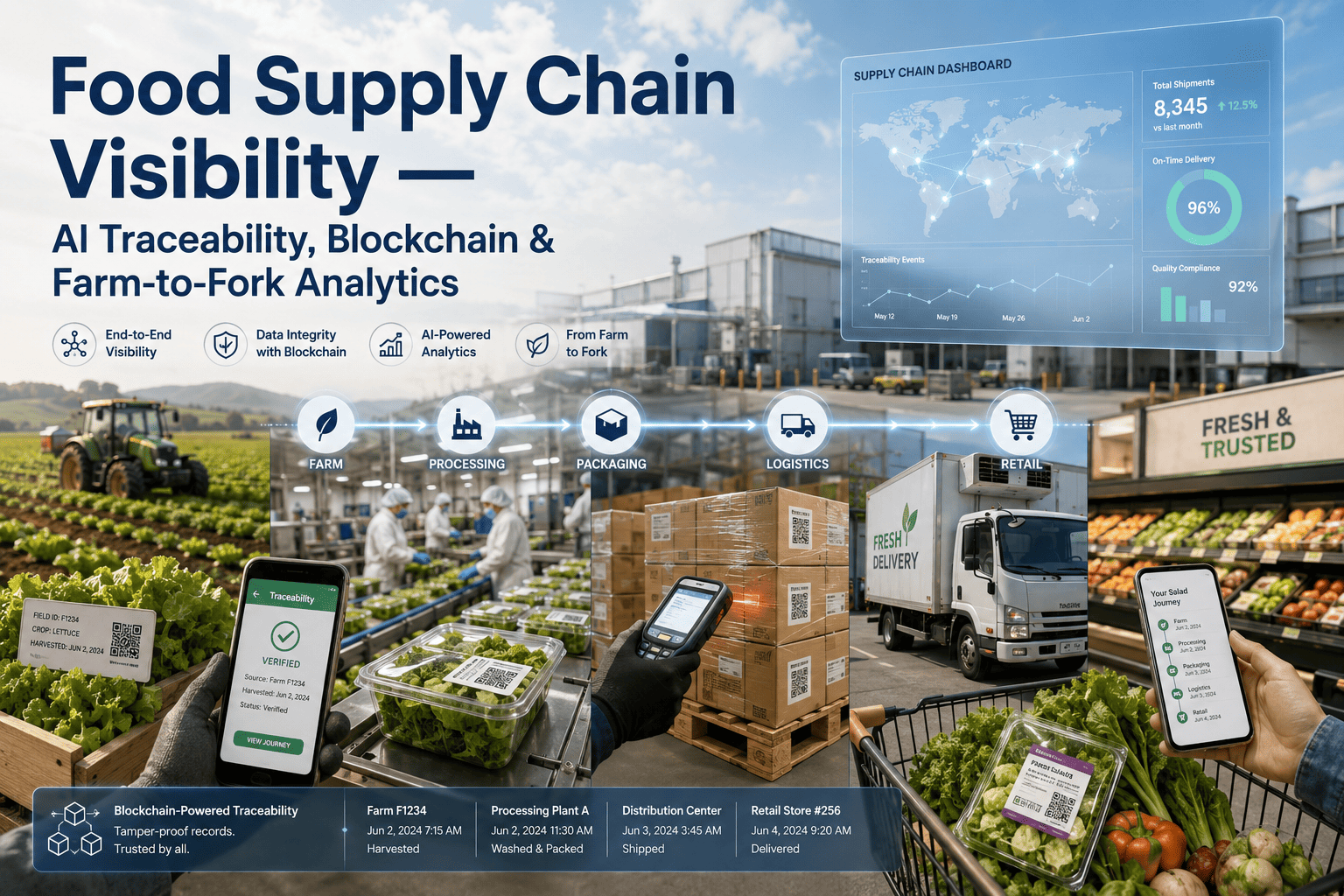
The Farm-to-Fork Data Trail
Farm / Grower
Harvest date, field origin, and initial lot identifiers captured at the source.
Processing
Batch and lot data linked to specific processing runs, equipment, and dates.
Distribution
Shipment records, temperature logs, and handoff timestamps recorded automatically.
Retail / Fork
Final delivery confirmation closes the loop from origin to shelf.
FULL CHAIN VISIBILITY, ONE QUERY AWAY
See a Complete Lot History Pulled in Real Time
Walk through how fast a recall query would resolve with your own supply chain data connected.
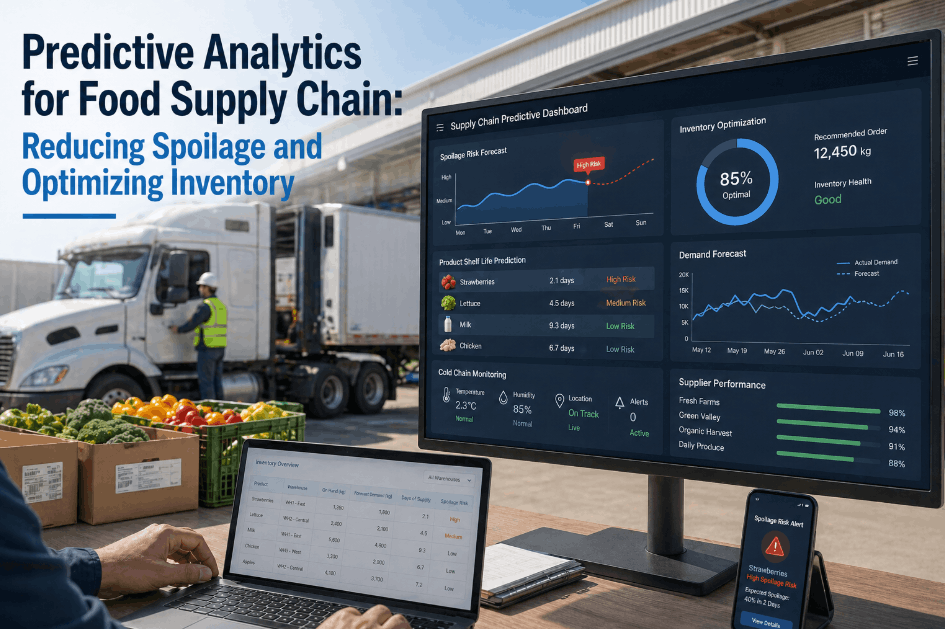
What AI Adds Beyond Basic Traceability
Traceability alone tells you where a lot has been. AI risk monitoring adds a layer of foresight, watching supplier and shipment patterns for signals that a problem may be developing before it reaches your dock.
| Capability | What It Monitors | Business Value |
|---|---|---|
| Supplier Risk Scoring | Delivery consistency, quality incident history, audit status | Flags declining suppliers before a failure occurs |
| Shipment Anomaly Detection | Temperature excursions, route delays, handling gaps | Catches cold chain breaks before product arrives |
| Recall Simulation | Lot-to-shipment linkage across the full network | Tests recall response speed before a real event |
| Compliance Documentation | Certifications, audit records, regulatory filings | Keeps supplier compliance current and verifiable |
Why Blockchain Records Matter for Food Safety
Traditional databases can technically be edited after the fact, which raises a real question during a serious incident investigation: was this record accurate at the time, or was it changed later. Blockchain-backed lot records solve this by making every entry tamper-evident, so once a harvest date, a temperature log, or a shipment confirmation is recorded, it cannot be quietly altered without leaving a visible trace. This does not slow down normal operations, since records are written automatically as data flows through the system, but it gives auditors, regulators, and retail partners independent confidence in the integrity of your traceability record during exactly the moments when that confidence matters most.
What Operations Directors Are Saying
We ran a mock recall drill before this was fully live and it took our team almost six hours to trace one lot back through three suppliers. After full rollout, we ran the same drill and had a complete answer in under ten minutes. That difference is the entire point of this investment.
Operations Director, Regional Food Distribution Group
Frequently Asked Questions
Do all of our suppliers need to adopt the same system for this to work?
Not entirely, though the more suppliers connected directly, the more automated and complete the traceability chain becomes. For suppliers not yet integrated, data can still be captured through standard document uploads and manual entry points, keeping them part of the traceable chain without requiring them to change their own internal systems. Most rollouts prioritize the highest-risk or highest-volume suppliers for direct integration first, then expand coverage over time.
How does AI risk scoring actually flag a supplier before a problem happens?
The model tracks patterns across delivery timing, quality incident history, temperature compliance, and audit status over time, learning what a supplier's normal, healthy pattern looks like. When a supplier's metrics begin drifting away from that established pattern, whether through late deliveries, rising minor quality flags, or gaps in documentation, the system raises a risk score change that prompts a review well before the pattern escalates into a serious failure or a recall-triggering event.
Is blockchain traceability slower or more expensive than a standard database?
Modern implementations are designed so the blockchain layer runs in the background, writing tamper-evident records as data flows through the system without adding noticeable delay to day-to-day operations. The additional infrastructure cost is generally modest compared to the value of having independently verifiable records during a recall, an audit, or a retail partner compliance review, where the credibility of your data can directly affect how quickly an issue gets resolved.
How fast can we actually run a recall simulation once this is live?
Once lot and shipment data is flowing through the connected system, a recall simulation for a specific lot number typically resolves in minutes rather than hours, since the full chain from origin through distribution is already linked rather than needing to be manually reconstructed. Many operations teams run periodic recall drills specifically to validate this speed and to train staff on the query process before a real incident occurs. Teams can review simulation options through support.
How long does a full farm-to-fork rollout take?
A pilot covering your highest-priority product lines and suppliers typically takes six to eight weeks to establish, including initial supplier onboarding and data validation. Full network coverage across all suppliers and distribution partners generally builds out over several months as additional partners are connected in stages. Operations leaders can book a demo to get a rollout timeline scoped to their own supplier network size.
FOOD SUPPLY CHAIN VISIBILITY · AI + BLOCKCHAIN
Turn a Recall Scramble Into a Ten-Minute Query
Join food companies already running full farm-to-fork traceability with AI risk monitoring.