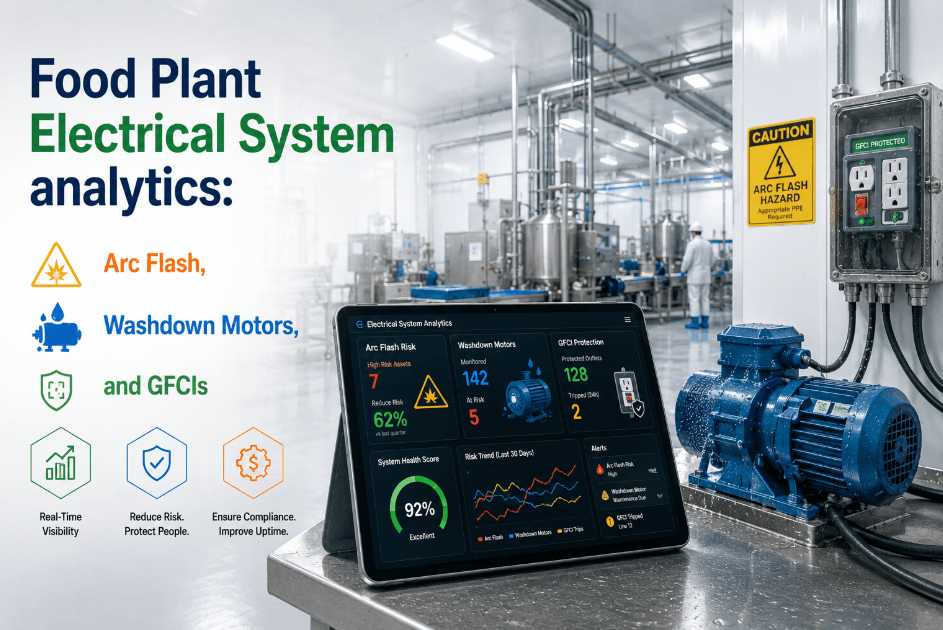
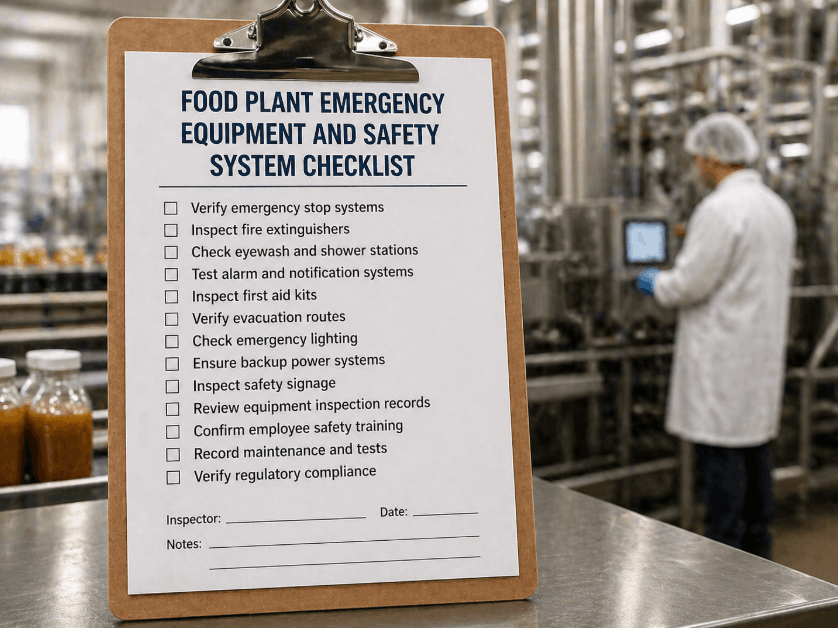
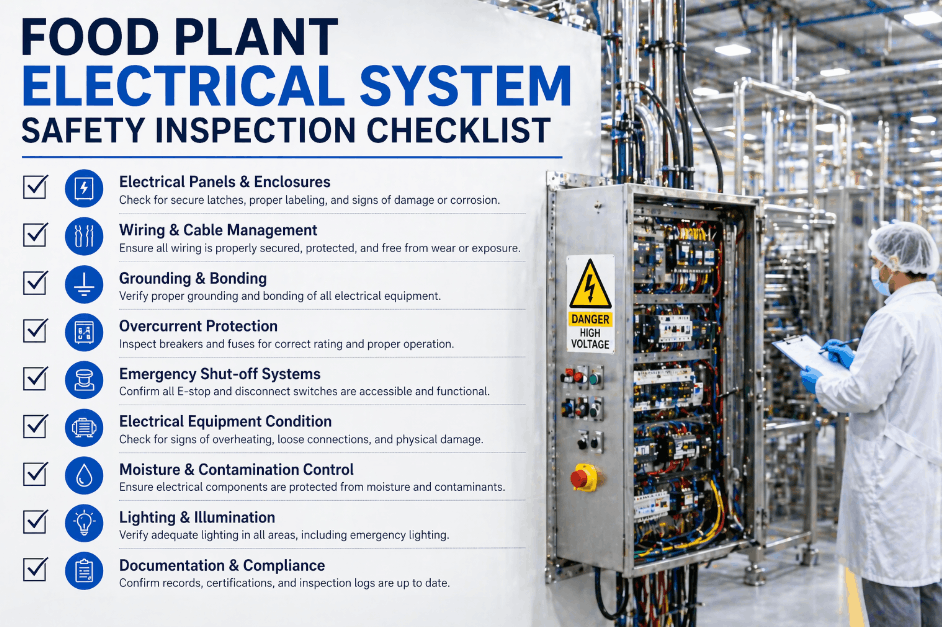
Electrical system reliability in a food manufacturing plant is the silent foundation of all production operations. Unlike mechanical failures which are often visible, electrical issues like harmonic distortion, loose terminations, or insulation breakdown often hide within control panels and conduits until they trigger catastrophic downtime or safety incidents. In high-moisture food processing environments, the risk of moisture ingress into NEMA 4X enclosures and motor terminal boxes is constant, leading to premature motor burnouts and VFD failures. Facilities that book a demo with iFactory are moving from reactive electrical repairs to a predictive maintenance framework that combines NFPA 70E safety standards with real-time asset health monitoring, ensuring that electrical infrastructure supports, rather than hinders, production throughput. Our AI-driven platform doesn't just log repairs; it analyzes current-draw anomalies and thermal drift patterns to identify failures before they stop your line.
Eliminate Unplanned Electrical Outages with AI-Powered Checklists
iFactory automates your electrical PM schedules, tracks motor vibration, and ensures control panel thermal scans are documented for 100% safety compliance. Bridge the gap between maintenance and electrical safety with real-time documentation.
The 6 Failure Patterns of Food Plant Electrical Infrastructure
Maintaining electrical systems in a food facility requires a specialized strategy that accounts for frequent washdowns, chemical exposure, and intensive thermal cycling. Most plants treat electrical maintenance as a "check-and-clean" task, but without technical parameter tracking, they miss the subtle signs of insulation failure and harmonic overheating. These are the six primary failure modes that lead to production stops, regulatory fines, and safety hazards. Facilities that book a demo with iFactory commonly discover that over 40% of their electrical downtime is preventable through better moisture management and thermal drift monitoring.
Insulation Breakdown in Washdown Zones
Exposure to high-pressure hot water and caustic chemicals degrades motor winding insulation and cable jackets. Untracked degradation leads to ground faults and immediate motor failure during critical production runs. iFactory tracks insulation resistance (Megger) trends to predict failure windows.
VFD Thermal Overload & Component Stress
Variable Frequency Drives (VFDs) generate significant heat. In high-density control rooms, inadequate airflow or clogged filters lead to heat-induced component failure, stopping entire production lines instantly. Our platform monitors VFD internal temperatures and issues early warning alerts.
Loose Terminations (Thermal Drift Pattern)
Vibration from machinery causes electrical connections to loosen over time. Loose terminations increase resistance, generate excessive heat, and can lead to arc flash events if not detected through infrared scanning. iFactory logs thermal scan results to identify high-risk assets.
Conduit Seal & Gasket Integrity Failure
Failing seals on conduit entries allow moisture to travel directly into control panels. This "conduit wicking" creates hidden corrosion on circuit breakers and I/O modules, causing intermittent system resets that are notoriously difficult to troubleshoot without digital logs.
Harmonic Distortion & Power Quality Gaps
The proliferation of non-linear loads (VFDs, LEDs) in modern plants creates harmonics that overheat transformers and neutral conductors, leading to phantom equipment trips and reduced asset lifespan. iFactory correlates power quality data with equipment failure patterns.
Grounding and Bonding Degradation
Corrosion of grounding rods and bonding jumpers in processing areas eliminates the safe path for fault current. This creates significant electrocution risks for operators during washdown cycles. Digital checks ensure grounding integrity is verified and documented.
The 7 Stages of a Food-Grade Electrical Maintenance Checklist
A digital electrical checklist ensures that technicians follow strict safety and reliability protocols without manual transcription errors. Traditional paper logs fail because they don't capture the technical parameters needed for predictive analysis. iFactory's interactive checklists require technicians to enter real values—like voltage balance, insulation resistance, and thermal readings—before a task can be marked as complete. This ensures 100% data integrity for every electrical asset in your facility. Book a Demo to see our interactive checklist module.
Safety: LOTO & PPE Verification
Establish a zero-energy state before any electrical work begins. Verify Lock-Out Tag-Out (LOTO) procedures and ensure the technician has the appropriate NFPA 70E rated PPE for the arc flash boundary of the specific asset. iFactory requires a photo-upload of the applied lock for verification.
Infrared Thermal Inspection
While under load, perform infrared scans of all main breakers, bus bars, and terminations. iFactory logs thermal images directly to the asset history for year-over-year trend comparison, identifying hotspots that indicate loose connections or internal component wear.
Enclosure & Conduit Seal Audit
Inspect all NEMA 4X seals, gasket integrity, and conduit gland tightness. In high-moisture zones, seals must be inspected for chemical swelling or mechanical wear from high-pressure washdowns. Documenting seal health is critical for preventing control panel moisture ingress.
Control Panel Cleaning & Filter Swap
Vacuum (do not use compressed air) dust and debris from PLC racks and VFD heatsinks. Replace panel intake filters to maintain design-spec airflow and internal temperature. Clogged filters are a leading cause of VFD failure in food processing environments.
Motor Health Assessment
Measure insulation resistance (Megger test) and verify bearing lubrication levels. Check fan shrouds for debris that could lead to motor overheating. iFactory compares these readings against the motor's baseline to identify insulation decay patterns.
Grounding & Bonding Resistance Test
Verify that bonding jumpers between machinery and building steel remain under 0.5 ohms. Replace corroded grounding lugs in high-humidity processing rooms. Documenting these values is essential for proving safety compliance during OSHA audits.
System Restoration & Log Completion
Remove LOTO devices, re-energize the system, and perform a functional test of all E-Stops. Complete the digital signature in CMMS to satisfy FSMA and OSHA audit requirements. iFactory automatically syncs this completion data to the master compliance report.
KPIs for World-Class Electrical Reliability
Track these metrics to quantify the impact of your electrical maintenance program. Predictive electrical maintenance is no longer optional; it is the standard for plants aiming for 99% uptime. iFactory provides real-time dashboards that correlate PM completion rates with electrical failure events, giving you the data needed to justify infrastructure upgrades. Book a Demo to see your plant's reliability score.
Electrical Maintenance Evolution: Traditional vs. iFactory Approach
Comparing traditional paper-based methods with modern AI-driven electrical maintenance reveals significant gaps in risk management. Paper logs are reactive and easily falsified; iFactory's digital infrastructure is proactive and data-validated.
| Maintenance Category | Traditional Paper-Based Method | iFactory AI-Driven Approach | Reliability Impact |
|---|---|---|---|
| Motor Inspection | Listen for noise / wait for failure | Predictive vibration & insulation tracking | Burnouts reduced by 70% |
| Control Panel Safety | Periodic visual checks | Scheduled thermal imaging with photo-logging | Arc flash risk minimized |
| Moisture Control | Manual gland tightening when spotted | Automated washdown-zone seal audits | Panel moisture events –85% |
| VFD Life Cycle | Replace when they fail | Airflow and cooling efficiency analytics | VFD failure rate –50% |
| Audit Readiness | Manual hunting for paper logs | Inspector-ready digital evidence trail | Zero-stress OSHA/GFSI audits |
Key Electrical Assets Requiring Specialized Maintenance
Not all electrical assets are created equal. High-criticality assets require more frequent monitoring and specialized testing protocols to prevent system-wide failures. iFactory allows you to prioritize maintenance based on asset criticality and real-time health data.
Power Distribution Center Reliability
The heartbeat of the plant. Maintenance focuses on breaker lubrication, thermal scanning of bus connections, and ensuring that harmonic filters are functioning to protect downstream electronic components from power quality issues.
PLC & I/O Integrity Management
Maintaining the "brain" of the line. Continuous focus on cooling fan performance, dust removal from electronic racks, and verifying that conduit seals prevent moisture from reaching sensitive I/O modules during washdowns.
Dynamic Drive System Optimization
Driving the production flow. Maintenance cycles include vibration analysis, bearing lubrication, and insulation resistance testing to ensure these high-wear assets never stop the line during peak production.
Electrical Compliance and Reliability Benchmarking
Our benchmarking data shows that facilities using automated compliance tracking outperform their peers in both safety and uptime. These progress bars reflect the actual results achieved by food plants that have fully integrated iFactory into their electrical safety programs.
Electrical Maintenance in Food Manufacturing — FAQs
What electrical rating is required for food processing areas?
Equipment in processing areas must typically be NEMA 4X or IP69K rated to withstand high-pressure, high-temperature washdowns and caustic chemicals. Standard electrical enclosures will fail within weeks in these environments, leading to moisture wicking and component corrosion. iFactory tracks the condition of these ratings through regular seal audits.
How often should thermal (infrared) scans be performed on control panels?
Industry best practice for high-availability food plants is quarterly infrared scans of main breakers and critical motor starters, with annual scans for secondary panels. Any repairs made to loose terminations should be re-scanned within 24 hours to verify resolution. Our platform automates the scheduling and logging of these critical safety scans.
Does iFactory support NFPA 70E compliance tracking?
Yes. iFactory includes mandatory safety steps in every electrical work order that require technicians to verify they have the correct PPE and have established the required boundaries before they can proceed with the maintenance task. This documentation is permanently saved for OSHA audit readiness and liability protection.
What are the signs of harmonic distortion in a food plant?
Common signs include transformers that are hot to the touch despite being under-loaded, neutral conductors showing signs of overheating, and intermittent "nuisance trips" of circuit breakers without an obvious overload or fault. iFactory can correlate these events with VFD run-times to identify power quality gaps.
How does predictive motor maintenance save money?
Emergency motor replacement costs 3-5x more than a planned replacement. Predictive maintenance (vibration, thermal, and insulation testing) allows you to schedule a replacement during a planned downtime window, avoiding the $10,000+ per hour cost of unplanned production stops and spoiled product batches.
Can iFactory integrate with existing power quality meters?
Yes. Through our REST API and standard industrial protocols (Modbus, BACnet), iFactory can ingest data from existing power meters to provide real-time alerts on phase imbalance, voltage sags, and high THD levels, connecting power quality directly to your maintenance workflow.
Protect Your Uptime and Your People with Industrial Electrical Intelligence
iFactory's AI-driven platform delivers the checklists, the data, and the compliance tracking you need to keep your plant's electrical systems running safely at peak performance. Don't wait for the next arc flash or motor burnout—activate predictive electrical intelligence today.