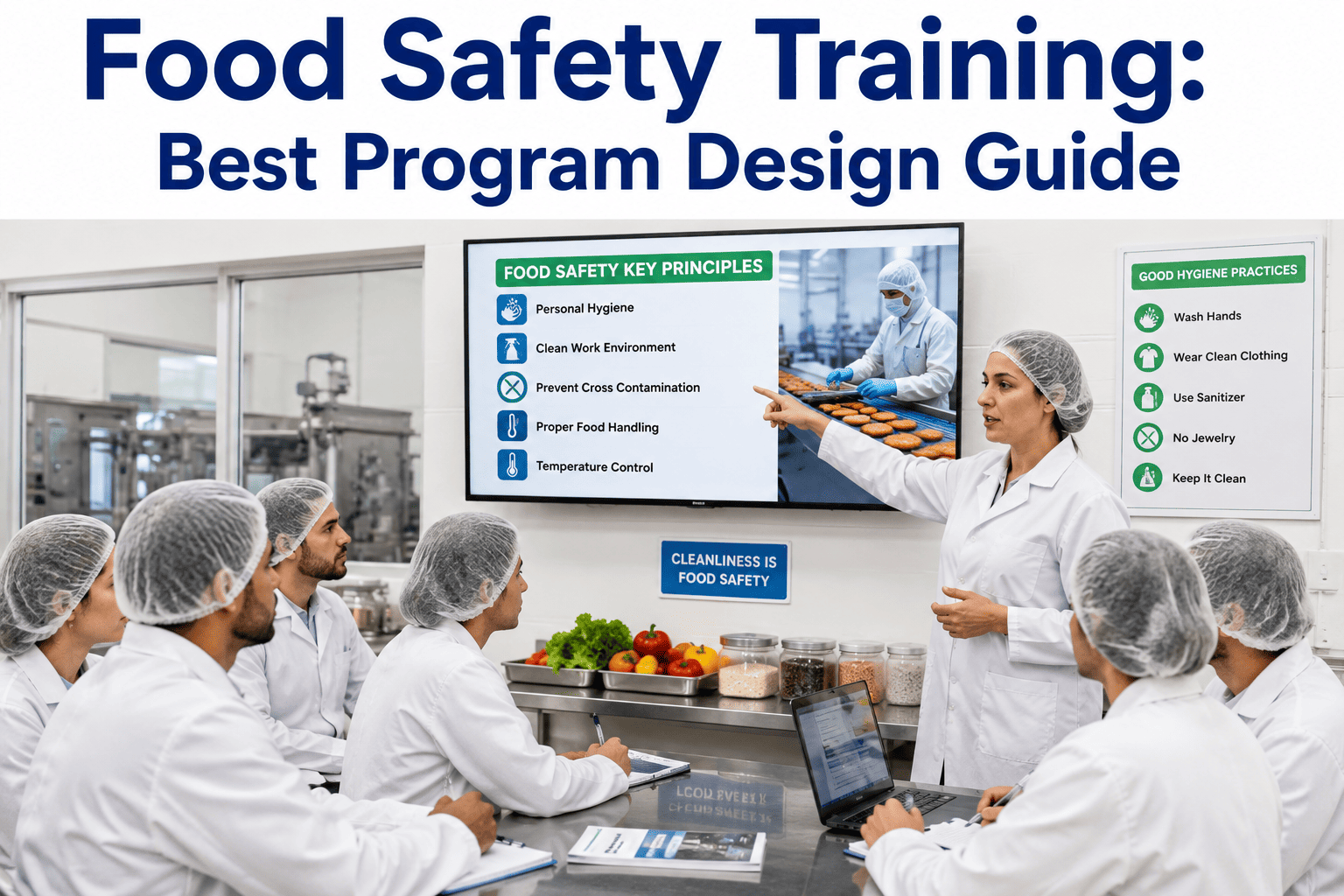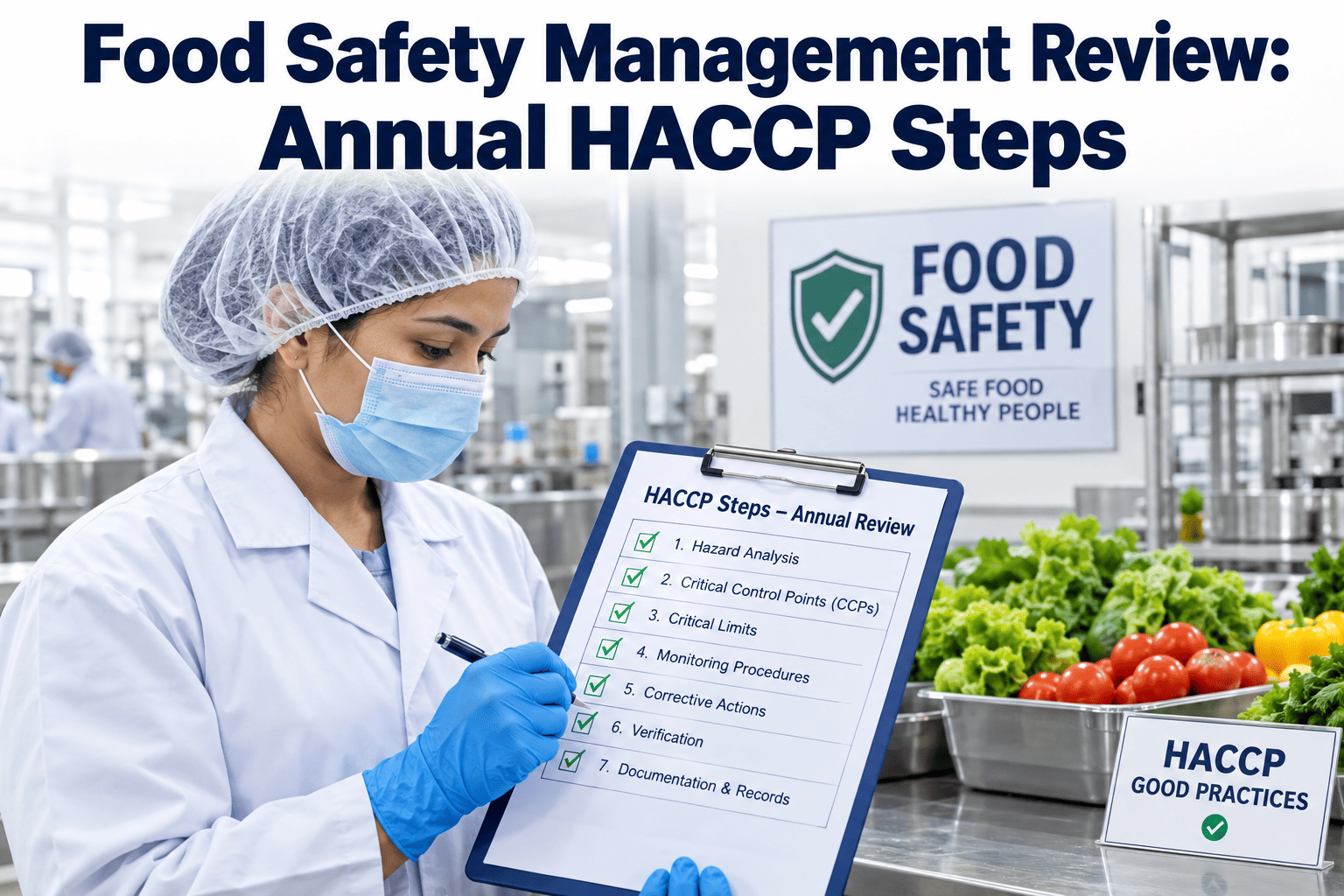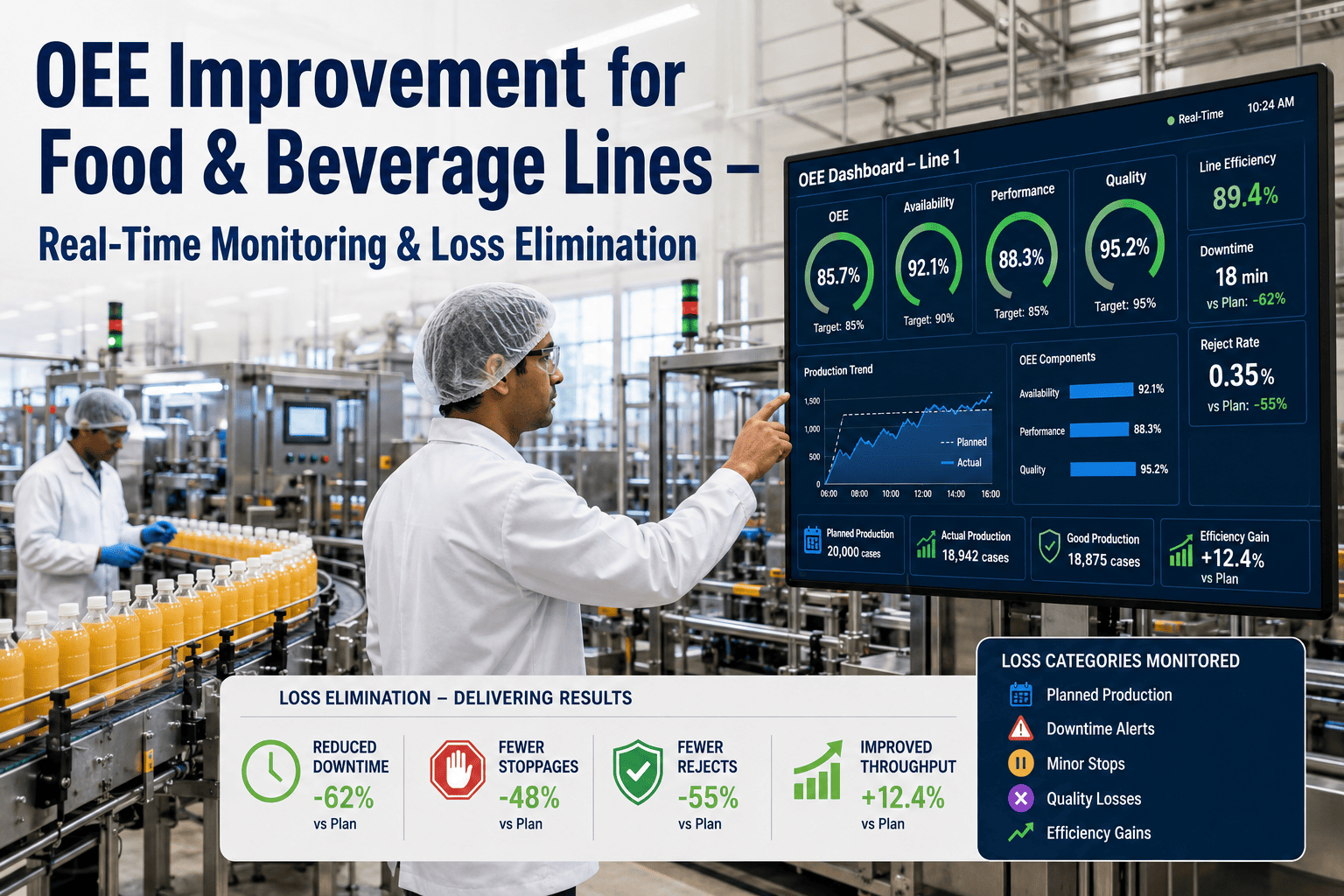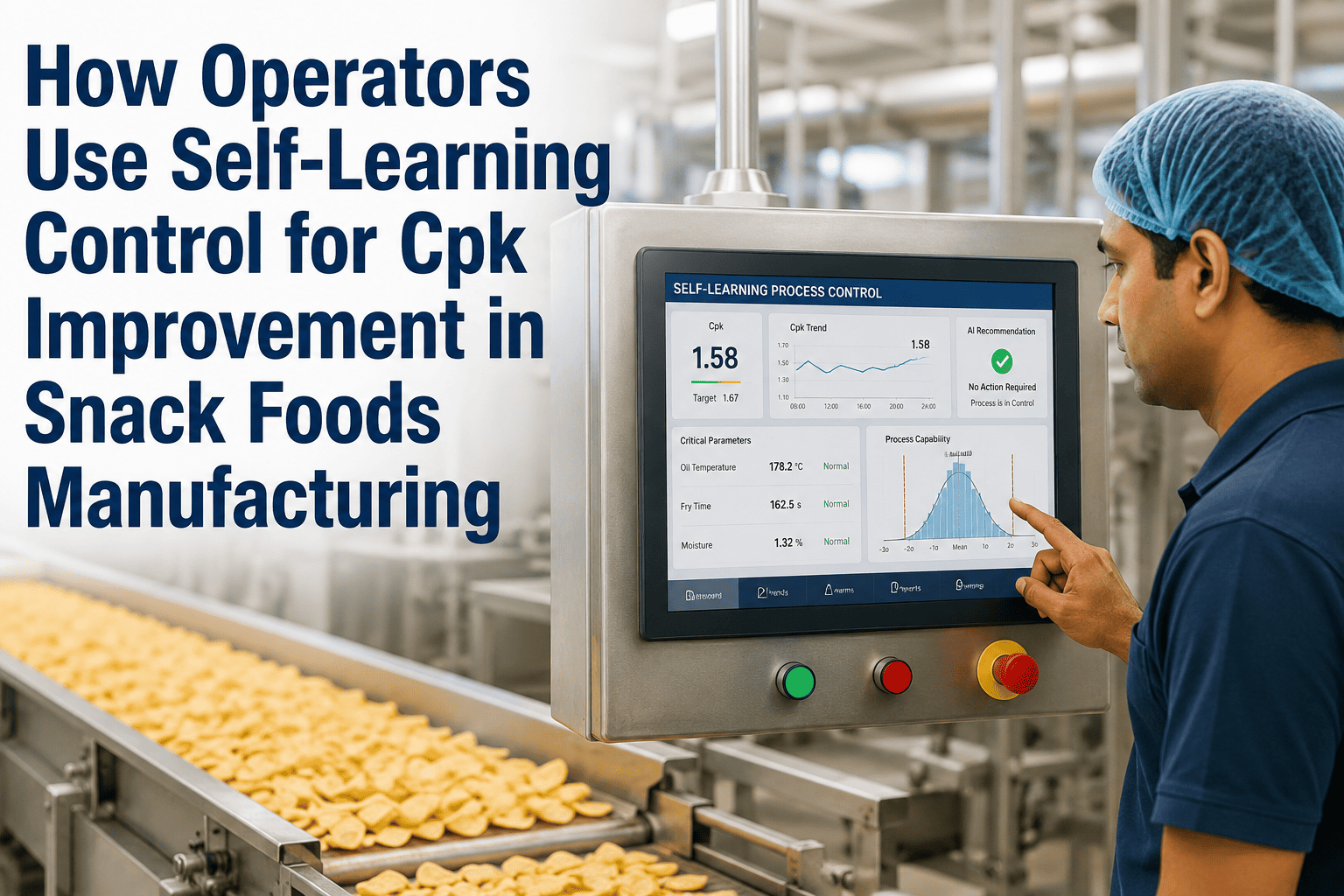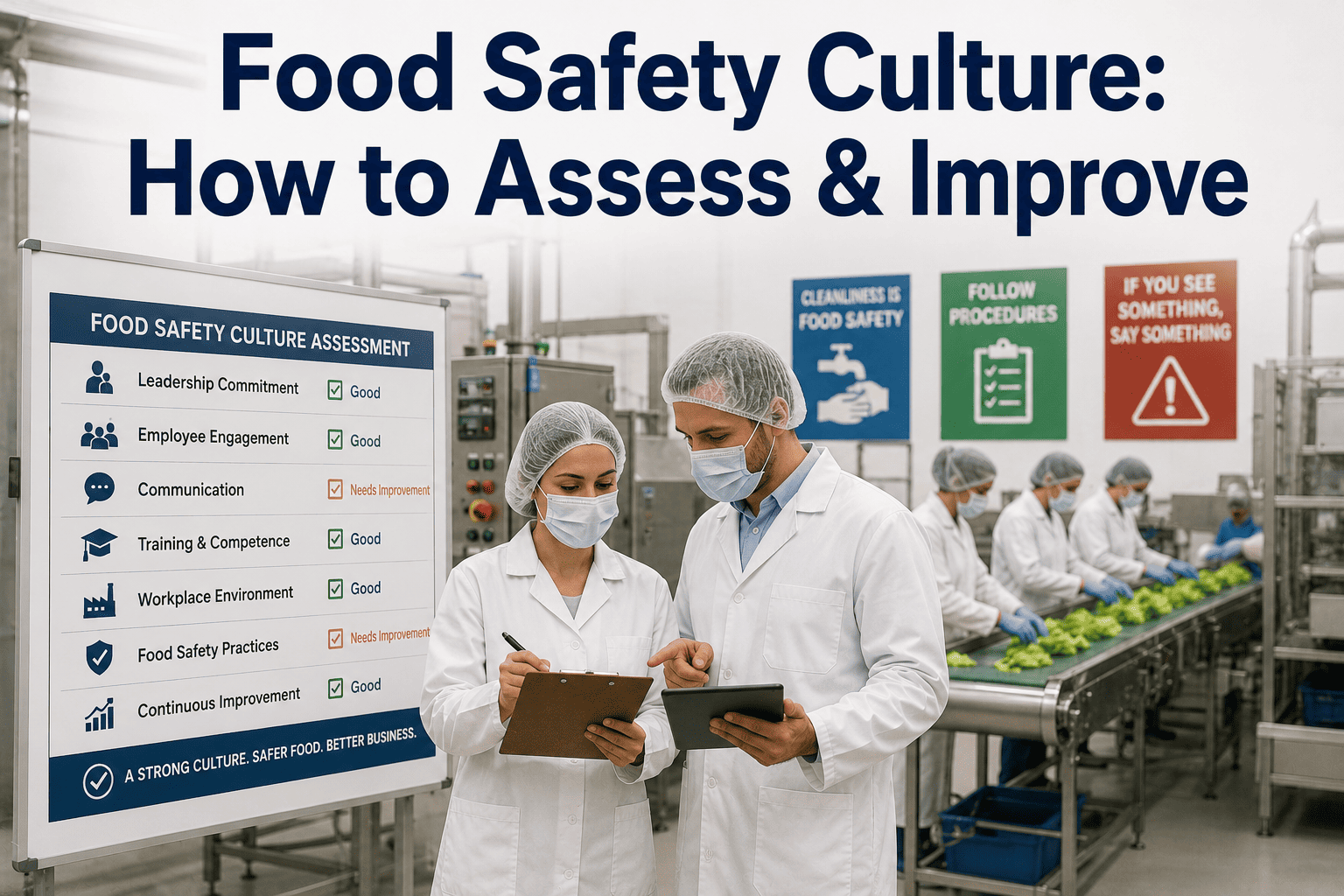
Walk into any food manufacturing plant and ask ten different employees what happens when they spot a hygiene violation on the line. If you get ten different answers — or worse, a shrug — that plant does not have a food safety culture, no matter how many SOPs are laminated on the wall. GFSI-benchmarked schemes now require documented proof that food safety values are actually lived on the floor, not just written in a binder nobody reopens after onboarding. Auditors interview operators at random, watch how supervisors react to deviations, and check whether corrective actions close in days rather than months. Plants that treat culture as a checkbox routinely fail this section even when every physical control is airtight. See how iFactory helps manufacturers turn culture into a measurable system on our support page.
What Food Safety Culture Really Means — And Why GFSI Made It Mandatory
Food safety culture is the set of shared values, beliefs, and everyday behaviors that determine whether people do the right thing when nobody is watching. GFSI added explicit culture requirements to its benchmarking framework because certificates and procedures alone were not preventing recalls — plants with perfect paperwork kept failing on the floor. A documented culture program now needs measurable objectives, defined roles, communication mechanisms, and evidence that leadership actively reinforces safe behavior rather than just approving budgets for it. This shifts food safety from an inspection-day performance into a daily operating habit, and it is exactly the gap that trips up plants that are otherwise technically compliant.
Communication
How consistently food safety expectations travel from leadership down to the newest line worker, and how easily concerns travel back up.
Adaptability
How quickly teams adjust behavior when a new hazard, recall, or process change is identified, without waiting for a formal directive.
Employee Empowerment
Whether frontline staff feel safe stopping the line or flagging a deviation without fear of blame or retaliation.
Hazard Awareness
How accurately employees at every level understand the specific risks tied to their own tasks and equipment.
Management Commitment
Visible, resourced leadership involvement in food safety — walkthroughs, budget approvals, and follow-through on findings.
Not sure where your plant currently stands on these five dimensions? Book a demo and we will walk through a sample culture scorecard using your own audit history.
How to Assess Your Plant's Food Safety Culture
A credible culture assessment blends what people say with what they actually do. Surveys alone tend to score high because employees answer the way they think they should. A proper assessment layers four independent data sources, then checks whether they agree with each other — disagreement between what a survey says and what the shift log shows is usually where the real risk sits.
Anonymous Culture Survey
A short, validated questionnaire covering all five GFSI dimensions, run quarterly so trends are visible rather than a single snapshot.
Behavioral Floor Observation
Trained observers score actual practices against SOPs during normal production, not staged walkthroughs, across multiple shifts and lines.
Leadership Walkthrough Frequency
How often plant managers and supervisors are physically present on the floor discussing food safety, tracked and logged, not assumed.
Incident and Near-Miss Review
Time-to-report and time-to-close metrics on deviations, near misses, and corrective actions, which expose whether reporting is actually rewarded.
Scoring and Benchmarking
Combine all four inputs into a single weighted culture score, benchmarked against your own history and, where available, sector peers.
Turn Culture Assessment Into an Ongoing System
iFactory digitizes the survey, observation, and incident data behind your culture score so it updates automatically instead of living in spreadsheets. Book a demo to see the live scorecard.
Culture Assessment Methods Compared
Different assessment methods surface different blind spots. Most GFSI-ready plants use a hybrid of at least two methods rather than relying on any single tool.
| Method | What It Measures | Typical Frequency | Best Suited For |
|---|---|---|---|
| Anonymous Survey | Perceived attitudes, trust, psychological safety | Quarterly | Tracking sentiment trends over time |
| Behavioral Observation | Actual on-floor practices versus written SOPs | Monthly, rotating shifts | Verifying whether training translates to action |
| Leadership Walkthrough Log | Visible management engagement and follow-through | Weekly | Proving management commitment to auditors |
| Incident and CAPA Analytics | Reporting speed, closure time, repeat findings | Continuous | Detecting silent culture erosion early |
| Hybrid AI-Assisted Monitoring | All of the above, correlated automatically | Continuous | Multi-site plants needing consistent scoring |
Management Commitment: The Indicators That Actually Matter
Auditors are trained to look past mission statements and check for tangible evidence of leadership follow-through. These four indicators consistently separate plants that pass the culture section from plants that get flagged.
Documented Floor Presence
Logged, dated walkthroughs by plant leadership with specific observations, not generic sign-off sheets.
Resource Follow-Through
Budget approvals and equipment fixes tied directly to findings raised by frontline staff, tracked to closure.
Response Speed
Median time between a reported hazard and a visible corrective action, reviewed monthly by senior leadership.
Recognition Programs
Formal acknowledgment when employees stop a line or flag a risk, reinforcing that reporting is rewarded, not punished.
Measuring Employee Engagement in Food Safety
Engagement is the hardest culture dimension to quantify because it lives in daily micro-behaviors rather than a single metric. The most reliable proxies combine participation data with reporting behavior over rolling time windows.
Near-misses reported per 1,000 labor hours, compared against a rising or falling trend line.
Post-training quiz scores measured again at 90 days, not just immediately after the session.
Employee-submitted process improvement ideas related to hygiene, sanitation, or hazard controls.
Instances of employees correcting each other's practices without supervisor intervention.
Common Mistakes That Undermine a Culture Program
Most culture programs fail not from lack of effort but from a handful of repeatable, avoidable mistakes. Watching for these keeps a program credible in front of both employees and auditors.
Running surveys without acting on results. Employees stop answering honestly once they see feedback disappear into a report nobody references again.
Treating culture as a training-only initiative. A single annual training session cannot offset daily behaviors that contradict it on the floor.
Punishing the messenger. Any disciplinary action tied to a near-miss report will suppress future reporting almost immediately.
Scoring culture once a year. Annual snapshots miss the gradual drift that leads to a failed audit or a preventable recall.
Ready to replace spreadsheet tracking with a live culture dashboard? Schedule a demo or contact support to discuss your current GFSI scheme.
Frequently Asked Questions
Build a GFSI-Ready Culture Program That Runs Itself
iFactory connects surveys, floor observations, leadership walkthroughs, and incident data into one continuously updated culture score — audit-ready at any moment, not just before inspection week.