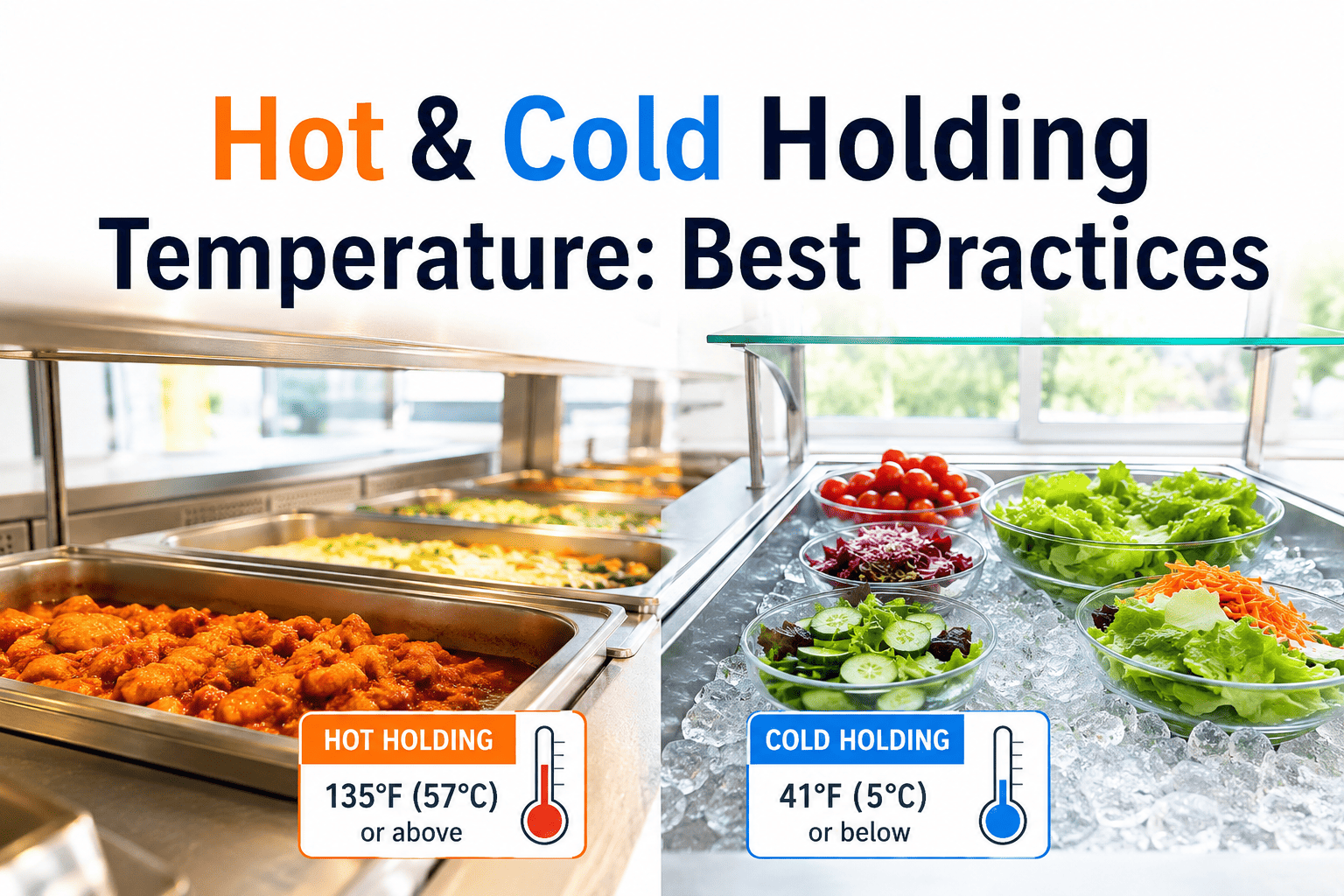
A single buffet line, catering event, or grab-and-go case that drifts out of its required holding range for even twenty minutes can turn a routine service period into a reportable food safety violation, and most operators only discover the drift after a health inspector's probe thermometer finds it first. Hot holding units are required to keep potentially hazardous food at 135°F or above, while cold holding units must stay at 41°F or below, and the gap between those two numbers is exactly the temperature danger zone where bacteria multiply fastest. Buffet lines, salad bars, deli cases, and grab-and-go coolers are the highest-risk holding points in any food service or retail operation because they combine long dwell times with frequent door openings and inconsistent staff monitoring. The good news is that continuous, automated holding temperature monitoring turns this recurring risk into a manageable, documented process rather than a guessing game, and you can see exactly how that works when you book a demo.
FOOD SAFETY · TEMPERATURE MONITORING · HOT & COLD HOLDING COMPLIANCE
Hot Holding, Cold Holding, and the 99°F Gap That Inspectors Care About Most
iFactory's AI-driven sensors track every buffet pan, salad bar well, and grab-and-go case in real time, flagging drift toward the danger zone minutes before a manual temperature log ever would.
135°F+
Hot Holding Minimum
41°F–135°F
Temperature Danger Zone
41°F−
Cold Holding Maximum
WHY HOLDING COMPLIANCE IS HARDER THAN IT LOOKS
The Hidden Difficulty Behind Two Simple-Sounding Numbers
Hot and cold holding requirements sound simple on paper: keep hot food above 135°F and cold food at or below 41°F. In practice, holding equipment rarely maintains a single uniform temperature across every pan, shelf, or well. Steam table wells near the edge run cooler than the center, buffet lamps create hot spots that mask a cold core, and salad bar ice baths lose their cooling capacity steadily over a shift as ice melts and ambient kitchen heat rises. A single spot check with a handheld probe captures one point in time and one location, which means the food sitting six inches away, or the same pan forty minutes later, could already be in violation without anyone knowing until the next manual check or the health inspector's visit.
2 Hours
Maximum cumulative time potentially hazardous food can spend in the danger zone before FDA Food Code requires discard.
70%+
Share of food safety violations tied to time-temperature control that inspectors report finding during holding, not cooking.
Every 4 Hrs
Typical manual holding-temperature check frequency in most kitchens, leaving long unmonitored windows between logs.
24/7
Coverage automated holding sensors provide, including overnight, weekend, and unstaffed periods when drift goes unnoticed.
HOT HOLDING RISK POINTS
Where Hot Holding Breaks Down in Real Kitchens
Hot holding failures rarely happen because equipment is broken. They happen because the equipment is working exactly as designed while the food, staffing pattern, or service style around it changes faster than anyone adjusts for. The situations below are the most common hot holding risk points reported across restaurant, catering, and institutional food service operations.
Buffet Service Lines
Buffet pans are refilled continuously through a service period, mixing freshly cooked food at proper temperature with food that has been sitting under the heat lamp for over an hour. Without continuous per-pan monitoring, the average temperature can look acceptable while the oldest portion in the pan has already dropped below 135°F.
Catering and Off-Site Events
Chafing dishes and insulated carriers lose heat steadily during transport and setup, and staff at an off-site event rarely carry the same monitoring discipline as a fixed kitchen line. A holding unit that reads acceptable at departure can fall out of range well before the event even begins serving.
Grab-and-Go Hot Cases
Convenience and retail hot cases holding items like rotisserie chicken or fried foods are opened and closed dozens of times per hour by customers, each opening introducing ambient air that pulls the internal case temperature down toward the danger zone threshold.
Banquet and Institutional Holding
Large-batch holding cabinets in hospitals, schools, and banquet kitchens hold food for extended service windows measured in hours rather than minutes, meaning even a slow, gradual temperature decline compounds into a real violation by the time the last portion is served.
Stop Relying on Spot Checks to Catch a Continuous Problem
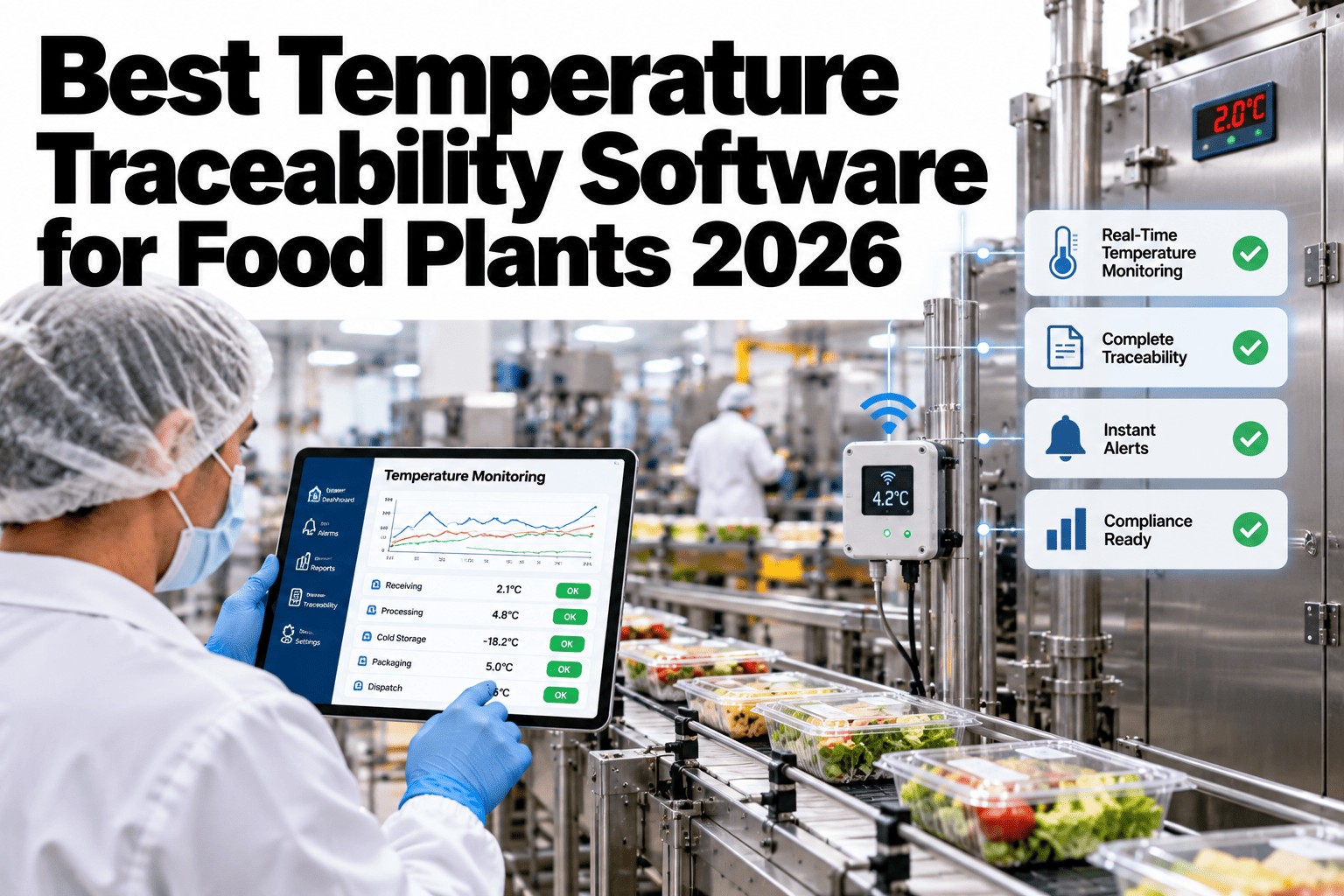
iFactory places wireless temperature sensors directly in your buffet wells, holding cabinets, and cold cases, streaming continuous readings to a dashboard that alerts your team the moment any point drifts toward the danger zone.
COLD HOLDING RISK POINTS
Where Cold Holding Quietly Slips Above 41°F
Cold holding failures tend to be slower and less obvious than hot holding failures, which is exactly what makes them dangerous. A salad bar or deli case that is one or two degrees over the limit does not look or smell different, and by the time visible spoilage appears the food has often been in the danger zone for hours across multiple shifts.
Salad Bars and Ice Baths
Ice-based cold holding depends entirely on ice volume and coverage, both of which decline steadily through a service period. A salad bar that starts a shift at 36°F can drift above 41°F by mid-afternoon without a single alarm unless the temperature is checked continuously rather than at shift start and end.
Deli and Retail Display Cases
Open-front display cases balance refrigeration output against constant ambient air exchange, and a single blocked vent, overloaded shelf, or high store temperature day can push the case above the safe threshold while the compressor continues running normally with no fault code triggered.
Grab-and-Go Cold Cases
Pre-packaged sandwiches, salads, and dairy items sitting in self-service cold cases face the same frequent-door-opening problem as hot cases, compounded by the fact that these items often have no visible spoilage indicator until well after a temperature excursion has occurred.
Prep Station Cold Wells
Sandwich and salad prep stations use insert-based cold wells that are opened continuously throughout service, and the top layer of ingredients in a shallow insert is often the first point to drift above 41°F while the well's thermostat reading, taken from the unit body, still shows compliant.
HOW CONTINUOUS MONITORING WORKS
From Sensor Reading to Corrective Action in Real Time
Continuous holding temperature monitoring replaces the periodic manual check with a always-on data stream, paired with AI analysis that understands what a normal reading pattern looks like for each specific piece of equipment and flags deviations before they become violations.
1
Sensor Placement
Wireless probes are placed at the highest-risk points in each holding unit, including pan edges, well corners, and case airflow paths rather than a single central location.
2
Continuous Streaming
Readings stream every minute rather than every few hours, capturing the short-duration drifts that a manual log schedule would miss entirely.
3
AI Pattern Analysis
The platform learns each unit's normal operating range and trend, distinguishing a brief door-opening dip from a genuine sustained drift toward the danger zone.
4
Threshold Alerting
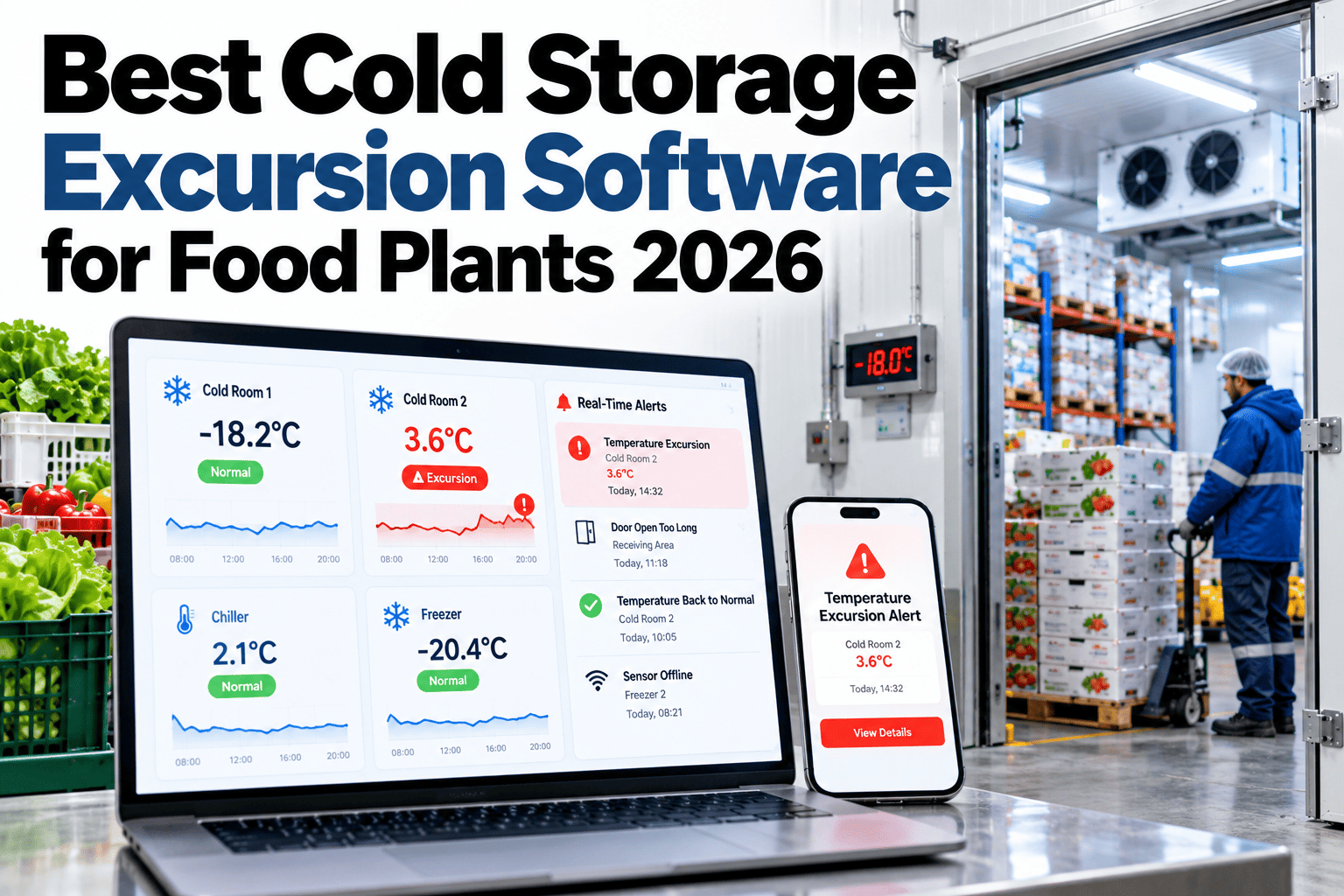
When a reading approaches or crosses the compliance threshold, an alert reaches the responsible staff member's device immediately, with enough lead time to correct the issue before food must be discarded.
5
Automatic Compliance Logging
Every reading is logged automatically into an audit-ready record, eliminating the paper temperature logs that are frequently incomplete, backdated, or missing entirely during an inspection.
MANUAL VS AUTOMATED HOLDING MONITORING
What Changes When Holding Checks Stop Being a Manual Task
The comparison below reflects the operational differences reported by food service and retail teams after replacing scheduled manual temperature checks with continuous automated monitoring across their holding equipment.
| Monitoring Factor |
Manual Spot Checks |
Continuous AI Monitoring |
| Check Frequency |
Every 2–4 hours, dependent on staff schedule |
Every 60 seconds, uninterrupted |
| Coverage During Off-Hours |
None, unless a staff member is present |
Full overnight and unstaffed period coverage |
| Detection of Short Excursions |
Often missed between check intervals |
Captured within minutes of occurrence |
| Record Reliability |
Paper logs prone to gaps or estimation |
Automatic digital record with timestamped data |
| Staff Time Required |
Recurring manual rounds throughout every shift |
Minimal, limited to responding to alerts |
| Response Time to Drift |
Delayed until the next scheduled check |
Immediate alert at the moment of drift onset |
FREQUENTLY ASKED QUESTIONS
What Food Service and Retail Teams Ask About Holding Monitoring
How many sensors does a typical buffet line or salad bar actually need?
Sensor count depends on the size and layout of the holding unit, but most buffet lines require one sensor per two to three pan wells to capture meaningful variation across the line, while salad bars and cold cases typically need sensors at both ends and the center to catch uneven cooling. iFactory's team maps sensor placement to the specific equipment layout during setup rather than applying a generic count, ensuring coverage matches the real risk points rather than just the unit's overall footprint.
Book a demo to get a sensor placement plan built around your actual equipment.
Do the sensors interfere with food handling, cleaning, or health inspections?
The wireless probes are designed to sit alongside food product without obstructing service or cleaning routines, and they are built from food-contact-safe, wash-down-rated materials suited to daily kitchen operations. During health inspections, the automated compliance log typically works in the operator's favor, since inspectors can review continuous, timestamped temperature history rather than relying on the operator's memory or a partially completed paper log.
Contact our support team for sensor specifications and inspection-ready reporting details.
What happens when an alert fires but no staff member is available to respond immediately?
Alerts can be configured to escalate through a chain of staff contacts, moving from the line cook or shift lead to a manager or on-call supervisor if the first alert is not acknowledged within a set window. This escalation path ensures that a drift detected during a busy rush or an unstaffed overnight period still reaches someone capable of taking corrective action rather than going unresolved until the next shift begins.
Book a demo to see escalation configuration options for your staffing model.
Can the same platform track both hot holding and cold holding equipment together?
Yes, the platform is designed to monitor both hot and cold holding equipment simultaneously from a single dashboard, applying the correct threshold logic to each unit type automatically rather than requiring separate systems. This unified view is particularly useful for operations running buffet service alongside a salad bar or grab-and-go case, since staff can monitor the full holding footprint without switching between multiple tools.
Book a demo to see the combined hot and cold holding dashboard in action.
How quickly can a location go from initial contact to having sensors actively monitoring holding equipment?
Most single-location deployments move from initial assessment to active monitoring within one to two weeks, with sensor installation itself typically completed in a single visit that does not require any downtime for the holding equipment. Multi-location rollouts follow a phased schedule based on site count, but each individual location follows the same fast, low-disruption installation process.
Contact our support team to get a deployment timeline scoped to your location count.
The 99-Degree Gap Between Safe and Violation Is Too Small to Monitor by Hand
iFactory's continuous holding temperature monitoring catches drift toward the danger zone in minutes, not hours, keeping your buffet lines, salad bars, and cold cases inspection-ready every single shift. Book a demo and see it running on equipment like yours.