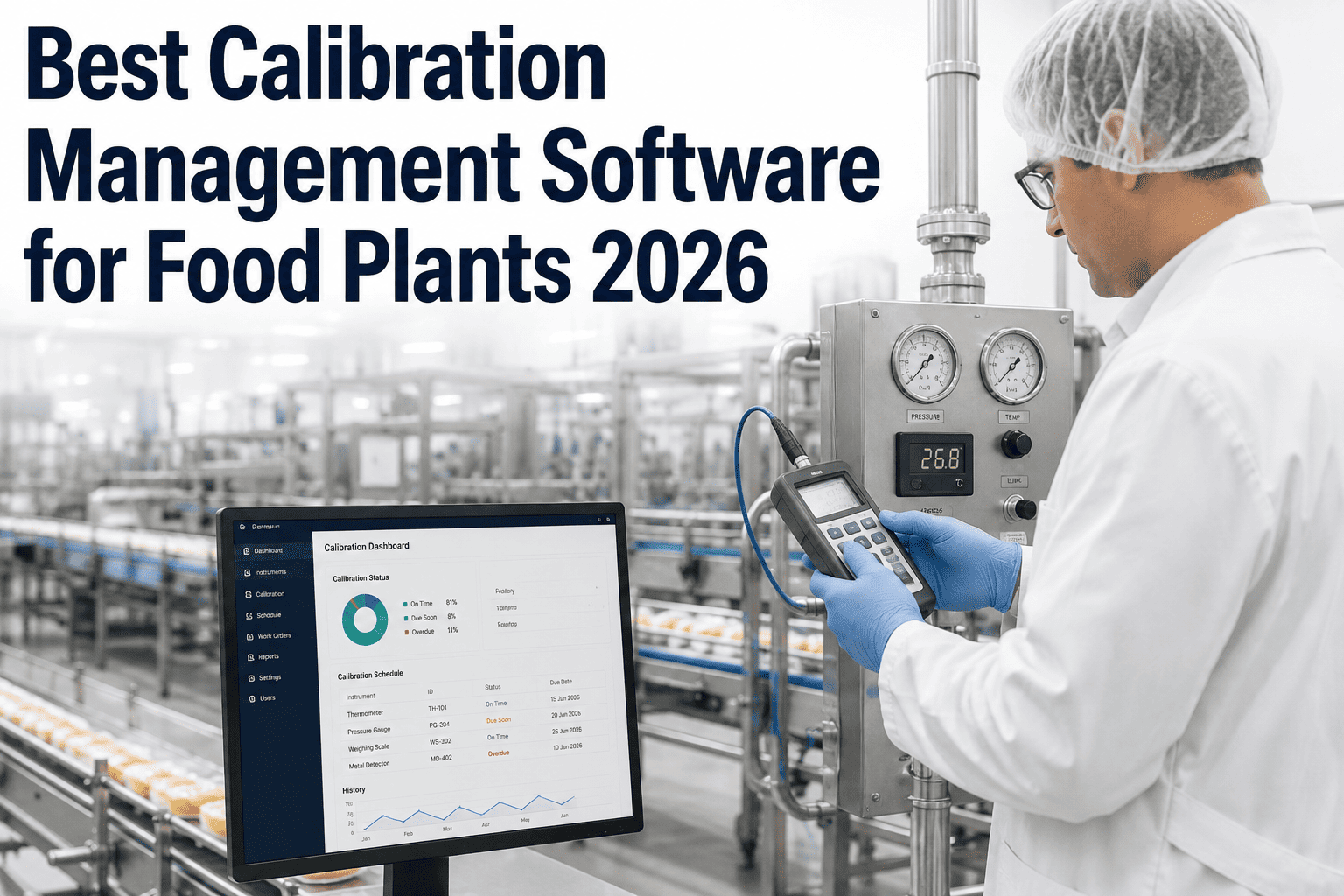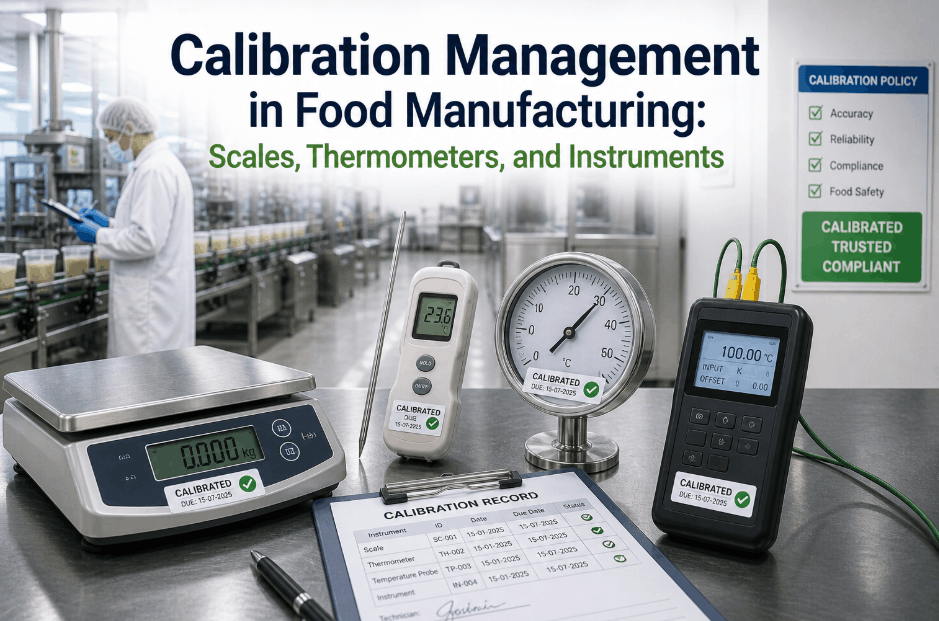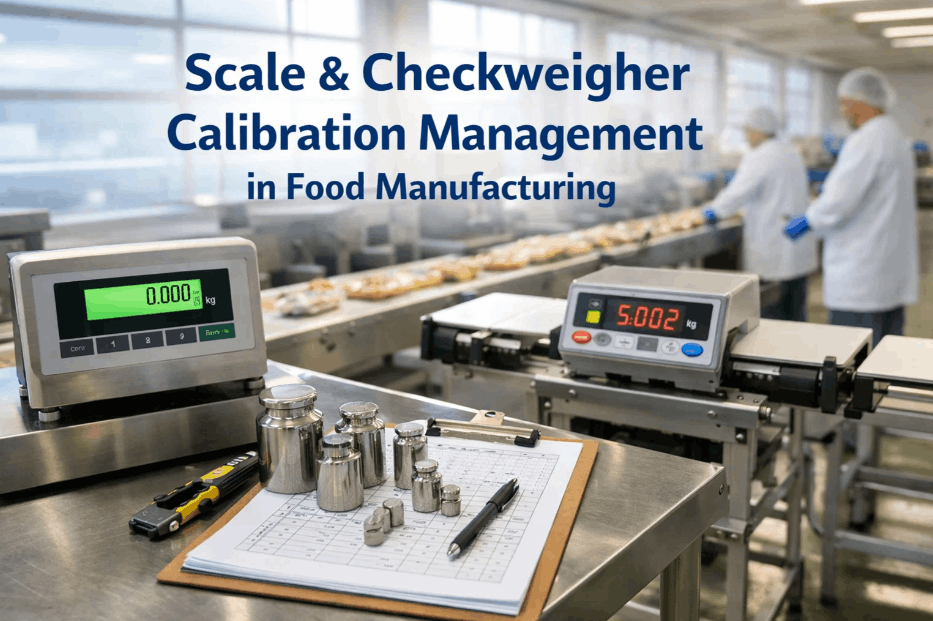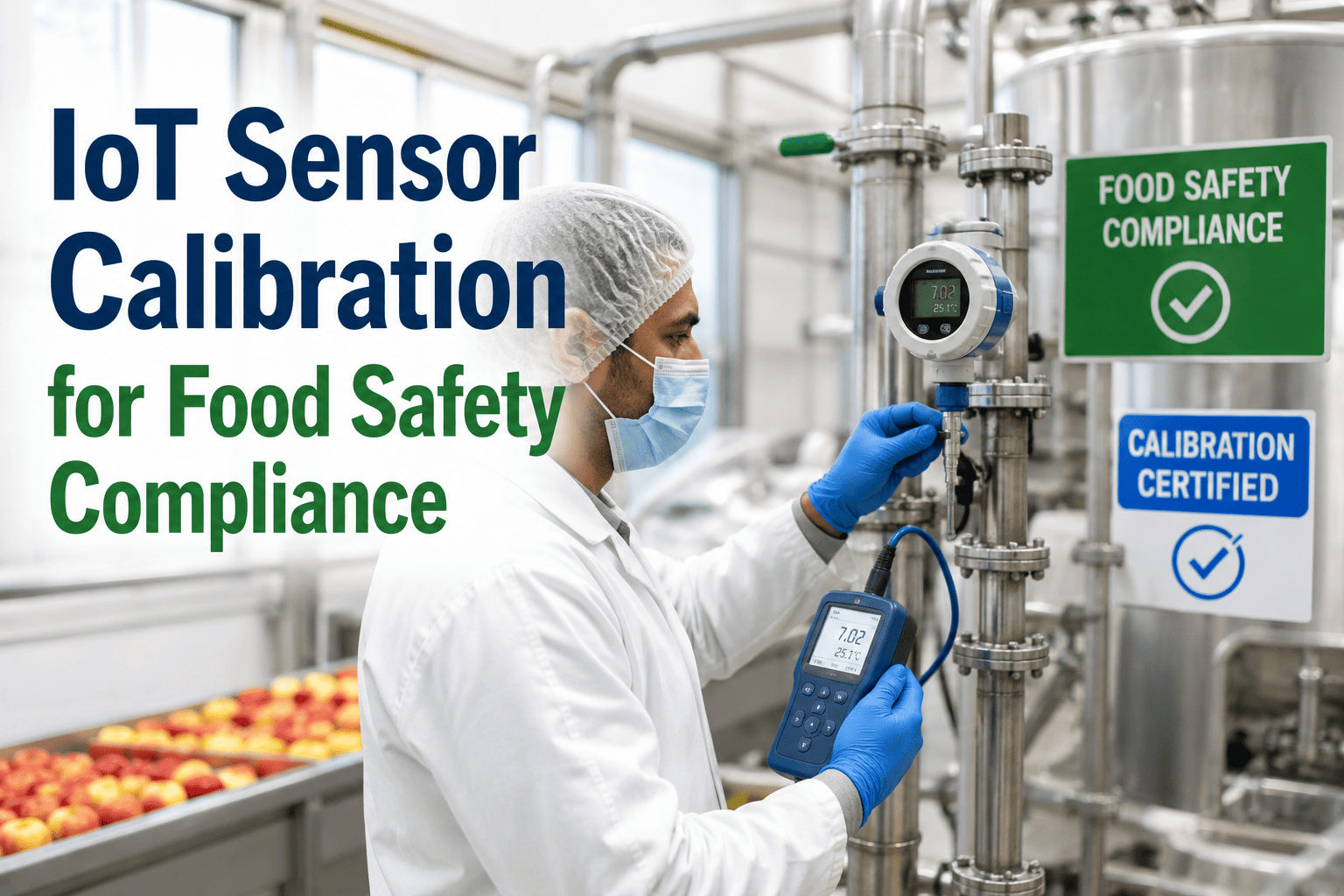
Every temperature reading, every pressure log, every flow measurement a food facility relies on is only as trustworthy as the last calibration performed on the sensor producing it. Yet calibration management across most food operations still runs on spreadsheets, sticky notes on equipment, and a quality technician's memory of when a probe was last checked. A sensor that has silently drifted out of tolerance can pass unnoticed for months, quietly feeding inaccurate data into every food safety decision built on top of it, from cook temperatures to cold storage compliance. Bringing calibration scheduling, traceability, and drift detection into a connected system closes this gap before an inspector or a customer finds it first, which is worth examining through a practical look at automated calibration tracking.
Never Miss a Calibration Deadline Again
iFactory calibration management tracks every sensor's due date, certificate, and drift history automatically, so your food safety data stays trustworthy and audit-ready.
Why Calibration Drift Is So Easy to Miss
Sensor drift does not announce itself. A probe reading two degrees off does not look any different from one reading accurately, which is exactly why calibration cannot rely on visual inspection or intuition.
Typical Calibration Frequency by Sensor Type
Calibration intervals should reflect both manufacturer guidance and the criticality of what the sensor is protecting, not a single blanket schedule applied to every device.
| Sensor Type | Typical Interval | Criticality |
|---|---|---|
| Cook and Kill-Step Temperature | Every 3 to 6 months | Critical food safety control |
| Cold Storage Monitoring | Annually | High, continuous compliance |
| Flow and Dosing Meters | Annually | High, quality and cost impact |
| Ambient Environmental Sensors | Every 12 to 24 months | Moderate, general monitoring |
What a Complete Calibration Management Program Includes
A calibration program built for food safety compliance needs more than a due-date reminder to actually hold up under audit scrutiny.
Spreadsheet Tracking Versus Connected Calibration Management
The gap between spreadsheet-based calibration tracking and a connected system becomes clear the moment facility size or sensor count grows beyond what one person can mentally track.
Stop Chasing Calibration Records at Audit Time
Get automated tracking, digital certificates, and drift detection for every sensor across your facility, ready whenever an inspector asks.
What Inspectors Actually Look For in Calibration Records
Understanding what an auditor checks helps a quality team build a program that holds up under scrutiny rather than one that only looks organized on the surface.
Frequently Asked Questions
Can calibration management software detect drift before a sensor is due for its scheduled calibration?
Yes, this is one of the most valuable capabilities a connected calibration platform offers beyond simple due-date tracking. By continuously comparing a sensor's readings against known reference points, redundant sensors in the same zone, or historical performance patterns, the system can flag sensors that appear to be drifting faster than expected well before their next scheduled calibration date arrives. This early warning allows a quality team to pull a suspect sensor for verification proactively rather than waiting for a scheduled interval to discover a problem that may have been affecting data quality for weeks or months already. Book a demo to see drift detection capabilities in action.
Who is typically responsible for performing sensor calibration, an internal team or a third party?
Both approaches are common and the right choice often depends on facility size, sensor complexity, and whether internal staff have the training and reference equipment needed to perform calibration to the required accuracy standard. Larger facilities with dedicated quality engineering teams frequently perform routine calibration internally using traceable reference standards, reserving third-party calibration services for specialized equipment or as an independent verification check on a sampling basis. Smaller facilities more often rely entirely on accredited third-party calibration providers, which shifts the compliance burden to ensuring those providers deliver proper documentation rather than managing the calibration process directly. Contact support to discuss internal versus outsourced calibration workflows.
What happens if a sensor is found out of tolerance during a scheduled calibration check?
When a sensor fails calibration, the standard practice is to first assess how far out of tolerance it was and for how long it may have been drifting, since this determines whether any data collected during that period needs further quality review. The sensor itself is typically adjusted or replaced, and the entire event, including the as-found reading, the corrective action taken, and any affected data range, should be documented as part of the facility's quality record. A calibration management platform that automatically flags which production periods or monitored zones relied on that specific sensor makes it much faster to determine whether any downstream decisions need to be revisited. Book a demo to see out-of-tolerance workflow automation.
Do all sensors in a food facility require the same level of calibration rigor?
No, calibration rigor should scale with the criticality of the control point the sensor supports, and treating every sensor identically usually means either overspending on low-risk monitoring points or underspending on genuinely critical control points. A temperature probe verifying a kill-step cook process directly protects food safety and typically warrants tighter tolerance requirements and more frequent verification than an ambient humidity sensor in a general storage area that serves a more general monitoring purpose. Building a tiered calibration program based on documented risk assessment, rather than a single uniform policy, is both more defensible during an audit and more cost-effective operationally. Contact support to design a tiered calibration program for your facility.
How does calibration management scale across a food company with multiple facilities?
Multi-site calibration management works best when every facility uses a shared platform with a consistent data structure, allowing corporate quality teams to see calibration compliance status across every location from a single dashboard rather than requesting individual reports from each site manager. This centralized visibility also makes it possible to identify company-wide patterns, such as a particular sensor model that consistently drifts faster than expected across multiple facilities, information that would be nearly impossible to spot when each site manages its own spreadsheet independently. Standardizing on shared calibration intervals and documentation formats across sites, while still allowing for facility-specific risk adjustments, tends to produce the most consistent audit outcomes company-wide. Book a demo to see multi-site calibration visibility.
Trust Every Reading Your Sensors Report
iFactory keeps every sensor in your food facility calibrated, documented, and audit-ready automatically, so your data is never the weak link.