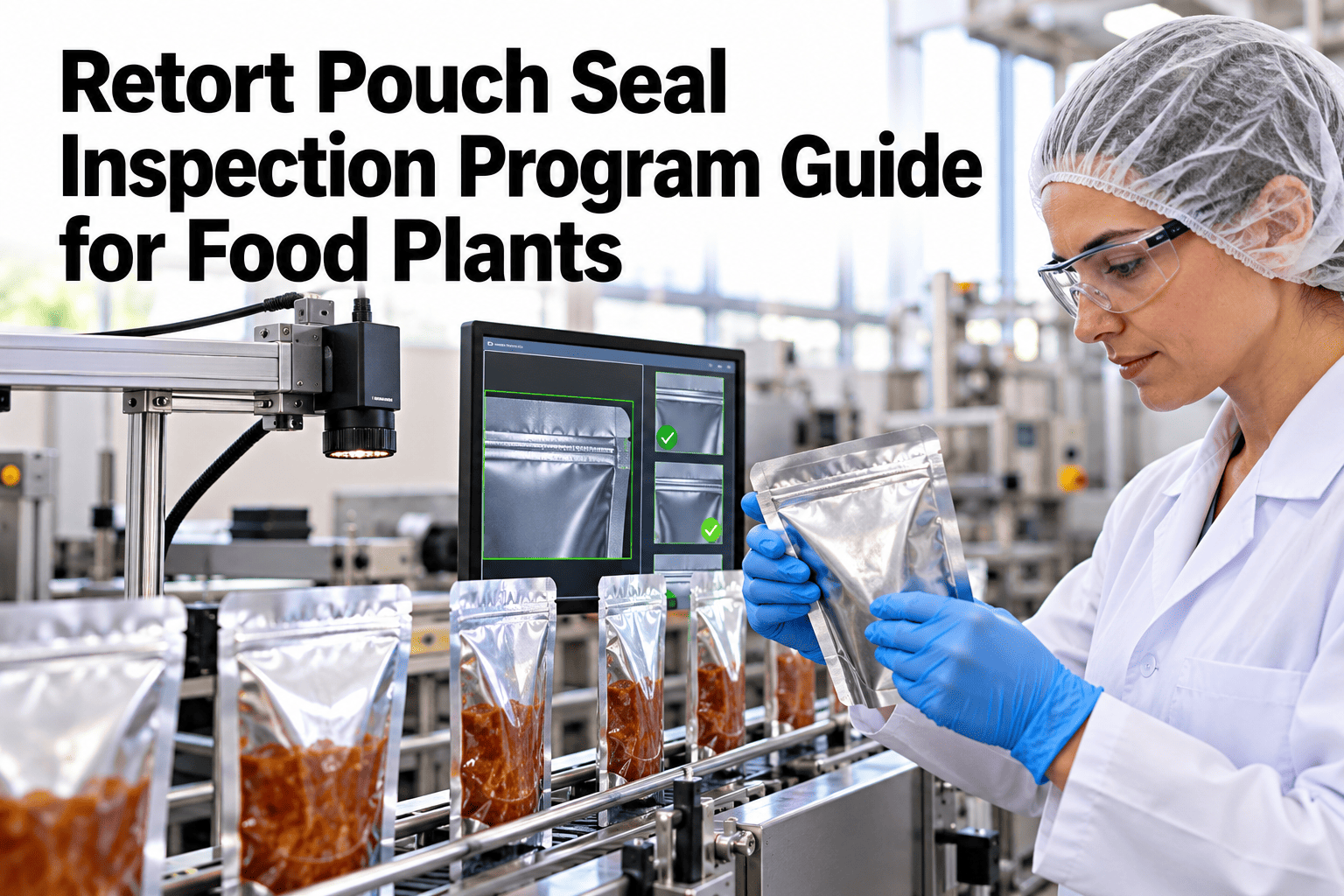
A retort pouch seal has to survive conditions no ordinary package seal ever faces, high heat, high pressure, and extended processing time, which means a seal defect that would be harmless on a standard flexible package becomes a genuine food safety risk on a retort line. No single inspection method catches every seal failure mode on its own, vision inspection sees surface-level channel and wrinkle defects but misses a weak seal with no visible sign, while burst testing and dye penetration testing catch structural weakness but destroy the sample in the process. A layered inspection program, placing the right method at the right station before, during, and after the retort, is what actually closes the gaps between what each method alone can see, and if you want to review how your current inspection points compare to this layered approach, you can walk through a program review with our team.
Close the Gaps Between Vision, Burst, and Dye Penetration Testing
A layered seal inspection program placing vision, burst testing, and dye penetration at the right stations before, during, and after the retort, so no single method's blind spot becomes a food safety risk.
What Each Inspection Method Can and Can't See
Every seal inspection method has a specific blind spot, which is exactly why a program built on a single method leaves a real gap in coverage.
| Method | What it catches well | What it misses |
|---|---|---|
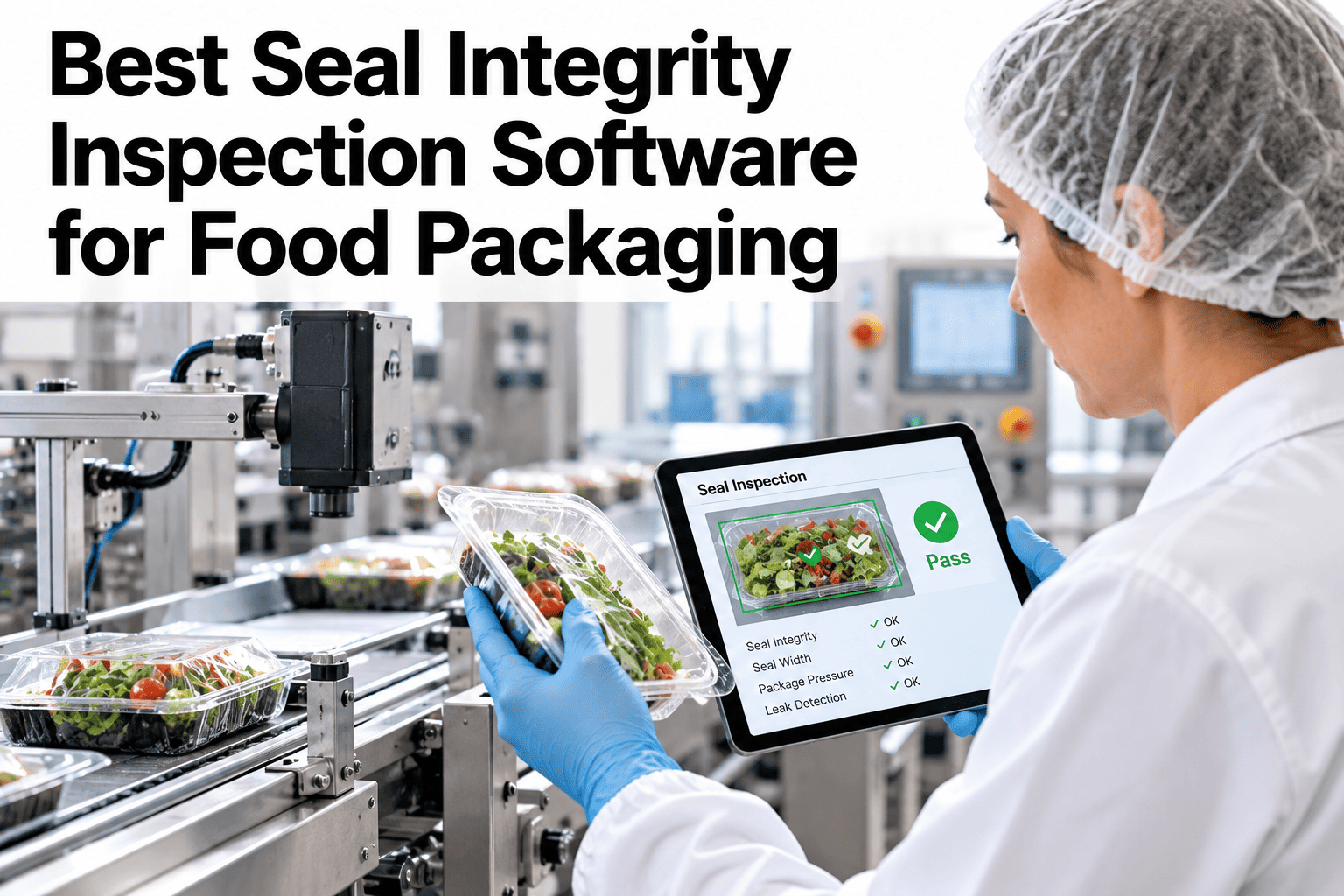
| Vision inspection | Visible channels, wrinkles, contamination in the seal area | A seal that looks clean but is structurally weak |
| Burst testing | Overall seal strength and structural integrity | Localized weak points if the burst point occurs elsewhere first |
| Dye penetration testing | Micro-channels and incomplete seal paths | Seal strength under pressure, since it's a leak-path test, not a strength test |
This is exactly why these methods are complementary rather than redundant, each one catches a failure mode specifically because the others cannot.
Why Station Placement Around the Retort Changes What Gets Caught
The same inspection method can catch different things depending on whether it runs before, during, or after the retort process itself.
Putting a Layered Inspection Program Together
A complete program sequences these checks so each one covers the specific risk introduced at that stage of the process.
Map Your Own Inspection Points Against This Program
Share your current seal inspection process and we will show where the layered approach would add coverage.
What a Seal Failure Actually Risks on a Retort Product
The consequence of a missed seal defect on a retort pouch is categorically different from most other packaging formats, which is why the inspection program carries this much structure.
What iFactory Food Plant Specialists See on Retort Lines
iFactory food plant specialists who support retort pouch inspection programs consistently find that pre-retort vision inspection is the single highest-value addition for plants currently relying only on post-retort destructive testing, since it catches gross defects before the batch commits retort time and energy to pouches that were already going to fail.
They also note that batch-level traceability connecting retort cycle data to the specific pouches in that batch is often the weakest link in an otherwise solid inspection program, and strengthening it significantly improves the ability to investigate a failure after the fact.
What Retort Line Teams Ask About Seal Inspection Programs
Build a Layered Seal Inspection Program for Your Retort Line
Book a session with iFactory AI to design vision, burst, and dye penetration testing placement across your retort process.