A mispackaged case rarely gets caught on the line — it gets caught by a retailer's automated receiving scanner, or worse, by a customer at home who opens a package with the wrong allergen label. Seal failures, underfilled containers, and label mismatches share a common trait: each one is invisible to a human glancing at a moving line for a few seconds per unit, yet each one is exactly the kind of defect that triggers a retailer chargeback or a recall. Packaging quality has quietly become one of the highest-frequency, highest-cost defect categories in food manufacturing, and it is also one of the most solvable with inline AI vision. Book a packaging line assessment to see what your current end-of-line checks are missing.
Every Seal Checked. Every Label Verified. Every Case Correct.
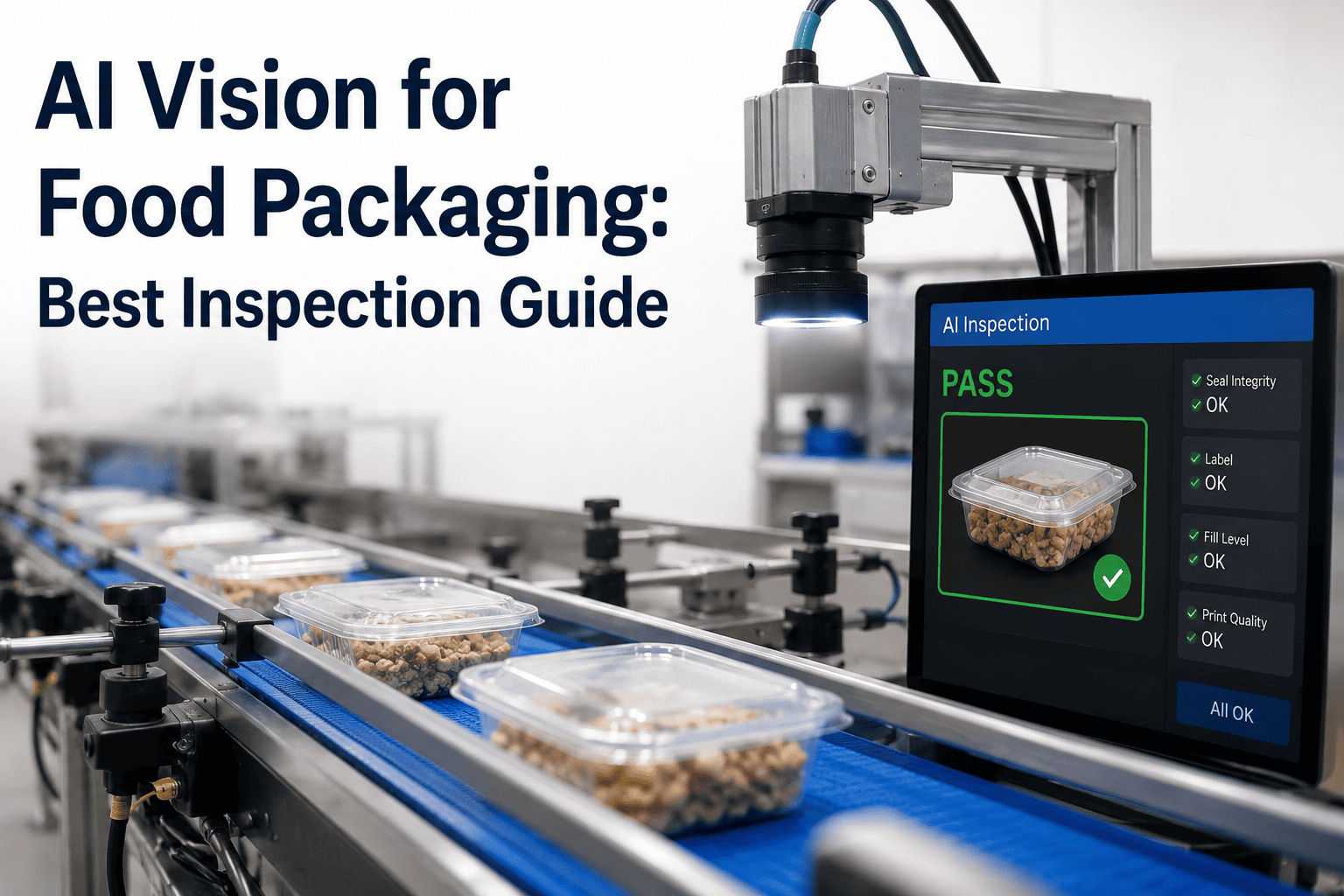
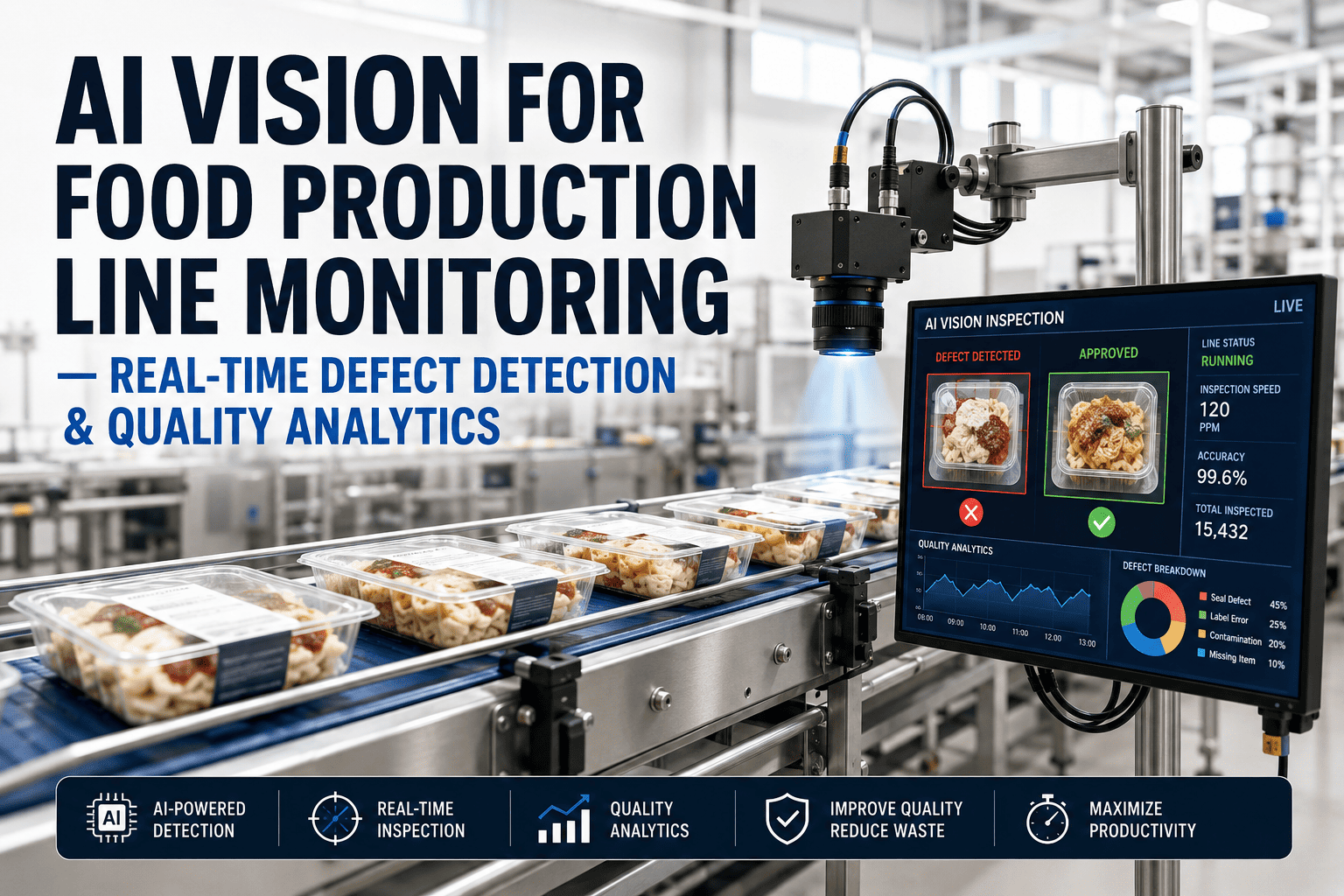
AI vision inspection at line speed catches seal defects, fill-level errors, label mismatches, and date code failures before a single case leaves the dock.
The Real Cost of Packaging Defects
Packaging defects rarely show up as a single obvious failure. They accumulate as chargebacks, shelf-life complaints, and — in the case of a wrong or missing allergen label — a mandatory recall regardless of how small the run was.
of food recalls in recent years were driven by undeclared allergens from label errors
typical seal-defect rate on flexible packaging lines running without inline verification
average retailer chargeback for a shipment failing fill-weight or labeling compliance
inspection window available per unit on a typical high-speed packaging line
The Four Checks Every Package Needs
Packaging quality is not one inspection — it is four separate checks happening in the same fraction of a second, each catching a different failure mode.
Channel leaks, wrinkles, and burn-through
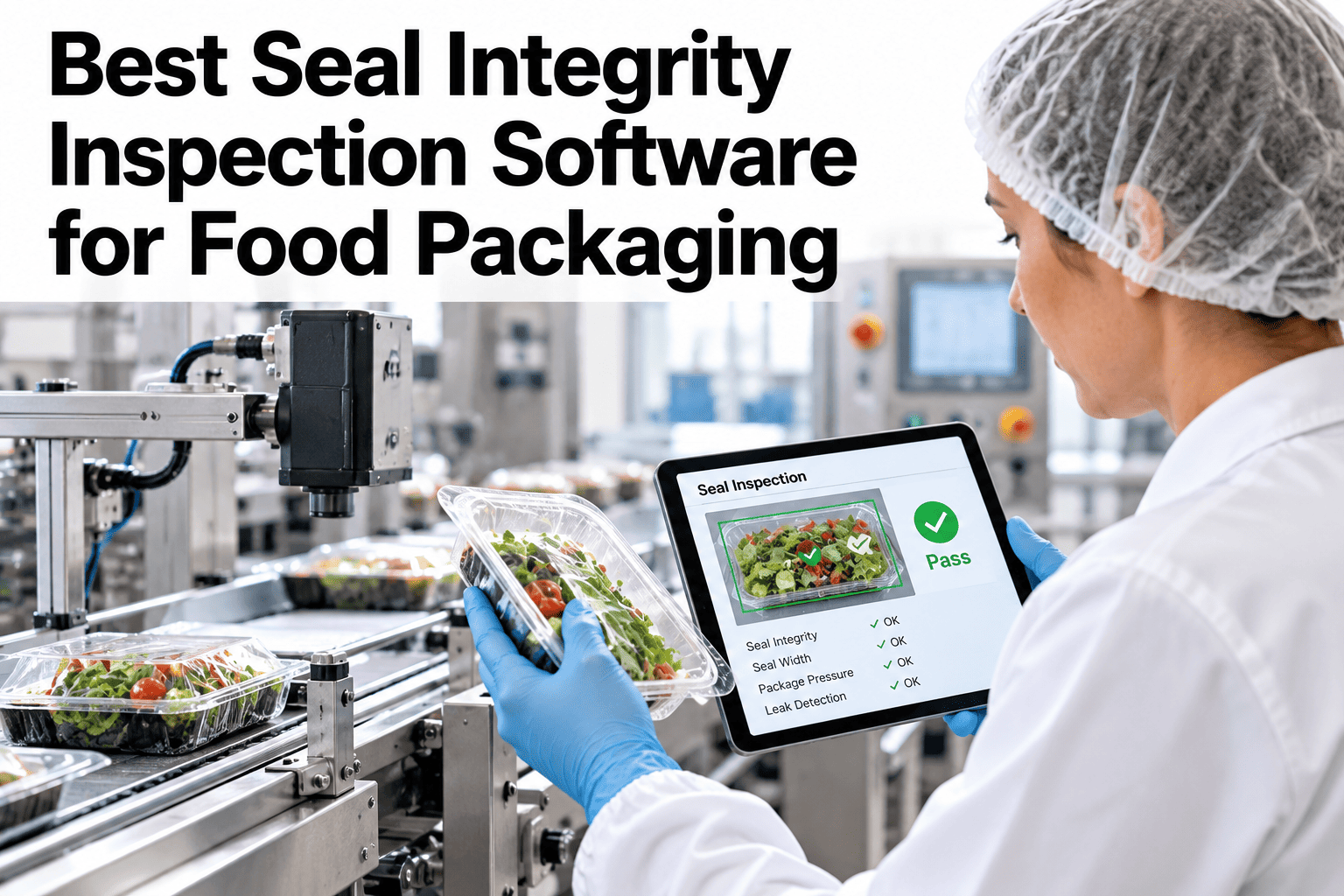
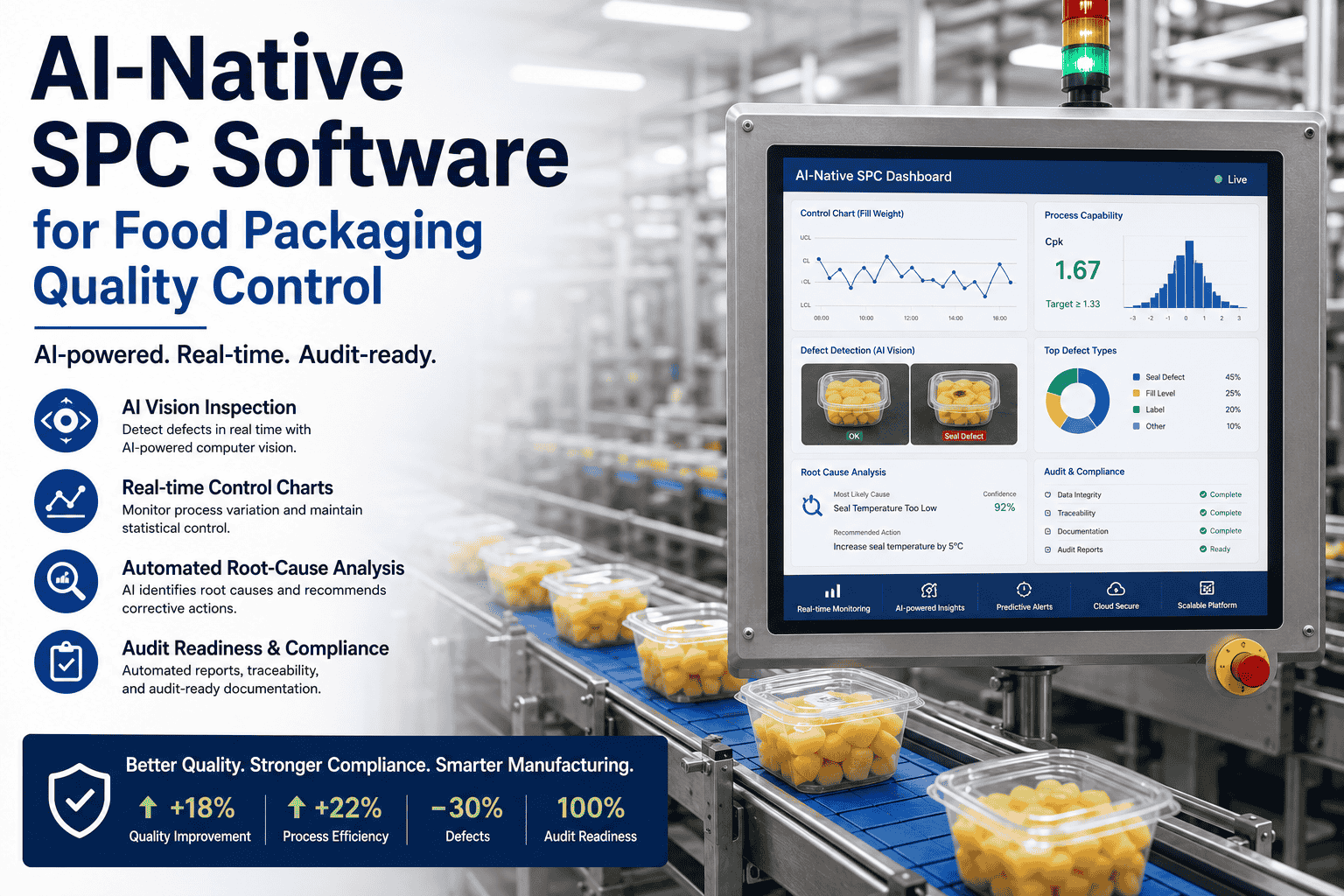
Vision systems trace the entire seal perimeter for contamination, wrinkle channels, and thermal burn marks that pressure testing alone can miss on a moving line.
Underfill, overfill, and headspace variance
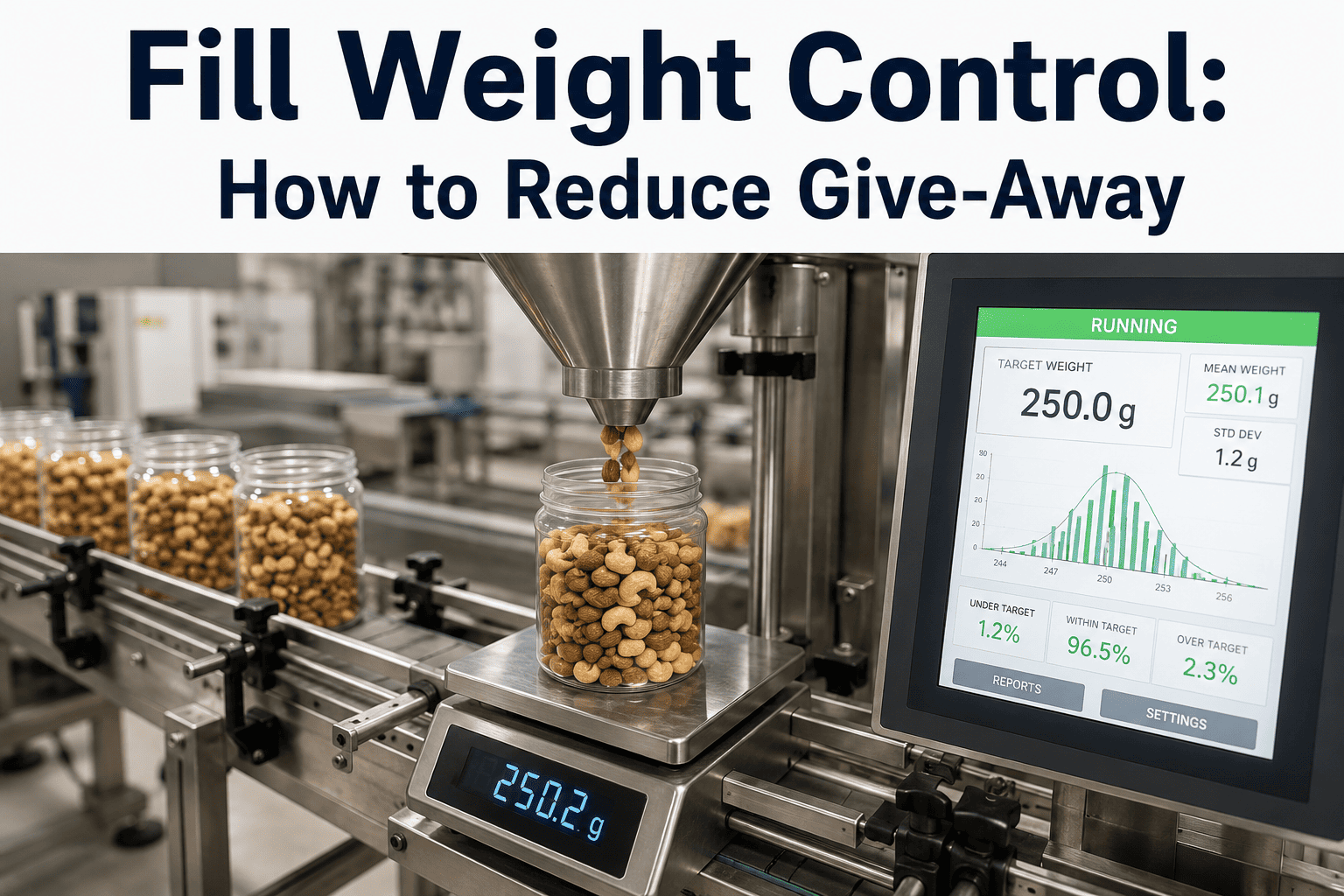
Volumetric and weight-based checks catch fill drift before it becomes a net-weight compliance violation across an entire production run.
Wrong label, allergen mismatch, misalignment
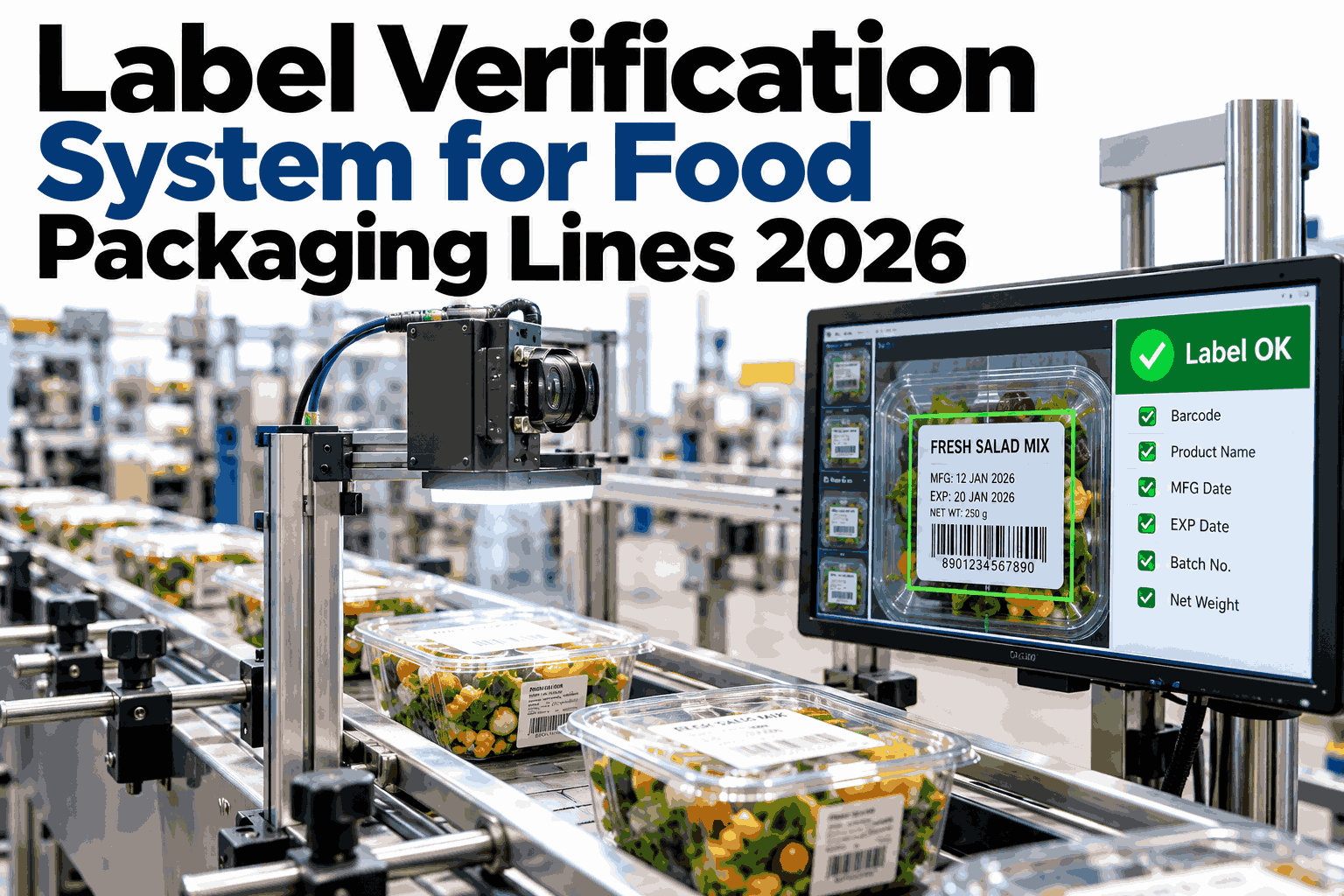
OCR and image matching confirm the label on the package matches the product inside, catching the changeover errors that cause the most severe recalls.
Missing, smudged, or incorrect codes
OCR verification confirms the printed date code is present, legible, and matches the expected production schedule before the case is sealed.
Where Inspection Sits on the Packaging Line
Catching a defect early is always cheaper than catching it late. iFactory places inspection checkpoints at the three stages where a defect is both most likely to occur and cheapest to correct.
Post-fill, pre-seal
Fill level and container integrity verified before the seal is applied, so an underfilled unit is diverted rather than sealed and shipped.
Post-seal, pre-label
Seal perimeter inspected for contamination and wrinkle channels while the unit is still isolated on the line, before secondary packaging adds cost to any rework.
Post-label, pre-case
Label content, alignment, and date code verified against the production order before the unit is packed into a case and out of easy reach.
Watch Your Packaging Line Get Inspected in Real Time
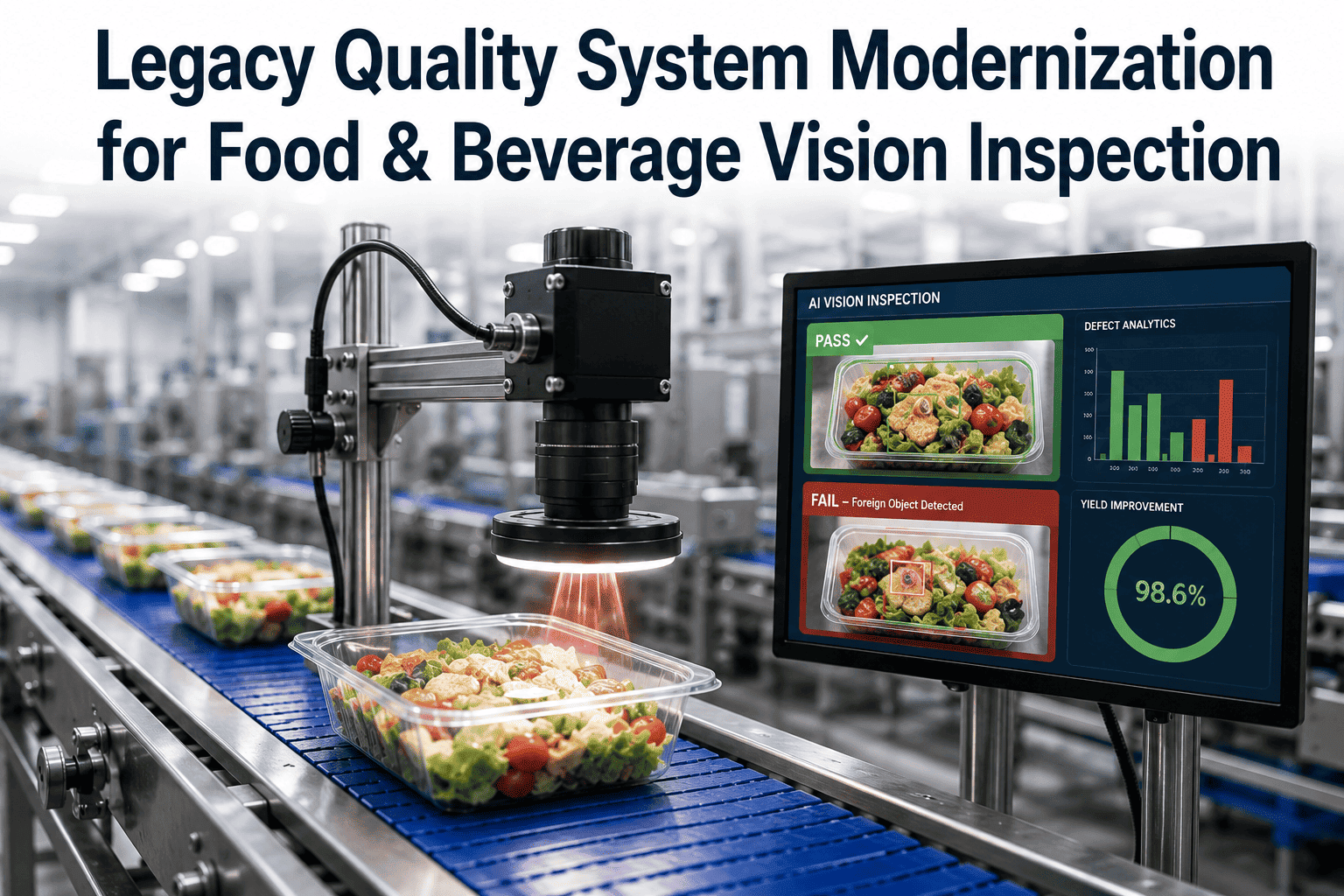
iFactory runs a live demo against your own packaging format, showing seal, fill, label, and date code checks running at your actual line speed.
Reject Rate Benchmarks by Packaging Format
Baseline defect rates vary widely by packaging format. These benchmarks are drawn from lines before inline AI inspection was added, and give a starting point to compare your own reject data against.
What Changes With Inline Packaging Inspection
Figures from typical deployments across flexible pouch and tray-and-lid lines within 90 days of go-live.
A Plant Manager's View on Inline Packaging Verification
We ran a manual check every fifteen minutes and called it coverage. When we mapped our actual chargeback data against production time, most of the failures happened during changeovers — the exact minutes our sampling schedule was least likely to catch. Inline inspection checks every single unit through those changeover windows now, and that is where almost all of our chargebacks used to originate.
reduction in changeover-related packaging defects within one quarter
of units checked per line, versus roughly 4% under manual sampling
from kickoff to full inline verification live on the first line
Frequently Asked Questions
Can vision inspection run at full line speed without slowing production?
Yes. Inspection cameras and processing are sized to the line's actual throughput during scoping, and checks run inline without adding a bottleneck — the inspection happens in the same fraction of a second the unit is already passing through the checkpoint. Book a demo to see it running at your specific line speed.
How does the system tell a cosmetic wrinkle apart from a real seal defect?
The model is trained on labeled examples from your own product showing both acceptable cosmetic variation and true seal failures such as channel leaks or contamination in the seal area. This calibration step during onboarding is what prevents excessive false rejects once the system goes live.
What happens to a unit that fails inspection?
A failed unit triggers an automated reject at the checkpoint, routed to a hold lane for manual review rather than discarded outright. Every reject is logged with an image and the specific failure reason, building a defect history that feeds back into root-cause analysis for the line.
Does this replace our existing checkweigher and metal detector?
No — vision inspection complements rather than replaces weight and metal detection, which remain the correct tools for their specific failure modes. Vision adds coverage for seal, label, and date code defects that neither a checkweigher nor a metal detector is designed to catch.
Can the system verify label content against allergen requirements automatically?
Yes. OCR extracts printed label text and compares it against the expected specification for that SKU and production order, flagging any mismatch including allergen statements before the case leaves the line. Talk to a specialist about your label formats and SKU count.
The Bottom Line on Packaging Quality Inspection
Packaging defects are not rare events — they are a steady background rate that manual sampling was never built to catch at the speed modern lines run. Seal, fill, label, and date code checks running inline, on every unit, turn packaging quality from a periodic spot check into a continuous guarantee, and close the exact gap where most chargebacks and label-driven recalls originate.
See Every Unit Verified on Your Own Line
Book a 30-minute demo. Bring your packaging format and recent chargeback history, and iFactory will show a live inspection run plus a fixed-price pilot proposal scoped to your line.