A process engineer specifying a replacement chiller today is not just picking a capacity and an efficiency rating, they are picking a refrigerant that has to remain serviceable and available for the next fifteen to twenty years of that equipment's operating life, against a phase-down schedule that is actively shrinking R-410A availability year over year. Getting that call wrong means a fully functional system stranded on a refrigerant that becomes progressively harder and more expensive to source. You can walk through how that equipment compatibility assessment gets built by choosing to book a demo with our team.
The R-410A You're Specifying Today May Not Be the R-410A Available in Five Years
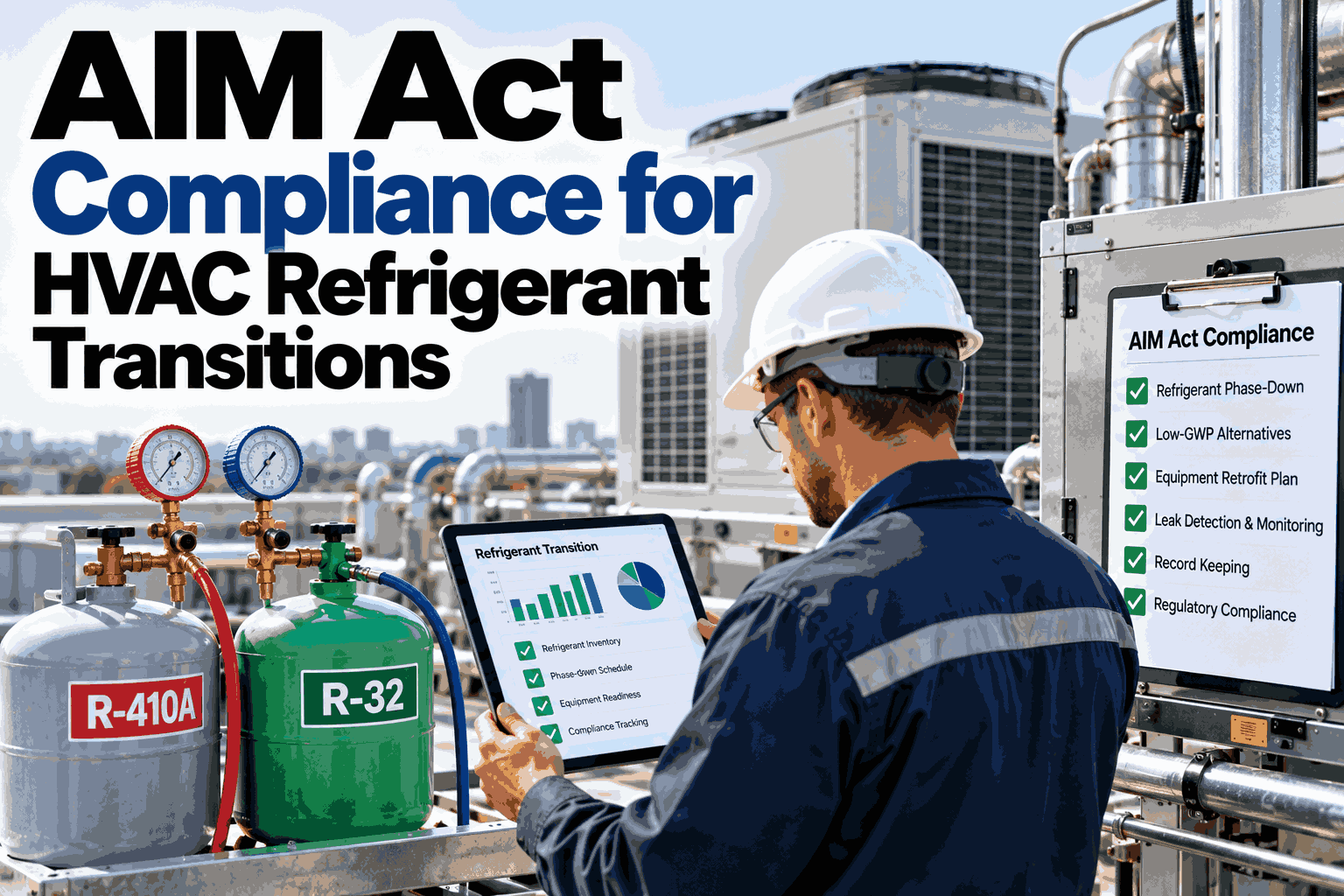
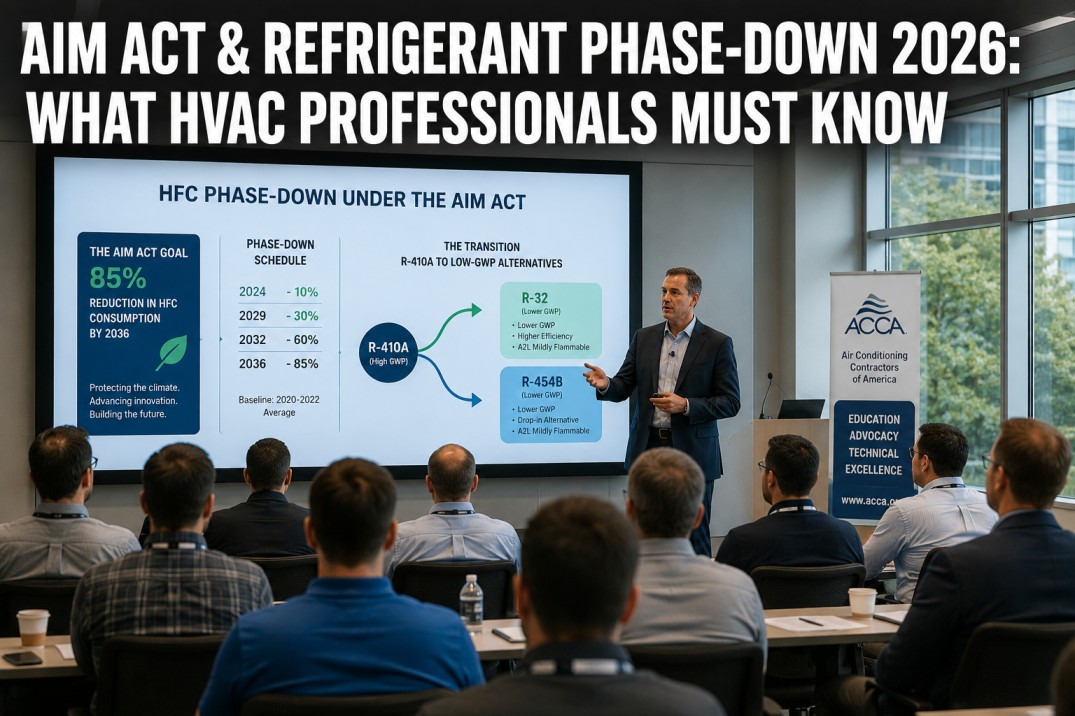
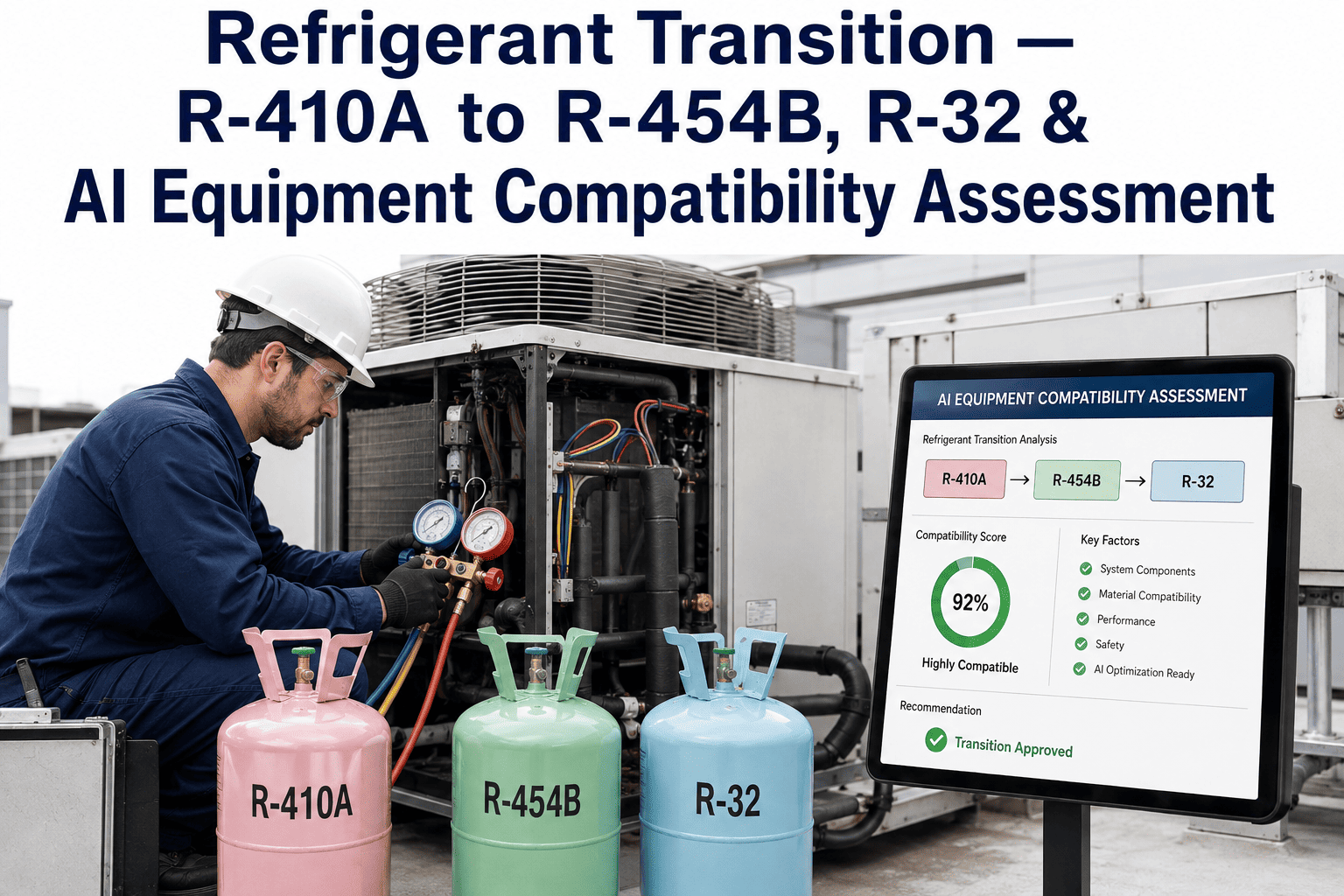
The AIM Act phase-down schedule is steadily reducing HFC production and import allowances, and R-410A sits squarely in the refrigerant class most affected. iFactory helps process engineering teams assess equipment compatibility with R-454B, R-32, and other A2L alternatives so procurement decisions made today do not become stranded assets a few phase-down steps from now.
A2L Refrigerants Bring a Genuinely New Variable: Mild Flammability
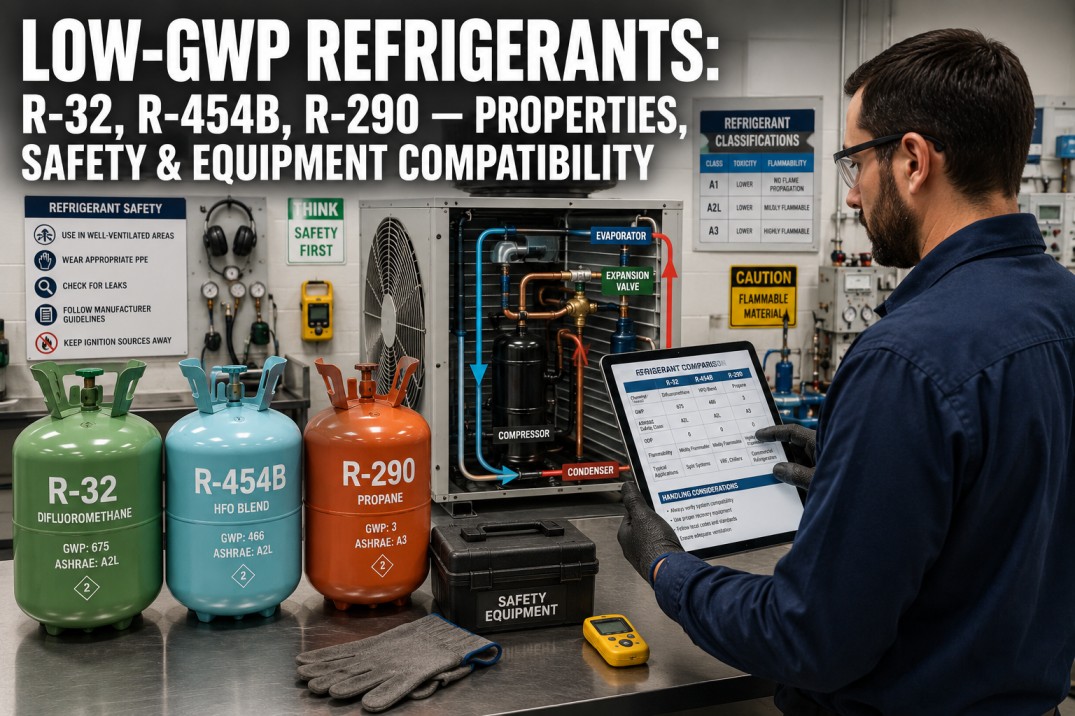
Process engineers who lived through the R-22 to R-410A transition a decade ago sometimes assume the current shift to R-454B and R-32 will follow a similar pattern, a drop-in-adjacent refrigerant swap with modest equipment updates. That assumption undersells what is actually different this time. R-410A is classified as an A1 refrigerant, nonflammable under standard conditions. R-454B and R-32 are classified A2L, mildly flammable, which introduces genuine equipment design and installation requirements that did not apply to the previous transition at all.
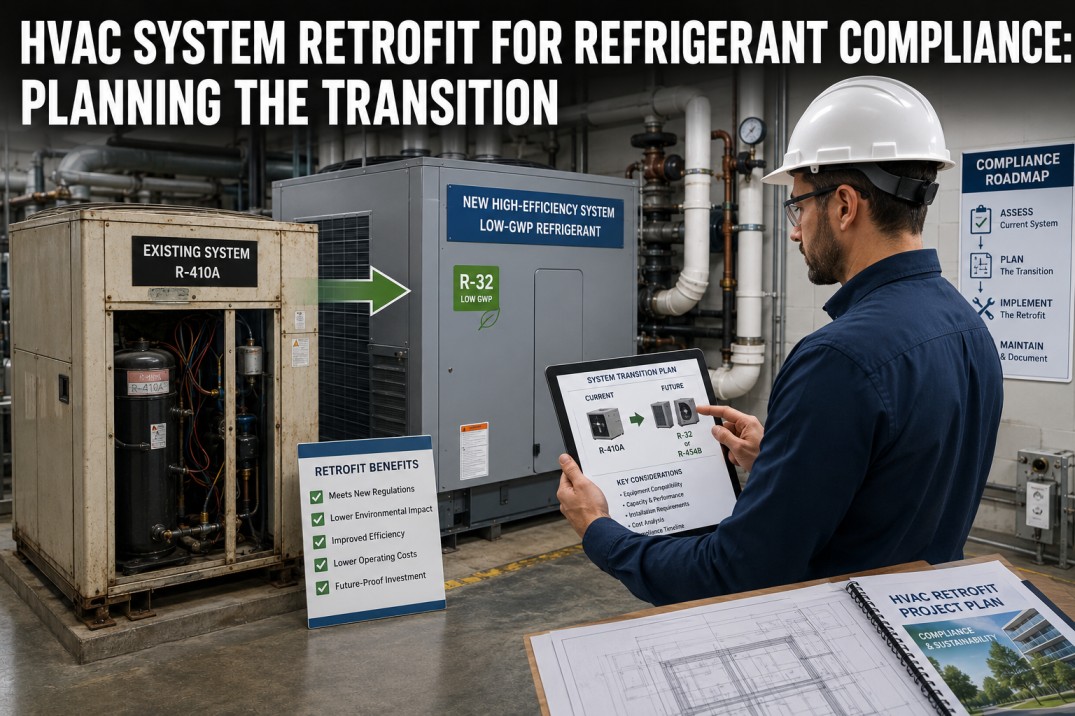
This is not a labeling technicality. A2L classification changes requirements around equipment charge limits, ventilation in mechanical rooms, leak detection system requirements in certain applications, and technician handling procedures during installation and service. Equipment manufactured for R-410A cannot simply be recharged with an A2L refrigerant, the system has to be engineered from the outset to safely accommodate the different combustion characteristics, which means the transition is fundamentally an equipment specification decision, not a refrigerant substitution decision.
Process engineers evaluating new equipment purchases now routinely face a genuine strategic choice: specify A2L-compatible equipment now while R-410A units remain available, betting that A2L infrastructure, contractor familiarity, and code adoption will mature on schedule, or specify one more generation of R-410A equipment and defer the A2L transition to the next replacement cycle, betting that R-410A servicing costs remain manageable for that unit's remaining service life. Neither choice is universally correct, the right answer depends heavily on the specific application, local code adoption timeline, and how long the new equipment is expected to remain in service.
Assess Which of Your Systems Are Ready for an A2L Transition
iFactory reviews your equipment inventory against A2L compatibility requirements and phase-down exposure to prioritize where transition planning matters most.
R-454B and R-32 Are Not Interchangeable Choices
Treating R-454B and R-32 as equivalent options because both are A2L refrigerants misses meaningful differences in application fit. R-32 has a longer track record globally, particularly in residential and light commercial split systems, and carries a somewhat higher GWP than R-454B while offering strong energy efficiency characteristics. R-454B was engineered specifically as a lower-GWP successor targeting many of the same applications R-410A currently serves, positioning it as the more direct long-term replacement pathway for a broad range of commercial equipment.
| Refrigerant | Classification | Typical Application Fit |
|---|---|---|
| R-410A | A1, Nonflammable | Legacy standard, shrinking allowance under AIM Act phase-down |
| R-32 | A2L, Mildly Flammable | Residential and light commercial split systems, strong efficiency |
| R-454B | A2L, Mildly Flammable | Broad commercial replacement pathway, lower GWP than R-32 |
| R-466A | A1, Nonflammable | Nonflammable alternative for applications avoiding A2L requirements entirely |
What to Actually Check Before Committing to a Refrigerant Path
A rigorous compatibility assessment goes well beyond checking a manufacturer's specification sheet for refrigerant compatibility. It needs to account for the mechanical space the equipment sits in, since A2L charge limits are tied to room volume and ventilation characteristics, meaning a mechanical closet adequate for R-410A equipment may need physical modification to safely house an A2L-charged system of equivalent capacity. It also needs to account for local code adoption timelines, since jurisdictions are adopting updated mechanical and fire codes covering A2L refrigerants at different paces, and installing A2L equipment ahead of local code adoption can create a compliance gap even when the equipment itself is fully rated for A2L use.
Equipment Readiness Is Only Half the Transition
A facility can have fully A2L-compatible equipment specified, mechanical spaces assessed, and local code confirmed as adopted, and still run into a transition bottleneck that has nothing to do with the equipment itself: not enough certified technicians available locally to install and service it. A2L refrigerant handling requires certification beyond standard refrigerant handling credentials, covering the specific leak detection, ventilation, and ignition-source avoidance procedures the mildly flammable classification requires, and in many regions the pool of technicians holding that certification is still catching up to the pace of equipment adoption.
Process engineers planning a transition timeline should treat contractor certification availability as its own line item in the assessment, not an assumption that gets resolved automatically alongside equipment procurement. Reaching out to current service vendors early to confirm certification status and timeline, rather than discovering a gap after equipment has already been installed and needs its first service call, avoids a scenario where fully compliant equipment sits without a qualified technician available to maintain it.
Facilities with an in-house maintenance team face a related decision: invest in A2L certification training for existing staff ahead of the equipment transition, or plan to rely on external certified contractors for the systems that require it. Larger facilities with a sizable HVAC equipment inventory more often find in-house certification pays for itself over time, while smaller facilities with occasional service needs typically find contracting out remains the more practical path, at least until A2L equipment represents a larger share of the total inventory.
Timing an Equipment Purchase Against a Shrinking Allowance Schedule
The AIM Act phase-down does not eliminate R-410A availability overnight, it steps allowances down incrementally on a defined schedule, which means the practical impact on a facility is a gradual tightening of supply and a corresponding rise in servicing cost rather than an abrupt cutoff. This gradual curve matters for procurement timing, since a facility with equipment nearing the end of its service life faces a different calculation than one specifying brand-new equipment expected to run for the next two decades.
For equipment with a long remaining service horizon, specifying A2L-compatible systems now generally reduces long-term exposure to rising R-410A servicing costs and shrinking parts availability, even accounting for the higher upfront cost and installation complexity A2L systems can carry today. For equipment nearing replacement age regardless of refrigerant considerations, the calculation is more straightforward, since the equipment would be replaced soon either way and the transition decision simply becomes part of that already-planned replacement cycle rather than an accelerated one.
A useful discipline for large equipment portfolios is segmenting the inventory by remaining service life before applying any single transition rule uniformly across it. Equipment installed recently with a decade or more of expected service life sits in a very different risk category than equipment already approaching the end of its typical operating lifespan, and applying a blanket A2L-now or R-410A-one-more-cycle policy across an entire portfolio without that segmentation tends to produce decisions that are wrong for a meaningful share of the fleet in either direction.
Questions Process Engineers Ask About the A2L Transition
Don't Let a Procurement Decision Become a Stranded Asset
iFactory helps process engineering teams map equipment compatibility, mechanical space readiness, and code adoption status before the next refrigerant equipment order goes out.