Infrastructure managers across the US and Canada face a widening gap between asset deterioration speed and decision-making speed. Assets are aging simultaneously, climate stress is accelerating damage, and experienced workers are retiring — yet most organizations still make multi-million-dollar maintenance decisions from data that is weeks or months old. Real-time data closes this gap. When live sensor feeds, AI health scoring, and continuous monitoring replace periodic manual assessments, infrastructure teams detect deterioration as it begins, prioritize by actual risk, and generate compliance documentation that is always current. This guide explains why real-time data is the critical enabler for efficient infrastructure management — and how iFactory's cloud-native platform turns continuous data streams into funded maintenance action.
Why Static Data Fails Modern Infrastructure Programs
Traditional infrastructure management relies on periodic inspections — visual assessments on fixed schedules, recorded in disconnected databases, summarized into reports that may not reach planners for weeks. Today's demands — simultaneous aging, climate-accelerated deterioration, tighter regulatory timelines, and shrinking budgets — require condition intelligence that updates continuously.
Delayed Detection
Deterioration between inspection cycles progresses undetected until the next visit — often reaching failure stage before any response is triggered.
Fragmented Decisions
Asset data scattered across spreadsheets, GIS, and paper files prevents decision-makers from seeing the full risk picture — leading to misallocated budgets.
Compliance Gaps
Federal grant programs demand current condition evidence — manually assembled reports from outdated inspections weaken funding applications and create audit vulnerabilities.
Budget Waste
Without real-time signals, organizations either maintain assets too early (wasted budget) or too late (emergency repairs costing 3–5× planned rates).
Still making maintenance decisions from data that's weeks old? See how iFactory delivers live condition intelligence across your entire portfolio — book your free 30-minute demo.
Core Components of Real-Time Data Infrastructure
Real-time infrastructure management is an integrated data architecture connecting live sensor feeds, cloud processing, AI analytics, and automated action triggers into a continuous loop.
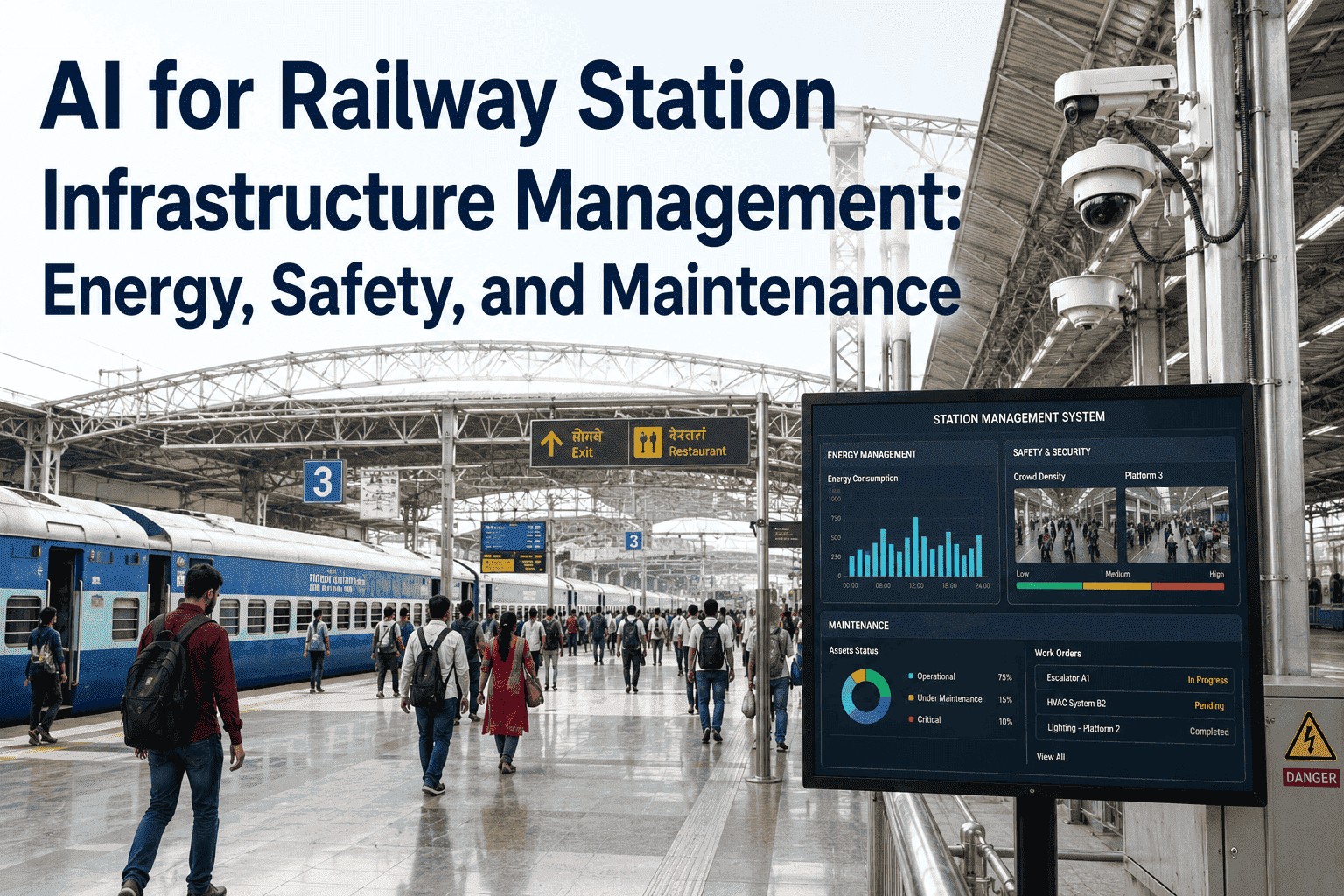
iFactory Real-Time Architecture: iFactory connects all five components into a single cloud-native platform — IoT ingestion, AI Health Scoring, Digital Twin simulation, and automated work order generation operate as one integrated system with no middleware or manual data transfers.
How Real-Time Data Powers Predictive Maintenance
Continuous condition monitoring shifts organizations from reactive and calendar-based maintenance to condition-based and predictive maintenance — intervening at exactly the right time to prevent failure while maximizing asset service life.
Early Deterioration Detection
IoT sensors identify changes in vibration, thermal signature, and strain weeks before deterioration becomes visible during manual inspection — enabling planned intervention before emergencies develop.
AI Health Scoring Converts Signals Into Risk Rankings
Digital Twin Models Deferral vs. Intervention Cost
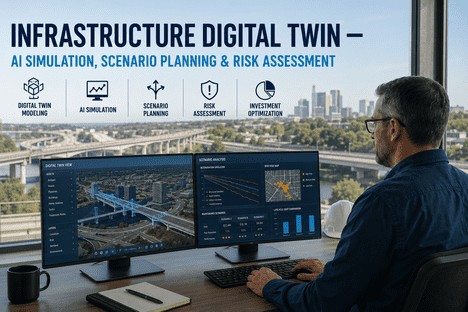
Live data feeds Digital Twin models that quantify the financial consequences of acting now versus deferring — showing remaining useful life, failure risk per month of deferral, and capital budget scenario comparisons.
Automated Work Orders Close the Detection-to-Action Loop
When AI Health Scores cross thresholds, the platform auto-generates risk-ranked work orders routed to skill-matched technicians — with full condition context, recommended procedures, and parts requirements attached.
Real-Time Data Transforms Workforce Deployment
Instead of sending technicians on fixed routes to inspect assets that may not need attention, real-time intelligence directs skilled labor to the assets that need it most — dramatically improving productivity and reducing wasted time.
Condition-Based Dispatch
Impact:
- Eliminate unnecessary site visits
- Prioritize highest-risk locations
- Reduce critical response time
Skill-Matched Assignments
Impact:
- Higher first-time fix rates
- Reduced rework frequency
- Faster knowledge transfer
Predictive Scheduling
Impact:
- Shifts aligned to predicted workload
- Parts pre-staged for interventions
- Reduced overtime costs
Knowledge Capture
Impact:
- Observations linked to asset records
- AI learns from veteran decisions
- Accelerated onboarding
Real-Time Workforce Intelligence — Built Into the Platform
iFactory connects live asset condition signals directly to workforce scheduling and dispatch — ensuring every technician is directed to the right asset, with the right skills, at the right time.
Real-Time Data for Compliance and Grant Competitiveness
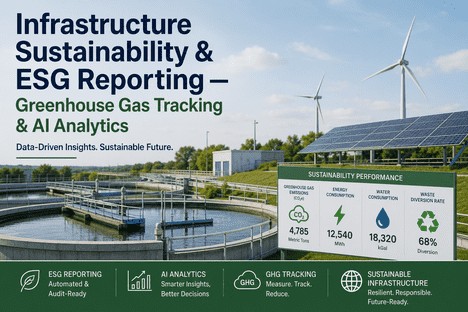
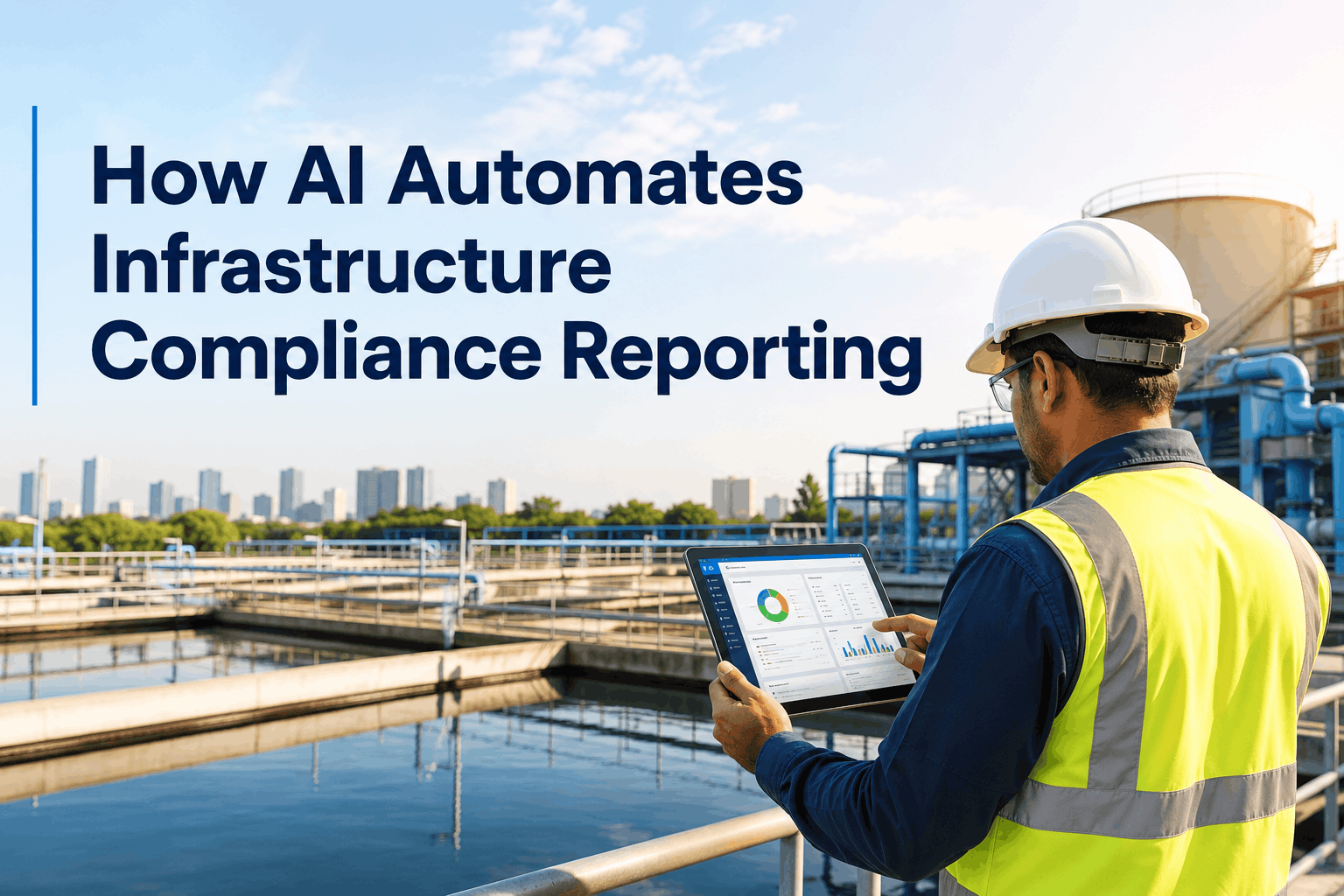
Continuous condition monitoring produces the specific evidence types that federal grant programs score on, regulatory auditors require, and sustainability mandates demand — always current, always verifiable.
Real-Time Data Streams
- IoT condition feeds
- AI Health Score histories
- Digital Twin projections
- Energy consumption data
- Work order completion records
iFactory Compliance Engine
Compliance Outcomes
- FEMA HMGP / BRIC documentation
- Infrastructure Canada DMAF evidence
- Bridge Investment Program packages
- Net-zero regulatory submissions
- Council briefing data packages
Measuring Real-Time Data Outcomes
Establishing clear performance metrics from day one ensures your organization captures the full value of real-time intelligence as AI models accumulate data and workflows adapt.
Expert Perspective
"The value of maintenance data decays exponentially with age. A condition reading 24 hours old is useful for trend analysis. A reading 30 days old is useful for historical records. A reading 90 days old is essentially noise when making capital allocation decisions on assets with accelerating deterioration. Real-time data is not a premium feature — it is the baseline operational requirement for any infrastructure program that intends to maintain service levels while managing tightening budgets."
Conclusion
Real-time data is the foundational capability that separates reactive infrastructure management from proactive infrastructure intelligence. When live IoT feeds, AI Health Scoring, Digital Twin simulation, and automated workflows operate as an integrated system, organizations detect deterioration at the earliest stage, allocate budgets based on verified risk, optimize workforce deployment, and generate audit-ready documentation that grant programs and net-zero mandates require. The technology is proven and deployable today — success depends on connecting real-time condition intelligence to funded maintenance action through platforms like iFactory.
Turn Live Condition Signals Into Funded Maintenance Action
iFactory connects your IoT sensor feeds, inspection records, and workforce workflows into a single real-time intelligence platform — ensuring every condition change generates the right response, automatically tracked and documented.