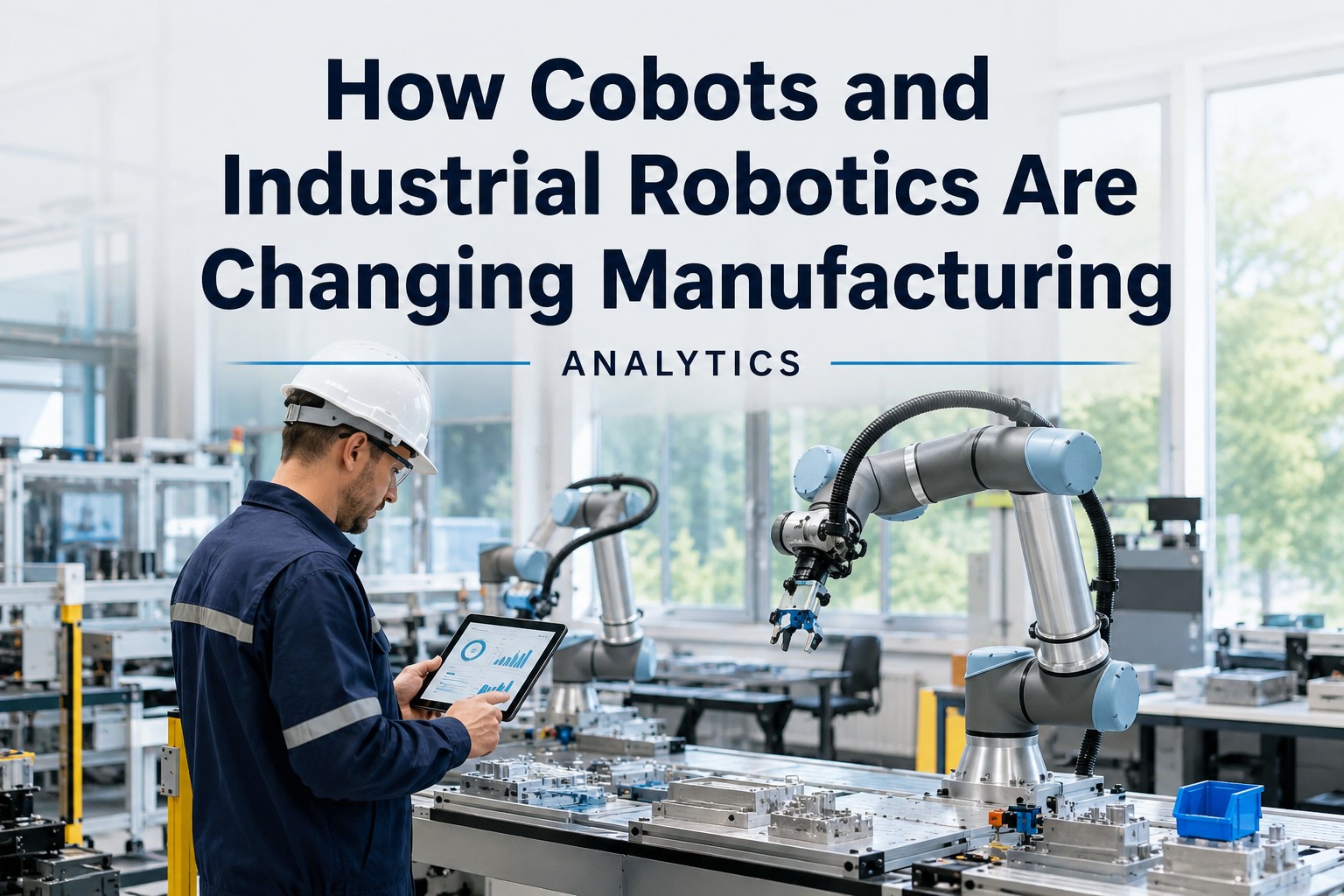
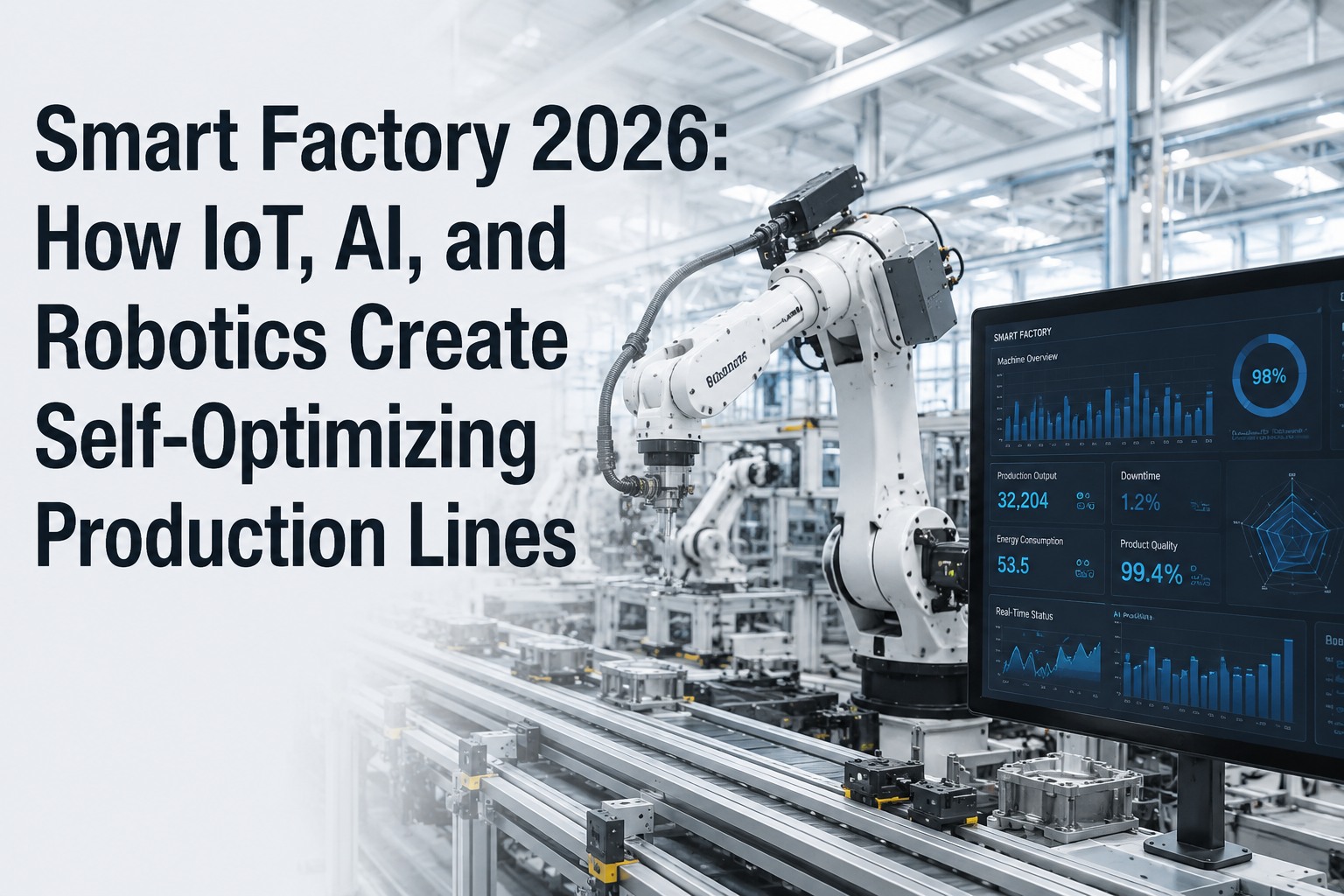
Manufacturing plants operating 50-200 equipment assets across assembly, machining, and packaging lines lose an average of 18-26% of theoretical production capacity annually to unplanned equipment downtime, manual material handling delays, and disconnected inspection workflows that no traditional CMMS or manual logbooks capture in time. By the time equipment failures occur or inspection routes miss critical degradation signs, the damage is already compounding: extended cycle times, production line stoppages costing $42,000 per hour at mid-size facilities, missed quality checks creating customer escapes, and maintenance teams working reactively instead of strategically. iFactory's AI-powered autonomous mobile robot fleet management platform changes this entirely by deploying intelligent robots continuously monitoring equipment condition, automating material transport routes, conducting predictive inspections, and integrating directly with existing SCADA, PLC, MES, and ERP systems without replacing plant infrastructure. Book a Demo to see how iFactory deploys AMR analytics across manufacturing plants within 8 weeks.
87%
Unplanned downtime reduction through predictive failure detection
$2.4M
Average annual facility savings from prevented equipment failures
91%
Improvement in OEE and production line utilization
8 wks
Full deployment timeline from facility audit to live AMR go-live
Every Equipment Failure That Stops a Line Costs You $42,000 Per Hour. AI-Powered Robots Prevent It.
The Complete AI Platform for Manufacturing Operations deploys autonomous mobile robots conducting 24/7 equipment monitoring, predictive inspections, material transport, and shift intelligence across your entire facility providing Real-Time Visibility Into Every Production Line without operator intervention.
Manufacturing Plant Operations: Where Equipment Downtime Cascades Into Line Shutdowns
Manufacturing plants operate interconnected production systems combining assembly lines, CNC machining centers, robotic welding, automated packaging, and material handling where single equipment failures or inspection gaps create cascading production losses. Assembly line operations process components through multiple sequential stations where one broken conveyor, failed robotic arm, or stuck pneumatic actuator stops entire line throughput affecting 200-400 units daily production. Machining operations run multi-spindle CNC centers and turning operations where tool breakage, spindle degradation, or coolant system failures create scrap parts requiring rework delaying customer shipments. Packaging lines process finished goods through label application, case packing, and palletizing equipment where sensor failures or gripper issues create bottlenecks downstream. Across all operations, manual shift logbooks, disconnected SCADA/MES systems, and lack of predictive insights create blind spots where equipment degrades undetected until catastrophic failure occurs.
How iFactory AI Solves Manufacturing Plant Operations
Traditional manufacturing relies on calendar-based maintenance, manual equipment inspections, shift-based logbooks, and reactive troubleshooting after failures already impact production. iFactory replaces this with AI-powered autonomous mobile robots conducting continuous equipment monitoring, predictive failure detection, and real-time operational intelligence across entire plants, not individual workstations. See a live demo of iFactory AMRs detecting hidden equipment degradation and preventing production line stoppages in real time.
01
AI Predictive Maintenance
iFactory AMRs continuously monitor equipment condition through vibration sensors, thermal imaging, acoustic monitoring, and motor current signatures identifying bearing wear, misalignment, imbalance, and seal degradation 4-8 weeks before production impact. Predict Failures Before They Stop Production enabling scheduled maintenance during planned downtime.
02
Real-Time OEE Tracking
Autonomous robots track actual line speed, equipment availability, product quality metrics correlating downtime incidents with root causes including tool changes, material jams, tooling issues, and setup delays. Real-Time Visibility Into Every Production Line enables operations teams to identify bottleneck constraints and optimize line balancing.
03
Digital Shift Intelligence
AMRs eliminate manual shift logbooks capturing equipment events, maintenance actions, parameter changes, and shift handover notes automatically from SCADA, timestamps, and patrol observations. Eliminate Manual Logs with AI Digital Shift Logbooks providing complete operational history formatted for compliance audits and root cause analysis.
04
SCADA/PLC Integration
Connects to Your Existing SCADA/PLC Systems via OPC-UA, Modbus, EtherNet/IP pulling real-time equipment parameters, alarm history, and production data without replacing automation infrastructure. MES and ERP integration enables closed-loop work order automation and asset lifecycle tracking. Integration completed in under 2 weeks.
05
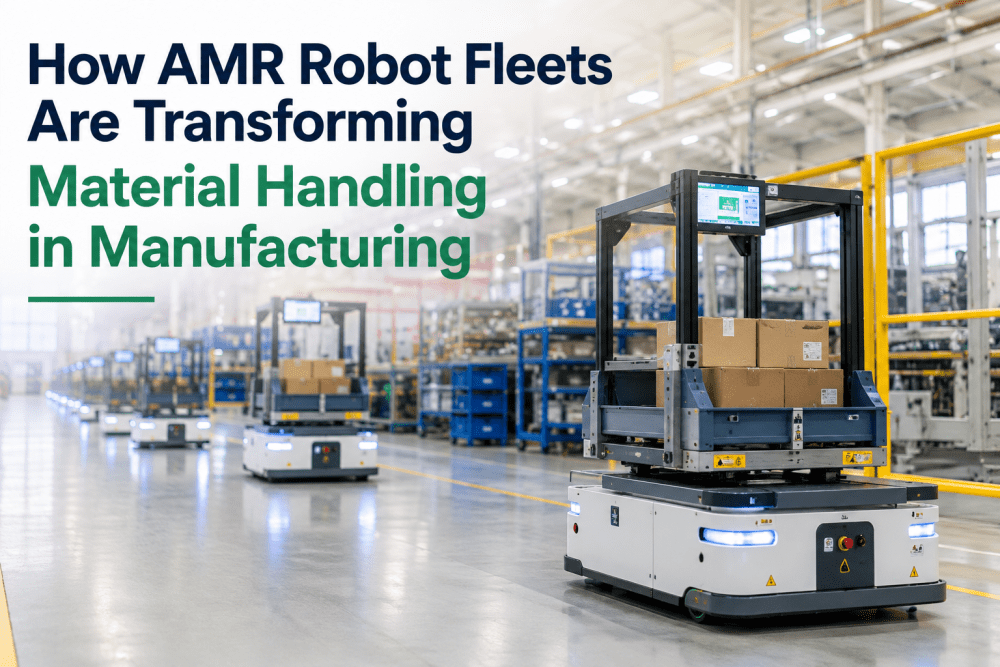
Autonomous Material Handling
AMRs automate material transport between work stations, warehouses, and packing areas optimizing logistics routes, reducing manual handling labor, and eliminating supply-chain bottlenecks at production lines. AI That Turns Downtime Into Planned Maintenance by freeing technicians from routine tasks enabling focus on critical repairs.
06
Compliance & Audit Automation
Every equipment event generates structured documentation with timestamp, location, sensor data, and corrective action creating audit-ready compliance records for ISO 9001, IATF 16949, FDA, and regional quality standards. Built for Manufacturing Plants, Not Generic CMMS with maintenance-specific intelligence and production floor context.
How iFactory Is Different from Traditional Maintenance Systems
Most manufacturing vendors deliver generic CMMS software or basic condition monitoring dashboards requiring manual interpretation. iFactory is built differently from the AMR layer up, specifically for manufacturing plants where equipment interdependencies, line-stopping consequences, and shift-based workflows determine what intelligent automation actually means. Talk to our manufacturing specialists and compare your current maintenance approach directly.
| Capability |
Traditional CMMS |
iFactory AMR Platform |
| Predictive Maintenance |
Manual inspection schedules. Reactive troubleshooting after equipment fails. No sensor data integration or trend analysis enabling early warning. |
AI-powered AMR patrols continuously monitoring vibration, thermal, acoustic signatures identifying bearing wear, misalignment, imbalance 4-8 weeks before production impact. Automated alert escalation prevents line stoppages. |
| OEE Analytics |
Manual shift reports and production logs. No real-time equipment status visibility. Root cause analysis requires weeks of data gathering and manual correlation. |
AMRs track actual line speed, availability, quality metrics correlating every downtime incident with root cause. Real-time dashboards identify bottleneck constraints enabling proactive line rebalancing. |
| Shift Handovers |
Paper-based logbooks or basic digital forms. Critical information gaps during shift transitions. No structured equipment history for compliance or troubleshooting. |
Eliminate manual shift logs with AI-captured equipment events, maintenance actions, parameter changes, personnel notes automatically synchronized across shifts. Complete operational history formatted for audits. |
| System Integration |
Standalone CMMS disconnected from SCADA, PLC, MES. Manual data transfer between systems. No unified operational view across maintenance and production. |
Native OPC-UA, Modbus, EtherNet/IP connectors for SCADA/PLC/MES/ERP. Unified platform providing single source of truth for equipment status, work orders, and production metrics. Integration under 2 weeks. |
| Automation & Routing |
Static maintenance schedules. No optimization for line balancing or production priorities. Manual technician dispatching creating inefficient routing and delayed response times. |
AMRs autonomously patrol optimized routes, prioritize high-risk equipment, and route material transport based on real-time production demand. Dynamic scheduling adapts to line changes and equipment status in real time. |
| Deployment Timeline |
3-6 months for CMMS implementation, customization, training before production use. High professional services cost. Ongoing maintenance and support required. |
8-week fixed deployment program. Pilot results in week 4. Full production AMR monitoring by week 8 without replacing existing equipment or control systems. |
iFactory AI Implementation Roadmap
iFactory follows a fixed 6-stage deployment methodology designed specifically for manufacturing plant AMR integration, delivering pilot results in week 4 and full production coverage by week 8. No open-ended implementations. No scope creep.
01
Facility Audit
Equipment assessment, production flow mapping, sensor requirements
02
System Integration
SCADA/PLC/MES connection via OPC-UA, Modbus, EtherNet/IP
03
Model Baseline
AI training on historical equipment data, production logs, maintenance records
04
Pilot Patrol
Live AMR deployment on 2-3 critical production lines or equipment groups
05
Alert Tuning
Threshold calibration, shift team training, work order integration activation
06
Full Deployment
Plant-wide AMR fleet go-live across all production areas, 24/7 operation
8-Week Deployment and ROI Plan
Every iFactory engagement follows a structured 8-week program with defined deliverables per week and measurable ROI indicators beginning from week 4 of deployment. Request the full 8-week deployment scope document tailored to your facility configuration.
Weeks 1–2
Infrastructure Setup
Critical equipment assessment across assembly, machining, packaging lines identifying monitoring priorities and sensor gaps
SCADA, PLC, MES, ERP system connection via OPC-UA, Modbus without controller replacement
Historical equipment data, production logs, and maintenance records ingestion for baseline AI model training
Weeks 3–4
Model Training and Pilot
AI model trained on your facility's equipment types, production sequences, and maintenance patterns
Pilot AMR deployment on 2-3 highest-downtime production lines or equipment clusters
First equipment degradation predictions detected including bearing wear trends and seal failures, ROI evidence begins here
Weeks 5–6
Calibration and Expansion
Alert thresholds refined based on pilot false positive rate and detection accuracy data from actual equipment
Coverage expanded to full facility production lines and material handling routes
Maintenance and operations teams trained with shift handover protocols and work order automation activated
Weeks 7–8
Full Production Go-Live
Full facility AMR fleet live across all production areas, material handling routes, shift handovers
ISO 9001, IATF 16949, compliance reporting activated with complete audit-ready documentation
ROI baseline report delivered including prevented downtime incidents, OEE gains, maintenance cost savings data
ROI IN 6 WEEKS: MEASURABLE RESULTS FROM WEEK 4
Manufacturing facilities completing the 8-week program report an average of $380,000 in avoided downtime costs and maintenance optimization within the first 6 weeks of full production AMR deployment with equipment failure prediction improvements of 71-89% detected by week 4 pilot validation.
$380K
Avg. savings in first 6 weeks
71–89%
Equipment failure detection by week 4
87%
Unplanned downtime reduction achieved
Full AI-Powered AMR Monitoring. Live in 8 Weeks. ROI Evidence in Week 4.
iFactory's fixed-scope deployment program means no open timelines, no scope creep, and no months of SCADA integration before you see a single result.
Use Cases and KPI Results from Live Deployments
These outcomes are drawn from iFactory deployments at operating manufacturing plants across three production categories. Each use case reflects 6-month post-deployment performance data. Request the full case study report for the equipment type or production scenario most relevant to your facility.
An automotive component manufacturer operating 8 parallel assembly lines with 60 robotic arms and 120 pneumatic actuators was experiencing 18-24 hours monthly unplanned downtime from gripper failures, conveyor jams, and servo motor degradation discovered only through production stoppages. Legacy calendar-based maintenance serviced equipment every 2,000 hours regardless of actual wear conditions. iFactory deployed AMRs monitoring all production equipment with vibration, thermal, and position sensors identifying gripper seal degradation, conveyor bearing wear, and servo imbalance 3-6 weeks before failure threshold. Within 6 weeks of deployment, system identified 14 degraded components before production impact enabling scheduled replacement during planned maintenance windows.
14
Equipment failures prevented through early detection in first 6 weeks
$1.8M
Annual production value recovered from eliminated line stoppages
92%
Improvement in OEE and production line availability
An industrial equipment manufacturer operating 24 CNC machining centers was losing 22 hours monthly to tool failures, spindle degradation, and coolant system blockages requiring emergency maintenance interrupting customer production schedules. Manual tool life monitoring relied on operator experience and post-failure scrap discovery. iFactory AMRs deployed continuous spindle temperature monitoring, cutting force analysis, and coolant flow sensors enabling predictive tool change scheduling and preventive spindle maintenance. System identified 8 spindle bearing degradation patterns and 34 premature tool failures before production impact enabling cost-effective tool replacement strategies and zero unscheduled machine shutdowns.
22hrs
Monthly downtime eliminated through predictive maintenance
$1.2M
Annual value from optimized tool strategies and zero emergency shutdowns
88%
Reduction in scrap parts from premature tool failures
A beverage bottling facility processing 2,400 units per hour on 4 parallel filling and packaging lines was experiencing 30-minute average material delivery delays from manual forklift routing inefficiencies and incomplete shift handover documentation. Operators manually logged equipment status and material movements creating visibility gaps between shifts. iFactory deployed AMR fleet automating material transport from warehouse to line-side staging, capturing real-time equipment condition, and eliminating manual shift logs with AI-captured operational events. Average material delivery time reduced to 6 minutes, shift handover gaps eliminated, and OEE improved 11% from reduced setup delays and material starvation.
6min
Average material delivery time down from 30 minutes
$840K
Annual value from reduced logistics delays and improved throughput
11%
OEE improvement from eliminated handover delays
Results Like These Are Standard. Not Exceptional.
Every iFactory deployment is scoped to your specific facility configuration, equipment types, and production priorities so you get results calibrated to your operations, not a generic benchmark.
What Manufacturing Teams Say About iFactory
The following testimonials are from plant managers, maintenance directors, and operations teams at facilities currently running iFactory's AMR analytics platform.
We prevented 14 assembly line failures in the first 6 weeks. iFactory's AMRs detected gripper seal degradation and servo imbalance weeks before production impact. Our maintenance team went from reactive emergency repairs to strategic planning based on actual equipment condition. That operational shift alone generated $1.8M in annual production value.
Plant Manager
Automotive Component Facility, USA
The predictive tool monitoring eliminated our scrap issues and spindle failures. We went from 22 hours monthly downtime to zero unscheduled shutdowns because iFactory identifies tool degradation and spindle wear before we see it in production. That maintenance confidence level is transformative for a 24-center CNC shop.
Maintenance Director
Industrial Equipment Plant, Germany
Integration with our PLC and MES systems took 9 days end-to-end. The AMR fleet automated material delivery, eliminated manual shift logs, and improved our OEE 11% through reduced handover delays. Operations teams trust the system because it captures real equipment status, not guesswork from logbooks.
Operations Director
Bottling Facility, Brazil
We eliminated manual shift logbooks entirely. The AMRs capture all equipment events, maintenance actions, and parameter changes automatically creating an audit-ready record without technician effort. Our ISO 9001 audits are now significantly simpler because iFactory provides complete equipment history by default.
Quality Manager
Tier-1 Manufacturing, Japan
Platform Capability Comparison
| Platform |
AI Capability |
Predictive Maintenance |
SCADA/PLC Integration |
Deployment Speed |
Manufacturing Fit |
| iFactory |
✔ Advanced |
✔ Full |
✔ Native |
8 weeks |
✔ High |
| IBM Maximo |
Partial |
Basic |
Custom |
6+ months |
Medium |
| SAP EAM |
No |
Limited |
Custom |
9+ months |
Low |
| Fiix |
No |
Basic |
Partial |
4-8 weeks |
Medium |
| UpKeep |
No |
No |
Limited |
2-4 weeks |
Low |
Regional Manufacturing Challenges and Solutions
| Region |
Key Challenges |
Compliance Requirements |
iFactory Solution |
| US |
High labor costs, skilled technician shortage, aging equipment, OSHA safety compliance |
OSHA PSM, ISO 9001, industry-specific regulations |
Predictive maintenance extends equipment life 35%, reduces technician labor needs 42%, generates OSHA-formatted safety documentation automatically |
| UK |
Strict HSE compliance, Industry 4.0 manufacturing targets, Brexit supply chain impact |
HSE manufacturing guidelines, ISO 45001, CE marking |
Complete HSE compliance reporting, supply chain visibility through material tracking AMRs, automated audit documentation |
| UAE |
Rapid industrial expansion, extreme heat affecting equipment reliability, talent development |
IATF 16949, ISO 9001, local industrial standards |
Thermal monitoring for heat-related degradation, predictive maintenance in harsh conditions, Arabic interface and support |
| India |
Cost optimization pressure, manual process dominance, infrastructure variability, growing EV production |
BIS standards, automotive SADA requirements, electrical safety |
Low-cost predictive maintenance vs expensive reactive repairs, automation of manual processes, EV production line readiness |
| Europe |
Strict environmental regulations, carbon reduction mandates, sustainability reporting, aging workforce |
ISO 45001, GDPR, EU Industrial Emissions Directive, ESG standards |
Automated ESG reporting, energy consumption optimization through predictive maintenance, zero-emission AMRs for logistics |
Frequently Asked Questions
Does iFactory require replacing existing SCADA or PLC systems?
No. iFactory connects to existing SCADA, PLC, MES, and ERP systems via OPC-UA, Modbus, EtherNet/IP without any controller replacement. Where sensor coverage gaps are identified during facility audit, iFactory recommends targeted additions only (typically 3-6 sensors per production line), not complete system overhaul. Integration is complete within 2 weeks in standard manufacturing environments.
Which manufacturing equipment types can AMRs monitor predictively?
iFactory AMRs monitor all rotating equipment including electric motors, gearboxes, bearings, pumps, fans, conveyor drives plus reciprocating equipment like compressors, pneumatic actuators, and hydraulic systems. AI models are trained on equipment-specific degradation patterns for CNC machining centers, assembly robots, welding systems, and packaging equipment. Custom monitoring profiles support specialized equipment.
Book Demo to review your specific equipment list.
How does AI eliminate manual shift logbooks?
iFactory AMRs automatically capture equipment events, maintenance actions, parameter changes, shift handover notes, and personnel assignments from SCADA timestamps and automated observations. Complete equipment history is synchronized across shifts creating audit-ready records without technician data entry. ISO 9001 and IATF 16949 compliance documentation is generated automatically eliminating manual shift log compilation.
What compliance standards does iFactory support?
iFactory auto-generates structured reports formatted for ISO 9001 quality management, IATF 16949 automotive quality, FDA 21 CFR Part 11 for regulated industries, OSHA PSM, EU Industrial Emissions Directive, and regional manufacturing standards. Report templates are pre-configured and generated automatically at equipment event close with complete timeline, sensor evidence, and corrective actions requiring no manual documentation.
How quickly can AMRs detect equipment degradation?
Baseline model training on historical equipment data and maintenance records typically takes 5-7 days using 60-90 days of facility operating history. First degradation predictions are validated during week 3-4 pilot phase. Full model calibration with under 8% false positive rate is achieved within 6 weeks of deployment for standard manufacturing equipment environments.
Can AMRs operate across different production shifts and plant layouts?
Yes. iFactory AMRs operate 24/7 across all shifts capturing continuous equipment condition data and automating material handling regardless of shift personnel changes. AI navigation algorithms adapt to facility layouts and dynamically optimize patrol routes based on production priorities and equipment risk levels. Shift handover gaps are eliminated because equipment status is continuously monitored and documented automatically.
Book Demo to see shift continuity in action.
Stop Losing $42,000 Per Hour to Equipment Failures. Deploy AI-Powered AMRs in 8 Weeks.
iFactory gives manufacturing teams AI-powered autonomous mobile robots conducting 24/7 predictive equipment monitoring, automated shift intelligence, material handling optimization, and compliance automation fully integrated with existing SCADA, PLC, MES systems in 8 weeks, with ROI evidence starting in week 4.
87% unplanned downtime reduction through early failure detection
SCADA/PLC/MES integration in under 2 weeks
91% OEE improvement from eliminated shift delays
Auto-generated ISO 9001, IATF 16949, compliance reports
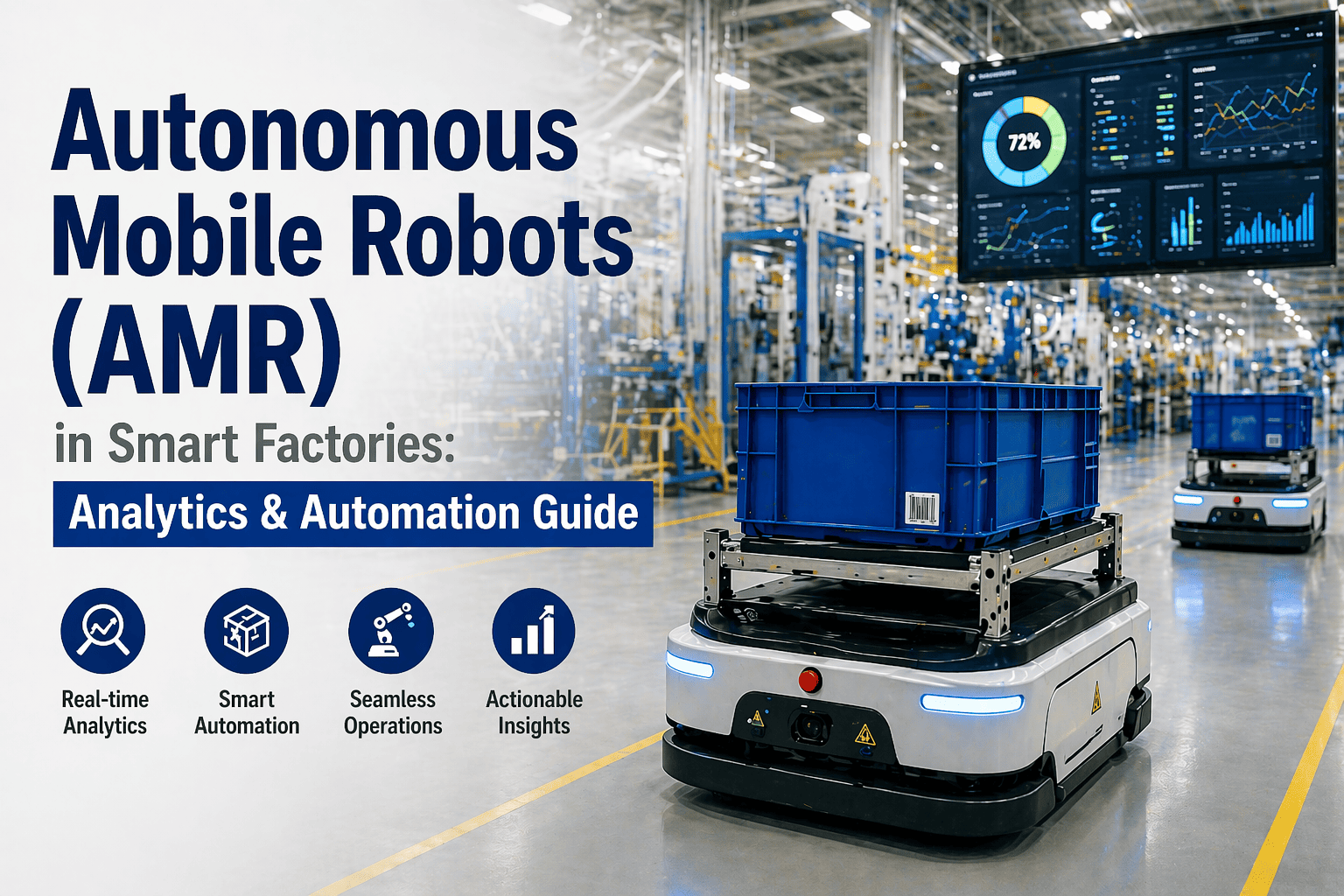
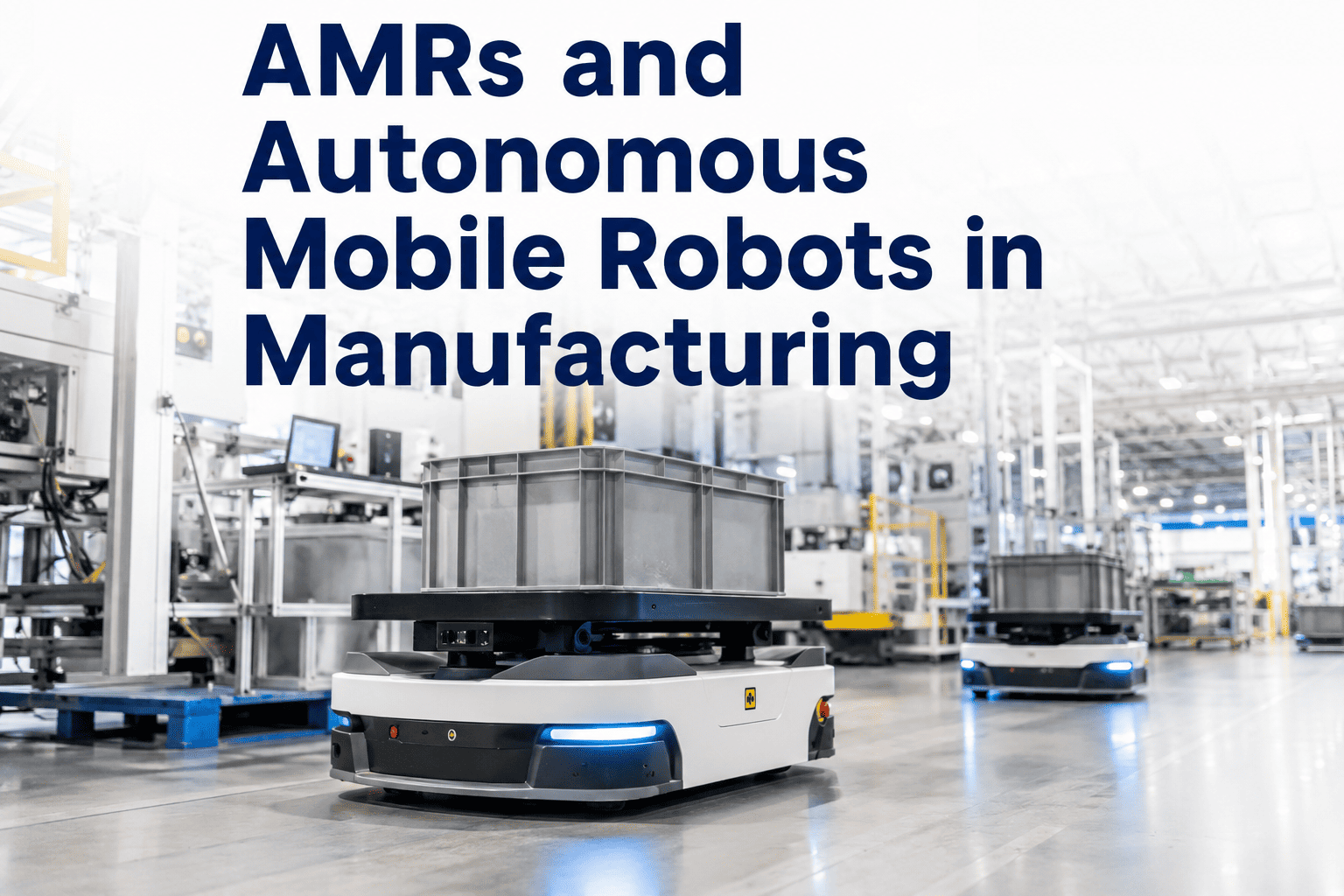


.png)