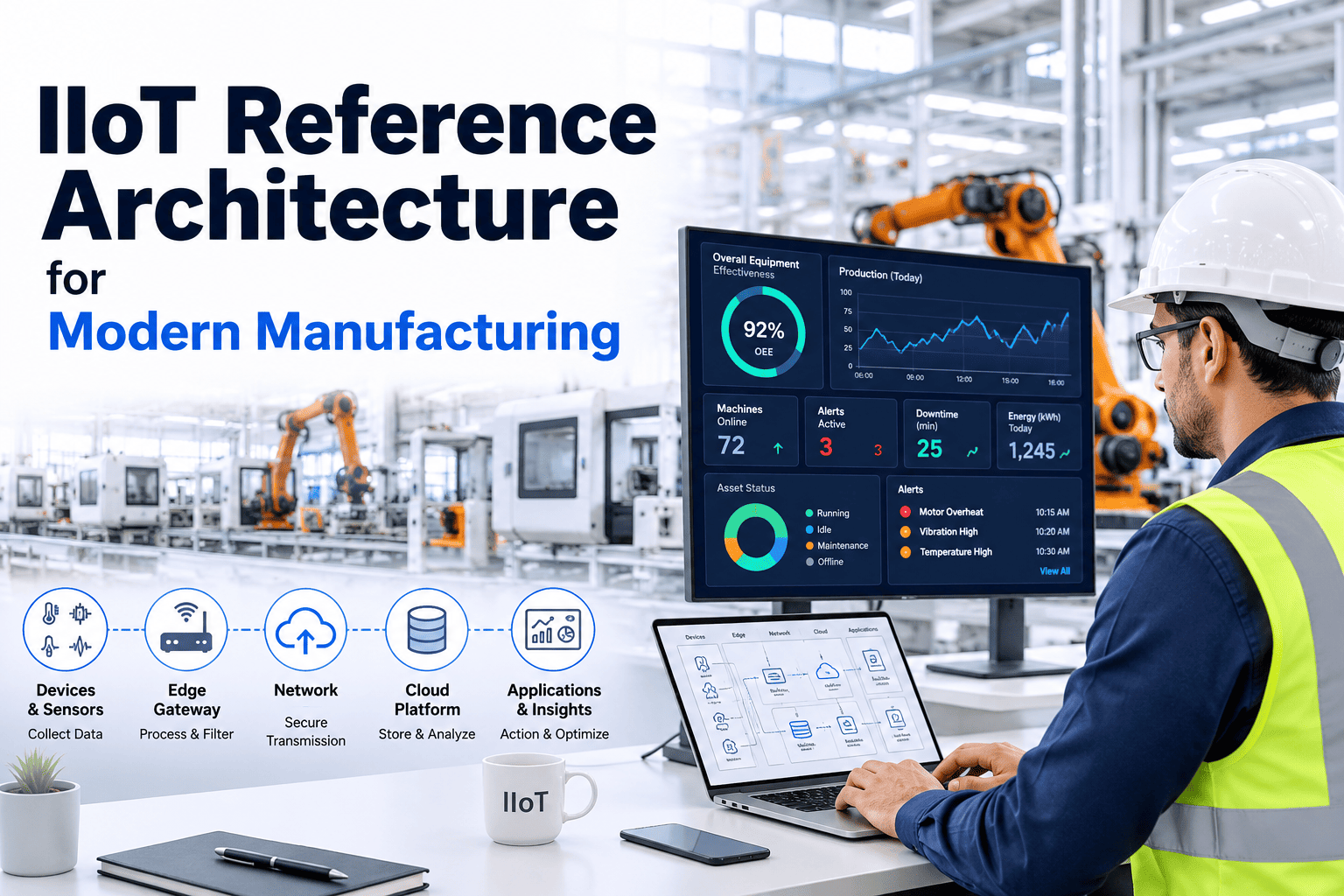
Modern manufacturing is undergoing a profound transformation, driven by the convergence of operational technology and information technology through the Industrial Internet of Things. Designing a robust IIoT architecture is no longer optional; it is the backbone of Industry 4.0, enabling real-time monitoring, predictive maintenance, and data-driven decision-making at scale. For plant managers and CTOs, understanding the layered structure of an IIoT stack is crucial to avoid costly pitfalls like data silos, latency bottlenecks, and vendor lock-in. This reference architecture provides a comprehensive blueprint for building a scalable, secure, and future-proof IIoT ecosystem specifically tailored for discrete and process manufacturing environments. Whether you are upgrading legacy systems or building a greenfield smart factory, this guide covers the essential components from edge devices to enterprise integration. Book a Demo to see how iFactory can accelerate your IIoT journey.
Transform Your Factory Floor
Unlock real-time visibility and predictive insights with a proven IIoT architecture. Start your smart factory journey today.
Edge Layer
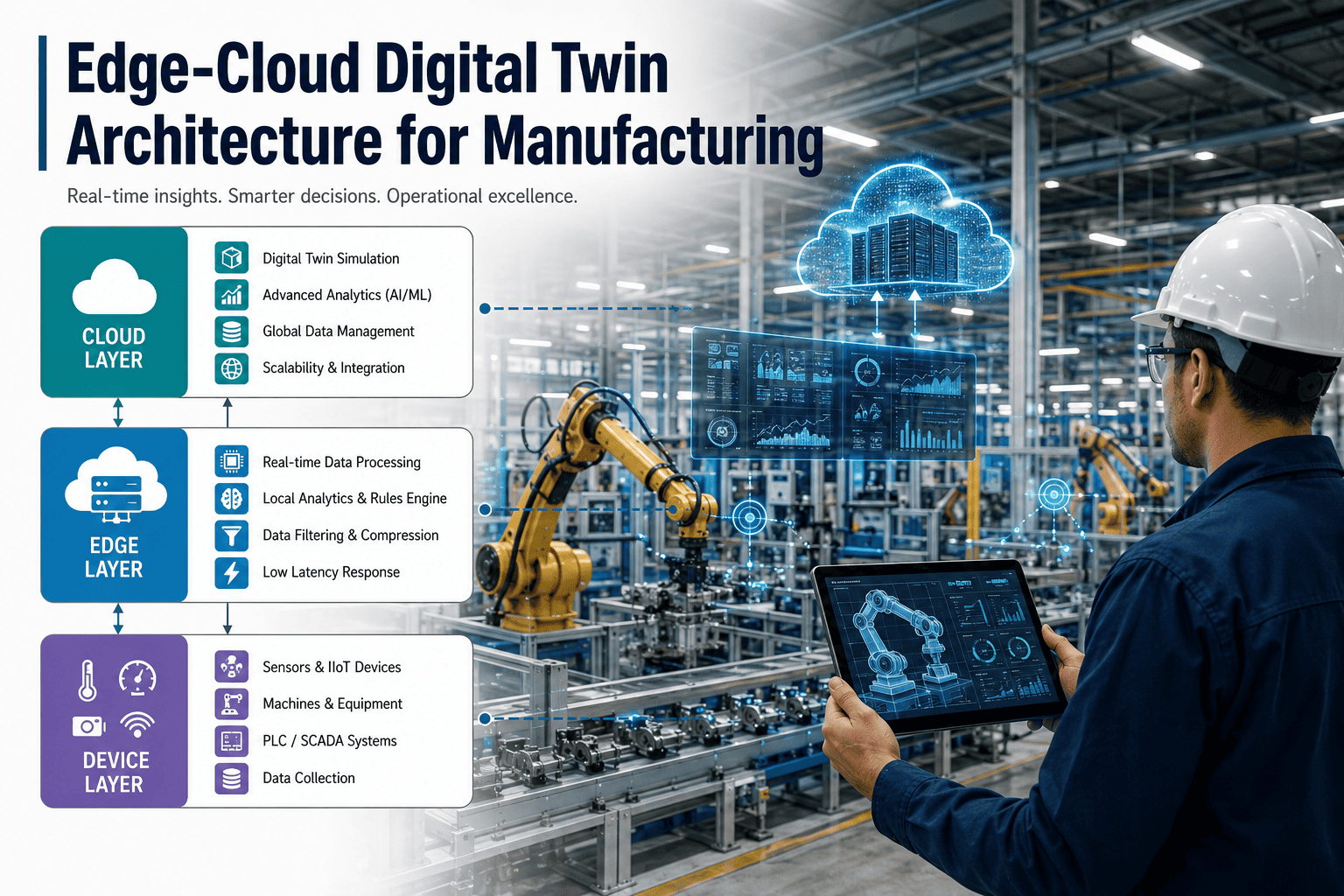
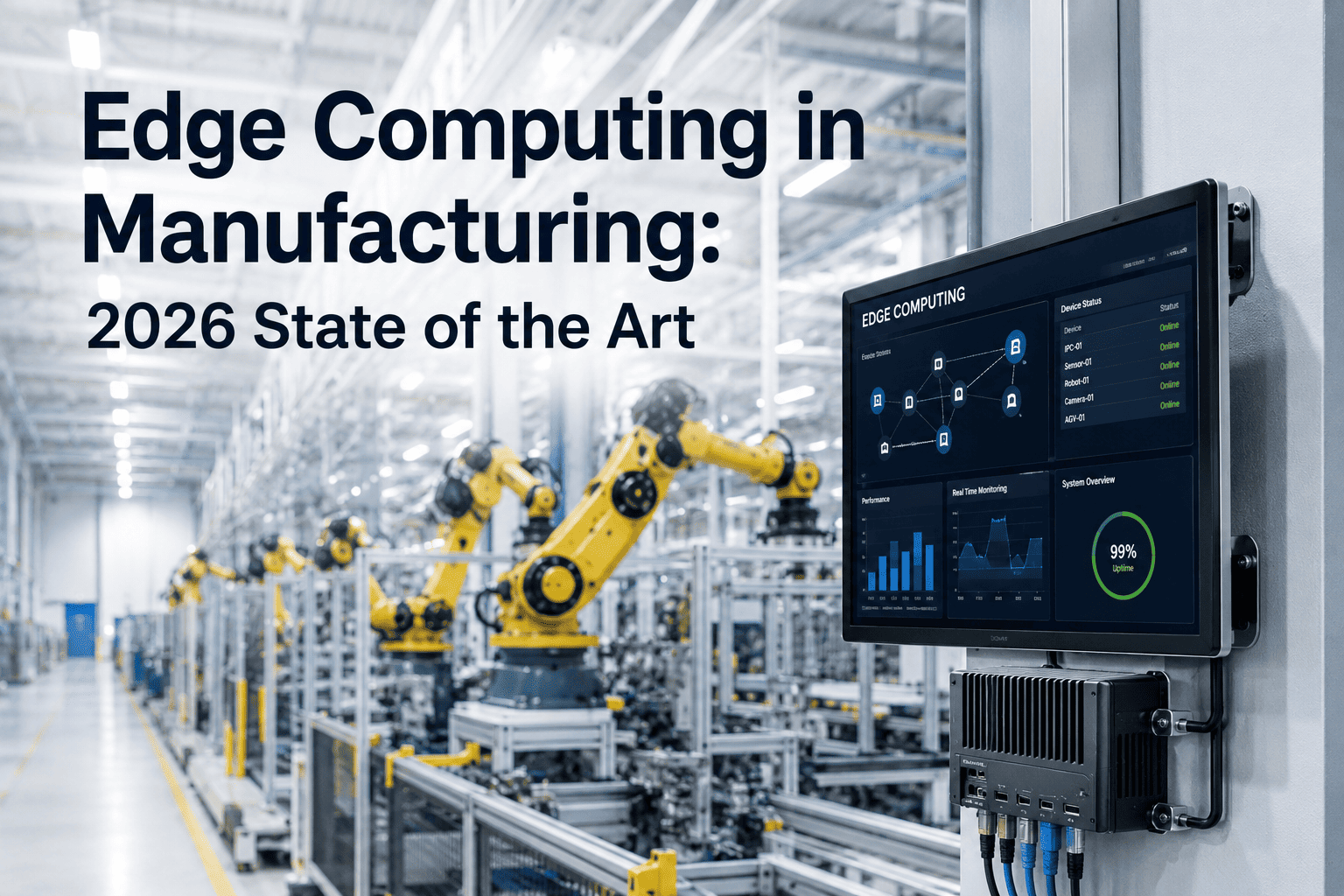
This foundational layer consists of sensors, actuators, PLCs, and edge gateways that collect raw data from machinery and production lines. Edge computing enables local processing, filtering, and aggregation, reducing the volume of data sent to the cloud and enabling real-time responses with sub-millisecond latency. Key technologies include OPC UA, Modbus, and proprietary protocols bridged by edge agents.
Connectivity Layer
Reliable, secure communication is critical. This layer uses MQTT as the primary messaging protocol due to its lightweight, publish-subscribe model, which is ideal for constrained networks. TLS encryption ensures data integrity, while Quality of Service levels guarantee message delivery. For high-bandwidth applications, HTTP/2 and WebSockets supplement MQTT.
Integration Layer
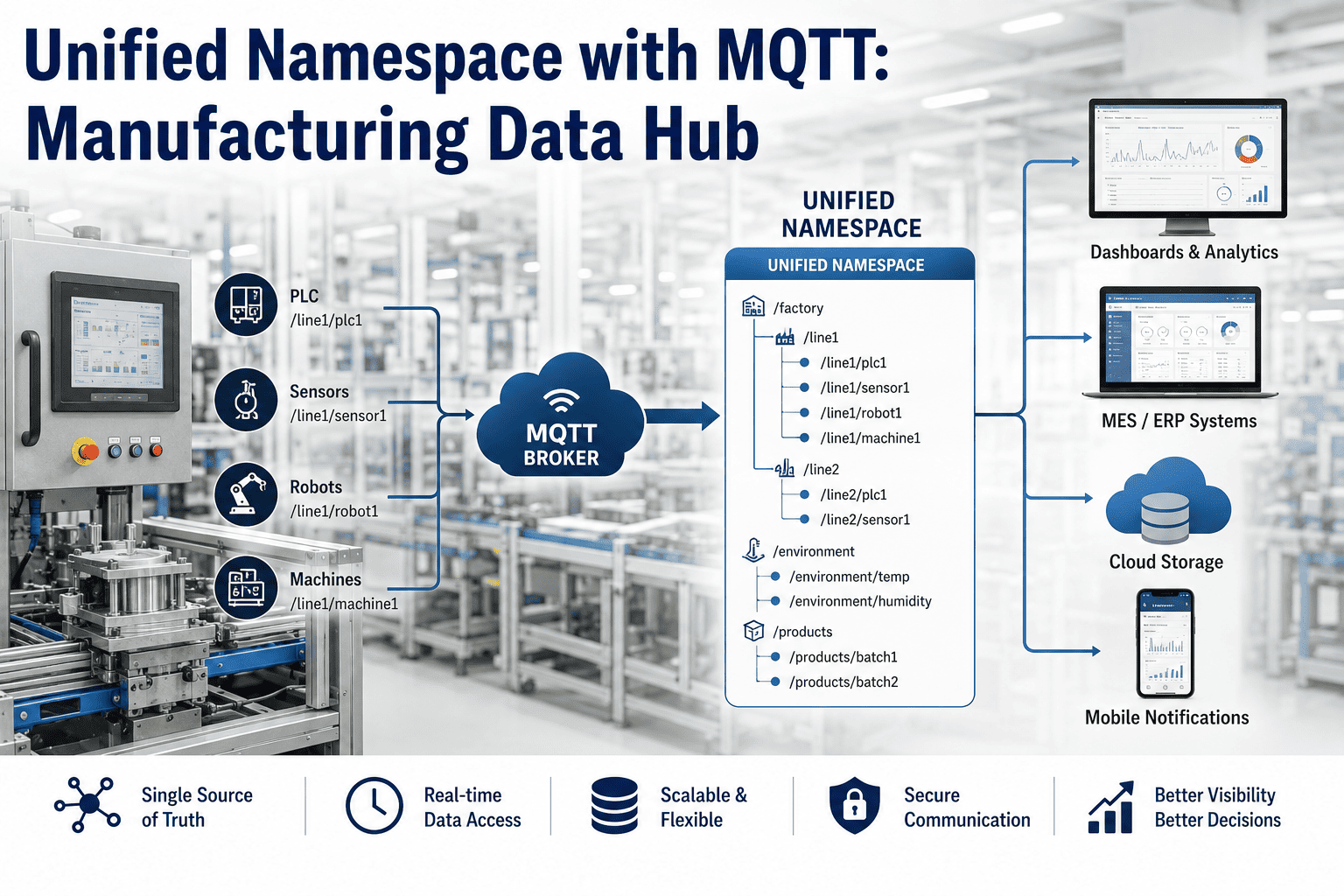
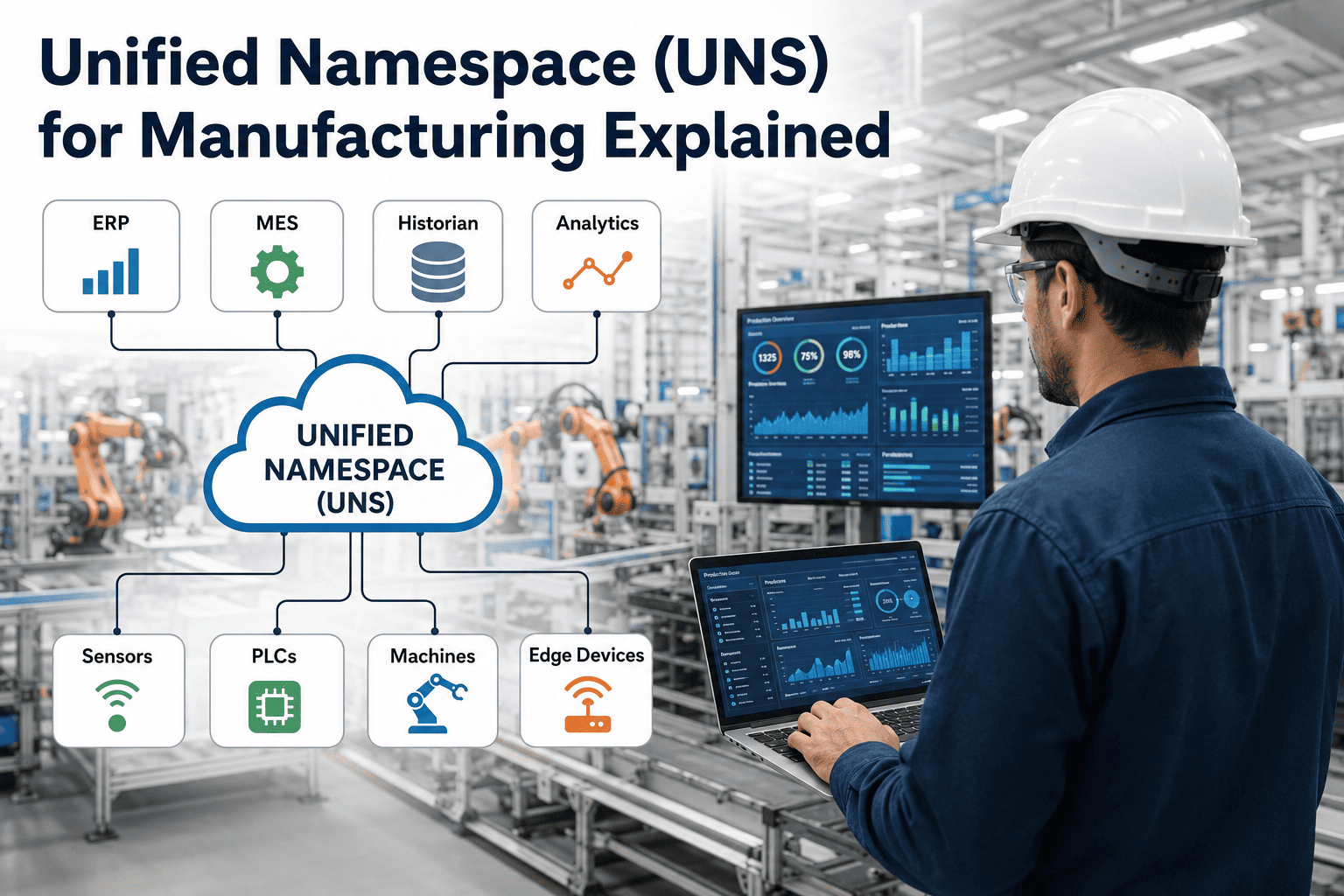
The unified namespace (UNS) serves as a single source of truth, decoupling data producers from consumers. It aggregates data from diverse sources—edge nodes, MES, ERP, and historians—into a structured, real-time data fabric. This layer handles message routing, data normalization, and schema management using tools like Apache Kafka or HiveMQ.
Storage Layer
Time-series databases such as InfluxDB or TimescaleDB store high-frequency sensor data with efficient compression and downsampling. For contextual data (e.g., asset hierarchies, maintenance logs), a relational database like PostgreSQL is used. Data retention policies balance storage costs with analytical needs, typically keeping raw data for 30-90 days and aggregated data for years.
Analytics Layer
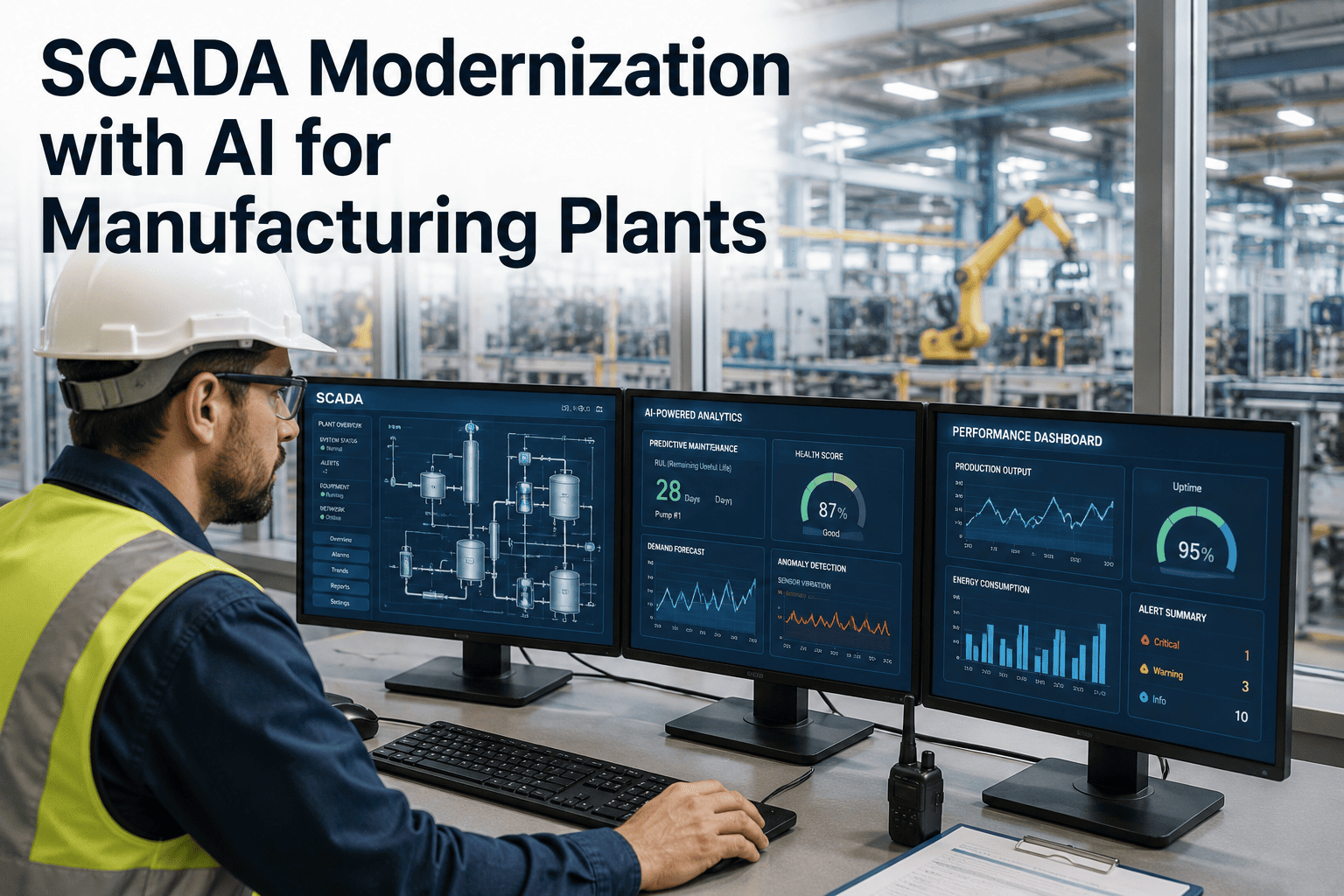
Machine learning models and statistical algorithms process data for predictive maintenance, quality prediction, and energy optimization. This layer includes model training pipelines, inference engines, and a feature store. Real-time analytics use stream processing (e.g., Apache Flink), while batch analytics leverage Spark or Python-based workflows.
Application Layer
End-user applications like dashboards, mobile alerts, and reporting tools consume processed data. This layer includes visualization platforms (e.g., Grafana, Power BI), digital twins, and workflow automation engines. APIs and microservices ensure modularity, allowing easy integration with existing enterprise systems.
Unified Namespace: The Core of IIoT Data Fabric
The unified namespace (UNS) is a paradigm shift from traditional point-to-point integrations. Instead of hardwiring connections between every device and application, the UNS acts as a central data bus where all data is published under a hierarchical topic structure. For example, a temperature sensor on Line 1 might publish to factory/line1/oven/temperature. Any authorized consumer—whether a dashboard, a historian, or an AI model—can subscribe to this topic without needing to know the source details. This decoupling drastically reduces integration complexity and allows new applications to be added without disrupting existing flows. In practice, the UNS is often implemented using an MQTT broker like HiveMQ or EMQX, combined with a schema registry to enforce data formats. For manufacturing, the UNS must support high cardinality (thousands of topics) and low-latency delivery (under 10 ms). Advanced implementations also include data persistence for late-arriving subscribers and edge caching for offline scenarios. iFactory's platform leverages a purpose-built UNS that automatically ingests data from over 200 industrial protocols, normalizes it, and exposes it via a unified API. This enables seamless integration with SAP, Oracle, and Microsoft Azure, ensuring that your IIoT architecture is both scalable and future-proof. Book a Demo to see our UNS in action.
Assessment & Discovery
Audit existing OT infrastructure, network topology, and data sources. Identify critical assets, communication protocols, and security requirements. Define KPIs like OEE, MTBF, and energy consumption.
Edge Deployment
Install edge gateways and sensors on priority machines. Configure data ingestion with local buffering to handle network interruptions. Deploy edge analytics for real-time anomaly detection.
Connectivity & Integration
Set up MQTT brokers with TLS and authentication. Design the UNS topic hierarchy based on asset hierarchy and data types. Integrate with MES, ERP, and existing historians via REST APIs.
Storage & Analytics
Provision time-series databases with appropriate retention policies. Build data pipelines for stream and batch processing. Train initial ML models using historical data and deploy them for inference.
Visualization & Optimization
Develop role-based dashboards for operators, engineers, and managers. Set up automated alerts for threshold breaches. Continuously refine models with new data and feedback loops.
Ready to Scale Your IIoT?
Our architecture is proven in 200+ factories worldwide. Get expert guidance tailored to your environment.
Edge Computing
Process data locally to reduce latency and bandwidth costs. Edge nodes run containerized applications for real-time control and pre-processing. Supports OPC UA, Modbus, and custom drivers.
MQTT & Sparkplug
Sparkplug B adds state management and birth/death certificates to MQTT, ensuring that the UNS always has an accurate view of device status. This is critical for safety-critical applications.
Time-Series DB
Optimized for high write throughput and efficient storage of timestamped data. Features like continuous queries and downsampling reduce query latency for historical analysis.
Digital Twin
A virtual replica of physical assets that mirrors real-time data. Digital twins enable simulation, what-if analysis, and remote troubleshooting without disrupting production.
Security & Governance
Zero-trust architecture with certificate-based authentication, role-based access control, and audit logging. Data encryption at rest and in transit ensures compliance with ISO 27001 and NIST frameworks.
API & Microservices
RESTful and gRPC APIs expose data and functionality to third-party applications. Microservices architecture allows independent scaling of components like alerting, reporting, and ML inference.
IIoT Protocol Comparison
| Protocol | Use Case | Latency | Security | Scalability |
|---|---|---|---|---|
| MQTT | Sensor data, telemetry | <10 ms | TLS, OAuth | High |
| OPC UA | Machine control, safety | <5 ms | X.509, encryption | Medium |
| HTTP/2 | Configuration, logs | <50 ms | TLS | Medium |
| Modbus TCP | Legacy devices | <20 ms | None (tunneled) | Low |
| AMQP | Enterprise messaging | <30 ms | TLS, SASL | High |
Frequently Asked Questions
What is the difference between IIoT and IoT in manufacturing?
IIoT focuses on industrial applications with requirements for high reliability, low latency, and deterministic behavior. Unlike consumer IoT, IIoT devices often operate in harsh environments, must support legacy protocols, and need to integrate with OT systems like PLCs and SCADA. Security is also more stringent due to potential safety risks. For more details, contact our support team or book a demo to see how iFactory handles these complexities.
How does MQTT ensure reliable data delivery in noisy factory environments?
MQTT offers three Quality of Service levels: QoS 0 (at most once), QoS 1 (at least once), and QoS 2 (exactly once). In manufacturing, QoS 1 is commonly used to balance reliability and overhead. Additionally, persistent sessions and last will messages help maintain state even after network interruptions. For mission-critical data, Sparkplug B adds a state management layer. Learn more by booking a demo.
What is a unified namespace and why is it important?
A unified namespace is a centralized, hierarchical data structure that decouples data producers from consumers. It eliminates point-to-point integrations, reduces complexity, and enables real-time data sharing across the enterprise. In manufacturing, a UNS allows data from sensors, PLCs, MES, and ERP to be accessed through a single API, facilitating advanced analytics and AI. For implementation guidance, visit our support page.
How do time-series databases handle high-frequency sensor data?
Time-series databases like InfluxDB and TimescaleDB use columnar storage, automatic partitioning, and downsampling to efficiently store and query high-frequency data. They support retention policies that automatically delete old data, and continuous queries that pre-aggregate data for faster dashboards. This architecture reduces storage costs while maintaining query performance. For a tailored solution, book a demo.
What security measures are essential for IIoT architectures?
Essential measures include device authentication using X.509 certificates, TLS encryption for all communications, role-based access control for data and applications, and network segmentation to isolate OT from IT. Regular security audits and compliance with standards like IEC 62443 are also critical. iFactory's platform includes built-in security features. For more information, contact support.
Build Your IIoT Architecture with Confidence
Leverage our reference architecture and expert team to accelerate your Industry 4.0 transformation. Start with a free consultation.