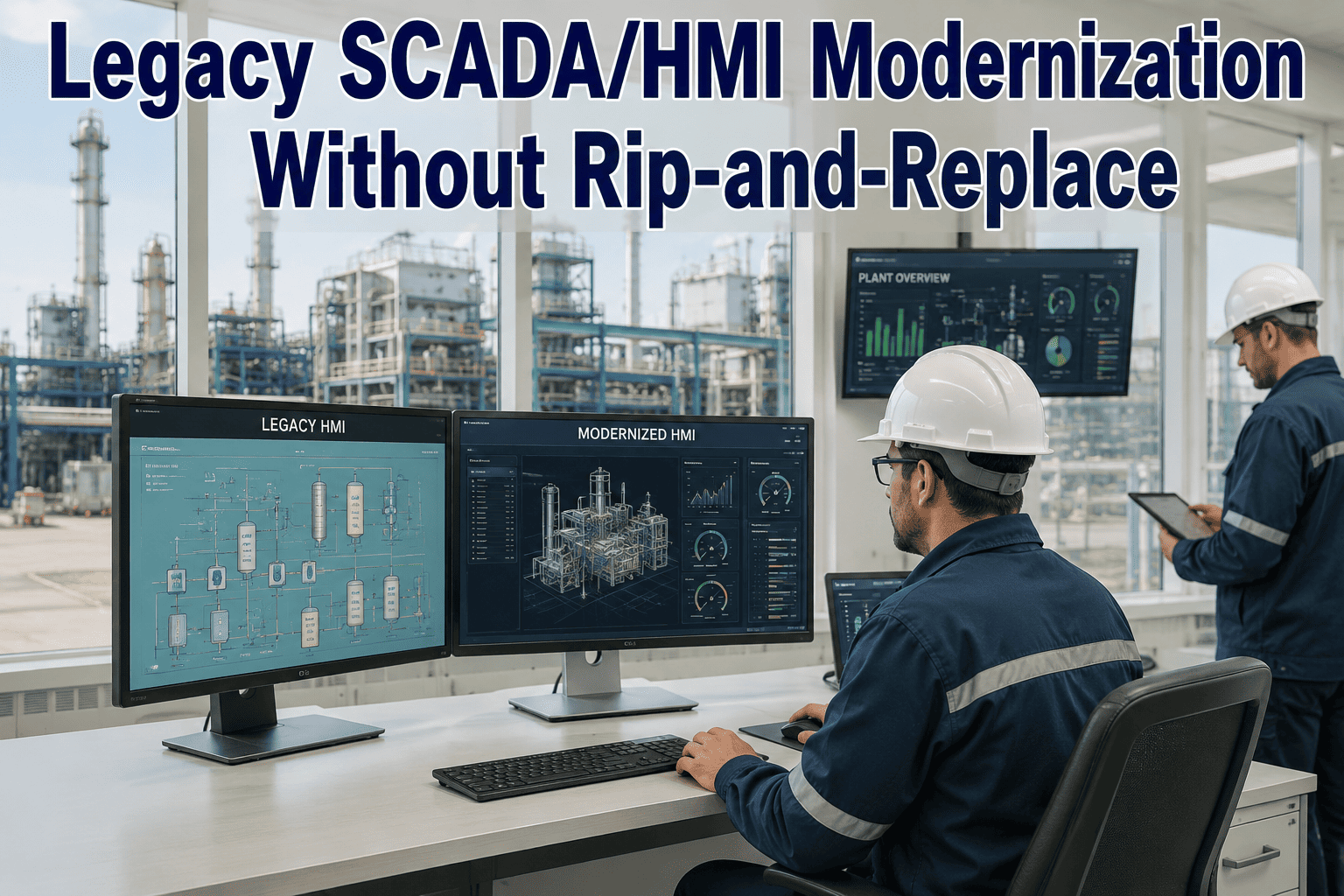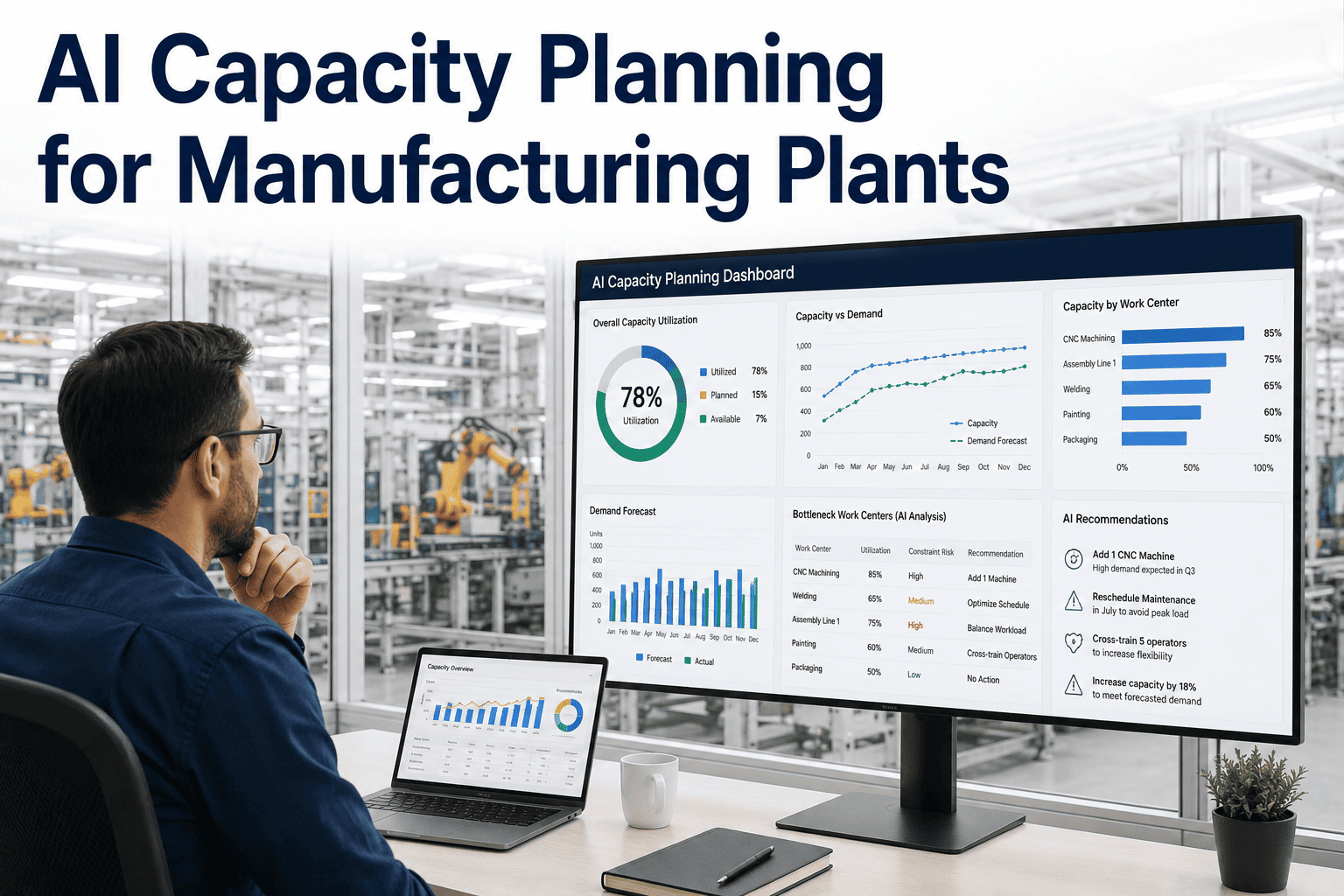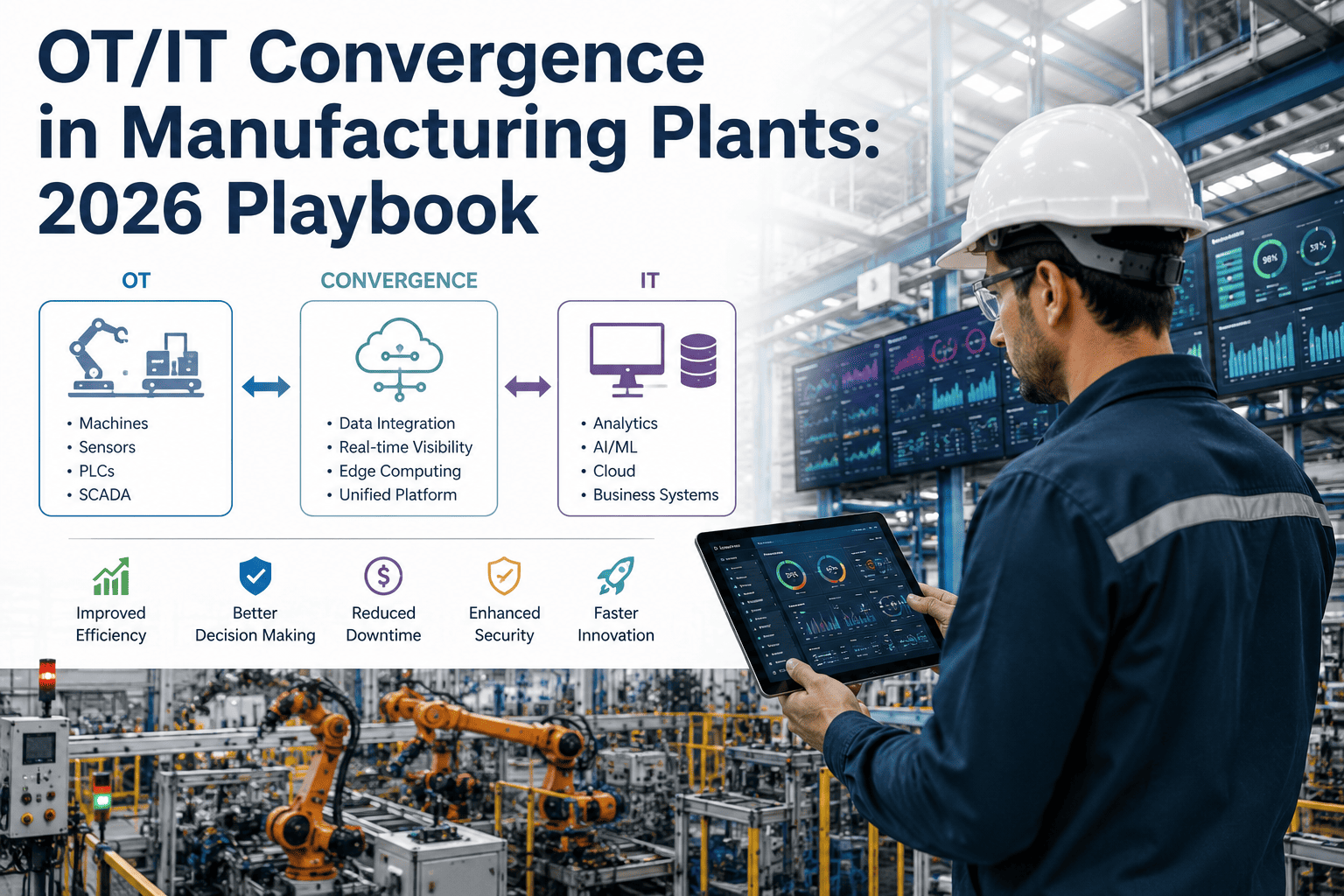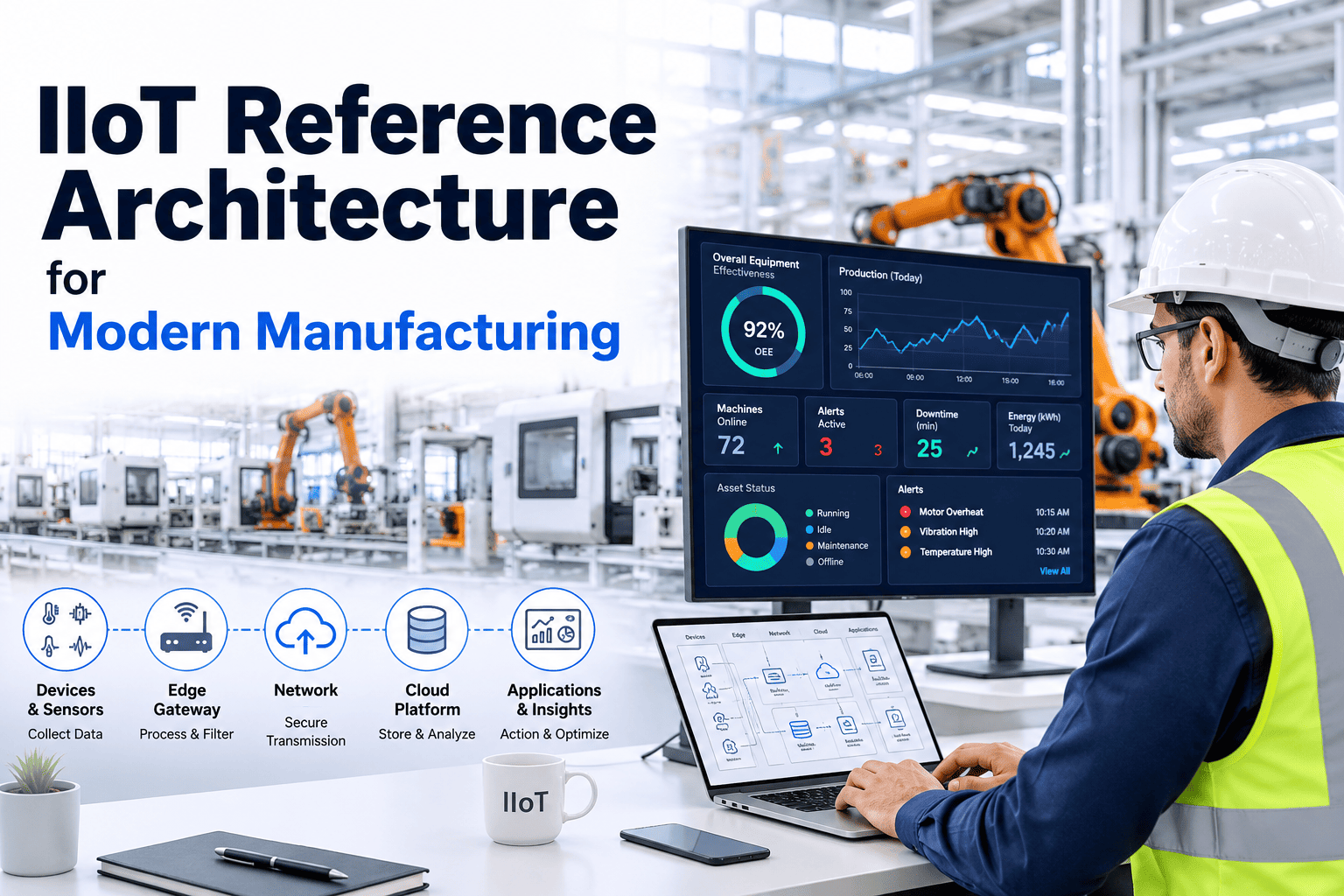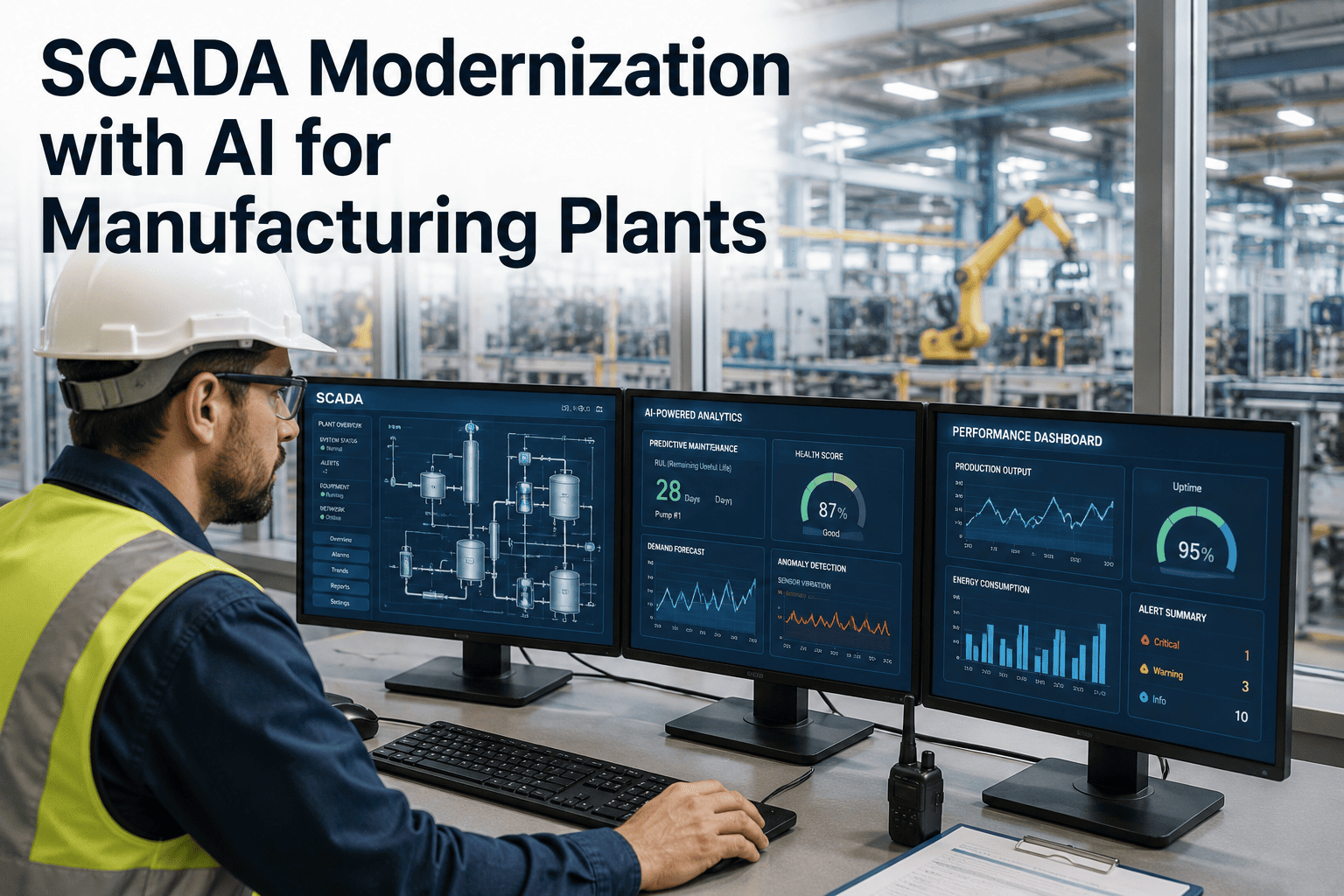
Most plant SCADA systems were specified, procured, and commissioned years before anyone in the control room used the word AI in a sentence, and that history shapes what OT engineers assume a modernization project has to involve. The instinct is to picture a forklift upgrade: rip out the historian, replace the HMI, requalify every tag, and accept months of downtime risk to get there. That assumption is usually wrong. AI does not need to replace SCADA to add value; it needs to read from it. A layer that ingests existing tag data, correlates it across systems, and surfaces patterns no operator has time to watch for can sit on top of a SCADA system that has been running since before the plant's youngest engineer was hired. OT teams weighing this path can Book a Demo to see an AI layer read live tags from an existing SCADA without touching the control logic underneath.
The Real Cost of a Full SCADA Replacement
A full SCADA replacement means requalifying alarms, revalidating control logic, retraining every operator on a new HMI, and accepting a cutover window where the plant runs on unfamiliar screens under time pressure. For a continuous process plant, that risk profile alone is often enough to shelve modernization for another budget cycle, even when the existing system is clearly limiting what the plant can see.
The limitation is rarely the SCADA's ability to acquire data; it is what happens to that data afterward. Tags get archived, alarms fire on fixed thresholds, and trends get reviewed reactively after something has already gone wrong. An AI layer addresses exactly that gap without touching the acquisition layer at all, which is why plants are increasingly modernizing what sits above SCADA instead of replacing SCADA itself.
Where AI Sits in the Plant Architecture
Think of the modern plant stack as layers, each doing a distinct job. AI does not replace any layer below it; it reads from them and feeds intelligence back down.
AI Intelligence Layer
Correlates tags across SCADA, historian, and MES to detect anomalies, predict failures, and recommend actions back to operators and engineers.
Historian & MES
Archives time-series data and tracks production orders, providing the historical context the AI layer draws on for pattern detection.
SCADA / HMI
Your existing acquisition and visualization system, untouched, continuing to run the control loops and alarms it always has.
PLCs & Field Devices
Sensors, actuators, and controllers on the floor, generating the raw signals that flow up through every layer above.
How AI Reads From SCADA Without Touching It
OPC UA Read-Only Client
Subscribes to existing tags as a read-only client, meaning it never writes back into the control system or touches setpoints.
Historian Data Pull
Pulls archived time-series data on a schedule for trend and pattern analysis without adding real-time load to the SCADA server.
Edge Gateway Mirroring
Mirrors a defined tag set to an edge device for sites with strict network segmentation or air-gapped OT environments.
Legacy SCADA Alone vs SCADA With an AI Layer
| Capability | SCADA Alone | SCADA + AI Layer |
|---|---|---|
| Alarm logic | Fixed thresholds | Dynamic, condition-aware thresholds |
| Cross-system correlation | Manual, tag by tag | Automatic across SCADA, historian, MES |
| Failure prediction | Reactive after alarm | Predictive, before threshold breach |
| Deployment risk | N/A | Read-only, no control logic changes |
| Operator workload | Manual trend review | Prioritized alerts with root cause context |
A Modernization Path That Doesn't Require Downtime
Tag Inventory & Topology Review
Existing SCADA tags, historian structure, and network segmentation are mapped before any connection is made.
Read-Only Connection
The AI layer connects via OPC UA or historian pull, verified in a test environment before touching production tags.
Baseline Pattern Learning
The system observes normal operating patterns across shifts and seasons before it starts flagging deviations.
Operator-Facing Alerts
Prioritized, root-cause-annotated alerts are delivered to existing operator screens rather than a separate system to monitor.
SCADA Modernization With AI — Common Questions
Does this require any changes to our existing SCADA control logic?
No. The AI layer connects as a read-only client through OPC UA or a historian data pull, meaning it observes tag values without ever writing back into the control system. Your existing alarms, control loops, and HMI screens continue operating exactly as they do today, with no requalification of control logic required because nothing in that logic is modified.
What if our OT network is air-gapped or heavily segmented?
Sites with strict network segmentation typically use an edge gateway that mirrors a defined tag set outward without opening a direct path back into the control network. The gateway configuration is reviewed with your OT security team before deployment, so the connection method respects your existing segmentation policy rather than requiring exceptions to it.
How long before the AI layer starts producing useful alerts?
Most deployments include a baseline learning period, typically several weeks, during which the system observes normal operating patterns across different shifts, products, and seasonal conditions before it begins flagging deviations. This period matters because a threshold set too early, before the system has seen a full operating cycle, tends to produce noisy alerts that erode operator trust.
Can this pull data from multiple SCADA systems if our plant has more than one?
Yes, the AI layer is designed to connect to multiple SCADA and historian instances simultaneously, which is common in plants that have grown through expansions or acquisitions and ended up with more than one control system in place. Correlating tags across those separate systems is often where the AI layer adds the most value, since that cross-system view rarely exists today.
How do we get started on a pilot for one production line?
A single-line pilot typically starts with a tag inventory and network review, followed by a read-only connection test in a non-production environment before anything touches live tags. OT teams ready to scope a pilot can Book a Demo or reach the iFactory Support team for a topology review.