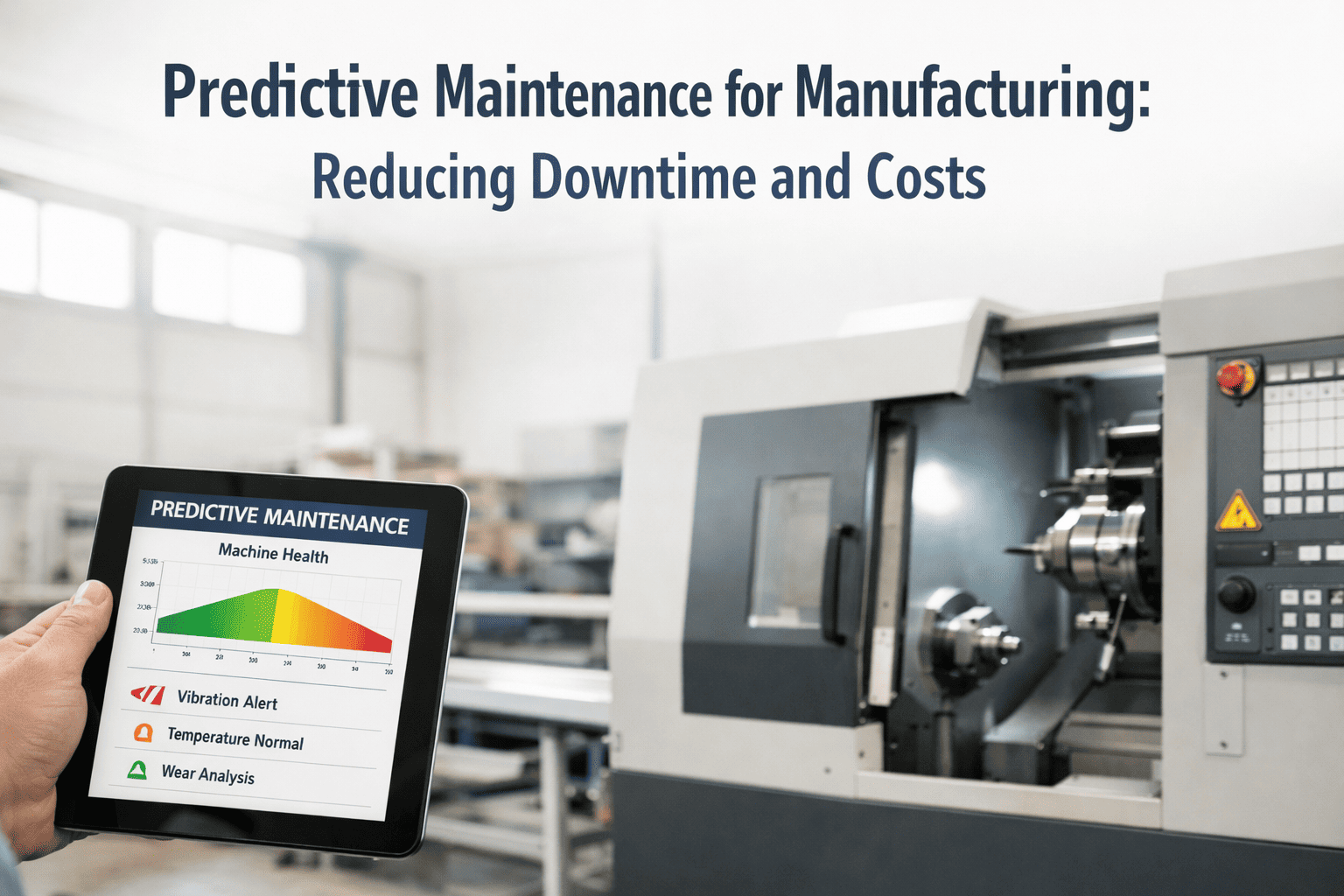
Reliability engineers rarely need convincing that downtime is expensive. What most teams don't have is a real number, broken into the pieces finance actually cares about. Across manufacturing, unplanned downtime now averages roughly $260,000 per hour, and that figure has climbed more than 50% since 2019 even as the number of incidents per plant has slowly declined. The catch is that most maintenance reports only capture one or two of the six cost categories buried inside every stoppage, which means the number your team reports upward is usually 50-70% lower than the real financial hit. This page breaks unplanned downtime down the way a reliability engineer actually needs to see it: by cost category, by root cause, and by what it takes to eliminate it. Reliability teams ready to quantify their own exposure can book a demo and get a plant-specific downtime cost model.
UNPLANNED DOWNTIME COST · MANUFACTURING · RELIABILITY
Know What Every Stopped Line Is Really Costing You
AI root-cause detection and predictive monitoring find the failures before they stop the line, so the six-figure hourly cost never gets charged in the first place.
$260K
Average cost per hour of unplanned downtime across manufacturing sectors in 2026
800 hrs
Average unplanned downtime a mid-size manufacturing plant absorbs every year
2-4x
How much higher the real cost of downtime is once hidden cost categories are counted
42%
Share of unplanned downtime incidents traced back to equipment failure alone
What One Hour of Downtime Actually Costs
Most plants only track lost margin and emergency maintenance labor, missing the four other cost categories that make up more than half of the real financial impact. Reliability engineers building a credible business case need the full breakdown below, not just the visible slice.
Lost Margin 32%
Emergency Maintenance 18%
Scrap & Restart 15%
Overtime Labor 15%
Logistics Impact 12%
Idle Energy 8%
Composition of true downtime cost per incident, based on manufacturing benchmark data across six categories
Downtime Cost Varies Sharply by Sector
The $260,000-per-hour average hides enormous variation. Where your plant sits on this range determines how aggressively reliability leadership should be pushing for predictive coverage.
| Sector |
Typical Downtime Cost Per Hour |
Primary Driver |
| Automotive |
Up to $2.3 million |
Just-in-time delivery penalties and line-down OEM charges |
| Oil & Gas / Process |
Around $100,000 |
Continuous-process restart time and safety compliance exposure |
| Discrete Manufacturing |
$10,000 to $50,000 |
Scrap, changeover loss, and missed shipment penalties |
| Mid-Size Average |
Approximately $125,000 |
Blend of lost margin and emergency repair premiums |
What's Actually Causing Your Downtime
Before you can eliminate downtime, you need to know where it originates. Equipment failure remains the single largest driver by a wide margin, which is exactly the category predictive monitoring is built to address.
Supply Chain Disruption
12%
IT or Software Failure
8%
UNPLANNED DOWNTIME COST · MANUFACTURING · 2026
Get Your Plant's Real Downtime Cost Number
Most reliability teams underestimate their true downtime cost by 50-70%. See the full six-category breakdown for your specific lines.
How AI Root-Cause Detection Eliminates Unplanned Downtime
Eliminating downtime isn't about working faster after a failure. It's about never reaching the failure at all. AI-driven monitoring closes the gap across three connected capabilities.
Continuous Condition Monitoring
Vibration, temperature, current, and pressure sensors feed condition data into the model around the clock, catching degradation that periodic manual checks miss entirely.
Automated Root-Cause Correlation
Machine learning correlates dozens of variables at once, identifying the true failure driver in minutes instead of the four to eight hours manual investigation typically takes.
Work Orders Before Failure
Confirmed alerts convert directly into scheduled work orders inside your CMMS, moving the repair into a planned window instead of an emergency stoppage.
Frequently Asked Questions
UNPLANNED DOWNTIME COST · MANUFACTURING · 2026
Stop Paying the Six-Figure Hourly Downtime Tax
See how AI predictive monitoring and automated root-cause detection protect your production hours before the next unplanned stoppage.