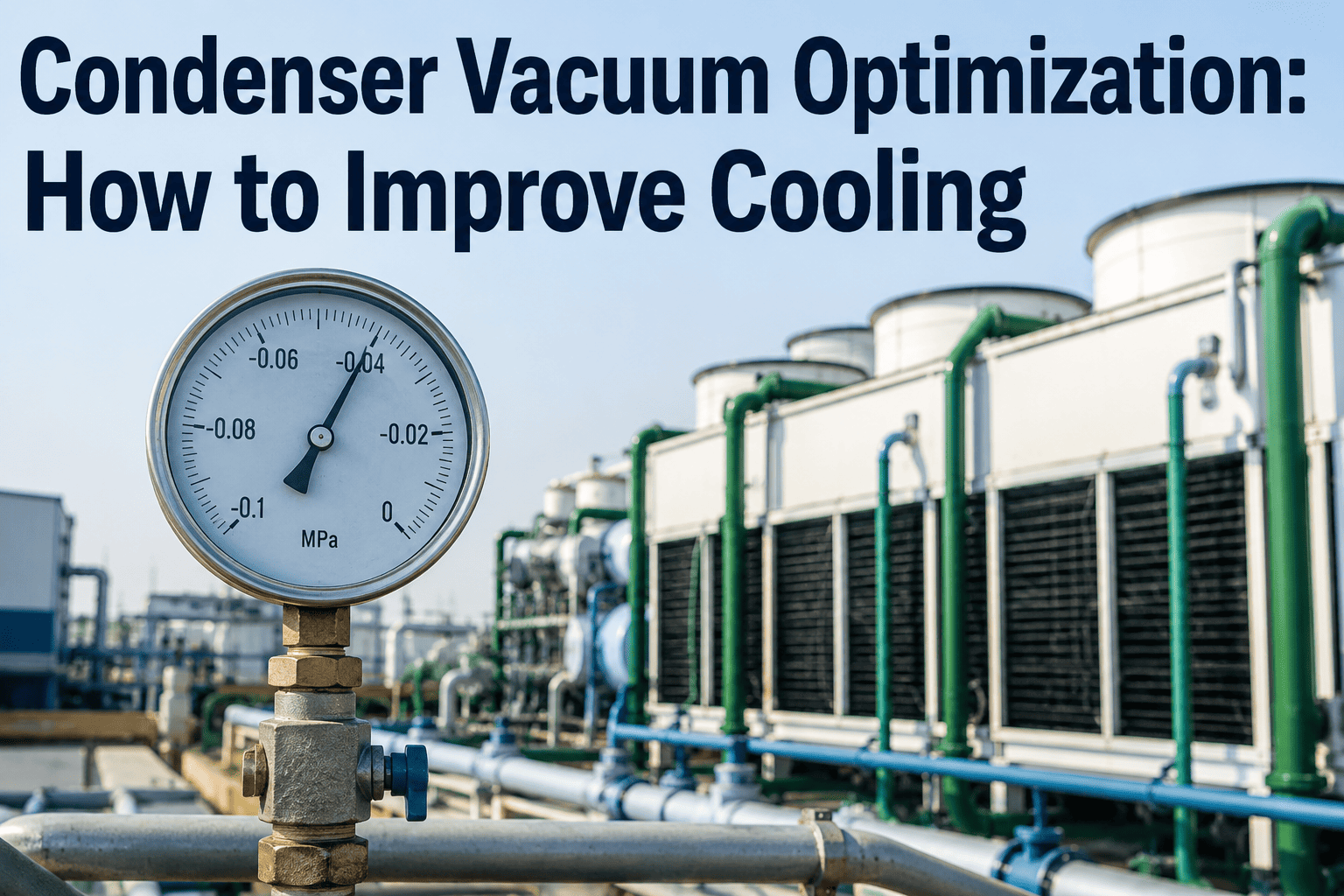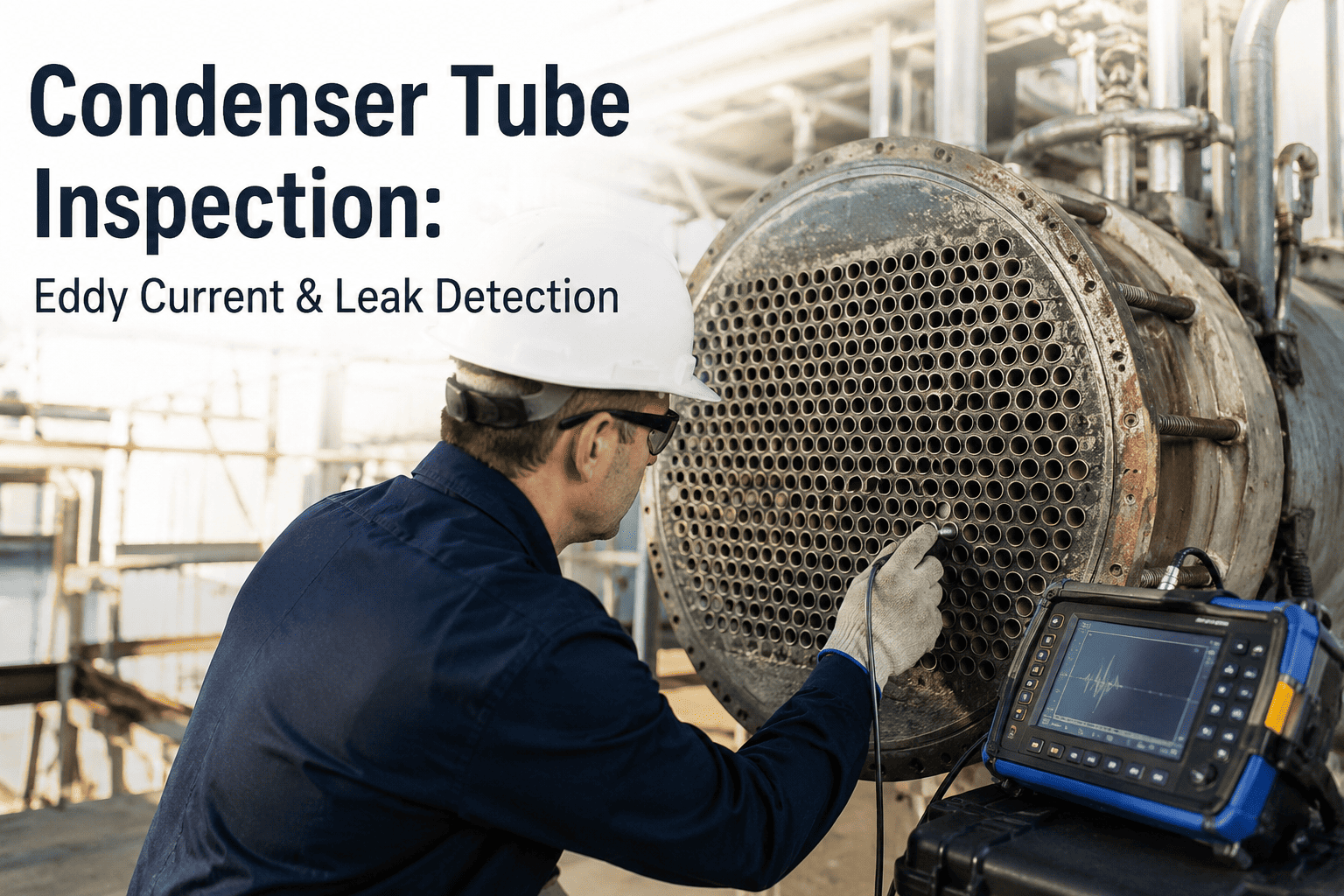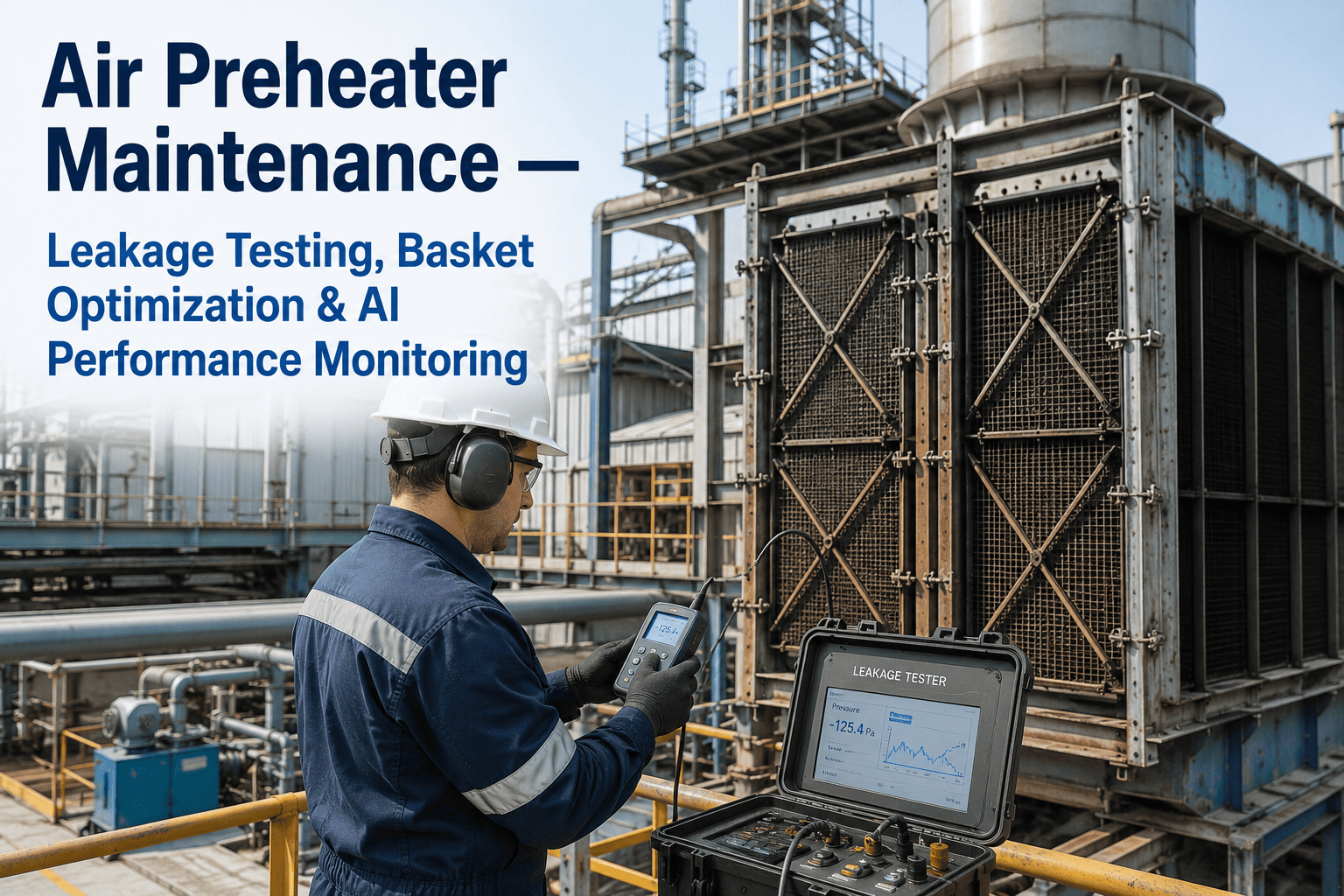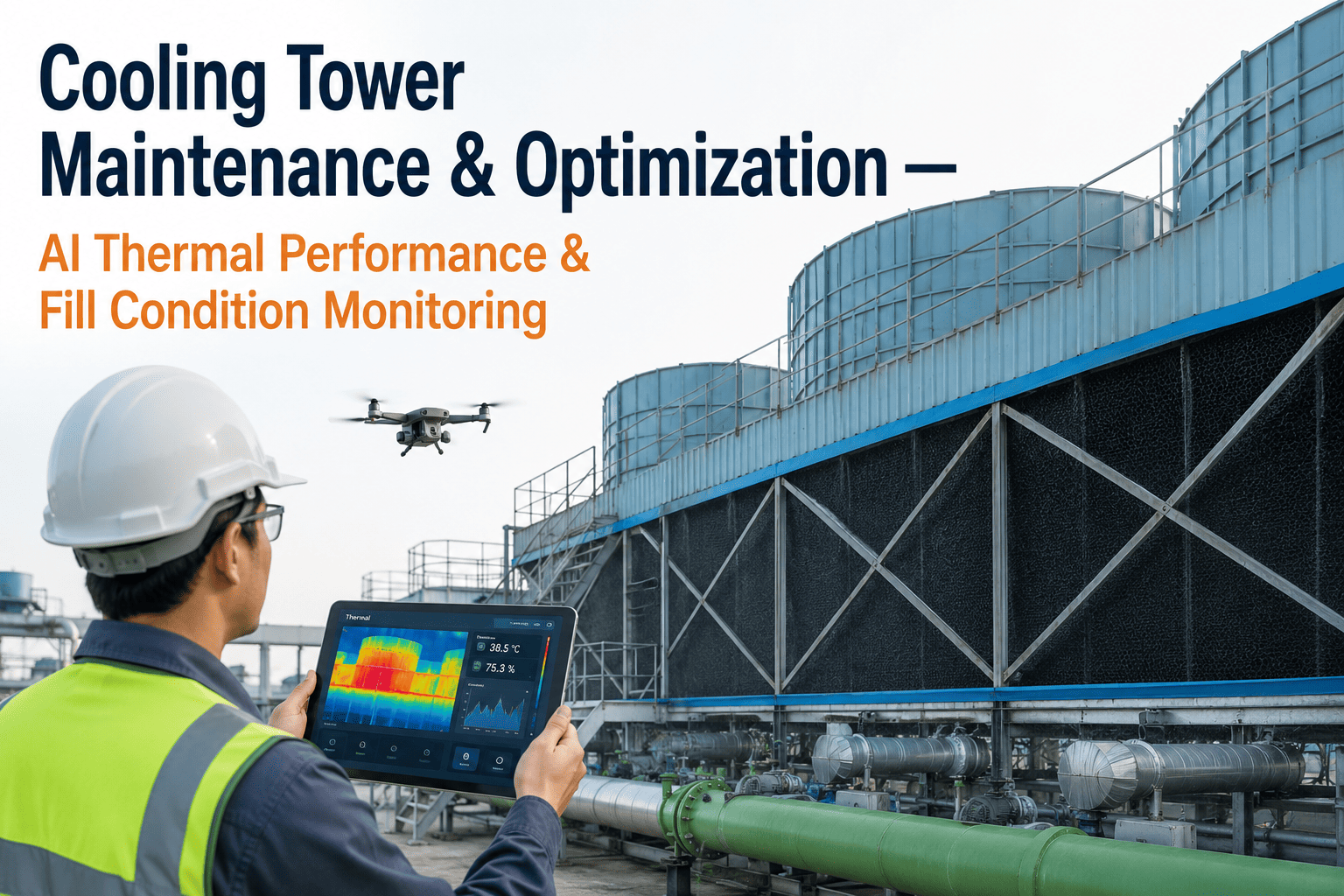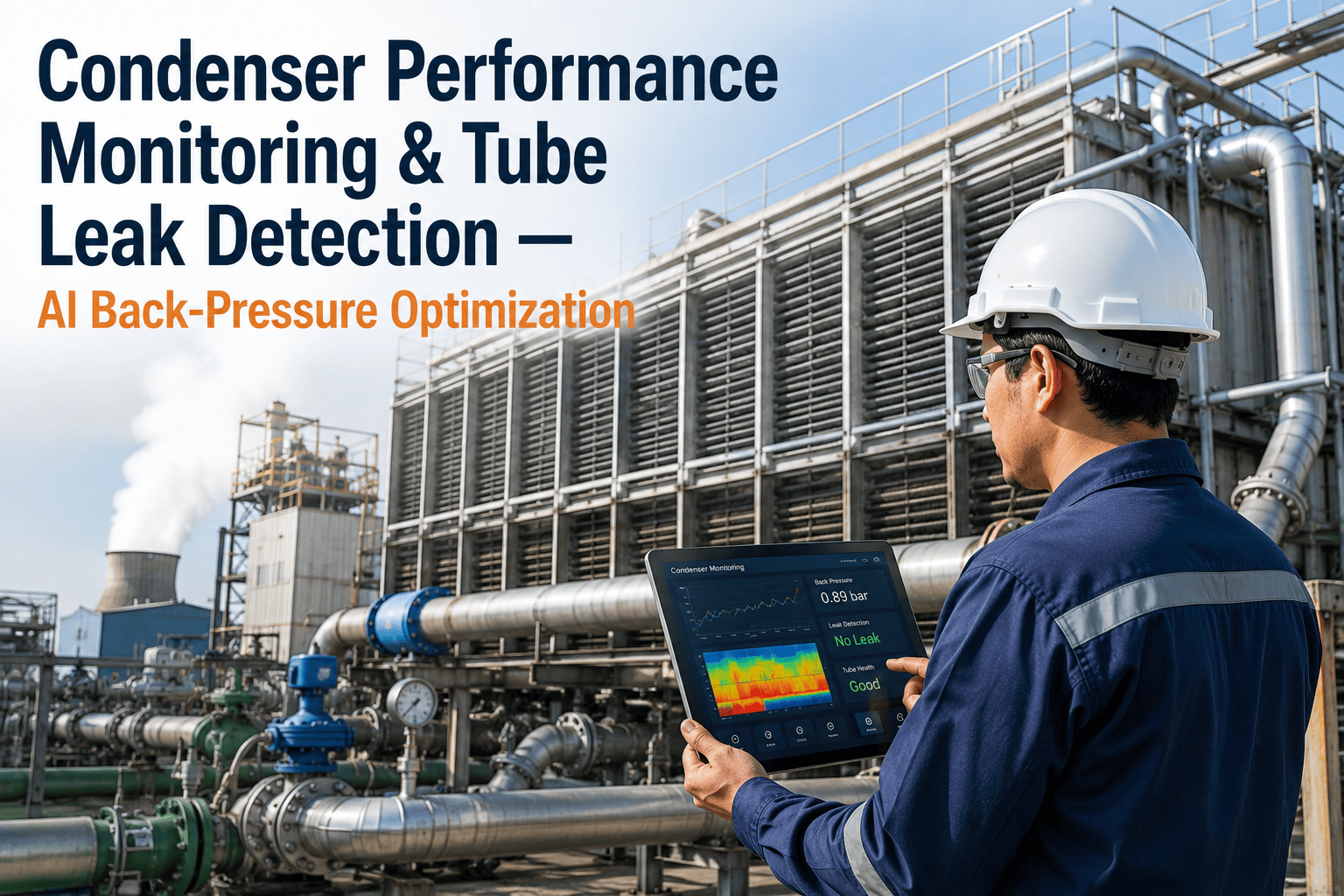
Condenser performance is the single most influential factor in determining the overall thermal efficiency of a steam power plant. A mere 1 inHg increase in back-pressure can reduce turbine output by 1.5% to 3%, translating into millions of dollars in lost revenue annually for a typical 500 MW unit. Yet, many plants still rely on periodic manual readings and reactive maintenance, missing early indicators of tube fouling, air in-leakage, or tube leaks. Our AI-driven condenser monitoring platform continuously analyzes key parameters — back-pressure, tube cleanliness factor, condensate subcooling, and air extraction system performance — to provide real-time diagnostics and predictive alerts. By integrating with existing DCS and CMMS systems, the solution enables process engineers to optimize vacuum, schedule targeted cleaning, and detect tube leaks before they cause forced outages. Book a Demo to see how our advanced analytics can recover lost capacity and extend condenser life.
AI-Powered Condenser Performance Monitoring
Real-time back-pressure optimization, tube leak detection, and cleanliness tracking to maximize turbine output and plant profitability.
The condenser is the heart of the Rankine cycle, dictating the heat rejection capability and directly influencing turbine back-pressure. In modern power plants, condenser performance degradation due to fouling, air in-leakage, or tube leaks is often gradual, making it difficult to detect with conventional threshold-based alarms. Our AI monitoring platform employs machine learning models trained on historical data to establish baseline performance curves for each operating condition. Deviations from these baselines trigger early warnings, allowing process engineers to take corrective actions — such as targeted backwash, chemical cleaning, or tube plugging — before the degradation impacts generation. The system also correlates condenser vacuum with ambient conditions, cooling water temperature, and load to provide a holistic view of performance drivers.
Back-Pressure Analysis
Continuous monitoring of turbine exhaust pressure, corrected for barometric pressure and cooling water temperature. AI models predict back-pressure trends under varying load and ambient conditions, enabling proactive condenser cleaning scheduling.
Tube Cleanliness Factor
Calculated from heat transfer coefficient, cleanliness factor indicates fouling severity. Our system tracks cleanliness factor over time, distinguishing between scaling, biofouling, and particulate deposition, and recommends optimal cleaning intervals.
Air In-Leakage Detection
Analysis of air extraction system performance, including vacuum pump current, condensate dissolved oxygen, and temperature rise across the air cooler. Early detection of air in-leakage prevents excessive back-pressure and reduces corrosion risk.
Tube Leak Detection
Real-time monitoring of condensate conductivity, sodium, and silica levels. AI models detect tube leaks by correlating chemical excursions with operating conditions, pinpointing the affected tube bundle and reducing downtime.
Condenser Degradation Timeline
Initial Fouling
Tube cleanliness factor drops below 0.85. Back-pressure rises 0.2 inHg. No immediate generation loss, but efficiency starts declining.
Air In-Leakage
Dissolved oxygen increases, vacuum pump current rises by 10%. Back-pressure increases another 0.3 inHg. Output loss reaches 0.5%.
Tube Leak Initiation
Condensate conductivity spikes above 0.5 μS/cm. Back-pressure approaches 3.0 inHg. Output loss escalates to 2%.
Critical Failure
Multiple tube leaks cause forced outage. Back-pressure exceeds 4.0 inHg. Output loss exceeds 5%. Emergency shutdown required.
Optimize Your Condenser Performance Today
Unlock lost generation capacity and reduce forced outages with AI-driven monitoring.
Key Performance Indicators
| Parameter | Target Range | Alert Threshold | Action |
|---|---|---|---|
| Back-Pressure | 2.0 - 2.5 inHg | > 3.0 inHg | Initiate condenser cleaning |
| Tube Cleanliness Factor | 0.85 - 1.0 | < 0.80 | Schedule chemical cleaning |
| Condensate Conductivity | < 0.2 μS/cm | > 0.5 μS/cm | Inspect for tube leaks |
| Dissolved Oxygen | < 20 ppb | > 50 ppb | Check air extraction system |
| Vacuum Pump Current | 100% baseline | > 115% baseline | Investigate air in-leakage |
Technical Deep Dive: AI Models for Condenser Monitoring
Our platform employs a hybrid approach combining physics-based models with machine learning. The physics-based model calculates the expected back-pressure based on the heat transfer equation, using real-time data on steam flow, cooling water temperature, and flow rate. Deviations between expected and actual back-pressure are fed into a gradient boosting regressor trained on historical events of fouling, air in-leakage, and tube leaks. This ensemble model outputs a probability score for each degradation mode, enabling precise root cause identification. Feature engineering includes rolling averages, rate of change, and interaction terms such as the product of cooling water temperature and cleanliness factor. The model is retrained weekly to adapt to seasonal variations and unit aging, ensuring sustained accuracy.
Condenser Health Score
Benefits of AI-Driven Condenser Monitoring
- Recover up to 3% of lost generation capacity by maintaining optimal back-pressure.
- Reduce forced outages by 40% through early tube leak detection.
- Extend tube life by optimizing cleaning schedules based on actual fouling rates.
- Lower maintenance costs by targeting only affected tube bundles.
- Improve heat rate by 0.5-1.0% through sustained vacuum optimization.
Case Study: 600 MW Coal Plant
A midwestern coal-fired power plant implemented our AI condenser monitoring solution on a 600 MW unit. Within the first six months, the system detected a gradual increase in back-pressure due to biofouling in the condenser tubes. The AI recommended a targeted chemical cleaning, which restored cleanliness factor from 0.72 to 0.91. The resulting back-pressure reduction of 0.8 inHg recovered 4.8 MW of generation capacity, equivalent to $1.2 million in annual revenue. Additionally, the system identified an air in-leakage through a vacuum pump seal, which was repaired during a scheduled outage, preventing a potential forced shutdown.
Frequently Asked Questions
How does AI improve condenser tube leak detection compared to traditional methods?
Traditional tube leak detection relies on periodic grab samples and conductivity alarms, which can miss slow-developing leaks or be triggered by operational transients. Our AI model continuously analyzes condensate conductivity, sodium, and silica in real time, correlating these with operating conditions such as load, cooling water temperature, and condenser vacuum. By learning the normal variability of these parameters, the model can distinguish between a true tube leak and a transient event, reducing false alarms. The system also identifies the likely tube bundle and severity, enabling targeted inspection and minimizing downtime. Contact our support team for more details on the algorithm.
What data is required to implement condenser performance monitoring?
To deploy the AI monitoring solution, we require historical and real-time data from the DCS, including turbine exhaust pressure, cooling water inlet and outlet temperatures, cooling water flow rate, condensate conductivity, dissolved oxygen, vacuum pump current, and steam flow. Ideally, at least 12 months of historical data at hourly resolution is needed to train the baseline model. Additional data such as ambient temperature, barometric pressure, and load setpoint enhances accuracy. The system can interface with OPC-UA, Modbus, or API-based data sources. Book a Demo to discuss your specific data architecture.
How is the tube cleanliness factor calculated and what does it indicate?
The tube cleanliness factor is the ratio of the actual heat transfer coefficient (Uactual) to the theoretical clean heat transfer coefficient (Uclean) at the same operating conditions. Uactual is calculated from the heat balance across the condenser using steam flow, cooling water flow, and temperature rise. Uclean is derived from the condenser design specifications, corrected for actual cooling water temperature and flow. A cleanliness factor of 1.0 indicates perfectly clean tubes, while values below 0.8 indicate significant fouling requiring cleaning. The AI model tracks trends in cleanliness factor to predict when cleaning is most cost-effective. Learn more about our calculation methodology.
Can the system detect air in-leakage before it affects back-pressure?
Yes, the AI model analyzes leading indicators such as vacuum pump current, temperature rise across the air cooler, and dissolved oxygen in the condensate. These parameters often show changes hours or days before back-pressure is measurably affected. The system uses a multivariate anomaly detection algorithm that flags deviations in these parameters, even when each individually remains within normal range. This early detection enables maintenance teams to locate and seal leaks during planned outages, preventing vacuum degradation and associated output loss. Schedule a demo to see real-world examples.
What is the ROI of implementing AI-driven condenser monitoring?
Typical ROI ranges from 6 to 12 months, driven by recovered generation capacity, reduced forced outages, and optimized maintenance. For a 500 MW unit with a 2% output loss due to condenser degradation, recovering even half of that loss (1%) yields 5 MW of additional capacity. At a wholesale electricity price of $50/MWh and 80% capacity factor, this translates to $1.75 million in annual revenue. Additionally, avoiding a single forced outage caused by a tube leak can save $500,000 in repair costs and lost production. The software subscription cost is a fraction of these benefits. Contact us for a custom ROI analysis.
Transform Your Condenser Maintenance Strategy
Harness the power of AI to optimize vacuum, detect leaks early, and maximize turbine output.