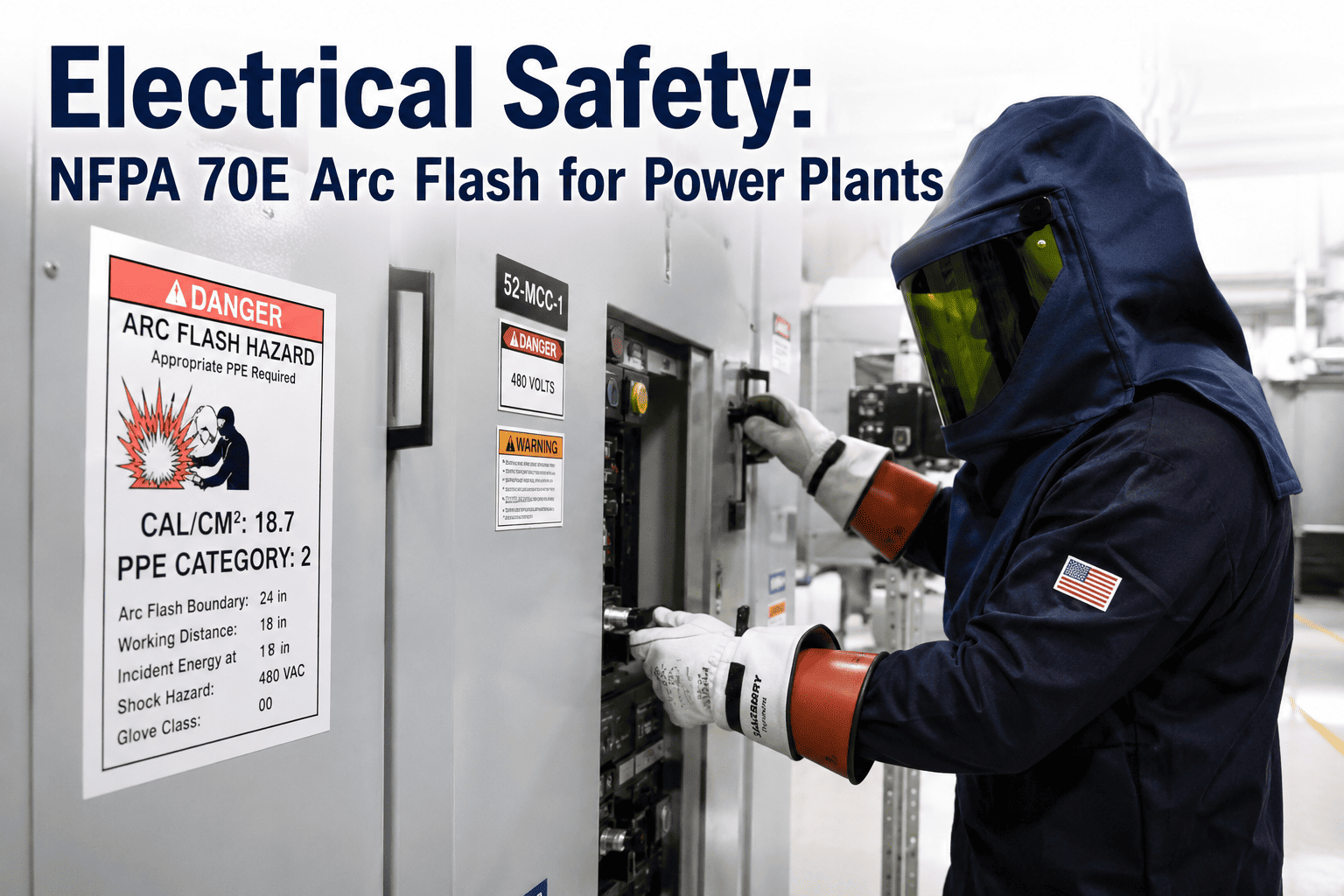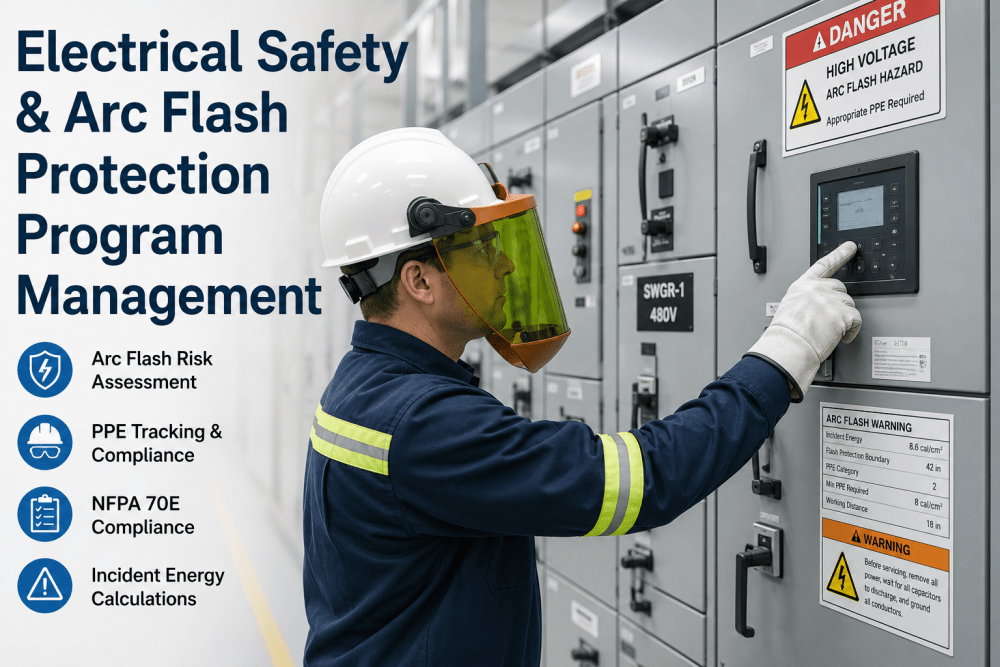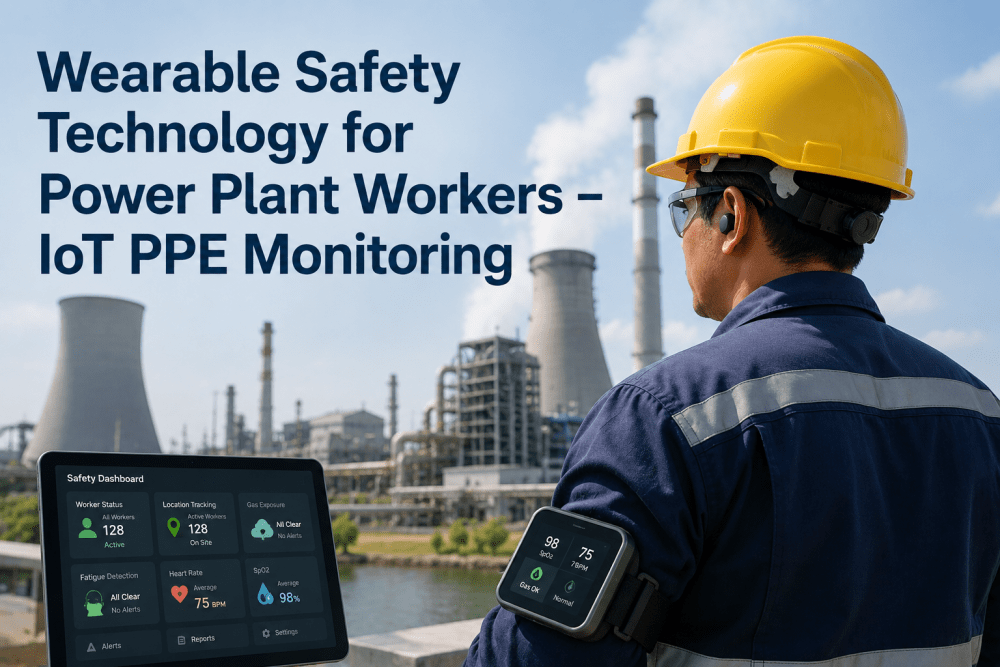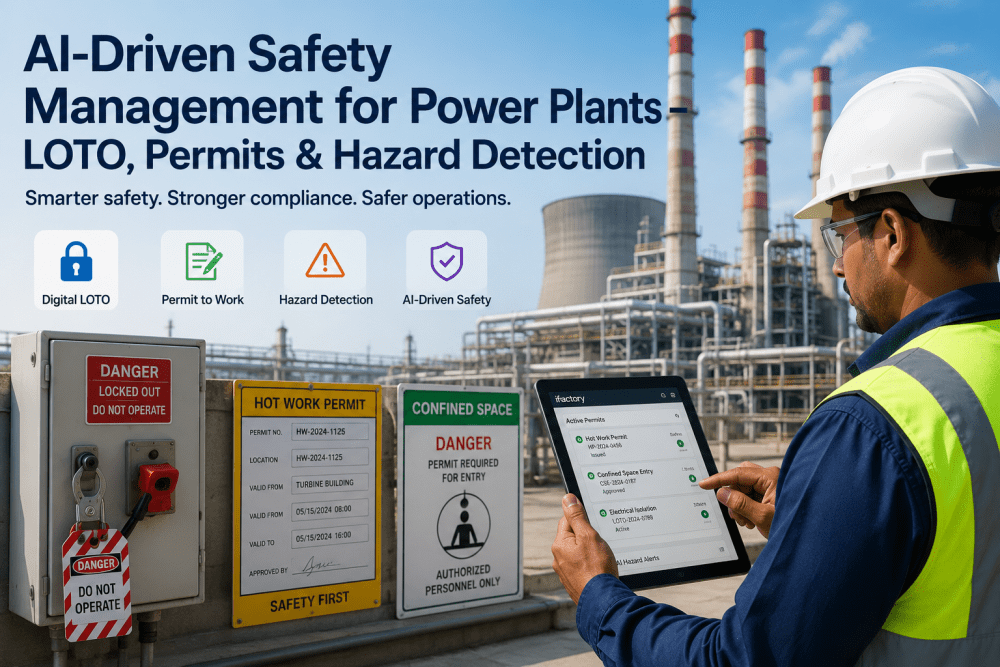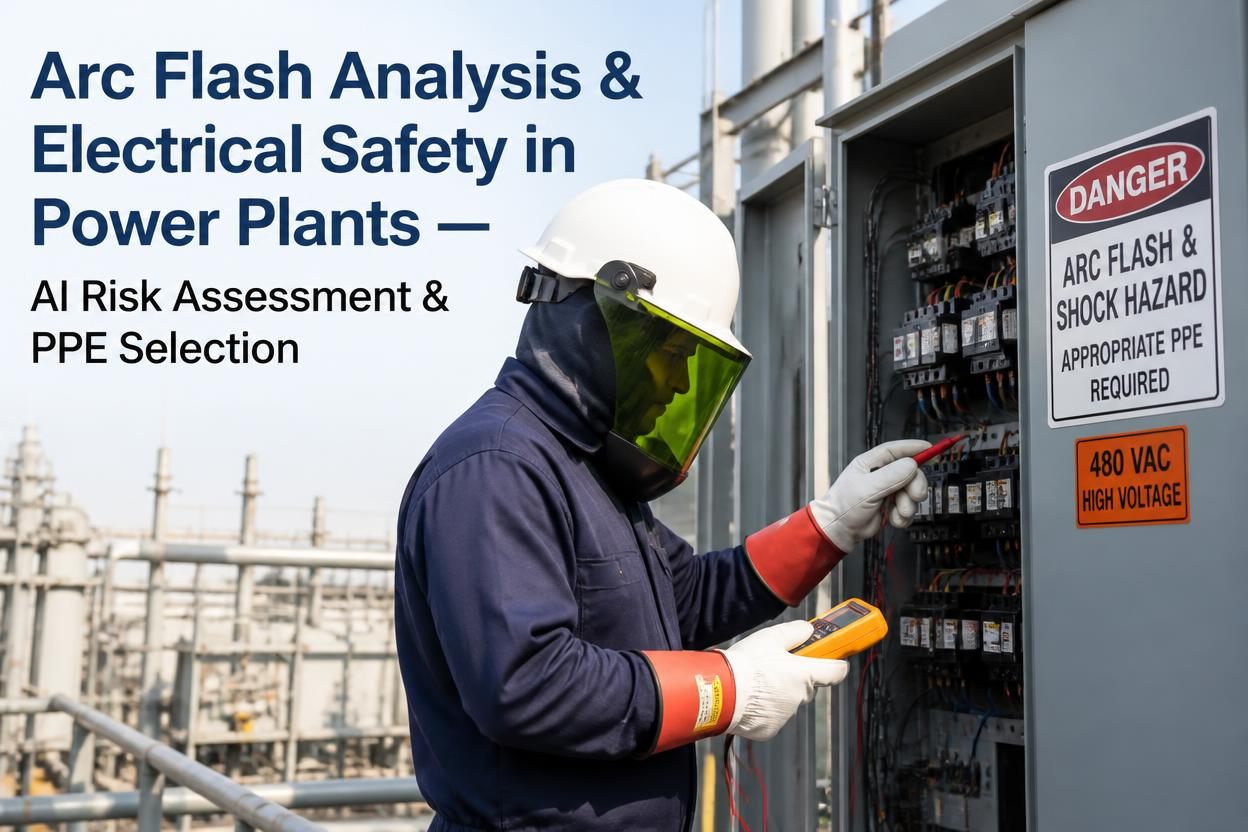
An arc flash releases plasma temperatures hotter than the surface of the sun, and the injury it causes has nothing to do with touching a live conductor — proximity alone is enough. The number that stands between a worker and a second-degree burn is the calculated incident energy at their exact working distance, yet many facilities still assign PPE using a table lookup that assumes generic equipment parameters instead of the fault current and clearing time actually present on that switchgear. A category error is invisible until the moment it matters most. iFactory keeps your arc flash study synchronized with real equipment configuration so every PPE label reflects current conditions, not the conditions that existed when the study was last run, and you can book a demo to see how it flags equipment whose labels may be out of date.
A PPE Category Label Is Only Correct Until Something on the Equipment Changes
iFactory keeps your arc flash incident energy calculations tied to live equipment configuration, so a modified breaker, an updated protective device setting, or a fault current change gets caught before a worker relies on an outdated label.
Incident Energy, Not Voltage, Is What Actually Sets the Required PPE Category
Incident energy is measured in calories per square centimeter, and the scale runs from barely noticeable to catastrophic within a surprisingly narrow band. One cal/cm² is roughly what it takes to ignite a piece of newspaper. Second-degree burn threshold is reached at just 1.2 cal/cm², yet a fault on modern switchgear can release hundreds of cal/cm² at the source.
A Category 2 Suit on a Category 4 Task Does Not Provide Partial Protection
PPE categories are engineering thresholds derived from incident energy calculations, equipment characteristics, and working distance — they are not a graduated scale of general caution. A suit rated below the actual exposure fails at the threshold the task can reach, before the worker has any chance to react.
Familiarity Bias
Category errors are most common on equipment workers have operated for years without incident. Historical experience does not change what the calculation says the exposure actually is.
Label Drift
Where equipment has been modified since the original study, existing labels may no longer reflect the actual fault current or clearing time conditions on that equipment today.
The Conservative Answer at High Incident Energy Is Not More PPE — It Is De-Energizing
iFactory helps EHS teams see exactly where equipment configuration has drifted from the last arc flash study, before a worker steps into an underrated boundary.
Incident Energy Analysis vs the PPE Category Table — When Each One Actually Applies
| Factor | PPE Category Table Method | Incident Energy Analysis (IEEE 1584) |
|---|---|---|
| Basis | Predefined table by equipment type and task | Calculated from fault current, clearing time, working distance |
| Accuracy | Conservative shortcut, site conditions not considered | Site-specific, considered the more accurate method |
| Applicability limits | Only valid within table's voltage and fault current ceiling | Required above the table's applicability limits |
| Best used for | Facilities without a completed arc flash study | Medium-voltage switchgear and modified equipment |
Keeping Arc Flash Labels Honest Between Formal Study Updates
Protective Device Setting Changes
When a breaker or relay setting is modified, the equipment's calculated clearing time and resulting PPE category are automatically flagged for review.
Fault Current Drift
Utility or system configuration changes that shift available fault current at a bus are tracked against the assumptions used in the last incident energy calculation.
Equipment Modification Records
Switchgear, MCC, and panelboard modifications logged through maintenance work orders are cross-referenced against existing arc flash labels to flag potentially outdated ratings.
What EHS Teams Report After Connecting Arc Flash Studies to Live Equipment Data
Questions EHS Managers Ask About AI-Assisted Arc Flash Management
Make Sure Every Arc Flash Label on Your Floor Still Matches Reality
iFactory flags equipment where a configuration change may have made the current PPE label inaccurate, before a worker relies on it.