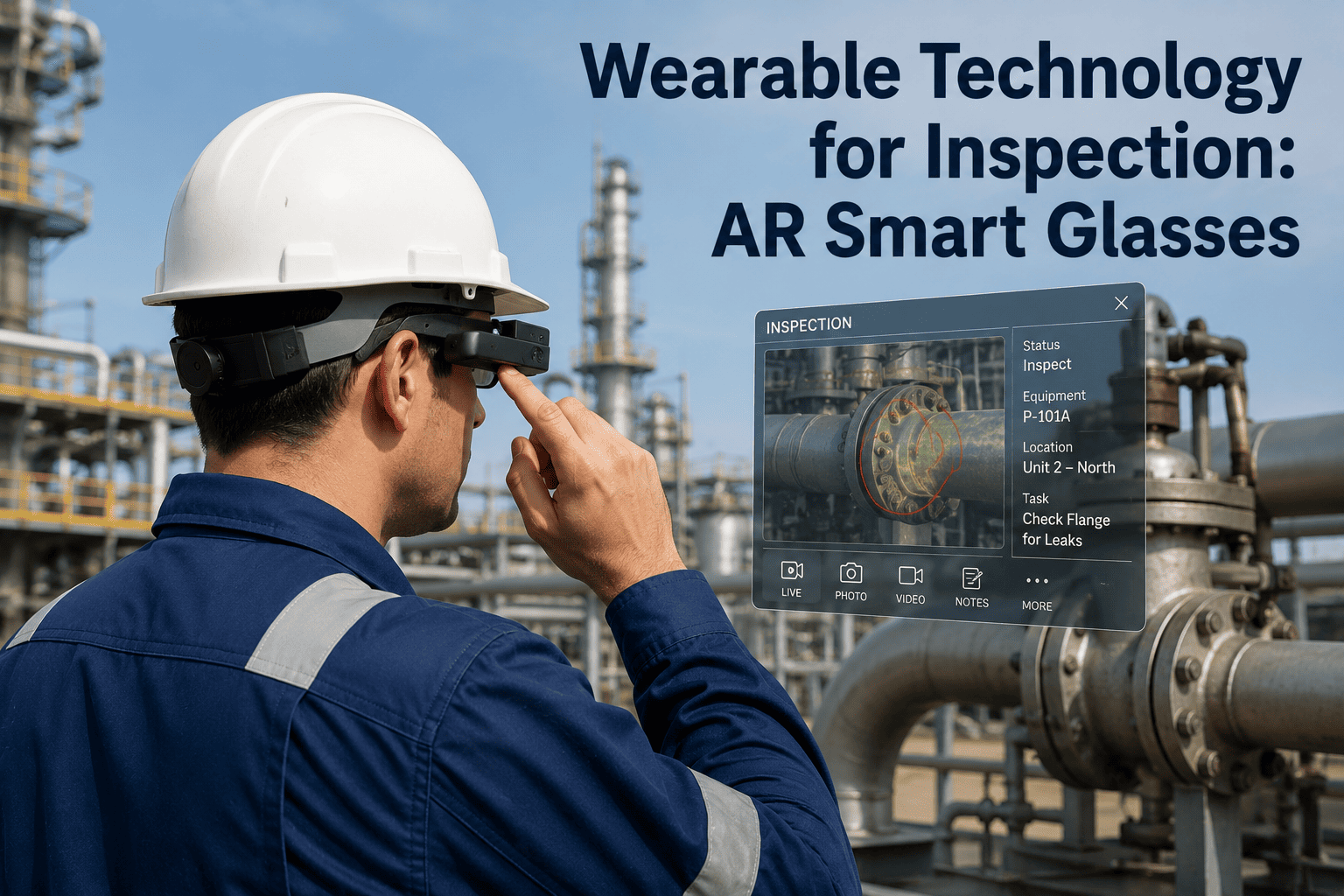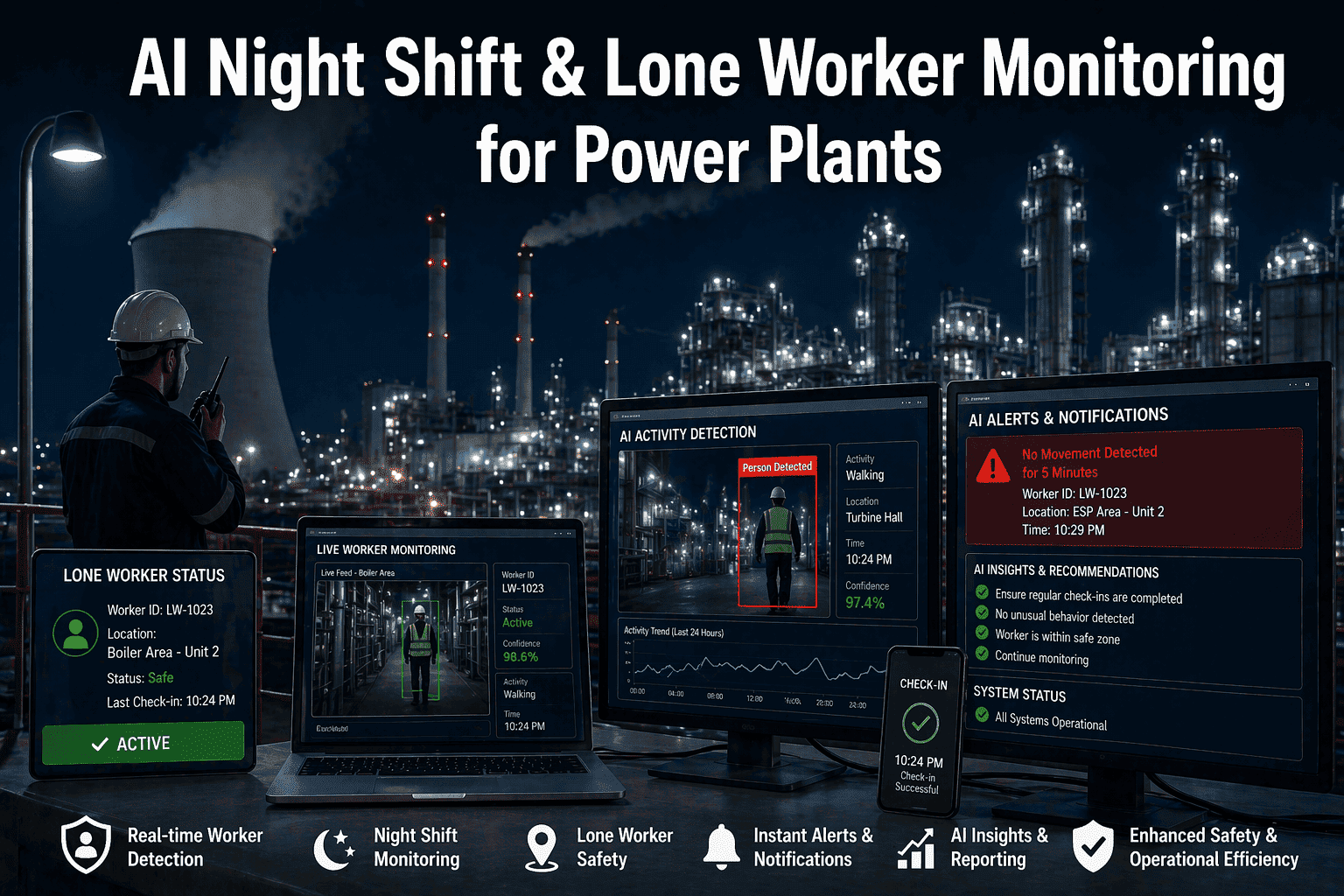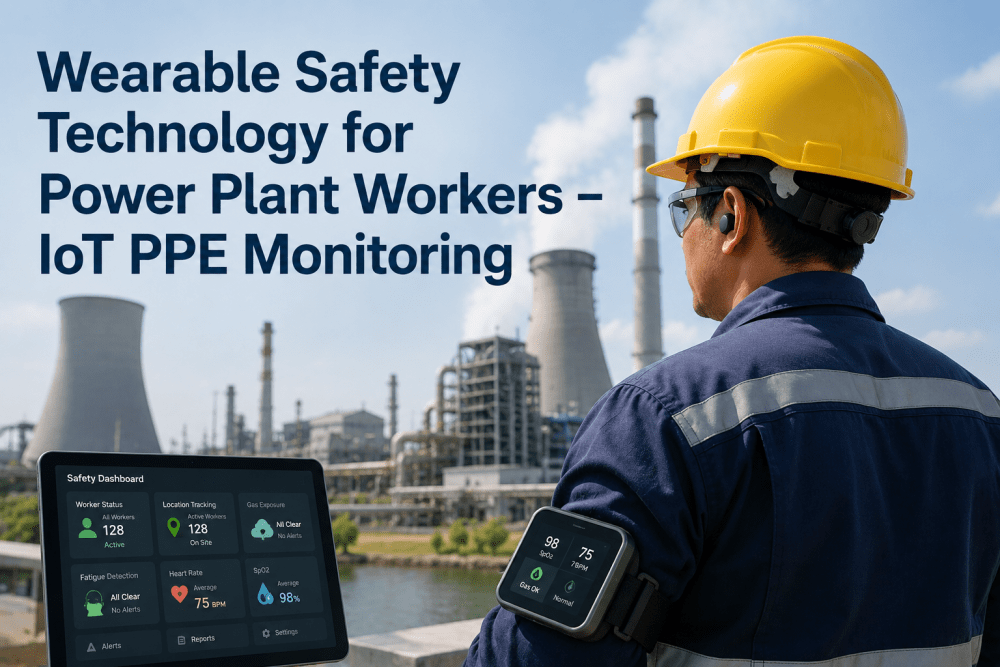
In the high-risk environment of power generation—where thermal stress, toxic gas exposure, electrical arc flash, and fatigue converge—traditional PPE is no longer sufficient as a passive defense. iFactory's unified safety management platform integrates these wearable data streams into a single operational dashboard, enabling plant safety managers to visualize lone worker status, gas exposure trends, and physiological strain across the entire generation fleet. Organizations that book a demo with iFactory are discovering that connected worker technology doesn't just reduce incident severity—it fundamentally changes the safety culture by proactively managing risk rather than reactively logging it.
Deploy IoT PPE Monitoring Across Your Generation Fleet
iFactory's connected worker platform delivers real-time vital signs tracking, gas exposure monitoring, lone worker geolocation, and fatigue detection — purpose-built for the thermal, electrical, and confined-space hazards of power generation.
Why Passive PPE Fails When Every Second Counts in a Power Plant
The fundamental limitation of traditional PPE is that it is passive. A hard hat does not alert the control room when a worker is struck. A safety harness does not signal when a fall has occurred in an isolated turbine bay. A gas mask does not log exposure duration or cumulative dose. Safety teams exploring this shift often begin by scheduling a session to book a demo and assess how their current safety monitoring infrastructure maps against connected worker capabilities.
The challenge is compounded by the sheer scale of a typical power plant. A 1,000 MW gas-fired facility may have 50 to 80 workers spread across a 40-acre site spanning multiple elevations, enclosed structures, and outdoor switchyards.
Vital Signs Monitoring
Continuous heart rate, skin temperature, and respiratory rate tracking. Alerts triggered for heat stress, cardiac events, or sudden immobility indicating a potential fall or loss of consciousness.
Gas Exposure Tracking
Integrated environmental sensors monitor H2S, CO, LEL, and O2 levels at the worker's position. Cumulative exposure logs ensure no worker exceeds safe dosage limits across shifts.
Lone Worker Geolocation
GPS and BLE beacon-based positioning tracks every worker's location in real-time. Automated alerts if a worker enters a restricted zone, exceeds stay limits, or fails to check in during a shift.
Fatigue & Motion Detection
Accelerometer-based motion analysis detects micro-sleep events, repetitive strain, or sudden impact. Machine learning models correlate shift duration with fatigue risk indicators to prevent overwork incidents.
What a Comprehensive Worker Safety IoT Platform Must Monitor
Designing an effective wearable safety program requires a multi-layered approach that correlates physiological data with environmental hazards and plant operational status. The most successful deployments at iFactory are built around three interconnected modules: Physiological Monitoring, Environmental Hazard Detection, and Location-Based Safety Enforcement. Plant safety managers building these programs often find it valuable to book a demo to see how platform onboarding can be integrated into existing safety workflows.
Module 1 — Real-Time Physiological & Biometric Health Tracking
Using chest-strap wearables and smart armbands, iFactory monitors core physiological indicators — heart rate variability (HRV), respiratory rate, skin temperature, and posture. The AI engine correlates these with ambient temperature and worker activity level to compute a "Heat Stress Index" and a "Fatigue Score." When a turbine deck worker's HRV crosses a pre-configured threshold, the platform automatically dispatches an alert to both the worker's smartwatch and the safety control room, prompting a mandatory hydration break or rotation.
Module 2 — Environmental Gas & Atmospheric Hazard Integration
Wearable gas detectors for H2S, CO, LEL (lower explosive limit), and oxygen deficiency are streamed wirelessly into iFactory's safety dashboard. Unlike stand-alone gas monitors that only beep locally, iFactory logs every exposure event, computes cumulative dose against OSHA PELs and STELs, and triggers automated evacuation protocols if a hazardous release is detected in a confined space. Historical exposure data is available instantly for regulatory reporting and industrial hygiene audits.
Module 3 — Geospatial Presence & Lone Worker Safety Assurance
iFactory integrates GPS (outdoor), BLE beacon (indoor), and UWB (ultra-wideband) technologies to provide sub-meter location accuracy across the plant. The platform enforces "geofence" rules—automatically flagging if a worker enters an arc flash zone without proper PPE, exceeds allotted time in a confined space, or deviates from their assigned work corridor.
Traditional Safety Monitoring vs. IoT-Connected Wearable Platform
The evolution from clipboard-based safety observation to IoT-enabled connected worker platforms represents a fundamental shift in how power plants manage workforce risk. Traditional safety relies on periodic walkarounds, manual radio check-ins, and post-incident paper reporting. iFactory's wearable IoT platform eliminates the latency and blind spots inherent in these manual processes. Reliability and safety managers evaluating this transition frequently book a demo to explore how platform data can be integrated into their existing EHS management systems.
| Safety Capability | Traditional PPE / Manual | IoT-Connected Wearable Platform | Risk Reduction Impact |
|---|---|---|---|
| Worker Location Visibility | Radio check-in every 30 min | Continuous GPS + BLE tracking | Eliminates unknown-lost-time gaps |
| Vital Signs Monitoring | Not measured | Real-time HR, temp, respiration | Heat stress & cardiac event prevention |
| Gas Exposure Logging | Clipboard + badge dosimeter | Continuous IoT sensor + cumulative dose | 100% exposure documentation |
| Man-Down Detection | Co-worker visual discovery | Automated motion + tilt + impact alerts | Sub-60-second rescue dispatch |
| Fatigue Management | Shift-hour limits only | Biometric fatigue scoring + break forcing | Reduces overwork-related errors |
| Permit Compliance | Paper verification | Geofence-based PTW enforcement | Eliminates unauthorized zone entry |
| Regulatory Audit Trail | Manual file retrieval | Instant digital chain of custody | Prepares for OSHA / NERC inspection |
Tiered Deployment Strategy for Plant-Wide Connected Worker Safety
A structured rollout of wearable safety technology follows three tiers of capability, each building on the previous to progressively eliminate blind spots in workforce protection. Organizations designing their deployment roadmap often book a demo first to align platform data with their specific plant configuration and worker density.
Lone Worker & Location Safety
For: Plant Safety Managers
- GPS & BLE worker location tracking
- Man-down / no-motion alerts
- Geofence zone entry enforcement
- Automated check-in & check-out logging
Biometric & Environmental Monitoring
For: Industrial Hygienists
- Vital signs & heat stress tracking
- Real-time gas exposure monitoring
- Fatigue scoring & break enforcement
- Cumulative dose compliance dashboards
Predictive Safety Analytics
For: EHS Directors
- AI-driven incident prediction models
- Cross-plant safety benchmarking
- Automated OSHA / NERC reporting
- Real-time safety operations center
Measurable Safety Outcomes Across Connected Worker Deployments
Power generation facilities deploying IoT-enabled wearable safety platforms report measurable improvements across core safety KPIs. By transitioning from reactive incident logging to proactive biometric and environmental monitoring, plants see dramatic reductions in response times and incident severity. The results below reflect outcomes across iFactory-supported power generation sites.
"Our plant has over 80 workers spread across a 40-acre combined-cycle site with multiple HRSG levels, cooling towers, and a switchyard. Before iFactory, a lone worker in the condensate pit was invisible to the control room. Now we track every worker's location, heart rate, and gas exposure in real-time. In our first year, we reduced heat stress incidents by over 60% and cut our emergency response time to under 90 seconds. The wearable safety platform has fundamentally changed how we think about worker protection."
Wearable Safety Technology for Power Plants — Frequently Asked Questions
What types of wearable devices does the iFactory platform support?
iFactory integrates with a wide range of industrial wearables including smart armbands, chest-strap biometric monitors, helmet-mounted gas detectors, GPS-enabled safety vests, and BLE beacon tags. The platform is hardware-agnostic and supports standard IoT protocols (BLE, LoRaWAN, Wi-Fi, Cellular) for seamless integration with existing plant infrastructure.
How does the system protect worker privacy while monitoring vital signs?
iFactory's platform is architected with a strict data governance model. Biometric data is encrypted at rest and in transit. Aggregate health trends are visible to safety managers, but individual medical data is accessible only to authorized occupational health personnel. The system complies with HIPAA and GDPR frameworks where applicable and provides role-based access controls that separate operational safety data from personal health information.
Can the wearable system operate in areas with limited cellular or Wi-Fi coverage?
Yes. iFactory supports mesh networking and edge caching for areas with intermittent connectivity, such as boiler interiors, turbine basements, and cooling tower structures. Wearable devices store data locally and synchronize automatically when connectivity is restored. For critical alerts, the platform uses redundant communication paths (BLE gateway + cellular fallback) to ensure man-down alarms are never lost.
How does fatigue detection work and what triggers an intervention?
iFactory's fatigue detection model analyzes heart rate variability, posture changes from accelerometer data, and micro-sleep events (brief head-droop or motionless periods). When the cumulative Fatigue Score exceeds a configurable threshold, the platform sends a haptic alert to the worker's wearable and notifies the supervisor. If the worker does not respond, a mandatory break is enforced via the system, with geolocation confirmation that the worker has moved to a rest area.
What is the typical ROI for deploying wearable safety technology at a power plant?
The ROI is driven by three factors: reduced incident severity (lower workers' compensation and litigation costs), improved regulatory compliance (avoiding OSHA / NERC fines), and increased workforce productivity (fewer work stoppages due to heat or fatigue incidents). Most power generation sites see full payback within 10 to 14 months. iFactory provides a detailed ROI model during live demo sessions tailored to your plant's specific worker count, hazard profile, and shift structure.
Protect Every Worker with AI-Driven Wearable Safety Intelligence
iFactory's connected worker platform delivers real-time vital signs monitoring, gas exposure tracking, lone worker geolocation, and fatigue detection — built for the high-risk environments of modern power generation.