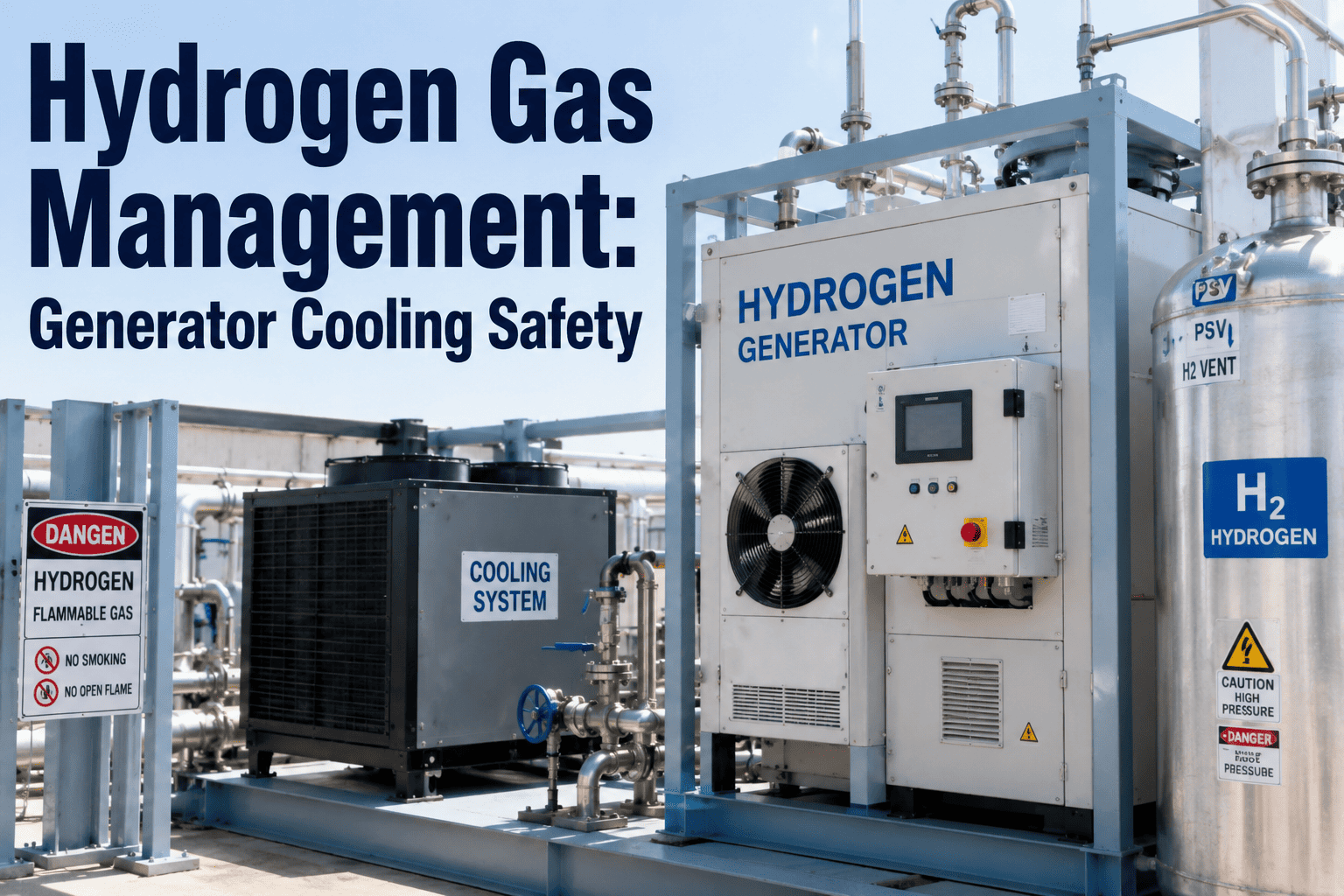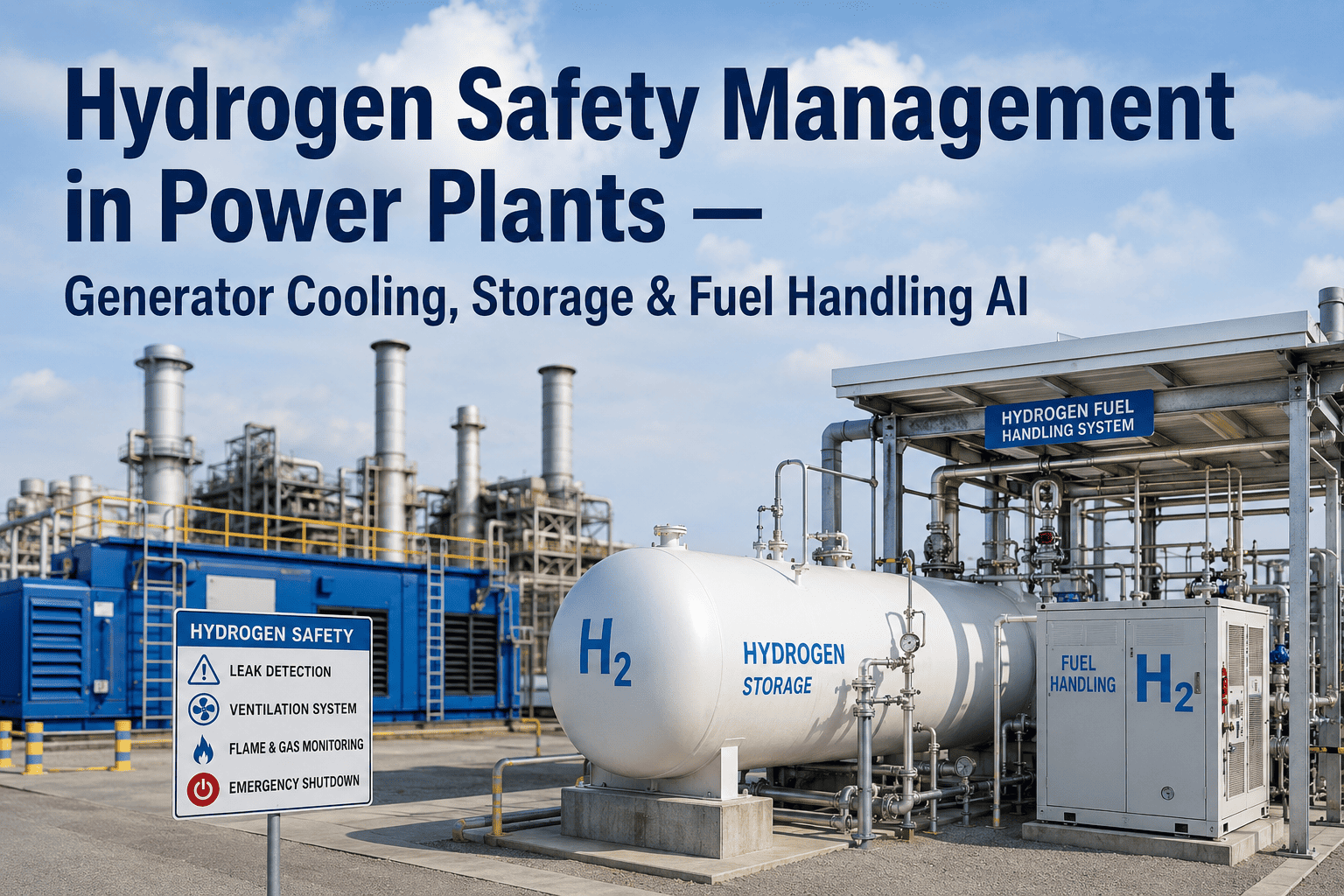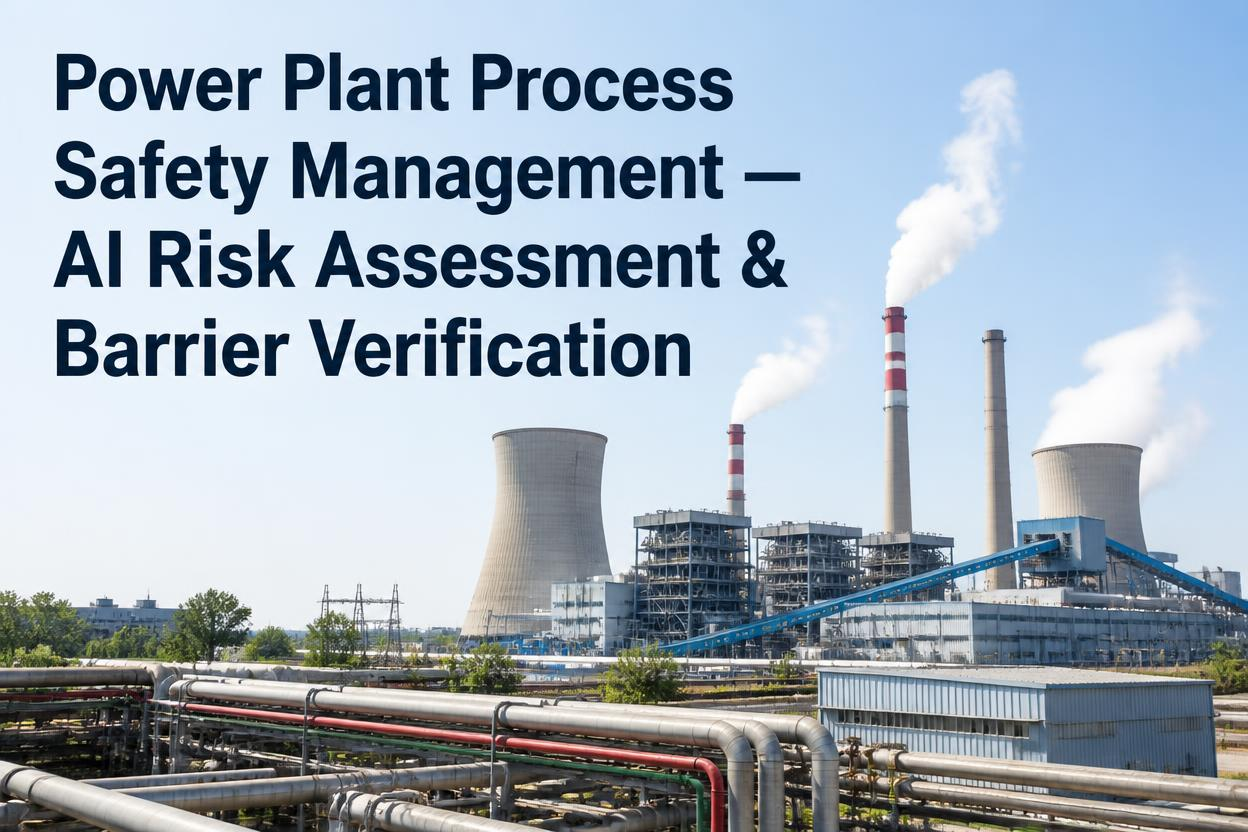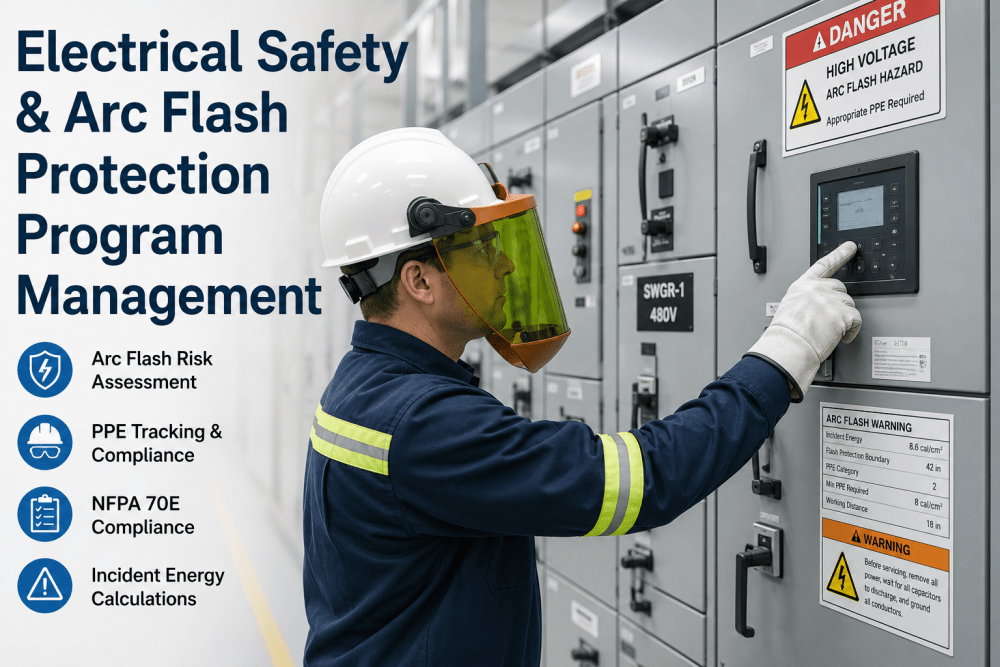
High-pressure steam, high-voltage switchgear, hydrogen-cooled generators, and ammonia-based emissions systems are not hazards a power plant can train for once and consider handled. Every one of them requires ongoing certification, refresher intervals, and a documented chain of who is currently qualified to work near them — and in most plants, tracking that chain still runs through spreadsheets that fall out of date the moment someone's certification lapses without anyone noticing. EHS managers know the real risk is rarely the training itself; it is the gap between when a certification expires and when someone finally catches it, which is exactly the gap that AI-driven safety training and certification tracking is built to close.
Four High-Energy Hazard Categories Every Generation Plant Manages
High-energy systems training is not one program — it is several distinct disciplines, each with its own regulatory requirements, refresher cadence, and consequence profile if a gap goes unnoticed. Plants that manage all four categories through a single spreadsheet consistently lose visibility into which category is actually falling behind, because a spreadsheet treats every certification the same way regardless of how different the underlying hazard, regulatory body, and refresh interval actually are.
The consequence of losing that visibility is rarely immediate. A lapsed hydrogen certification does not cause a problem on the day it expires — it becomes a problem months later, during a routine purge procedure, when the person performing it is technically unqualified and nobody in the chain of command knew. EHS managers who have lived through a near-miss involving an expired certification consistently describe the same realization afterward: the gap had been sitting there, visible in the data, for weeks or months before anyone noticed.
Why Spreadsheet-Based Certification Tracking Fails Right When It Matters
Every EHS manager inherits a version of the same spreadsheet, refined over years, color-coded, and generally trusted right up until it fails. The failure is rarely dramatic. It is usually a slow accumulation of small gaps that spreadsheets are structurally unable to catch on their own.
How AI Certification Tracking and Training Management Works
iFactory's safety training and certification platform replaces the spreadsheet with a live, continuously monitored system that connects certification status directly to work assignment and scheduling decisions, so qualification gaps are caught before work is assigned rather than discovered afterward.
The design principle behind the platform is straightforward: certification tracking only prevents incidents if it sits directly inside the workflow where work gets assigned, not in a separate system someone has to remember to check. A spreadsheet can be perfectly accurate and still fail to prevent an uncertified assignment, simply because the scheduler doing the assigning never opened it that day. Closing that gap requires the certification check to happen automatically, at the moment scheduling decisions are made, without depending on anyone remembering to look.
The four capabilities below are designed to work as a single connected system rather than four separate tools, so a certification captured through refresher training automatically updates the dashboard, clears any related work-assignment flags, and resets the alert countdown for the next renewal cycle without any manual data entry.
Compliance and Safety Outcomes After Deploying AI Certification Tracking
| Compliance Metric | Spreadsheet Tracking Baseline | AI Certification Tracking |
|---|---|---|
| Lapsed certifications discovered before audit | Rare, usually found during audit itself | Flagged automatically 30–90 days ahead |
| Uncertified work assignment incidents | Occurs periodically, hard to prevent | Prevented via automated work-assignment checks |
| Time to produce a fleet-wide compliance audit report | Days of manual reconciliation | Minutes, generated on demand |
| Refresher training completion rate before expiration | 60–75%, reactive scheduling | 92–97%, proactive scheduling |
| EHS staff time spent on manual certification tracking | High, recurring monthly task | Reduced 50–65% |
What This Means for EHS Managers Beyond Day-to-Day Tracking
Certification tracking is only one part of an EHS manager's responsibility, but it is disproportionately time-consuming when done manually, and disproportionately consequential when it fails. Automating it does more than save time — it changes how confidently an EHS manager can answer the question every regulator, auditor, and corporate safety officer eventually asks: can you prove that everyone currently working on a high-energy system is qualified to be there, right now, today.
With a live dashboard and automated work-assignment checks, that question has a real-time, defensible answer instead of a spreadsheet that was last updated three weeks ago. For multi-site operators, the same visibility extends across the fleet, giving corporate EHS leadership a consolidated view of compliance health instead of assembling it site by site every time a question comes up.
Frequently Asked Questions
Yes. Certification categories and refresher intervals are configured to match the specific regulatory frameworks your facility operates under, including NFPA 70E for electrical work and EPA risk management program requirements for ammonia and other regulated substances, so tracking reflects your actual compliance obligations rather than a generic template. Contact support to review your specific regulatory requirements.
Certification status integrates directly with your scheduling and work order system, so any attempt to assign a technician to a task requiring a certification they do not currently hold triggers an automatic flag before the assignment is confirmed, giving supervisors a chance to reassign or expedite refresher training first.
Yes. Multi-site operators get a consolidated fleet-wide view of certification status with the ability to filter by site, hazard category, or role, which significantly reduces the time required to prepare for corporate or regulatory compliance audits. Book a demo to see the multi-site dashboard.
Both models are supported. The platform can track completion of external, instructor-led, or vendor-delivered training, and can also deliver targeted refresher content directly for certain hazard categories, particularly where content can be tailored to a technician's specific incident or near-miss history for maximum relevance.
Most facilities complete the initial certification data migration and dashboard configuration within two to four weeks, depending on how many hazard categories and sites are in scope, with automated alerts and work-assignment checks active as soon as data validation is complete. Contact support to scope a migration timeline for your facility.