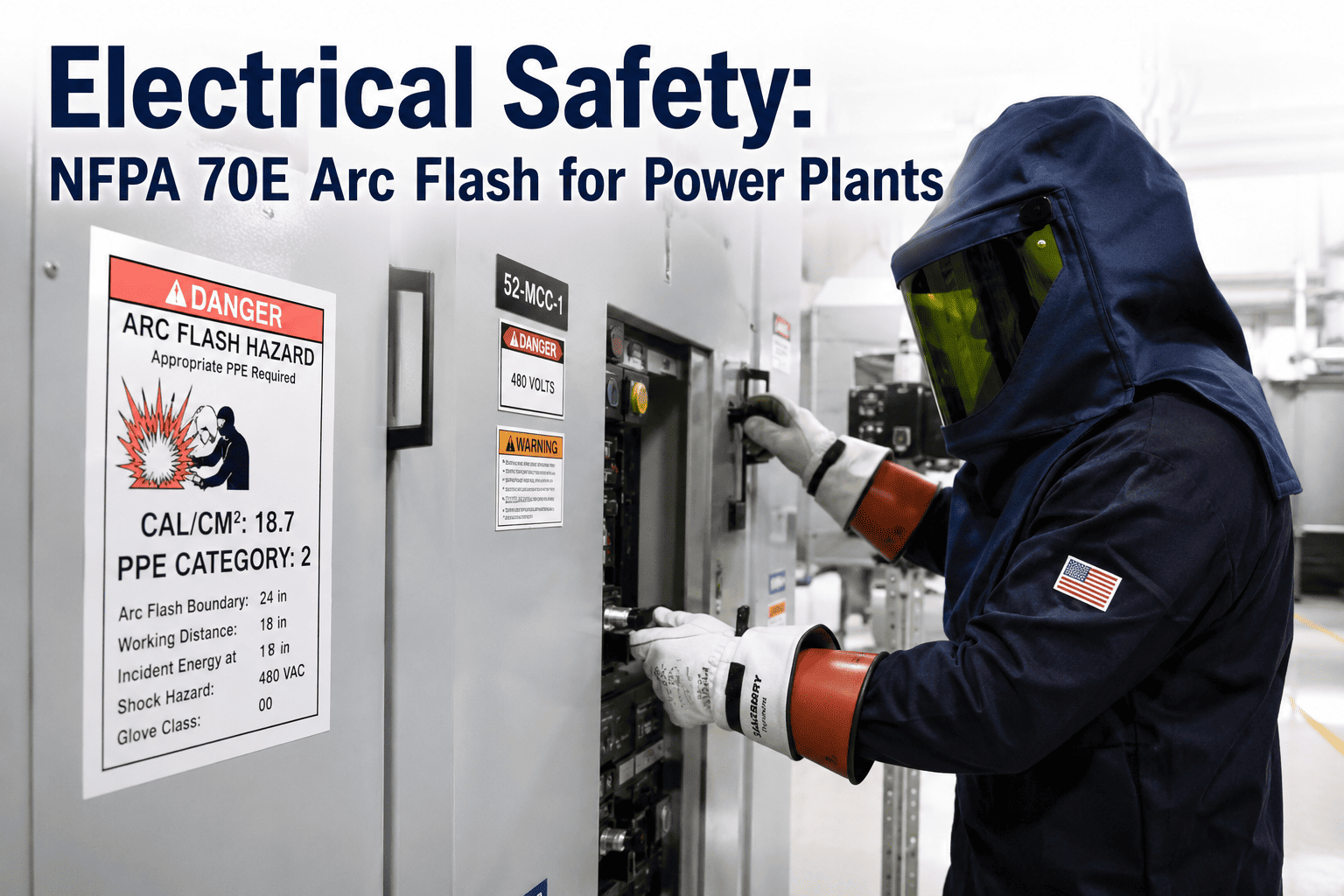
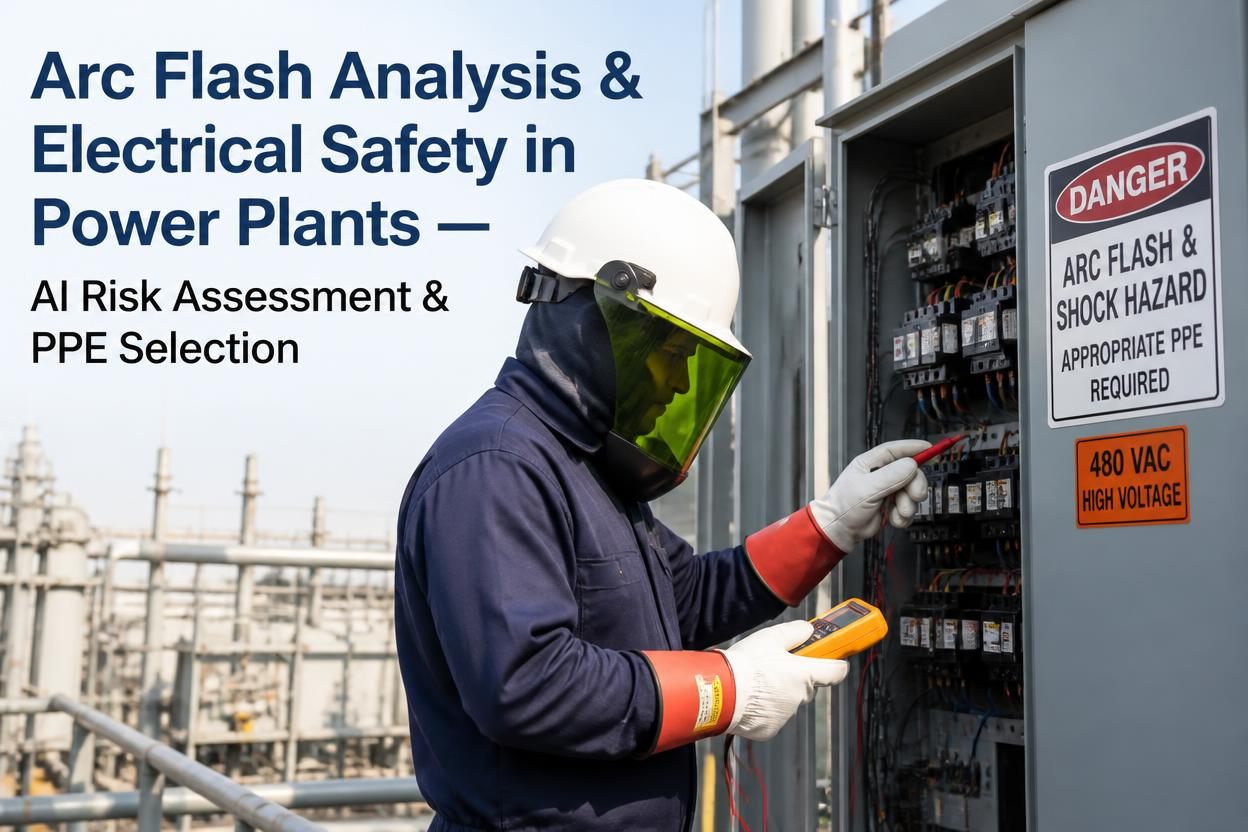
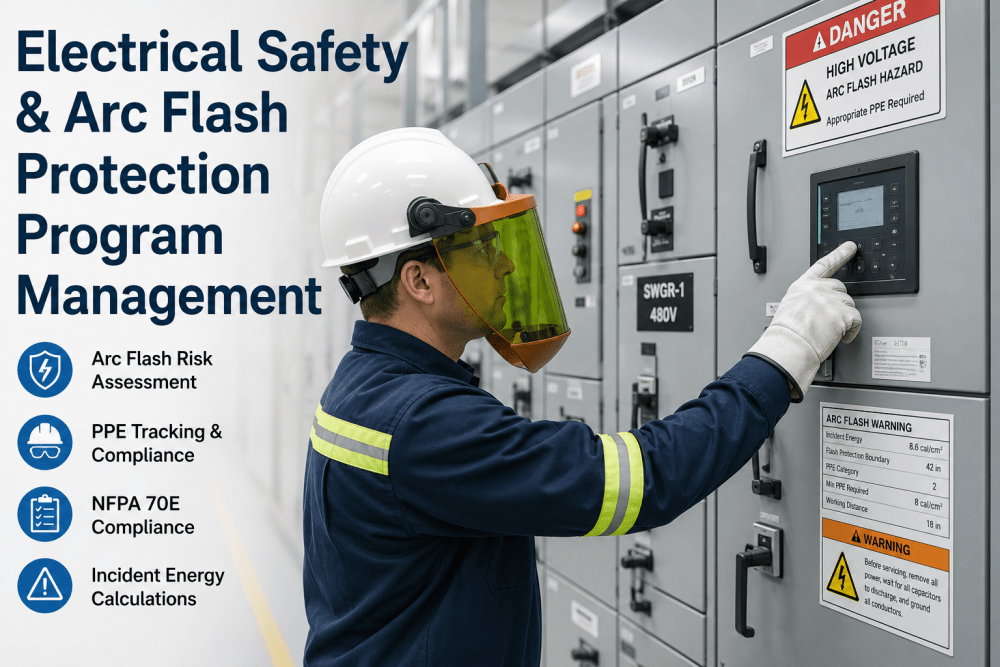
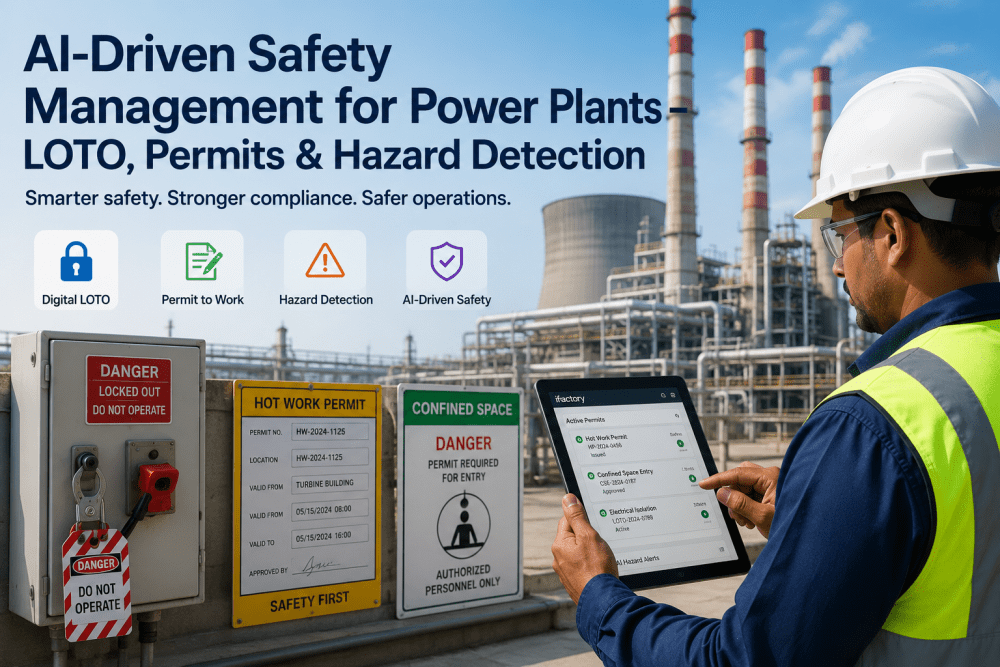
Power plants run some of the highest-energy electrical systems in any industrial setting, and a single arcing fault inside a switchgear cabinet can release more thermal energy in a fraction of a second than most workers are ever prepared to face. NFPA 70E exists to turn that abstract danger into a documented program built on hazard analysis, incident energy calculations, PPE categories, and approach boundaries that tell a technician exactly what protection a specific task requires before a panel door is ever opened. The trouble most maintenance and safety teams run into isn't disagreeing with the standard, it's keeping the underlying data current across thousands of breakers, buses, and feeders as a plant's electrical system gets modified, expanded, or re-rated year after year. A label printed five years ago against an outdated one-line diagram can understate incident energy just enough to put a worker in the wrong PPE category without anyone realizing it until an incident forces the question. A working session with our team can walk through what a current, defensible arc flash program looks like against your own single-line diagram.
Electrical Safety · NFPA 70E Arc Flash Program
NFPA 70E Arc Flash Safety Programs Built for Power Plant Electrical Systems
Incident energy analysis, PPE category selection, approach boundaries, and energized work permits kept current as your one-line diagram changes, so every label on every panel reflects the system as it actually exists today, not as it was configured years ago.
1,200°F
approximate arc temperature in a fault event
5
HRC categories governing required PPE
Live
labels tied to a current one-line diagram
The Compliance Gap
Why an Arc Flash Study Stops Being Accurate the Moment the System Changes
An arc flash hazard analysis is only as accurate as the one-line diagram it was calculated from, and a power plant's electrical distribution system is rarely static for long. A transformer gets upgraded, a breaker gets replaced with a different trip setting, a new feeder gets added to serve expanded load, and each of those changes can shift incident energy at every downstream panel without anyone updating the corresponding label. Most plants run a full arc flash study every five years because that is what the standard calls for at minimum, not because electrical configurations only change on a five-year cycle. Between studies, maintenance teams are relying on PPE categories that were correct on the day the study was performed and may no longer reflect the actual hazard a technician faces when that panel door opens today. The gap is rarely intentional. It is a byproduct of tracking incident energy data in static reports and spreadsheets that do not automatically reflect a change made in the field last month, which leaves qualified persons trusting a number that quietly stopped being true.
Program Components
Four Pieces of an NFPA 70E Program That Have to Work Together
NFPA 70E is not a single document a plant produces once and files away. It is a set of interlocking requirements, and treating any one of them in isolation is usually where a program starts to drift out of compliance. Each piece below feeds the next, from the initial hazard calculation through to the paperwork required before a technician can work on an energized circuit.
Incident Energy Analysis
Calculates the thermal energy a worker would be exposed to at a given working distance for every bus, panel, and breaker in the system, expressed in calories per square centimeter.
PPE Category Selection
Translates a calculated incident energy value into the correct hazard risk category, defining exactly what arc-rated clothing, face shield, and gloves a task requires.
Approach Boundaries
Defines the limited, restricted, and arc flash boundaries around exposed energized equipment, controlling who can approach and under what authorization.
Energized Work Permits
Documents the justification, hazard analysis, and approvals required before any work is performed on a circuit that has not been put into an electrically safe work condition.
Understanding the Categories
How Hazard Risk Categories Translate Into Required PPE
The hazard risk category assigned to a task is what a technician actually reads off the label before opening a panel, and it drives every PPE decision that follows. Getting this number wrong in either direction carries real cost: too conservative and crews over-suit for routine work until they start skipping steps out of frustration, too permissive and a worker is exposed with inadequate protection during an actual fault.
Category 0-1
Arc-rated shirt and pants, minimal face protection
Category 2
Arc flash suit hood or balaclava, higher rated fabric
Category 3-4
Multilayer flash suit, hood, and heavy insulated gloves
Above 40 cal
Task should not be performed energized at all
See What an Out-of-Date Label Actually Costs Your Program
Most safety teams have never compared their current PPE labels against a fresh incident energy recalculation across the full plant. A short session shows where that comparison would land for your own equipment list.
Applied Example
How an Undersized Label Gets Caught Before a Technician Relies on It
Consider a plant that replaced an aging transformer with a higher-capacity unit as part of a load growth project two years ago. The transformer swap increased available fault current at the downstream switchgear, which in turn raised the incident energy a technician would be exposed to at that bus during an arcing fault. The original arc flash label on the panel, printed before the upgrade, still reflected the lower incident energy value from the prior configuration and had not been flagged for revision because the change fell between scheduled study cycles. A review that ties equipment labels directly to the current one-line diagram catches the mismatch, flags the specific panel for a recalculation, and generates an updated label reflecting the correct hazard risk category before a maintenance crew opens that door for a routine inspection. The correction happens on paper, during a review cycle, rather than being discovered by a worker standing in front of an energized bus wearing the wrong protection.
Static Records vs Managed Program
Three Ways Plants Track Arc Flash Compliance Today
Most plants fall somewhere between a fully paper-based program and a digitally managed one, and the difference shows up most clearly in how quickly a system change gets reflected in the labels workers actually rely on.
Printed Labels Only
Accurate on the day they were printed, with no built-in way to flag when a later system change makes them wrong.
Spreadsheet Tracking
Centralizes the data but still depends on someone remembering to update it every time equipment changes in the field.
Digitally Managed Program
Links labels, permits, and boundaries to the live one-line diagram so a change anywhere flags every affected label automatically.
What's Actually at Stake
Where a Gap in an Arc Flash Program Actually Costs a Plant
Arc flash incidents remain among the most severe injury events in industrial electrical work, and the majority trace back not to a missing procedure but to a PPE decision made against outdated or incomplete hazard data. Beyond the immediate safety exposure, there is the regulatory reality that OSHA references NFPA 70E as the recognized industry consensus standard, and a citation following an incident often centers on whether the hazard analysis, PPE selection, or permit process was current and properly documented at the time of the event. There is also a slower operational cost that rarely gets tallied: crews who do not trust their labels tend to either over-protect for every task, slowing routine maintenance, or start second-guessing the program altogether, which is its own kind of safety risk. None of these costs show up on a fixed five-year study cycle, which is exactly the argument for a program that tracks changes as they happen rather than waiting for the next scheduled recalculation.
Arc flash programs tend to fail quietly. Nobody skips the initial study, and nobody ignores the standard on purpose. What actually happens is a transformer gets swapped, a breaker setting gets changed during a troubleshooting call, and the label on the panel just never catches up. The plants that stay ahead of this are the ones that treat the one-line diagram as a living document tied directly to every label and permit, so a field change triggers a review instead of sitting there until the next scheduled study finds it.
Derek Ashworth-Pine
Electrical Safety Program Manager · 16 years in industrial power systems
Getting Started Guidance
What to Confirm Before Reviewing Your Arc Flash Program
A short readiness check up front shows how quickly a review can turn into a corrected, defensible label set.
| Question | Why It Matters |
| When was the last full incident energy study performed? |
Establishes the baseline every current label is being measured against |
| Have any transformers, breakers, or feeders changed since then? |
Identifies which panels are most likely carrying an outdated hazard value |
| Is the one-line diagram maintained as changes happen? |
Determines whether label updates can be triggered automatically or require a manual audit |
| Who currently approves energized work permits? |
Defines the workflow a corrected hazard analysis needs to route through |
Common Questions
NFPA 70E Arc Flash Programs — Frequently Asked
These are the questions electrical safety and maintenance teams tend to ask first before reviewing or updating an existing arc flash program.
How often does NFPA 70E actually require a new arc flash study?
The standard calls for hazard analysis to be reviewed at least every five years or whenever a change occurs that could affect incident energy, whichever comes first, which means the five-year mark is a ceiling rather than a safe default interval. In practice, a plant that adds capacity, reconfigures switchgear, or changes protective device settings has an obligation to revisit the affected calculations well before that five-year point arrives.
Book a demo to see how a change-triggered review process compares with a fixed study cycle.
Who is qualified to perform an incident energy analysis?
The calculation itself is typically performed by a qualified electrical engineer familiar with short-circuit and coordination studies, working from an accurate one-line diagram, protective device settings, and utility fault current data. The output then needs to be translated into PPE categories and approach boundaries that field personnel can act on directly, which is where many programs lose accuracy if the translation step is not kept current alongside the underlying study.
Contact support to discuss how this translation step is handled for your facility.
What happens if a technician works from an outdated PPE label?
If the actual incident energy at a panel is higher than what an outdated label indicates, a technician following that label in good faith could be wearing PPE rated for a smaller event than the one that actually occurs during a fault, which is one of the more serious and least visible risks in an aging program. This is exactly why tying labels to a living one-line diagram matters more than the age of the original study alone.
Book a session to review how label accuracy is maintained between full studies.
Does every energized task require a written work permit?
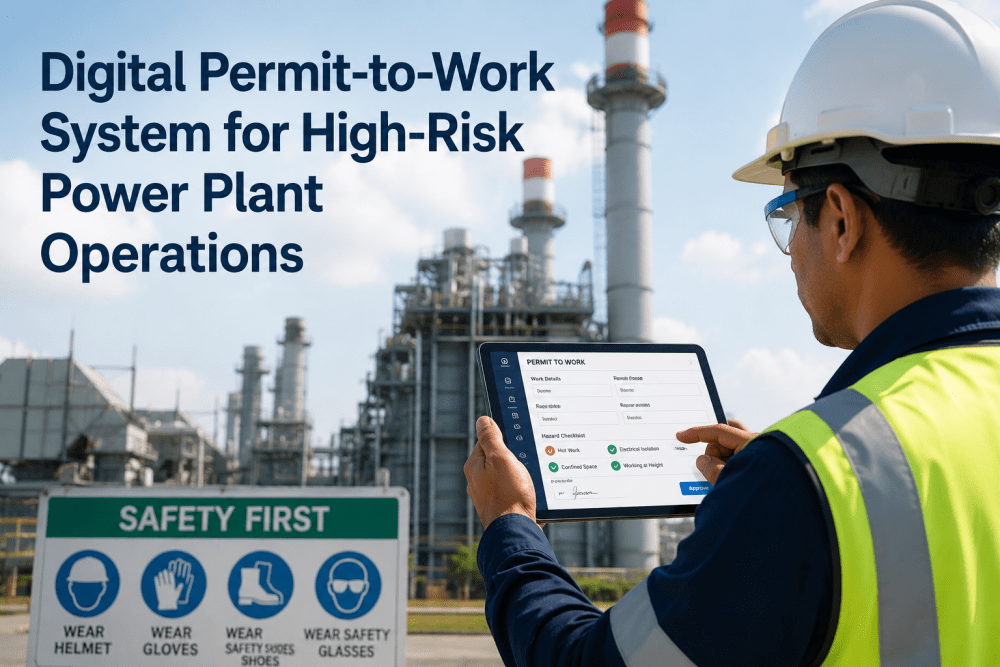
NFPA 70E requires an energized electrical work permit whenever work is performed inside the restricted approach boundary on equipment that has not been placed in an electrically safe work condition, with limited exceptions such as certain diagnostic testing and troubleshooting tasks performed by qualified persons. Getting this distinction right in a plant's written procedures is what keeps the permit process meaningful rather than becoming a rubber-stamp step everyone works around.
Ask our team about aligning permit procedures with your current operations.
Can an arc flash program be audited to show ongoing compliance?
A standing record that connects study dates, equipment changes, updated labels, and permit history gives an auditor or insurer a documented pattern of an actively maintained program rather than a single study report from several years ago, which tends to hold up far better under scrutiny after an incident. Many plants find this recordkeeping becomes one of the most immediately useful outcomes of formalizing the review process.
Book a call to see what that audit trail looks like in practice.
Know Exactly Which Panels in Your Plant Need a Label Review
iFactory ties your incident energy calculations, PPE categories, and approach boundaries directly to your current one-line diagram, flagging every panel affected by a system change so your NFPA 70E program stays accurate between full studies, not just on the day one was last completed.