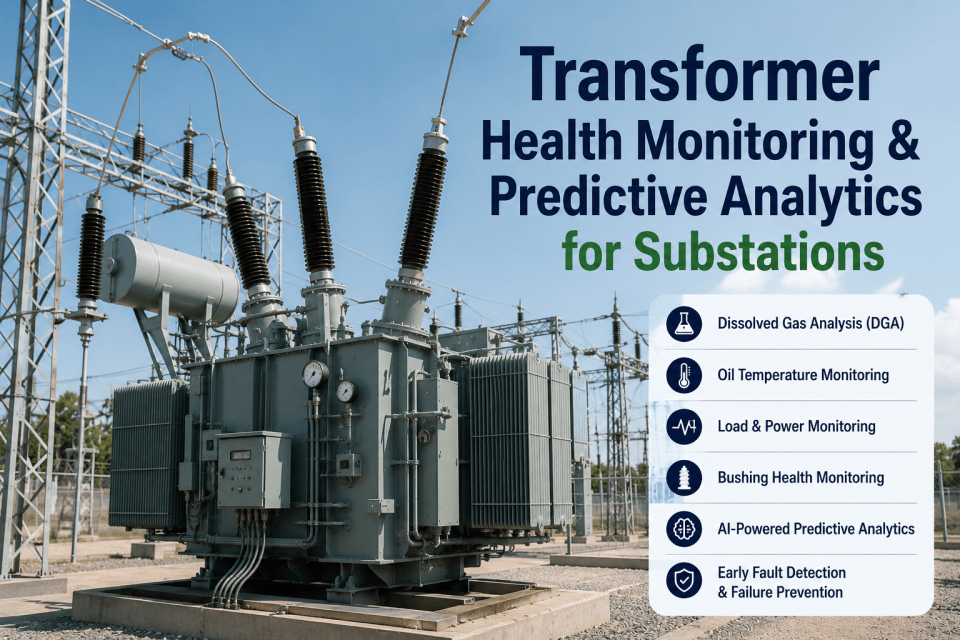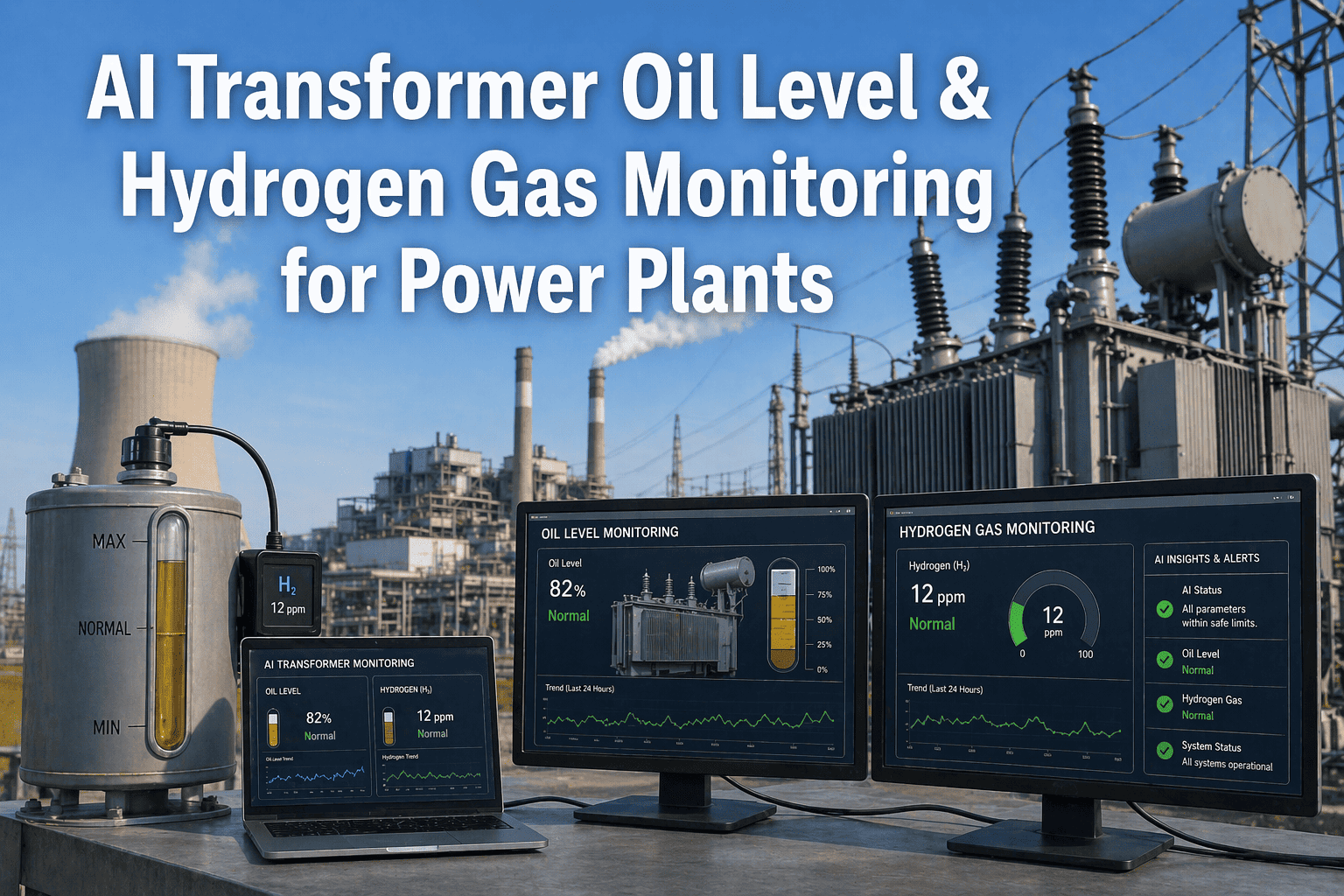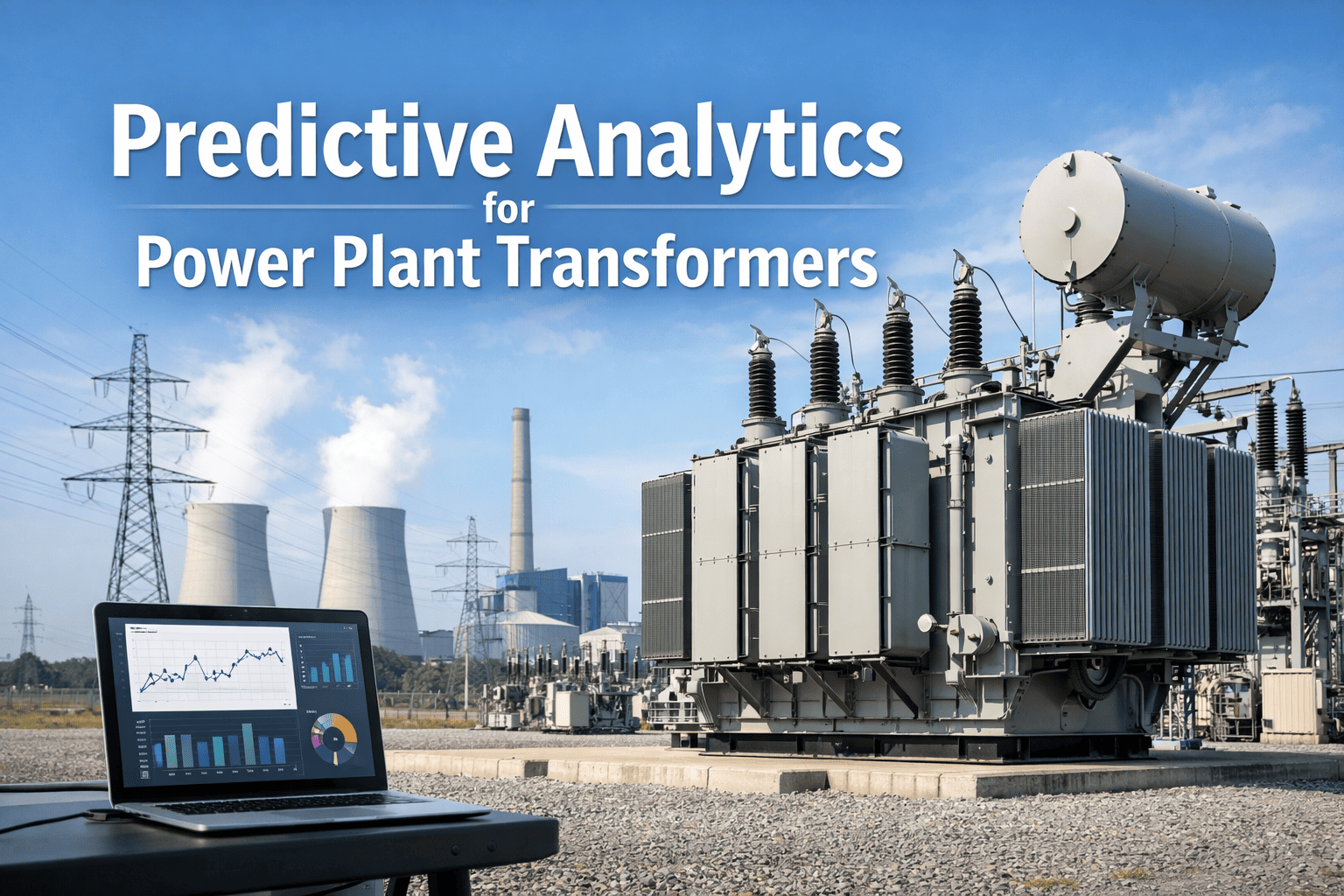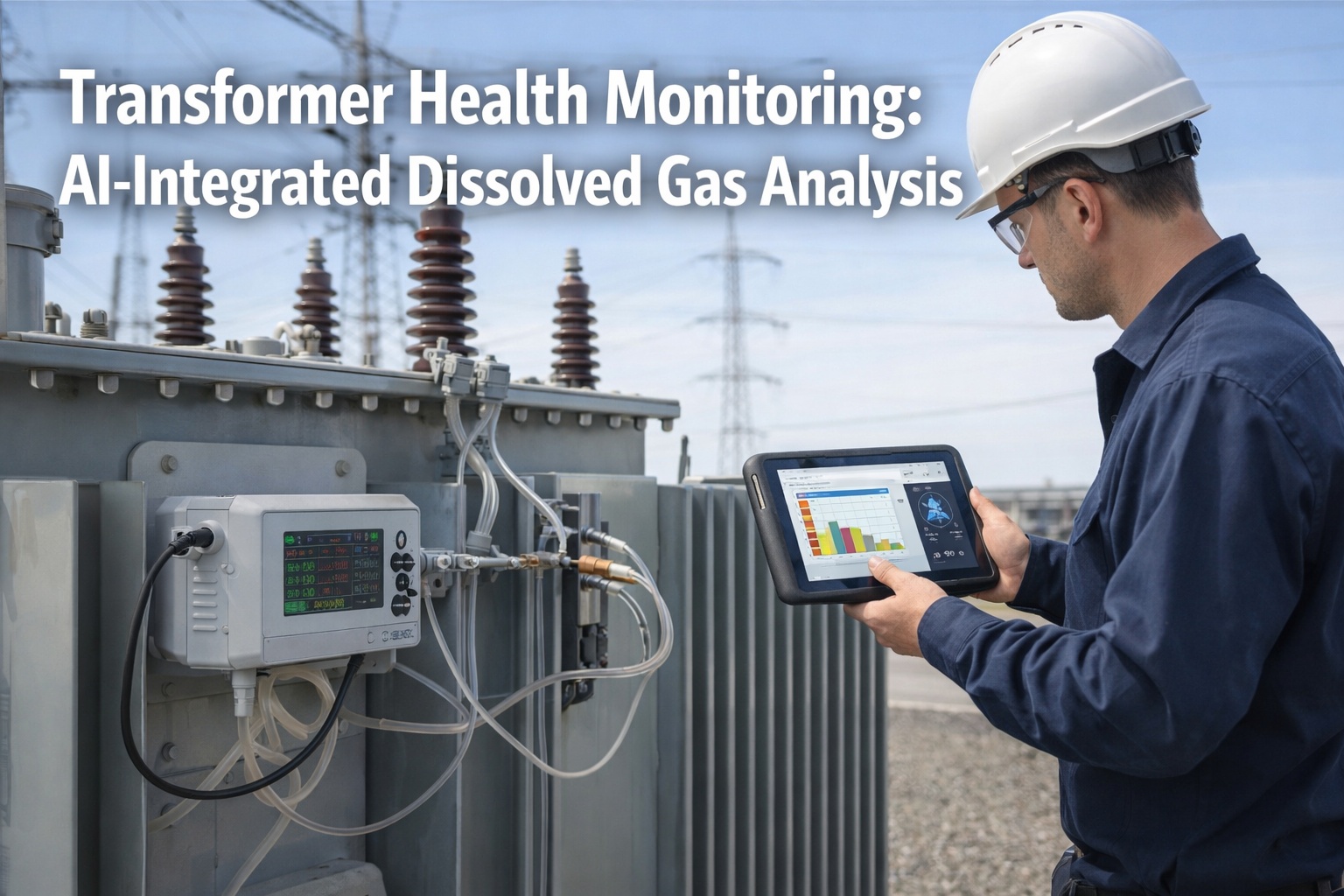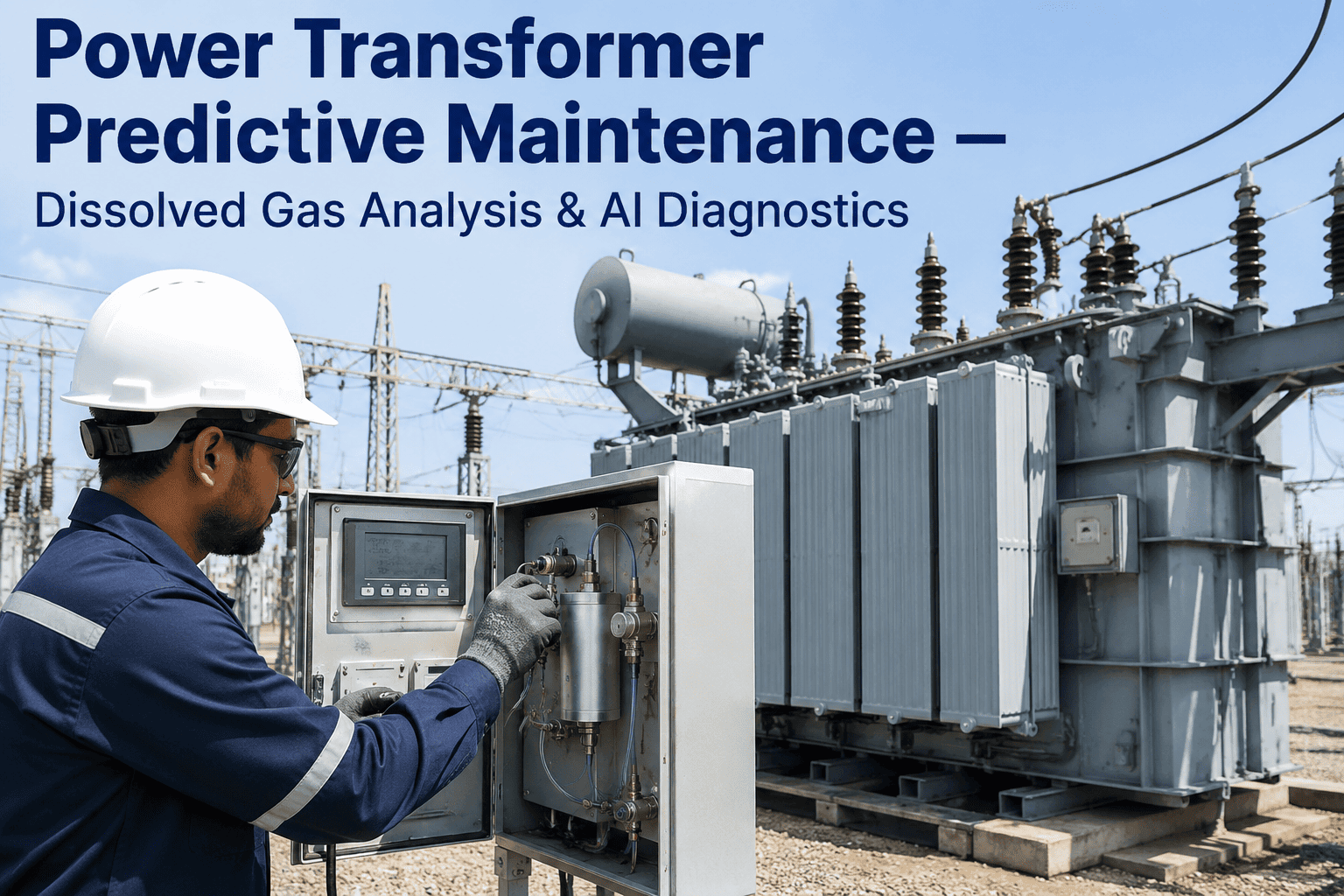
Power transformers represent the most critical and capital-intensive assets in any electrical infrastructure, serving as the backbone of industrial operations and grid reliability. Their unexpected failure can cascade into catastrophic production losses, extensive repair costs, and prolonged downtime that disrupts entire supply chains. Traditional maintenance regimes—relying on fixed-interval oil sampling and visual inspections—are increasingly inadequate for modern dynamic loading conditions and aging transformer fleets. The integration of artificial intelligence with continuous dissolved gas analysis (DGA) and thermographic monitoring now enables a paradigm shift toward truly predictive, data-driven transformer health management. This comprehensive guide examines how AI-powered diagnostics can forecast winding insulation degradation, tap changer anomalies, and oil deterioration with unprecedented accuracy, delivering actionable lead times of 3 to 18 months. For enterprise decision-makers seeking to optimize asset lifecycle and minimize operational risk, Book a Demo to explore how iFactory’s advanced analytics platform transforms transformer reliability.
Transform Your Transformer Reliability Strategy
Leverage AI-driven diagnostics to predict failures months in advance and optimize maintenance spend. Our experts will demonstrate how iFactory’s platform integrates with your existing DGA and SCADA systems.
The High Stakes of Transformer Reliability
Power transformers operate under immense electrical and thermal stress, with insulation systems degrading over time due to partial discharge, moisture ingress, and thermal runaway. A single catastrophic failure can cost millions in replacement, environmental cleanup, and lost production—not to mention reputational damage. Industry data indicates that over 30% of transformer failures are preventable with early detection of key degradation indicators. The challenge lies in interpreting the vast array of sensor data—dissolved gas concentrations, oil quality parameters, temperature gradients, and load profiles—to distinguish normal aging from incipient faults. AI models trained on historical failure patterns can now analyze these multi-dimensional datasets in real time, providing maintenance teams with clear, prioritized alerts and recommended actions. This proactive approach shifts the maintenance paradigm from reactive firefighting to strategic asset management, extending transformer life and improving overall plant reliability.
Dissolved Gas Analysis: The Foundation of Transformer Diagnostics
Dissolved gas analysis is the most widely adopted technique for assessing transformer health, as it detects the gaseous byproducts of insulation degradation and oil decomposition. Key fault gases include hydrogen (H2), methane (CH4), ethane (C2H6), ethylene (C2H4), acetylene (C2H2), carbon monoxide (CO), and carbon dioxide (CO2). Each gas signature correlates with specific fault types: acetylene indicates arcing, ethylene suggests thermal decomposition, and hydrogen points to partial discharge. Traditional DGA relies on periodic sampling and manual interpretation using ratio methods like Duval Triangles or Rogers Ratios. However, these methods can miss incipient faults or generate false alarms due to transient operating conditions. AI-driven DGA analytics continuously monitor gas trends, applying machine learning algorithms to differentiate between normal fluctuations and emerging fault patterns. This enables early warnings 3 to 18 months before failure, allowing planned outages and targeted interventions.
Key Fault Gases and Their Origins
| Fault Gas | Primary Source | Fault Type |
|---|---|---|
| Hydrogen (H2) | Partial discharge, corona | Electrical |
| Methane (CH4) | Low-temperature oil decomposition | Thermal |
| Ethylene (C2H4) | High-temperature oil pyrolysis | Thermal |
| Acetylene (C2H2) | Arcing, severe electrical fault | Electrical |
| Carbon Monoxide (CO) | Cellulose paper degradation | Thermal |
AI Diagnostic Capabilities
- Real-time trend analysis with anomaly detection
- Multi-gas correlation models for fault classification
- Adaptive baseline learning per transformer
- Integration with load and temperature data
- Automated report generation with risk scores
Implementation Roadmap for AI-Driven DGA
Sensor Integration
Install online DGA monitors, temperature sensors, and partial discharge detectors on critical transformers. Ensure data acquisition systems capture readings at hourly intervals for high-resolution trending.
Data Aggregation & Cleaning
Centralize all sensor data into a unified platform, applying algorithms to filter noise, correct drift, and handle missing values. Historical failure data should be labeled for supervised learning.
Model Training & Validation
Train machine learning models—such as gradient boosting or LSTM networks—on historical datasets to predict fault evolution. Validate models against known failure cases to ensure accuracy.
Alert Configuration & Workflow
Define threshold-based and model-driven alerts for different fault types. Integrate with CMMS to automatically generate work orders and prioritize interventions based on risk scores.
Thermographic Monitoring: Visualizing Hot Spots
Infrared thermography provides a complementary diagnostic layer by detecting temperature anomalies on transformer surfaces, bushings, and cooling systems. Hot spots can indicate loose connections, degraded insulation, or blocked cooling paths. Fixed thermal cameras or handheld IR scanners capture images that are analyzed by AI algorithms to quantify temperature gradients and trend changes over time. Combining thermal data with DGA results significantly improves fault localization and severity assessment. For example, a hot spot on a bushing combined with rising hydrogen levels strongly suggests partial discharge activity. AI models can fuse these heterogeneous data streams to generate a unified health index, reducing false positives and providing maintenance teams with clear, actionable insights.
Thermal Pattern Recognition
AI algorithms learn normal thermal profiles for each transformer and flag deviations, such as localized heating or cooling system inefficiencies, that may precede failure.
Multi-Sensor Fusion
Combine thermal, DGA, and electrical data in a single analytics engine to improve diagnostic accuracy and provide a holistic view of transformer health.
Predictive Load Management
Use thermal models to predict temperature rise under various load scenarios, enabling proactive load shedding or cooling system activation to prevent overheating.
Optimize Your Transformer Fleet with AI
Unlock predictive insights that reduce unplanned downtime and extend asset life. Schedule a personalized demo to see iFactory’s platform in action.
Oil Condition Analysis: Beyond DGA
Transformer oil serves as both an insulator and a coolant; its degradation compromises both functions. Key parameters include dielectric strength, acidity, interfacial tension, moisture content, and particle count. AI models integrate these metrics with DGA data to assess overall oil health and predict the need for regeneration or replacement. For instance, rising acidity combined with increasing CO2 levels indicates cellulose paper degradation, prompting further investigation. Predictive models can estimate the remaining useful life of the oil and recommend optimal treatment schedules, avoiding premature oil changes that waste resources or delayed changes that risk failure. This integrated approach ensures that oil maintenance is aligned with actual transformer condition, maximizing operational efficiency and cost savings.
Oil Health Parameters Monitored
| Parameter | Normal Range | Critical Threshold |
|---|---|---|
| Dielectric Strength | > 30 kV | < 20 kV |
| Acidity | < 0.1 mg KOH/g | > 0.3 mg KOH/g |
| Moisture | < 20 ppm | > 35 ppm |
| Interfacial Tension | > 25 mN/m | < 18 mN/m |
AI-Driven Oil Management
- Predictive oil regeneration scheduling
- Real-time contamination alerts
- Integration with DGA for holistic assessment
- Automated report generation for compliance
- Cost-benefit analysis for oil replacement
Tap Changer Predictive Maintenance
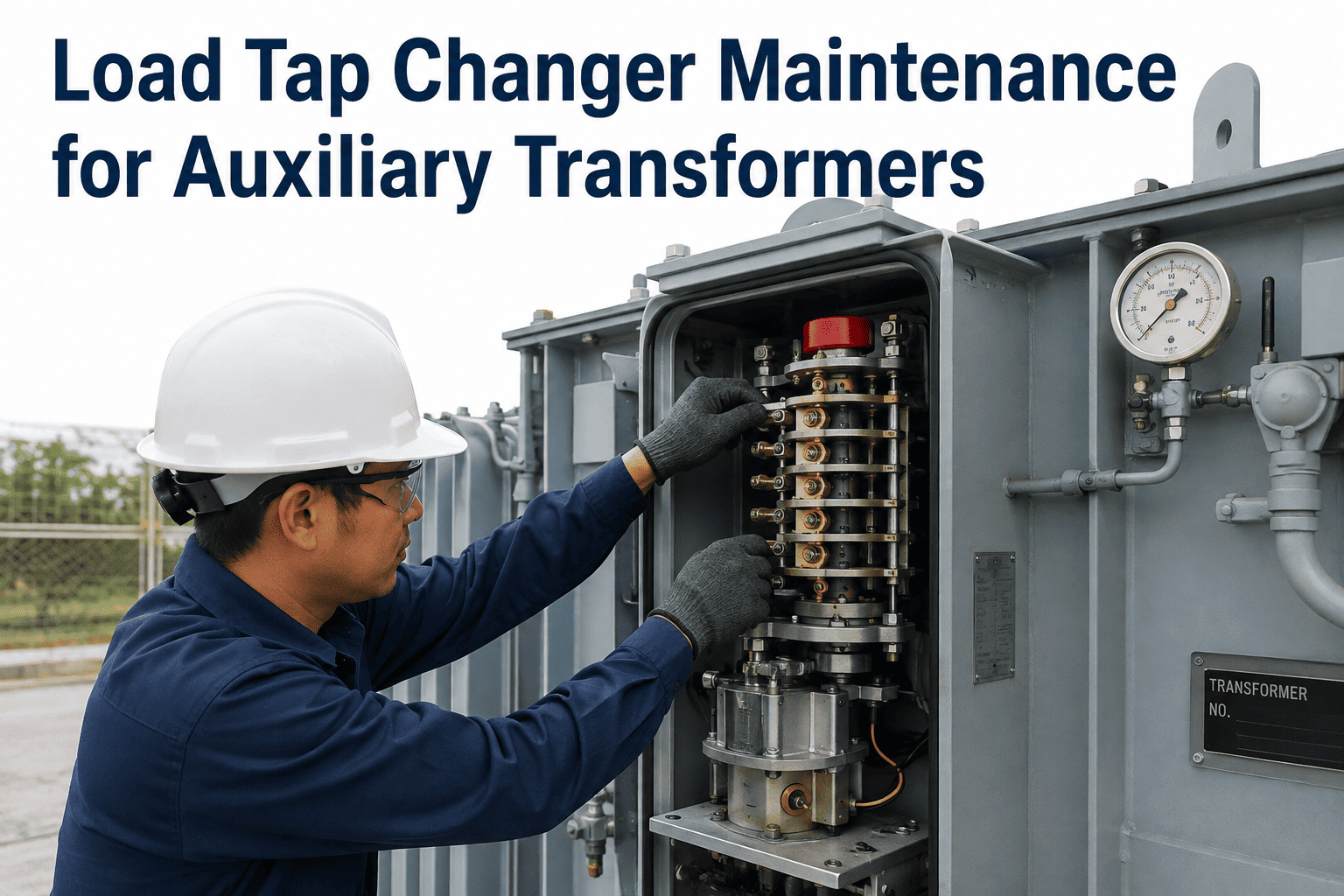
Tap changers are among the most failure-prone components of power transformers, subject to mechanical wear, contact erosion, and oil contamination. Traditional maintenance relies on fixed-interval inspections that may miss developing faults. AI analysis of tap changer operation data—including drive motor current, contact resistance, and oil quality—enables early detection of anomalies. For example, increasing drive motor current indicates mechanical binding or wear, while rising contact resistance suggests arcing and erosion. Machine learning models trained on historical failure patterns can predict remaining useful life of tap changer components, allowing maintenance to be scheduled during planned outages. This predictive approach reduces the risk of in-service tap changer failures, which can cause transformer outages and grid instability.
Mechanical Wear Prediction
Monitor drive motor current, vibration, and position feedback to detect wear in linkages and contacts, predicting failures 6-12 months in advance.
Contact Erosion Detection
Analyze resistance measurements and oil contamination from contact arcing to identify erosion and schedule replacement before failure.
Oil Contamination Alerts
Detect carbon particles and metal wear debris in tap changer oil using particle counters and dissolved gas sensors, triggering alerts for oil change.
Loading Pattern Analysis for Thermal Overload Prevention
Transformer loading patterns directly influence winding and oil temperatures, accelerating insulation aging. AI models analyze historical load data, ambient temperature, and cooling system performance to predict thermal overload events and recommend load shedding or cooling activation. Dynamic rating algorithms calculate the maximum safe load for current conditions, enabling operators to maximize transformer utilization without exceeding thermal limits. This proactive thermal management extends insulation life and reduces the risk of hot-spot formation. By integrating loading analysis with DGA and thermography, maintenance teams can correlate thermal events with gas generation patterns, improving fault diagnosis and prevention.
Loading Pattern Metrics
| Metric | Description | AI Action |
|---|---|---|
| Peak Load Duration | Time above rated capacity | Alert for overload risk |
| Load Variability | Standard deviation of load | Identify cyclic stress |
| Thermal Time Constant | Rate of temperature rise | Predict hot spot formation |
| Cooling Efficiency | Temperature drop per load reduction | Detect cooling system issues |
Benefits of AI-Driven Load Management
- Reduce thermal aging by 20%
- Optimize transformer utilization
- Prevent emergency overload trips
- Extend insulation life by 5-10 years
- Lower energy losses through efficient operation
Winding Insulation Degradation Prediction
Winding insulation is the most vulnerable component in a power transformer, subject to thermal, electrical, and mechanical stresses over its lifetime. Partial discharge activity, moisture ingress, and thermal cycling gradually degrade the cellulose paper insulation, leading to reduced dielectric strength and eventual failure. AI models analyze DGA trends, partial discharge patterns, and temperature history to estimate the remaining life of winding insulation. By correlating CO/CO2 ratios with cumulative thermal exposure, the model can predict when insulation will reach end-of-life, allowing proactive replacement or refurbishment. This predictive capability is critical for aging transformer fleets, where unplanned winding failures can cause extended outages and significant financial losses.
Frequently Asked Questions
How does AI improve dissolved gas analysis compared to traditional methods?
Traditional DGA relies on periodic sampling and manual interpretation using ratio methods, which can miss incipient faults or generate false alarms due to transient conditions. AI continuously monitors gas trends, applying machine learning to differentiate normal fluctuations from emerging fault patterns. This enables earlier detection—typically 3 to 18 months before failure—and reduces false positives. For more details, visit iFactory Support to explore our AI analytics capabilities.
What sensors are needed for comprehensive transformer monitoring?
A robust monitoring system includes online DGA monitors for key fault gases, temperature sensors on windings and oil, partial discharge detectors, moisture sensors, and load current transformers. For tap changers, additional sensors for drive motor current and contact resistance are recommended. All data should be aggregated into a central platform for AI analysis. To discuss sensor integration, Book a Demo with our team.
Can AI predict transformer failures with 100% accuracy?
While AI significantly improves prediction accuracy—typically achieving 85-95% for specific fault types—100% accuracy is not achievable due to the complexity of transformer systems and unpredictable external factors. However, AI models provide probabilistic risk scores and early warnings that enable proactive maintenance, reducing failure rates by up to 70%. The combination of multiple diagnostic techniques (DGA, thermography, partial discharge) further enhances reliability. Learn more at iFactory Support.
How long does it take to implement an AI-based transformer monitoring system?
Implementation typically takes 4 to 8 weeks, depending on the number of transformers and existing sensor infrastructure. The process includes sensor installation, data integration, model training on historical data, and alert configuration. iFactory provides turnkey solutions with pre-trained models that can be customized to your fleet. For a detailed timeline, Book a Demo to discuss your specific requirements.
What is the ROI of implementing AI-driven transformer predictive maintenance?
ROI varies based on transformer size, criticality, and current failure rates, but typical savings include 30-50% reduction in maintenance costs, 70% fewer unplanned outages, and 20% extension of asset life. For a critical 100 MVA transformer, preventing a single catastrophic failure can save over $2 million in replacement and downtime costs. Contact iFactory Support for a customized ROI analysis.
Secure Your Transformer Fleet’s Future
Implement AI-driven predictive maintenance to reduce downtime, extend asset life, and optimize maintenance budgets. Our experts are ready to guide you through every step.