A modern power plant control room can generate hundreds of alarms in a single hour, and on a bad day, hundreds in a single minute. Buried inside that noise is usually one signal that actually matters — a bearing that started vibrating differently three weeks ago, a motor winding trending a few degrees hotter than its baseline, a valve stroke time slipping by fractions of a second nobody flagged. Predictive fault detection is built to find that one signal before it ever becomes an alarm, fusing data from multiple sensors into a single pattern an operator can trust instead of a wall of noise they have learned to tune out, and you can book a demo to see it running against your own equipment data.
Your Operators Can Process One Alarm A Minute — Your AI Can Watch Every Sensor, Every Second, Without Blinking
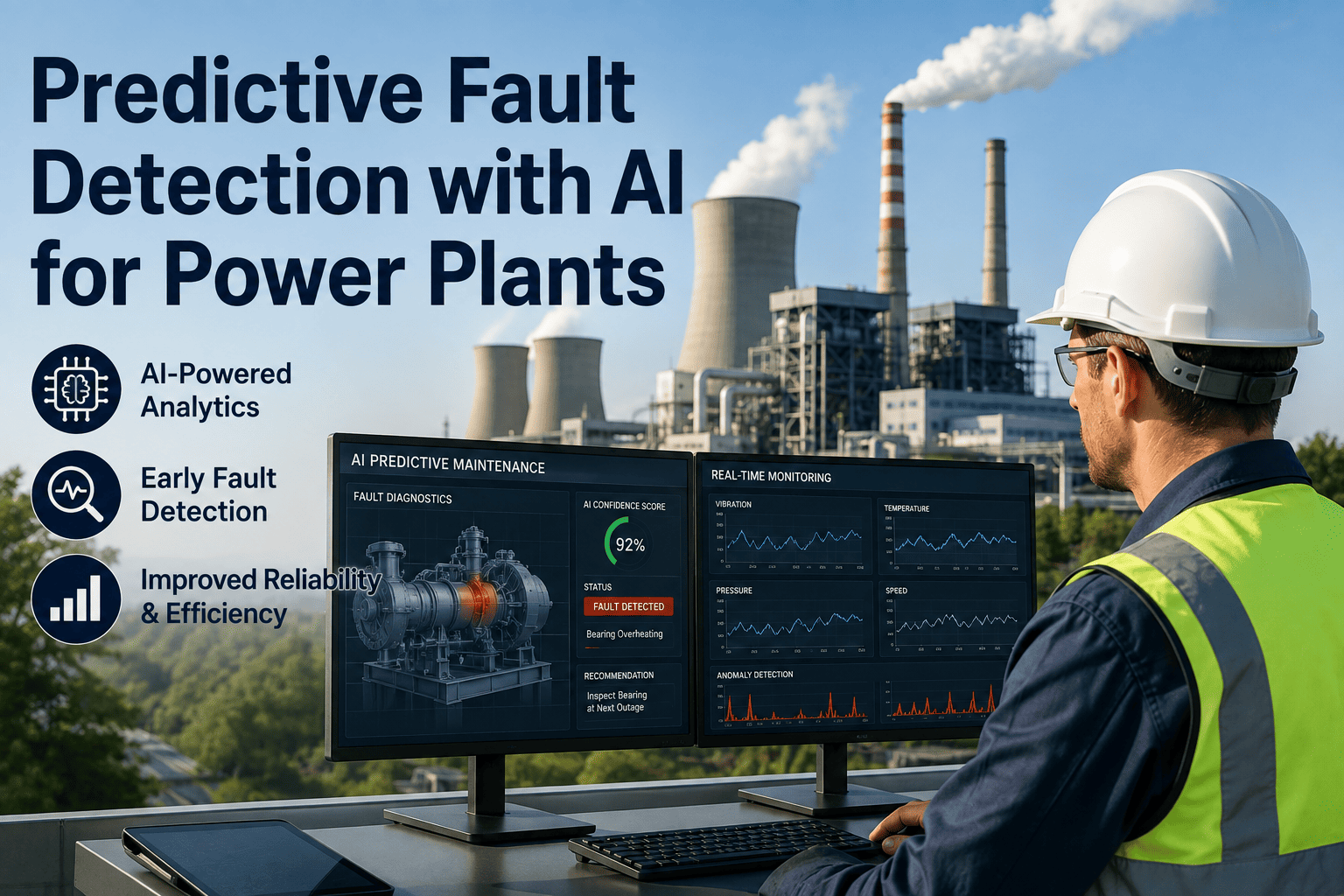
Human operators reach cognitive overload at roughly one alarm per minute, yet plants running legacy alarm systems routinely fire ten to twenty during a process upset. iFactory's predictive fault detection fuses vibration, thermal, electrical, and process data into confidence-scored fault signatures — flagging the developing failure weeks before it ever needs to sound an alarm at all.
Your Alarm System Was Built To Warn You After Something Broke, Not Before
ANSI/ISA-18.2 defines an alarm flood as more than ten alarms in ten minutes, and defines the human limit right alongside it: an operator can realistically absorb about one alarm per minute before situational awareness starts to collapse. Most legacy DCS and SCADA configurations were never rationalized against that limit, which is why a single equipment trip can trigger a cascade that buries the one alarm an operator actually needed to act on.
The gap between those two bars is where incidents happen. Predictive fault detection closes it a different way — not by tuning the alarm system harder, but by catching the developing fault weeks earlier, while it is still a quiet pattern in the sensor data instead of a flood on the operator's screen.
Four Layers Turn Raw Sensor Noise Into A Fault You Can Actually Act On
Predictive fault detection is not one algorithm — it is a pipeline, and each layer solves a different part of the problem that a single threshold alarm never could.
Multi-Sensor Fusion
Vibration, temperature, current draw, acoustic emission, and process variables are aligned on a common timeline instead of read in isolation.
Pattern Recognition
Machine learning models trained on your specific equipment class detect the subtle combined drift that no single sensor threshold would trigger on.
Fault Signature Matching
The drift pattern is matched against known failure signatures — bearing wear, winding degradation, cavitation — to identify what is actually developing.
Remaining Useful Life Prediction
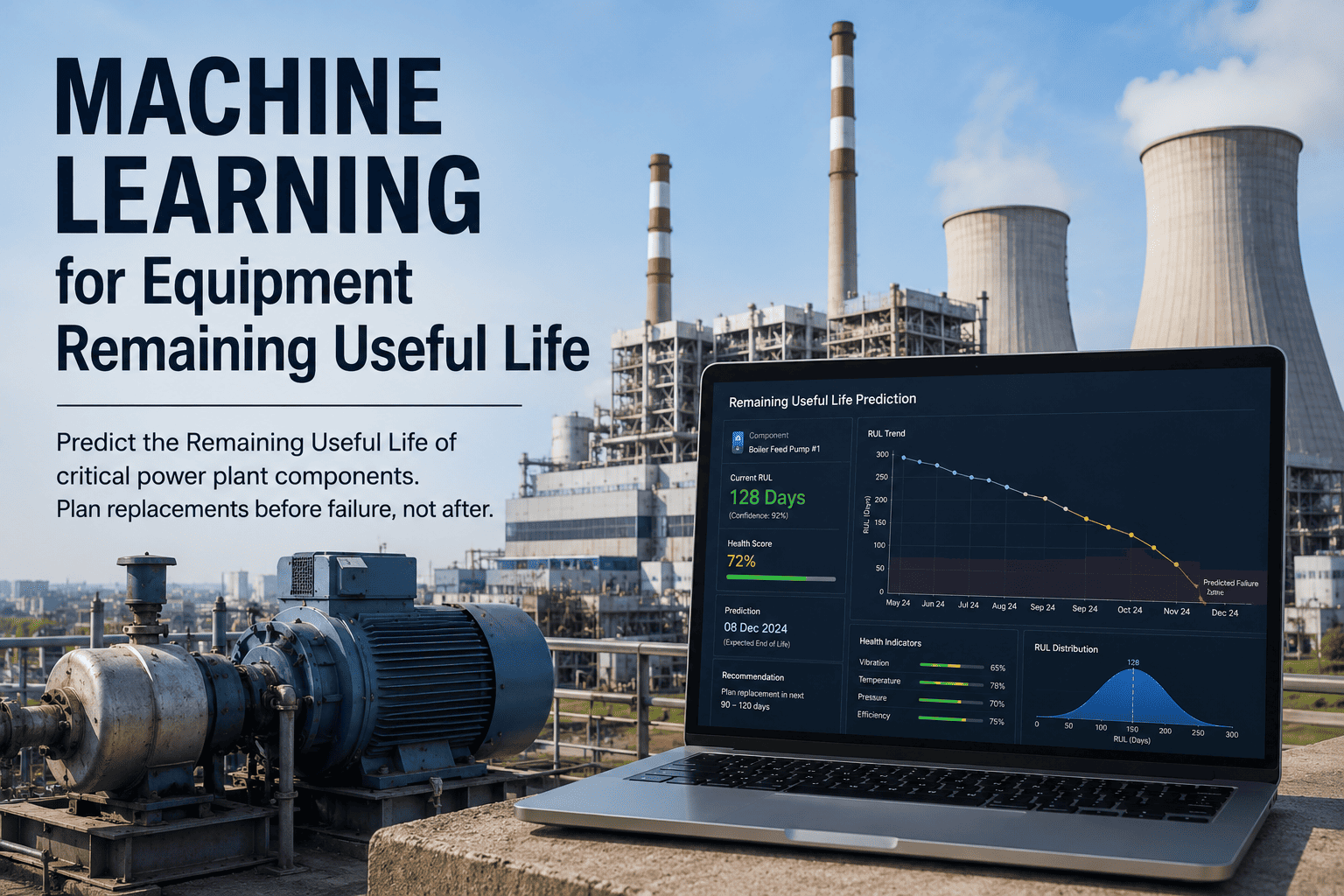
A time-to-failure estimate is generated so the work order carries a deadline, not just a warning, giving your team a real window to plan the repair.
Stop Reading Alarms. Start Reading Fault Signatures.
iFactory connects to your existing historian and sensor network to start building fault signatures for your critical equipment without new hardware.
A Single Vibration Sensor Misses What Vibration Plus Temperature Plus Current Catches Together
Independent research on multi-sensor fusion consistently shows a measurable accuracy gain over any single-modality baseline, and the gain grows with how different the fused signals are from each other.
Single-Sensor Monitoring
A vibration sensor alone can flag mechanical looseness or imbalance but has no visibility into thermal or electrical degradation happening in the same component, so entire fault categories go undetected until they become mechanical.
Fused Multi-Sensor Monitoring
Combining vibration, pressure, flow, and temperature channels lifts fault-detection accuracy by roughly 1.7 to nearly 5 percentage points over the best single-sensor model, with the largest gains on complex hydraulic and rotating equipment.
Every Failure Mode Leaves A Signature Weeks Before It Leaves A Puddle On The Floor
Each of these fault types has a distinct combined-sensor signature that traditional threshold alarms are not designed to catch until the failure is already mechanical.
Bearing Wear
Early-stage spalling shows up as a subtle high-frequency vibration signature long before audible noise or temperature rise appears.
Motor Winding Degradation
Insulation breakdown produces a combined thermal and current-draw drift that isolates the specific phase and coil affected.
Valve Stroke Degradation
Actuator response time and position feedback drift together, flagging sticking or seat wear before a full failure to close.
Pump Cavitation
Pressure fluctuation paired with a characteristic acoustic signature catches developing cavitation before impeller damage sets in.
What Happens The Moment iFactory Recognizes A Developing Fault
A confidence-scored fault signature is only useful if it turns into an action your team can actually take. Here is the path from raw sensor drift to a scheduled repair.
Questions Plant Teams Ask About Predictive Fault Detection
Give Your Operators Fewer, Smarter Alerts — And Weeks Of Warning Instead Of Seconds
iFactory fuses your existing sensor data into confidence-scored fault signatures with remaining useful life attached, so the next failure shows up as a work order, not a trip.