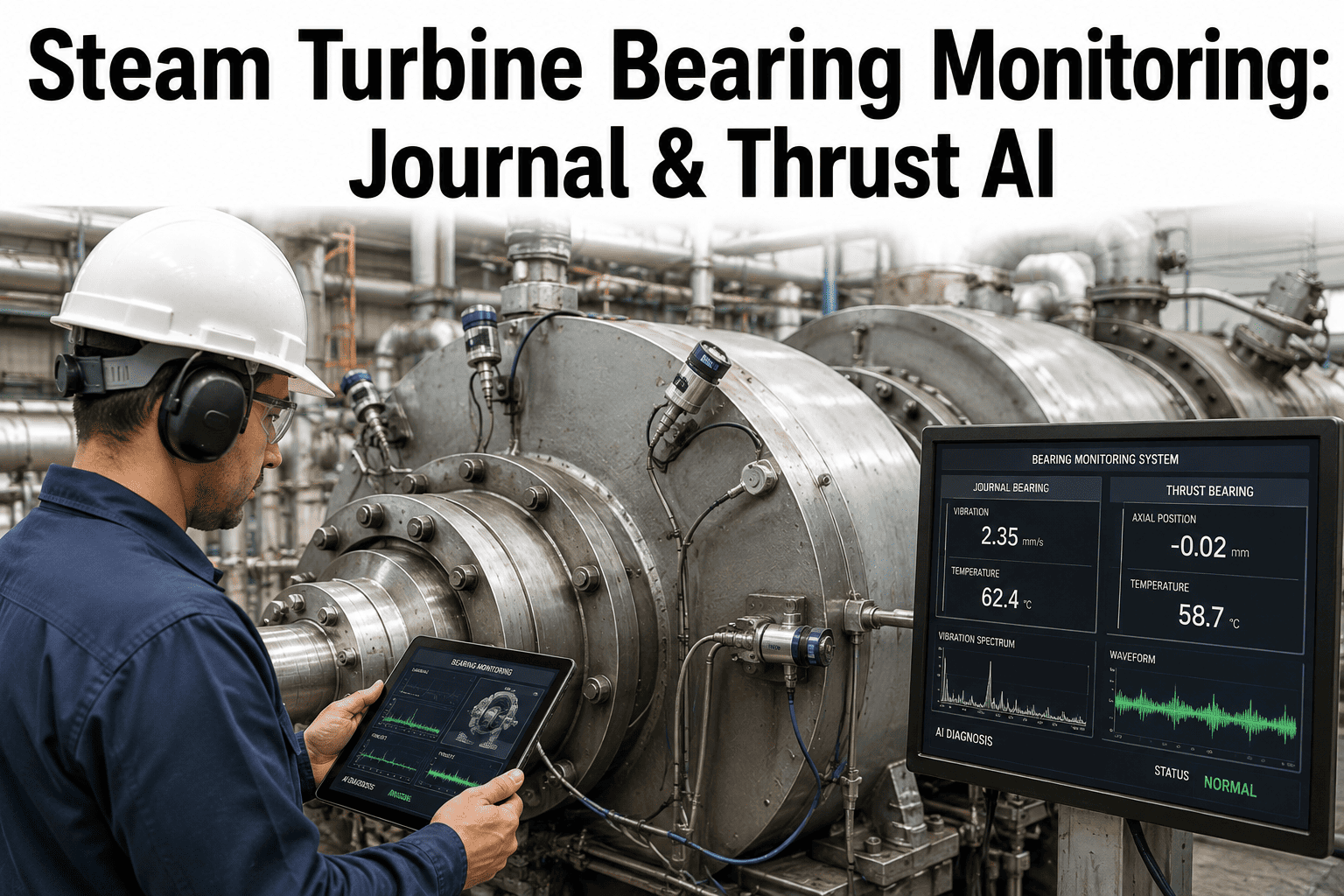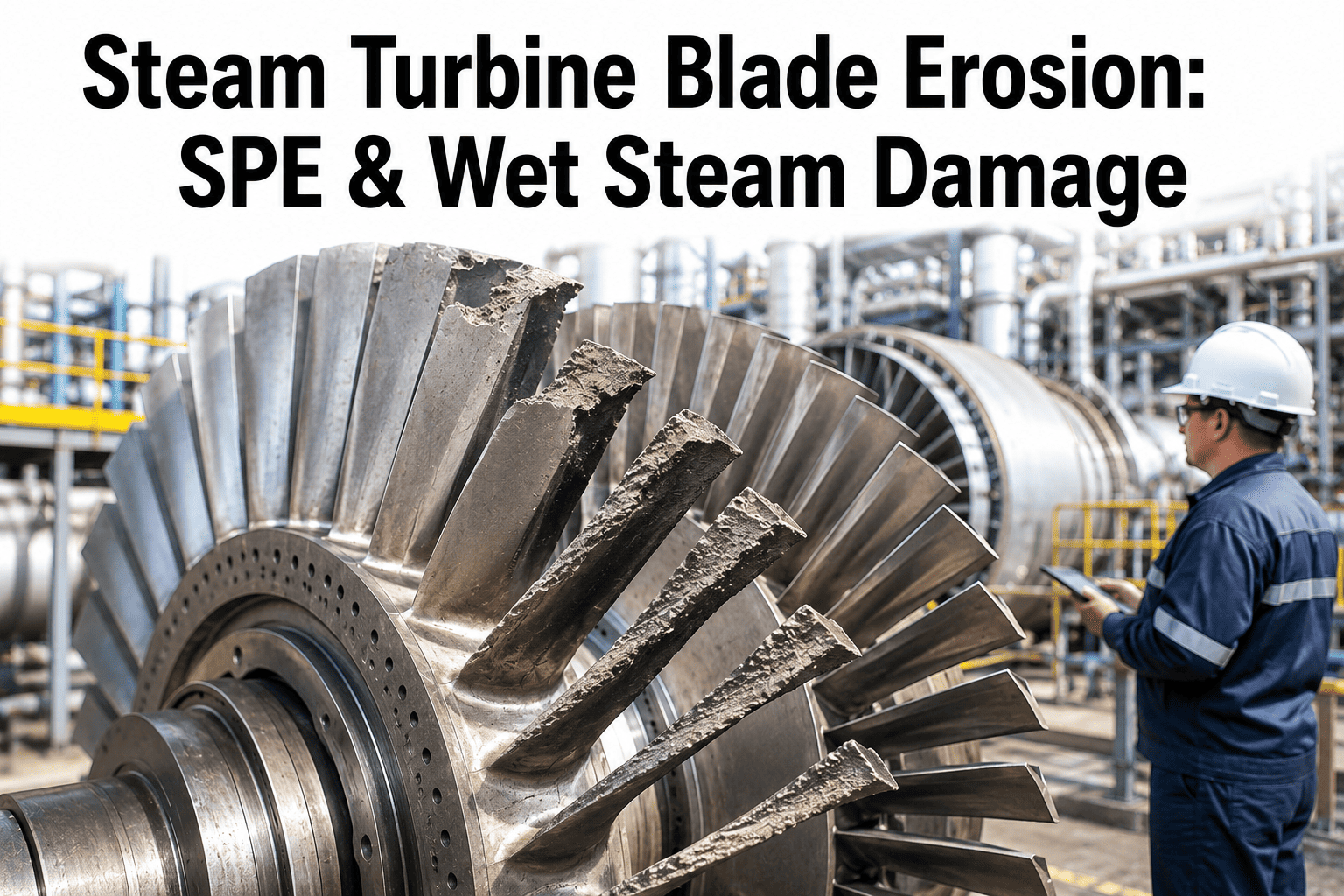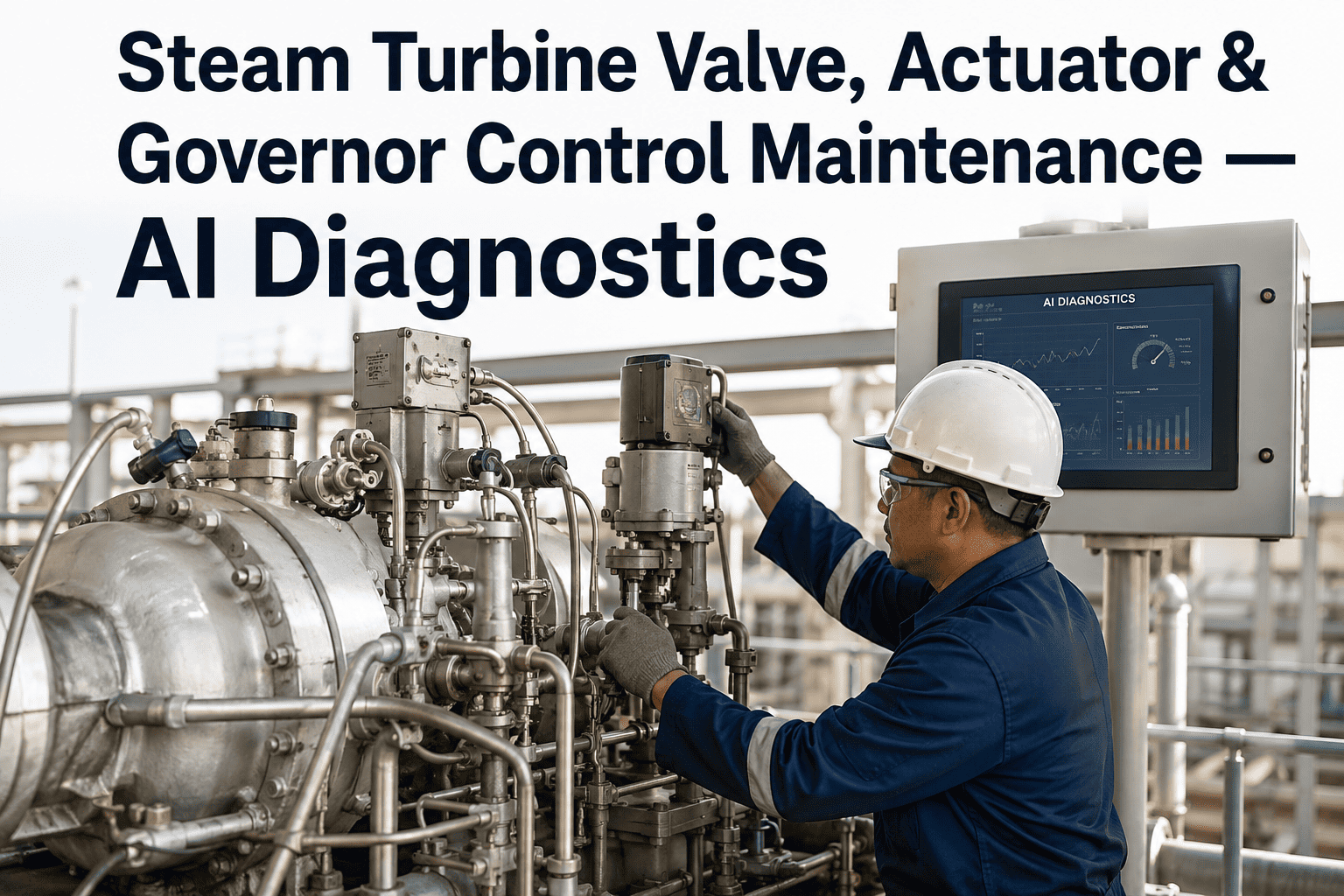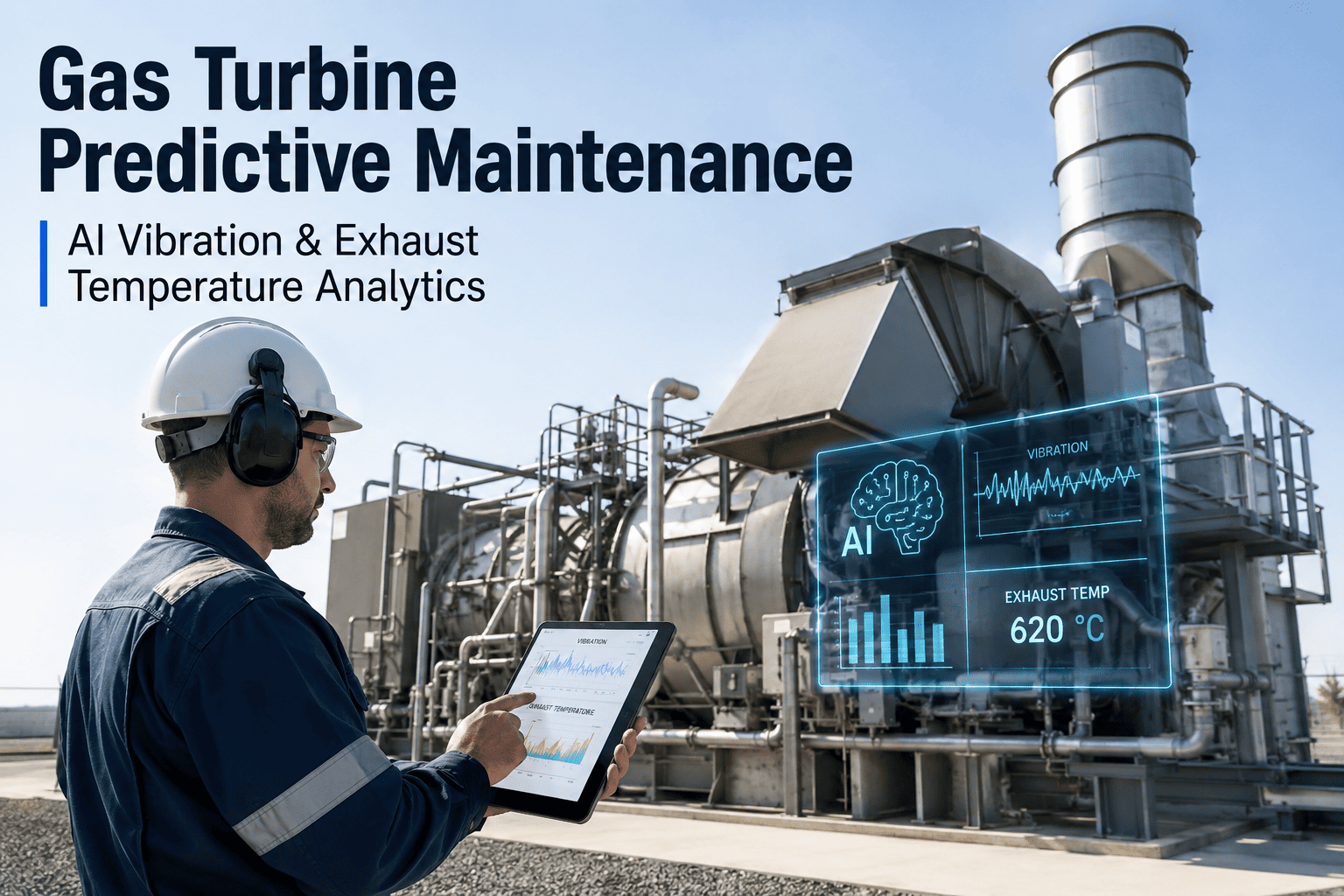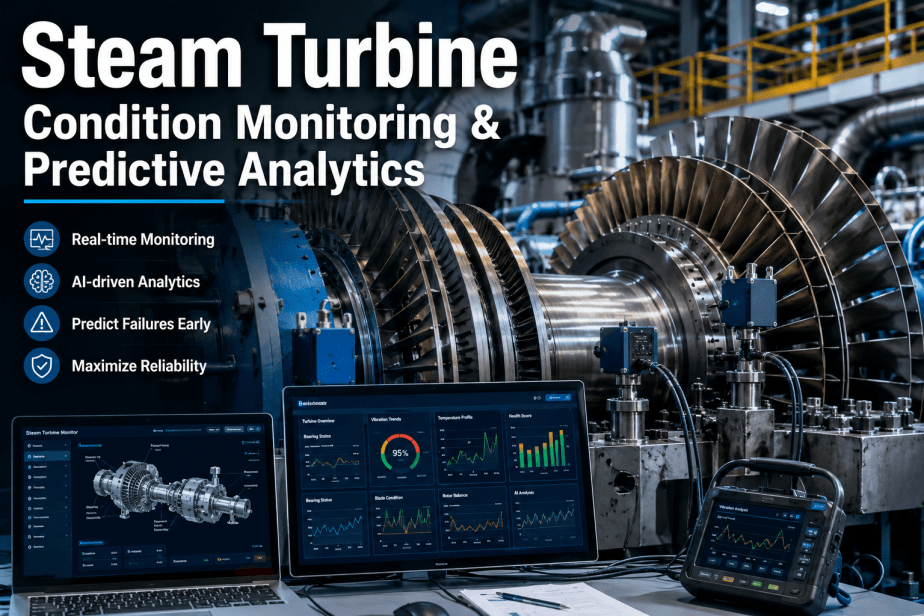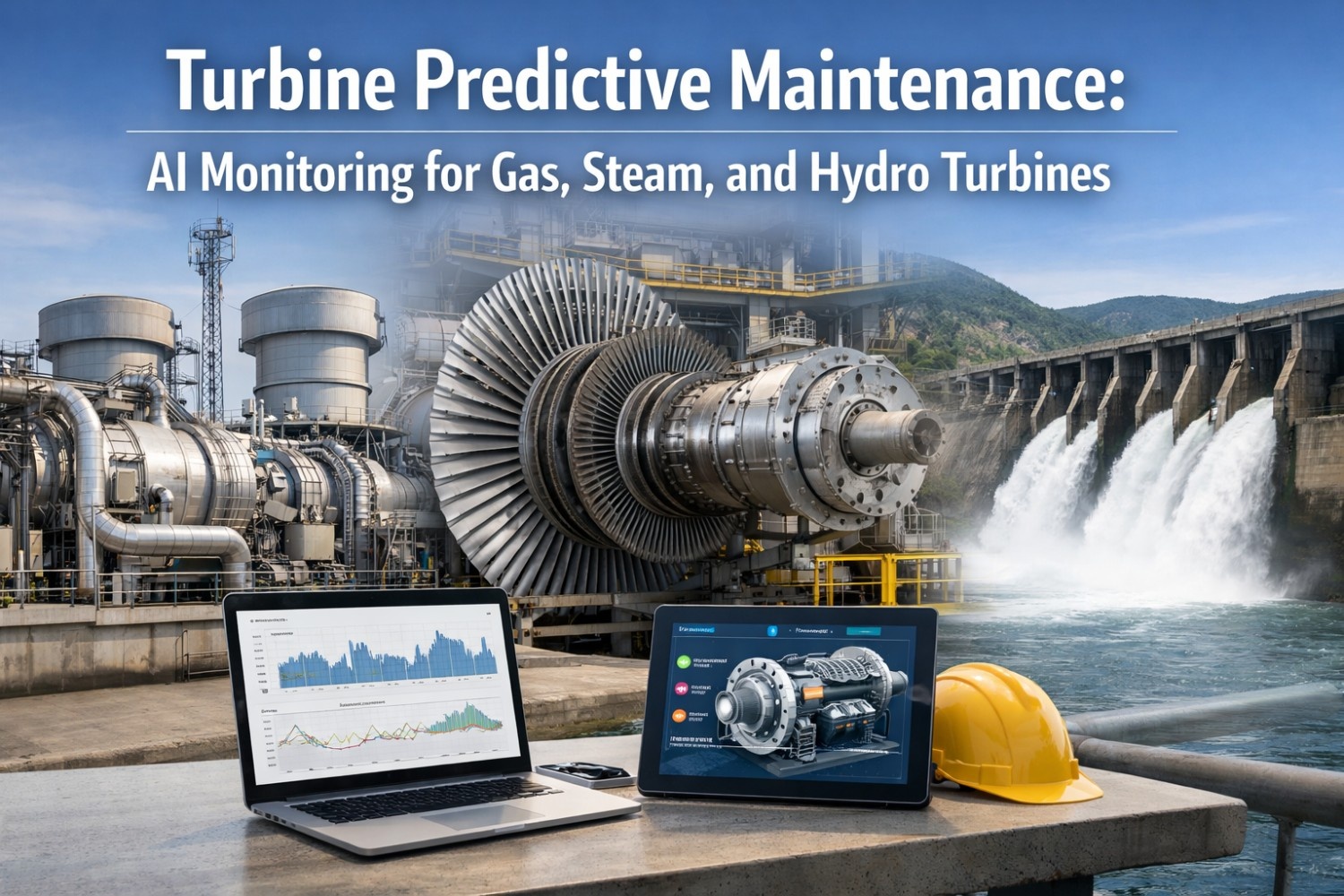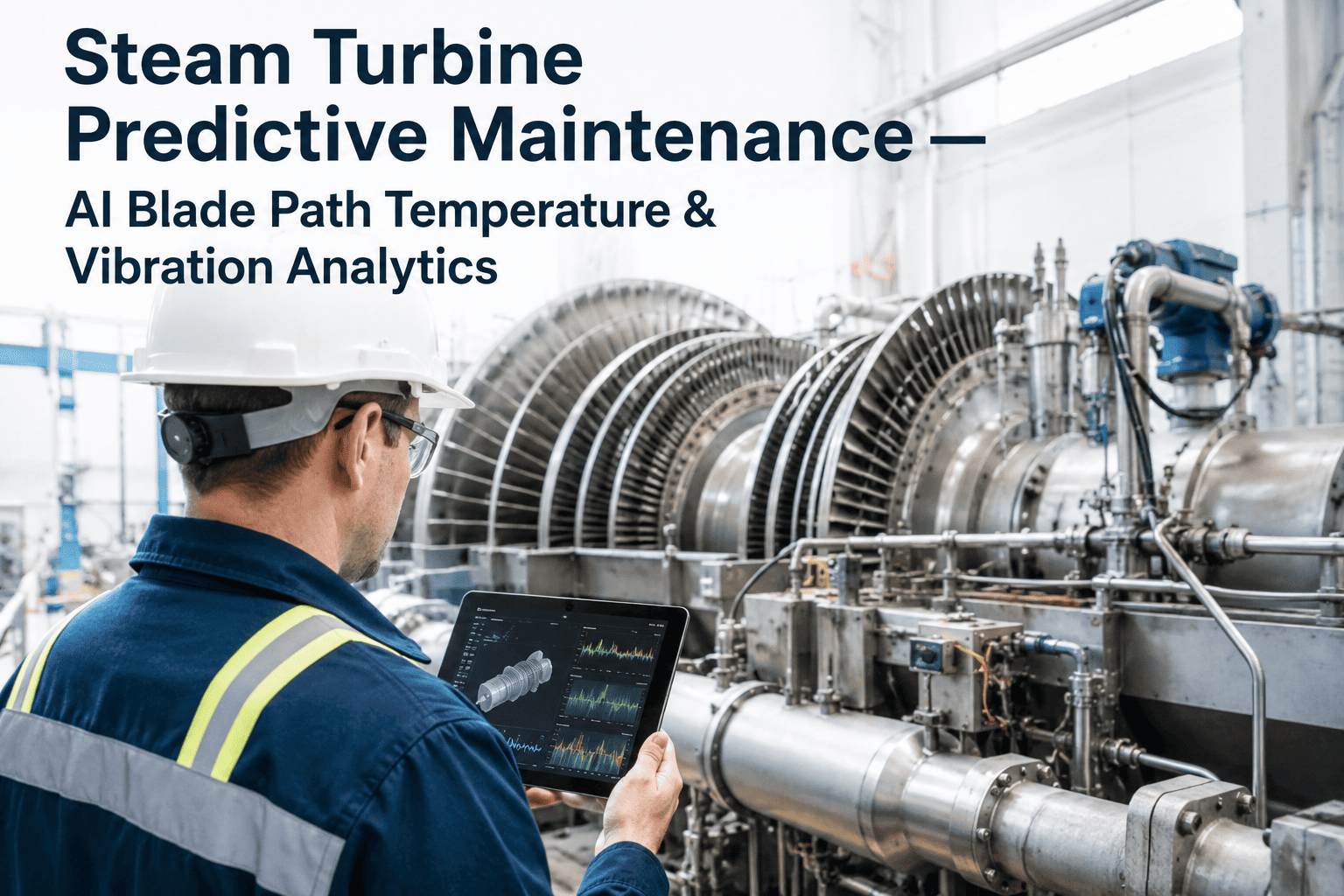
Steam turbines are the single most capital-intensive rotating asset in most power and process plants, yet many operators still lean on periodic borescope inspections and manual vibration surveys that only capture a snapshot in time between checks. Blade erosion from wet steam, rotor bowing during startup, and bearing wear from oil degradation all develop silently in the weeks between those inspection windows, and lead times for replacement blade sets and rotor assemblies routinely stretch past six months once a fault is finally caught. Continuous AI-based monitoring closes that visibility gap by fusing blade path temperature spreads, shaft vibration signatures, bearing eccentricity readings, and valve stroke timing into one health model that flags developing faults months before they turn into forced outages. Plant managers running steam turbine and boiler systems can see exactly how this shifts daily maintenance decisions, and a short walkthrough shows how it maps onto your existing DCS and CMMS setup.
Turn Turbine Data Into Weeks of Warning
iFactory's Turbine AI module reads blade path temperature spreads, shaft vibration, bearing eccentricity, and valve stroke timing continuously, flagging degradation trends long before they reach your control room alarm limits.
Why Calendar-Based Inspections Miss Turbine Faults
Fixed inspection intervals catch a turbine's condition only at the moment of the check. Blade rubbing during startup, transient bearing overheating, and slow-building seal degradation between visits go completely unrecorded, which is exactly why boiler-turbine systems remain the leading source of unplanned thermal plant downtime.
Four Data Streams That Build a Complete Turbine Health Picture
No single sensor tells the whole story. Vibration catches mechanical faults, temperature confirms severity, eccentricity tracks rotor position, and valve timing exposes control-loop drift. AI correlates all four continuously instead of reviewing them in separate spreadsheets after the fact.
Time-Based Inspection vs Continuous AI Monitoring
The same four parameters look very different depending on how often they are actually reviewed. This is the practical gap between a quarterly borescope audit and a model that is watching every shift.
| Parameter | Time-Based Inspection | Continuous AI Monitoring | Typical Detection Lead Time |
|---|---|---|---|
| Shaft Vibration | Quarterly manual survey | Continuous, correlated across bearings | 4-12 weeks |
| Blade Path Temperature | Snapshot during scheduled outage | Trended every operating cycle | 60-90 days |
| Bearing Condition | Borescope inspection window | Vibration plus oil debris trending | 6-16 weeks |
| Combined Fault Accuracy | Single-parameter review, 30-40% capture rate | Multi-parameter fusion, 85-92% capture rate | Weeks to months |
How a Turbine Fault Actually Develops
Turbines rarely fail without warning. The warning shows up in trending data long before it shows up as a tripped alarm, which is exactly the window a plant manager needs to schedule a planned repair instead of absorbing an emergency shutdown.
See Your Own Turbine Trend Data Modeled
Bring a recent vibration survey or bearing temperature log to the call and our team will walk through how the same data looks once it is trended continuously instead of reviewed quarterly.
What Continuous Monitoring Changes on the P&L
The business case for turbine predictive maintenance rests on avoided outages, cheaper planned repairs, and fewer emergency parts orders at premium pricing.
Frequently Asked Questions
Does this replace our existing CMMS or DCS system?
No. Predictive maintenance does not replace your CMMS, vibration database, or DCS. Your CMMS continues to handle work orders, parts inventory, and maintenance scheduling exactly as it does today. The AI layer sits alongside those systems, pulling vibration, temperature, eccentricity, and valve timing data to generate early-warning work requests that your CMMS then manages through its normal workflow. Most plants connect existing sensor feeds within a few weeks rather than replacing infrastructure, and the support team can walk through your specific historian and SCADA setup.
How far in advance can blade path temperature analytics actually predict a fault?
Blade path temperature trending typically identifies developing rotor bowing, uneven heating, and hot gas path efficiency loss 60 to 90 days before the deviation would show up in a scheduled outage inspection. This works because the AI model tracks the exhaust temperature spread against the unit's own historical baseline rather than a fixed alarm limit, so small drifts get flagged long before they approach a control room threshold. Combined with vibration and eccentricity data, the forecast window extends to 3 to 8 months for slower-developing faults like seal erosion.
What sensors do we need to install before this works?
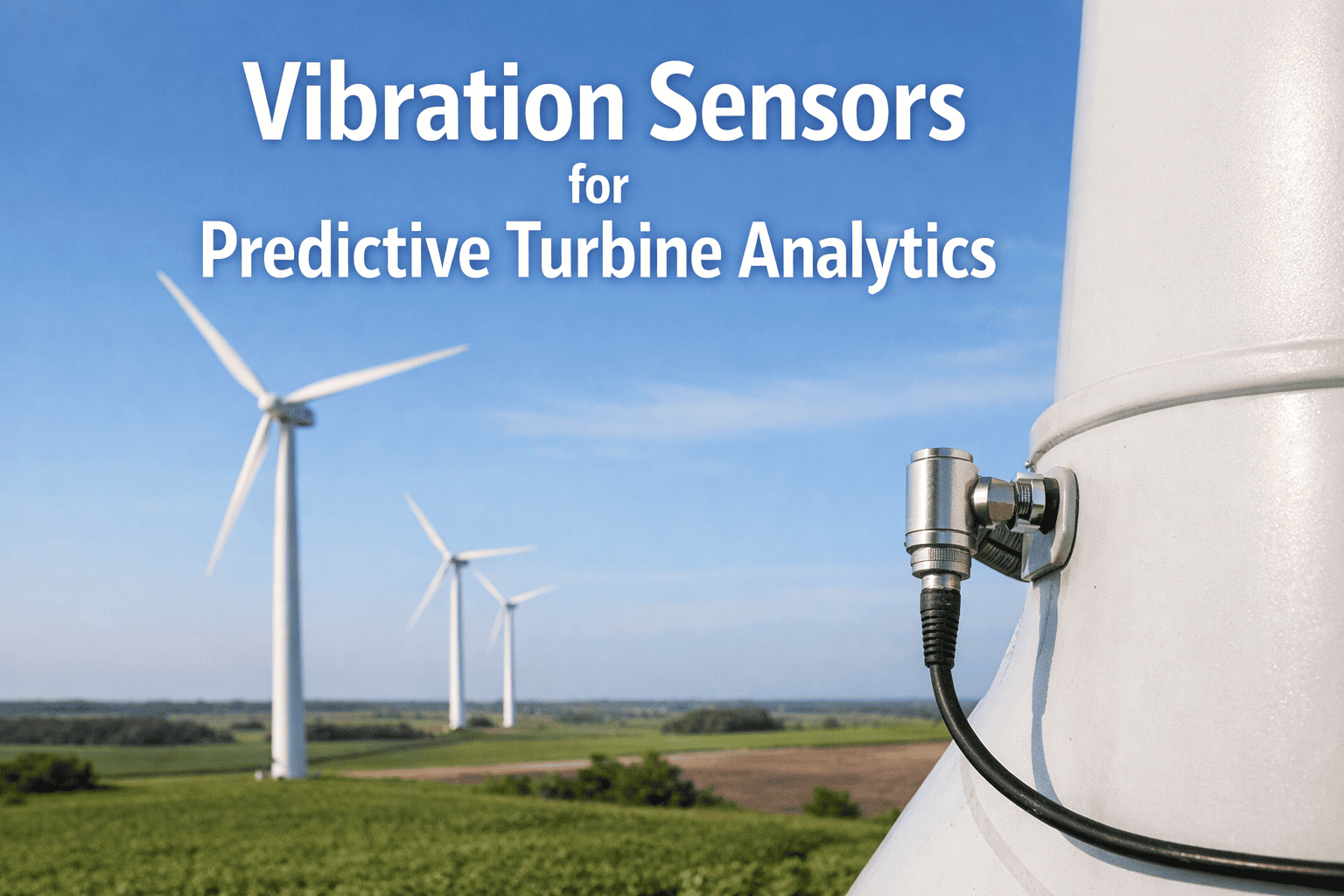
Most steam turbines already carry the core sensors needed: shaft vibration probes or accelerometers on the bearing housings, thermocouples or RTDs on the blade path and bearing oil lines, and eccentricity or proximity probes near the shaft. If your turbine already reports these to a historian or SCADA system, that data can typically be connected directly. Where coverage gaps exist, high-temperature-rated accelerometers and additional thermocouples can be added incrementally rather than all at once, and the team can assess your current instrumentation on a short call.
How is this different from a simple vibration alarm we already have?
A standard vibration alarm trips only when a single reading crosses a fixed threshold, which means it catches a fault at the same moment a manual inspection would. AI-based monitoring instead correlates vibration alongside temperature, eccentricity, and valve timing continuously, comparing every reading against the unit's own historical baseline rather than a generic limit. Isolated single-parameter monitoring typically captures only 30 to 40 percent of developing failure modes, while fused multi-parameter monitoring reaches 85 to 92 percent predictive accuracy for major turbine failures.
What does implementation actually involve for a plant manager?
Implementation starts with an audit of your current SCADA, DCS, historian, and CMMS data to confirm what is already available and what needs a sensor gap filled. Existing vibration, temperature, and pressure feeds are then connected to the monitoring platform, and the AI model spends an initial baseline period learning your unit's normal operating range before generating alerts. Most plant managers see their first meaningful early-warning flags within the first full operating cycle, and the support team stays involved through that entire baseline period.
Give Your Steam Turbine Months of Warning Instead of Weeks
iFactory's Turbine AI module fuses your existing sensor feeds into one continuous health model built for plant managers who need planned outages, not emergency ones.