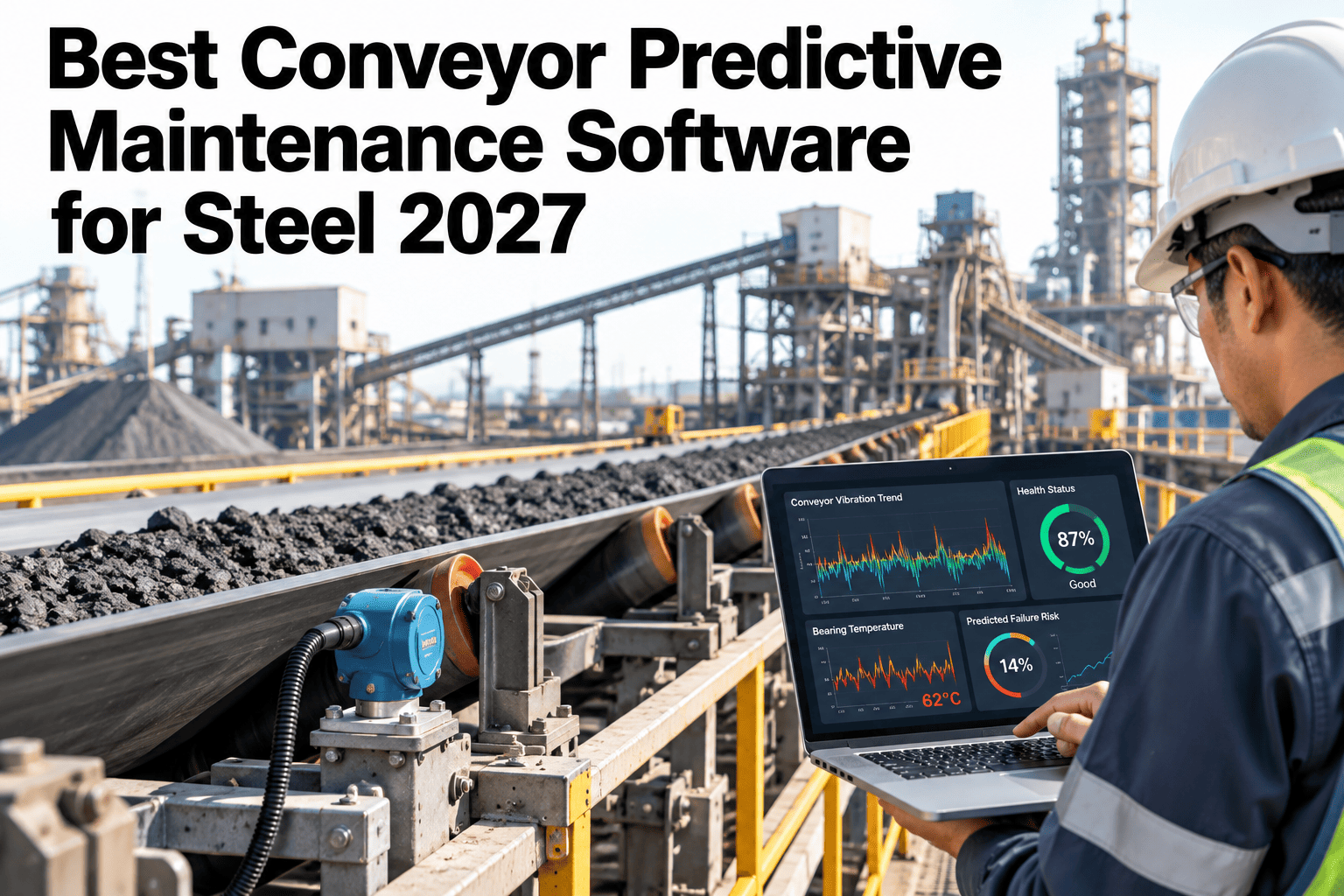
A conveyor stoppage in a steel plant's raw material handling system does not just stop the conveyor, it backs up every process downstream of it, turning one failed component into a plant-wide scheduling problem within the hour. Conveyors are mechanically simple compared to a furnace or a rolling mill, which is exactly why they get the least monitoring attention, right up until a belt, bearing, pulley, gearbox, or drive fault takes one offline without warning. Predictive maintenance built specifically around conveyor failure modes closes that gap before it becomes a raw-material supply problem. See conveyor predictive maintenance running on your own raw material handling system.
Keep Raw Material Moving, Without the Surprise Stoppage
iFactory AI monitors belt, bearing, pulley, gearbox, and drive condition across your conveyor fleet, flagging faults before they stop raw material flow.
The Equipment Nobody Watches Closely
A blast furnace gets continuous instrumentation and a dedicated reliability program, while the conveyor feeding raw material into it often runs on a fixed inspection schedule and not much else, which makes sense given how mechanically simple a conveyor is, right up until the moment a component nobody was watching fails and stops everything downstream of it.
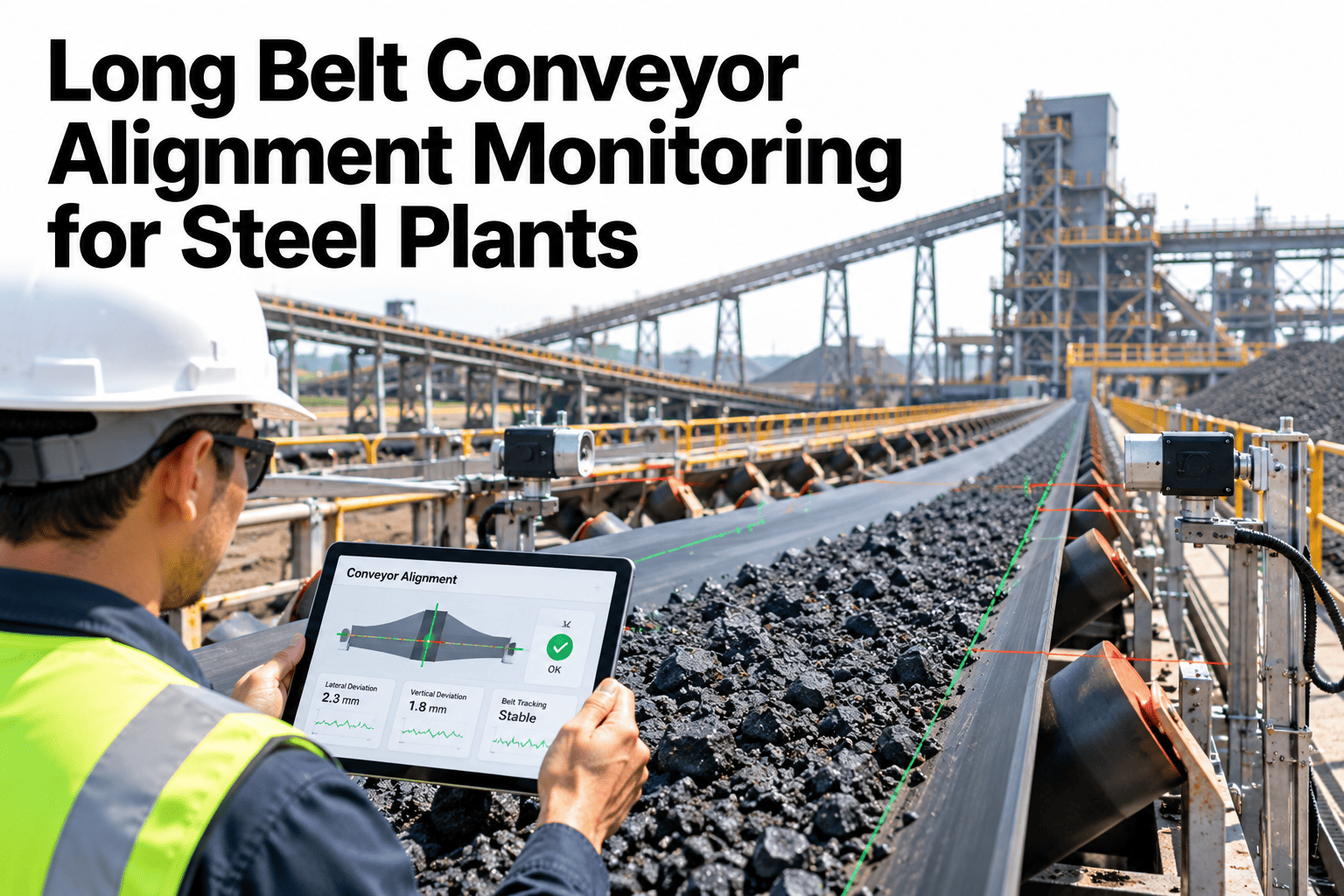
Belt Faults
Tracking, tears, and splice degradation detected before a belt failure stops the line.
Bearing Faults
Vibration and temperature signatures flagging bearing wear weeks in advance.
Pulley Faults
Misalignment and wear patterns that lead to belt tracking issues downstream.
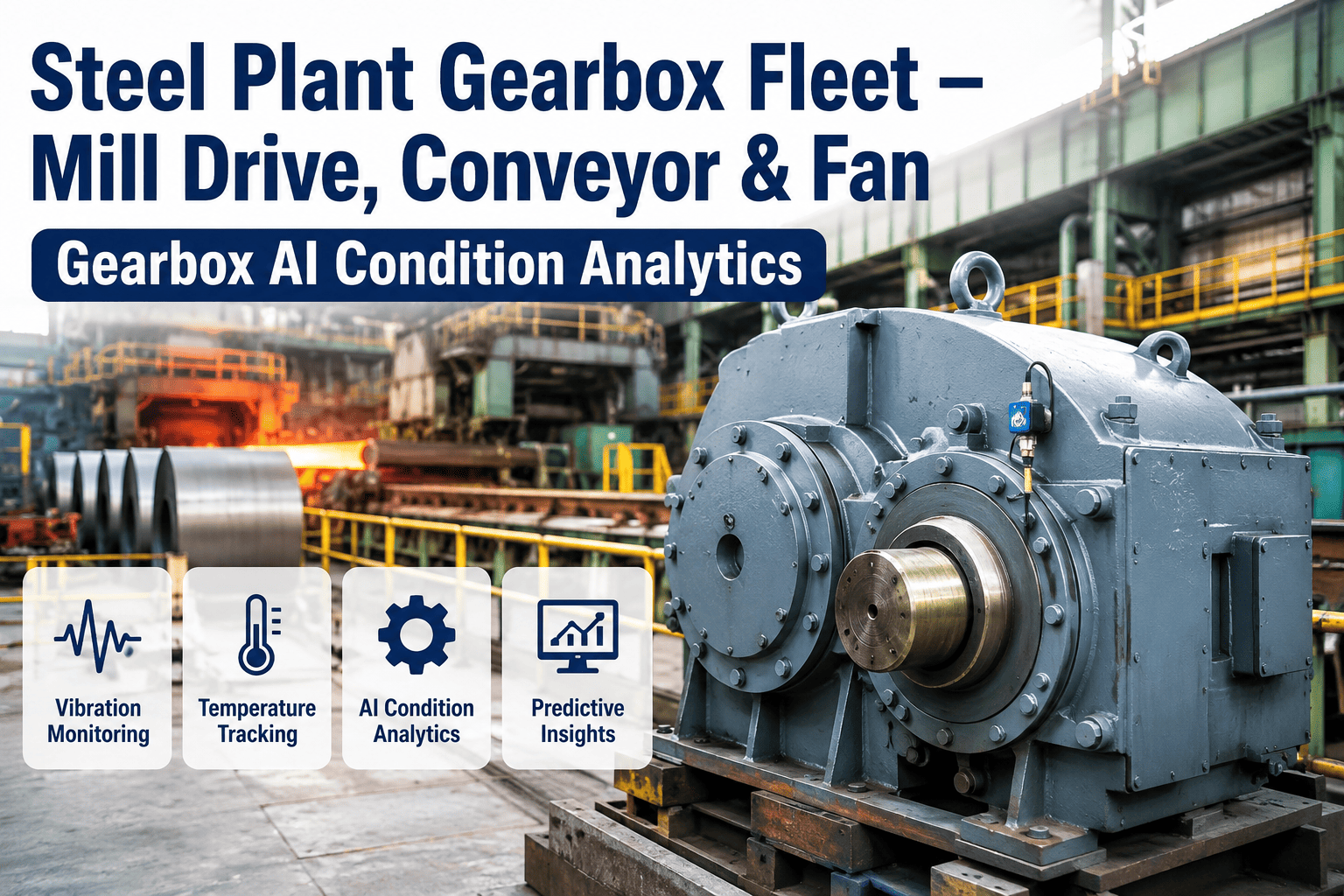
Gearbox Faults
Oil condition and vibration trends signaling internal gearbox degradation.
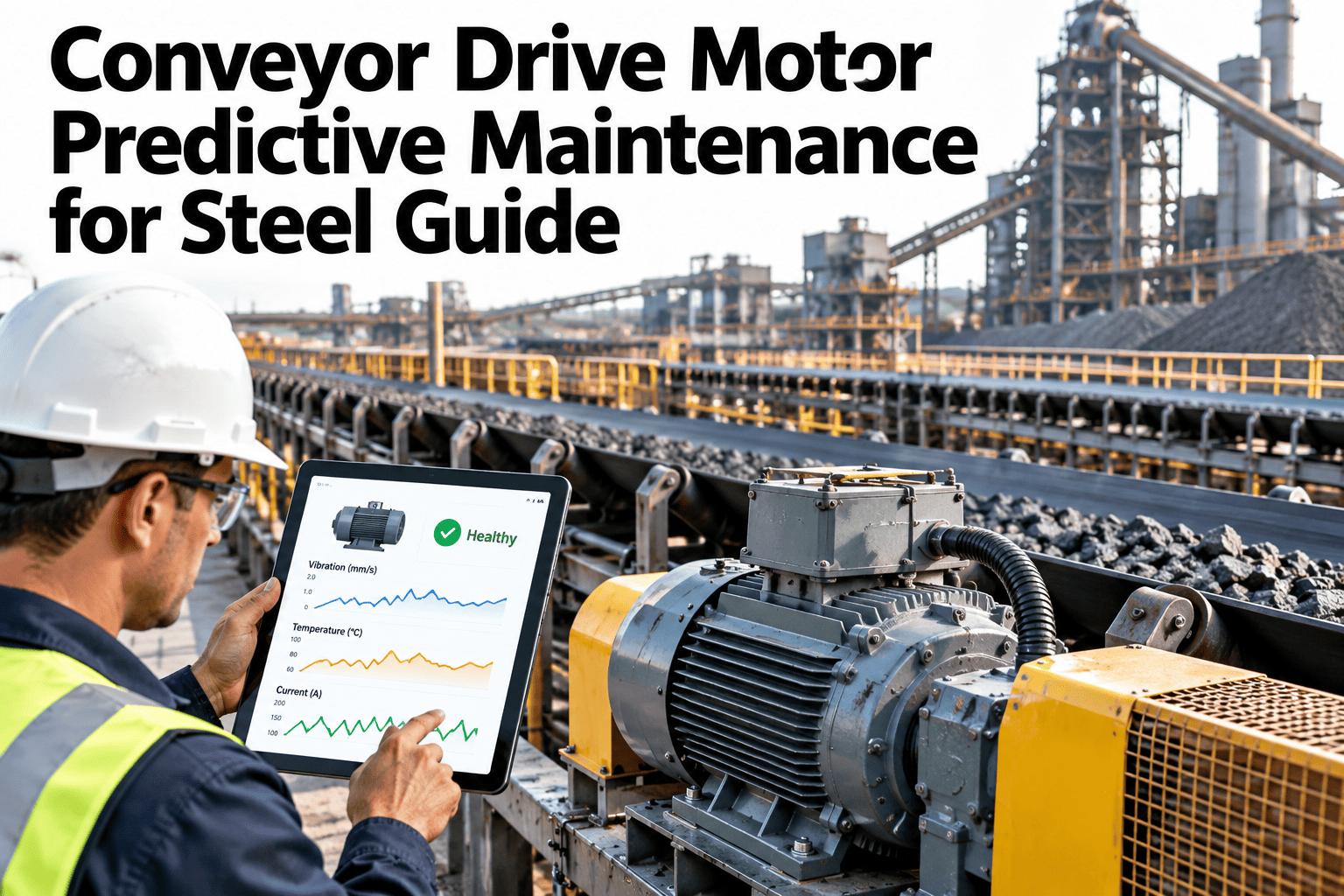
Drive Faults
Motor and drive system anomalies caught before a full drive failure.
Monitor Your Own Conveyor Fleet
Book a 30-minute session and see fault detection running across your own belts, bearings, pulleys, and drives.
What Each Component Needs Watched
Different components fail in different ways, so each one is monitored against the signal that actually predicts its specific failure mode.
| Component | Primary Signal | Typical Warning Window |
|---|---|---|
| Belt | Tracking sensors, visual tear detection | Days to weeks |
| Bearing | Vibration and temperature trend | Weeks to a few months |
| Pulley | Alignment and vibration pattern | Weeks |
| Gearbox | Oil condition, vibration trend | A few months |
| Drive | Motor current and vibration signature | Weeks to a few months |
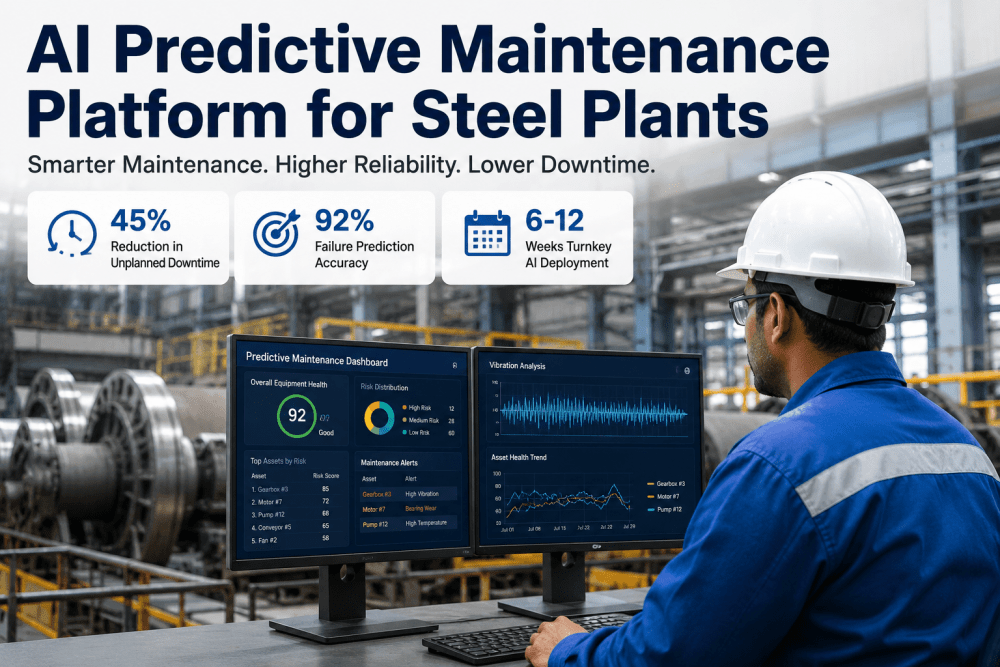
Fleet-Wide Condition View
A composite view across your conveyor network, scored by overall condition across all five monitored components.
Rolling Out Across Your Conveyor Fleet
iFactory AI connects to existing conveyor sensors where present and supports retrofit sensor kits on conveyors that currently have none.
Expert Review
Conveyor predictive maintenance is one of the faster-paying-back programs in a steel plant precisely because conveyors were previously monitored so lightly, which means even modest early detection catches issues that a fixed inspection schedule would have missed for weeks.
Frequently Asked Questions
Do we need new sensors on every conveyor?
Conveyors with existing condition sensors connect directly, while those without can be fitted with a retrofit sensor kit, so coverage can expand gradually across the fleet. Support can confirm what your current conveyors already have.
Which failure mode does this catch earliest?
Gearbox and bearing faults typically offer the longest warning window, often a few months, while belt tracking issues are usually caught with a shorter but still actionable notice.
Can this integrate with our existing CMMS for work orders?
Yes, flagged faults can generate work orders directly in your existing CMMS rather than requiring a separate maintenance tracking system. See CMMS integration on a call.
Does this work on conveyors handling different raw materials?
Yes, baselines and fault detection are calibrated per conveyor, accounting for the specific material, load pattern, and equipment on that line.
How is the fleet-wide condition view prioritized for maintenance?
Conveyors are ranked by condition score and failure impact, so maintenance teams work the highest-risk equipment first rather than working through a fixed schedule regardless of actual condition. Ask support how prioritization is calculated.
Stop the Surprise Conveyor Stoppage
iFactory AI monitors belt, bearing, pulley, gearbox, and drive condition across your conveyor fleet. Book a demo to see it on your own equipment.