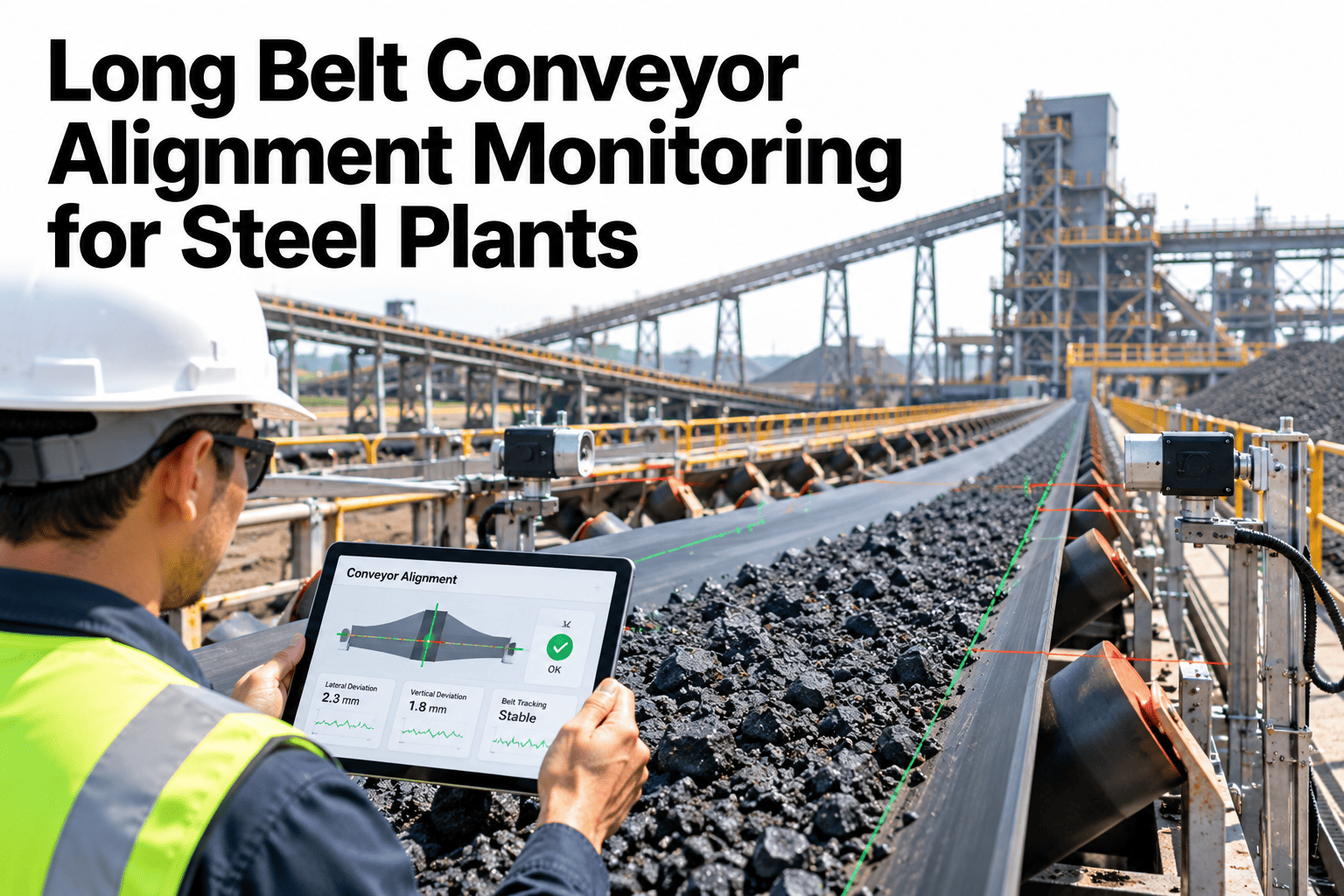
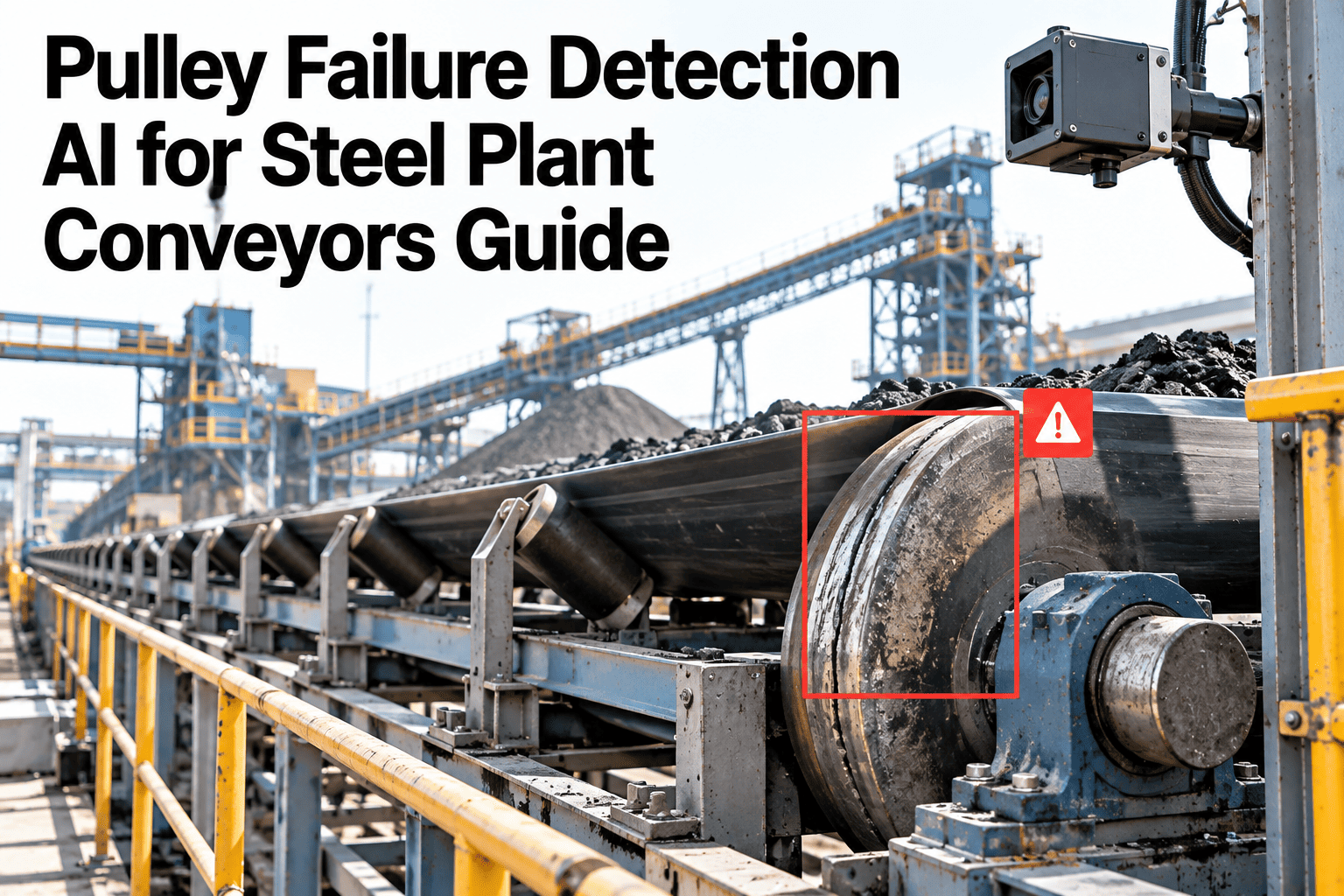
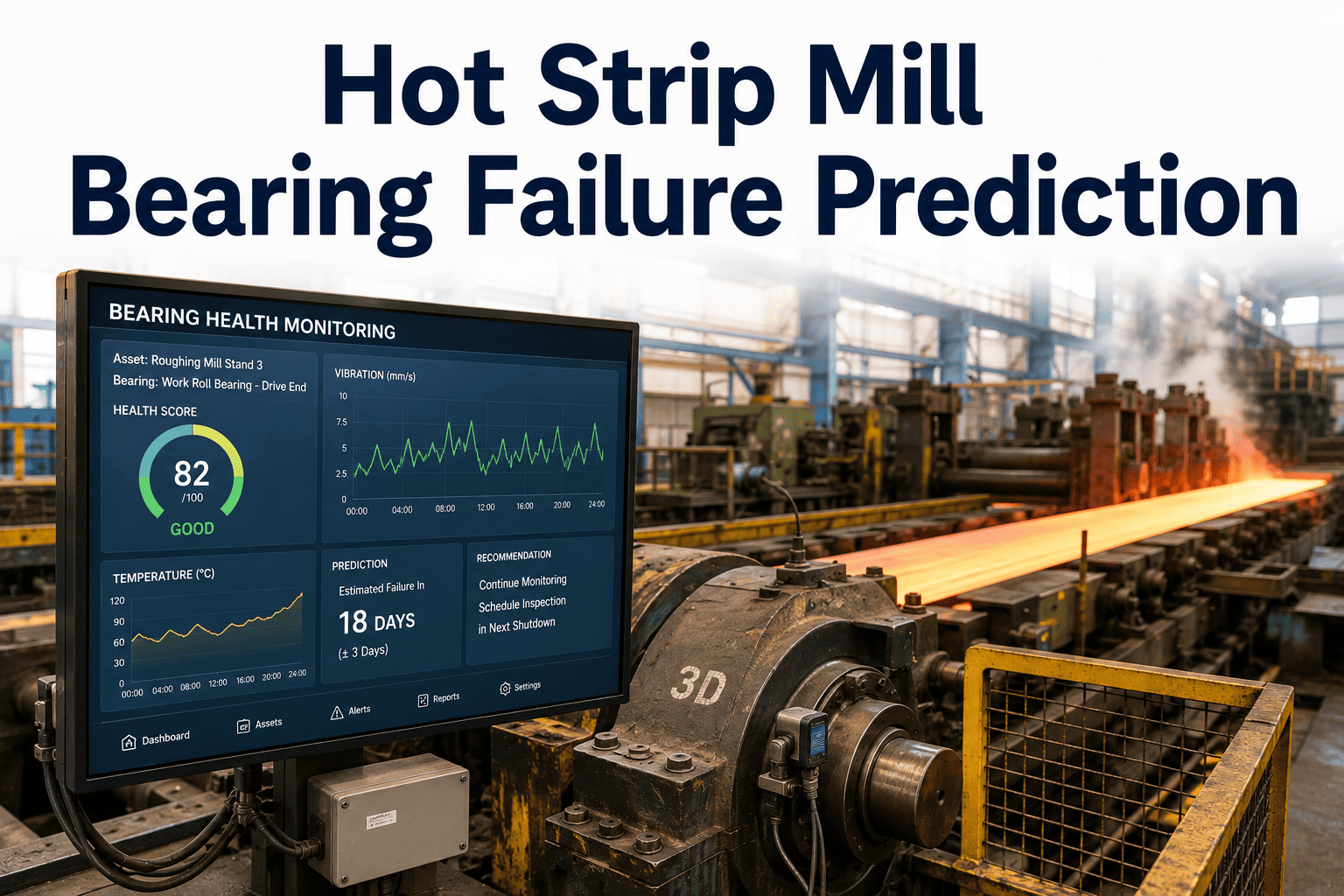
A conveyor bearing rarely fails without a warning signature; vibration amplitude rises, temperature climbs slightly, and if the sensor is listening closely enough, the acoustic signature of the bearing changes well before the failure actually happens. The problem is that most conveyor bearings are not listened to closely at all, left to a fixed inspection interval that checks the bearing once a month regardless of what it has been doing the other twenty-nine days. Reading vibration, temperature, and acoustic emission continuously turns that monthly guess into a genuine early warning. See bearing failure prediction running on your own conveyor fleet.
Hear the Bearing Failing Before It Fails
iFactory AI reads vibration signatures, temperature trends, and acoustic emission to flag conveyor bearing failure 30 to 90 days before it happens.
A Monthly Check Misses Most of the Warning Window
A bearing on a fixed monthly inspection schedule is checked on day one and day thirty, and almost everything that matters happens in between, which means a bearing that starts degrading on day three has already been failing for nearly four weeks by the time anyone actually looks at it again, and that gap is exactly where continuous monitoring earns its value.
Vibration Signature
Amplitude and frequency pattern changes that precede mechanical bearing wear.
Temperature Trend
Gradual temperature rise reflecting increasing friction as the bearing degrades.
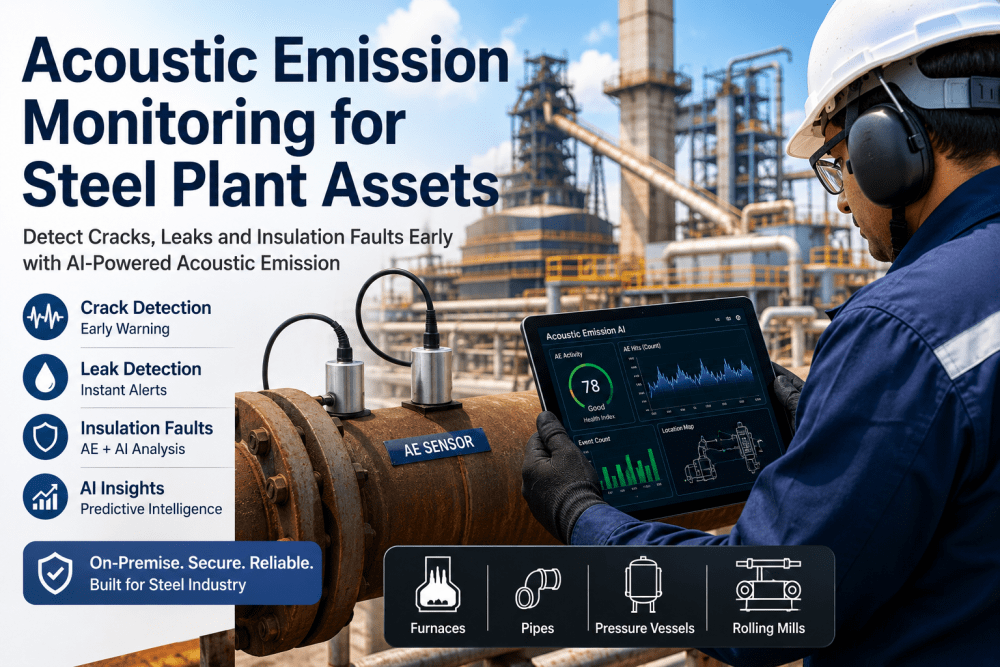
Acoustic Emission
High-frequency sound signature often the earliest detectable sign of bearing distress.
Catch Bearing Failure 30-90 Days Out
Book a 30-minute session and see bearing failure prediction running against your own conveyor fleet's vibration and temperature data.
How the Warning Window Progresses
Bearing degradation moves through recognizable stages, and each signal becomes detectable at a different point in that progression.
| Stage | Typical Lead Time | Primary Signal |
|---|---|---|
| Early degradation | 60-90 days before failure | Acoustic emission pattern shift |
| Developing wear | 30-60 days before failure | Vibration amplitude trending upward |
| Advanced wear | 7-30 days before failure | Temperature rise alongside vibration |
| Imminent failure | Under 7 days | All three signals elevated together |
From Signal to Work Order
The prediction pipeline runs continuously, turning raw sensor data into a scheduled maintenance action well ahead of failure.
Rolling Out Across the Conveyor Fleet
iFactory AI connects to existing bearing sensors where installed and supports retrofit sensor kits for conveyors currently monitored only on a fixed schedule.
Expert Review
Acoustic emission is the signal most conveyor monitoring programs skip entirely, usually because it requires a more specialized sensor than vibration alone, but it is also frequently the earliest indicator available, which makes it worth the added sensor cost on any bearing where downtime is genuinely expensive.
Frequently Asked Questions
Do all three signals need to be present to get a prediction?
No, vibration and temperature alone already provide useful prediction; acoustic emission adds an earlier warning stage where that sensor type is available. Support can confirm what sensors your conveyors currently have.
How accurate is the 30-90 day estimate?
The window narrows as more signal data accumulates closer to failure, so an early flag carries a wider estimate that becomes more precise as the bearing progresses through the degradation stages.
Can this distinguish a real bearing fault from a sensor issue?
Yes, the model checks for signal patterns consistent with known degradation signatures rather than flagging any anomalous reading, reducing false positives from sensor noise. See false-positive handling on a call.
Does this work on bearings from different manufacturers?
Yes, baselines are established per bearing based on its own operating history, so the model adapts to different bearing types and manufacturers rather than assuming one standard signature.
What happens when a bearing is flagged at imminent failure?
An imminent-failure flag triggers an urgent work order with the highest priority, distinct from the standard scheduled maintenance generated by earlier-stage flags. Ask support how urgent flags are escalated.
Give Your Team a Real Warning Window
iFactory AI predicts conveyor bearing failure 30 to 90 days out using vibration, temperature, and acoustic emission. Book a demo on your own fleet.