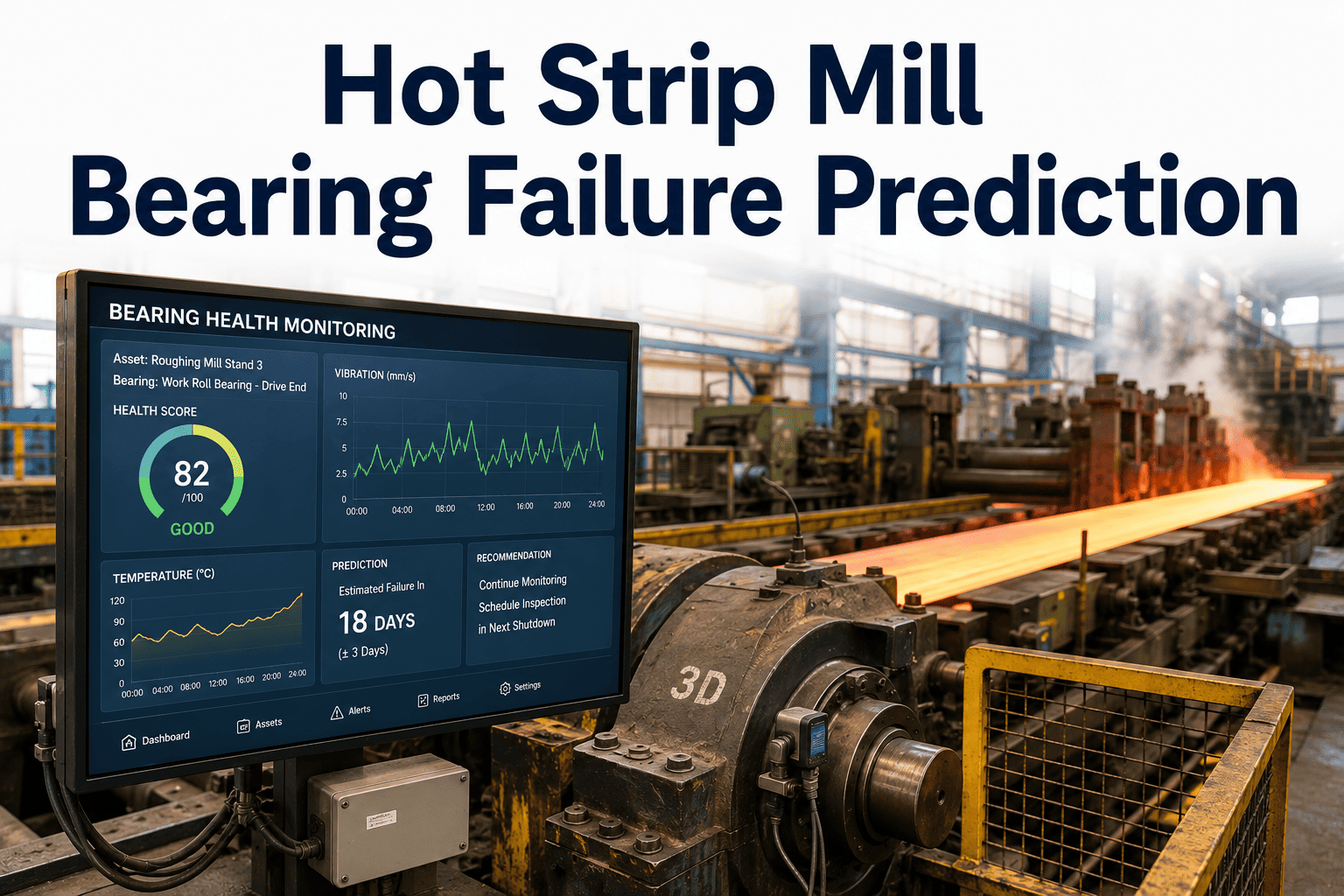
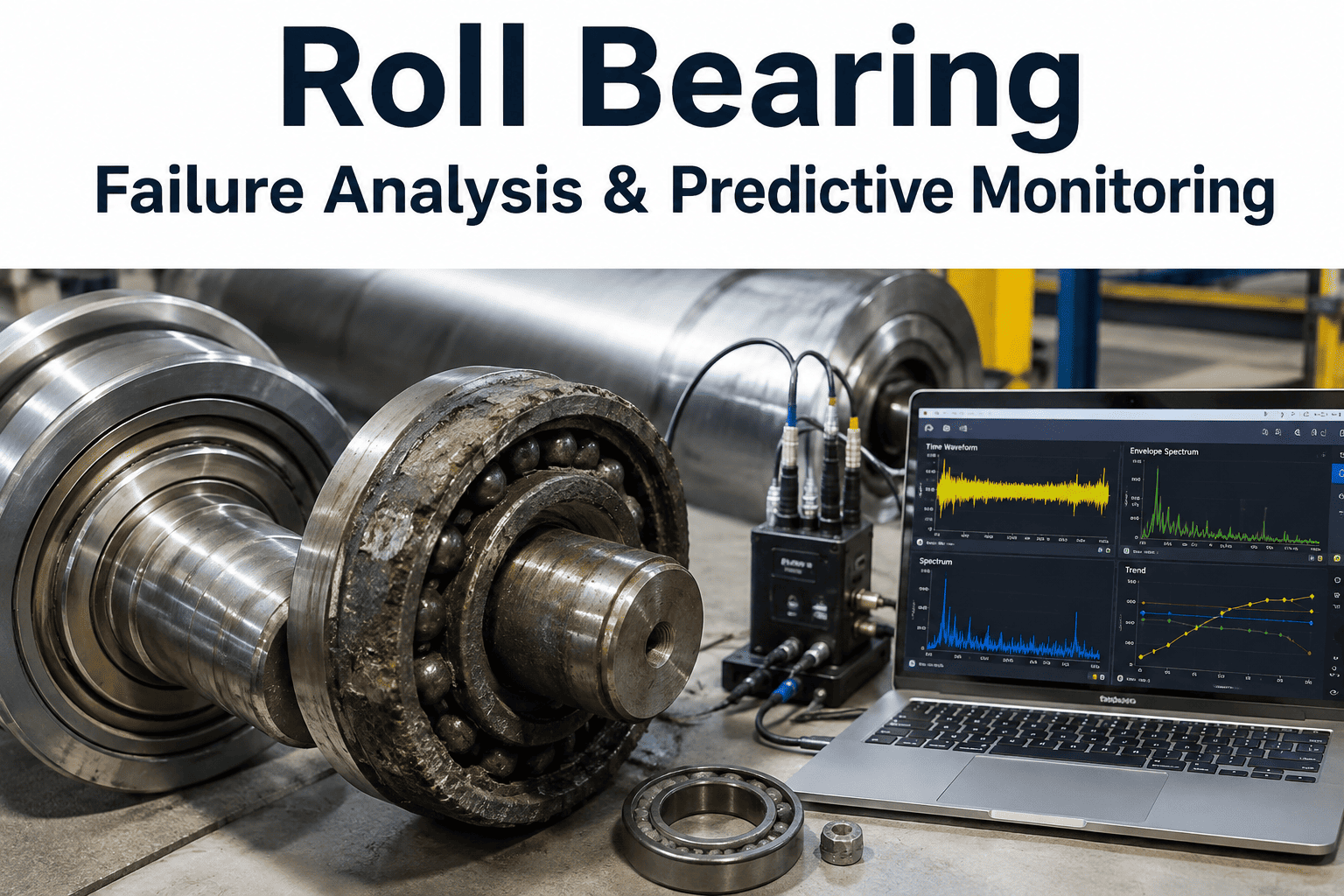
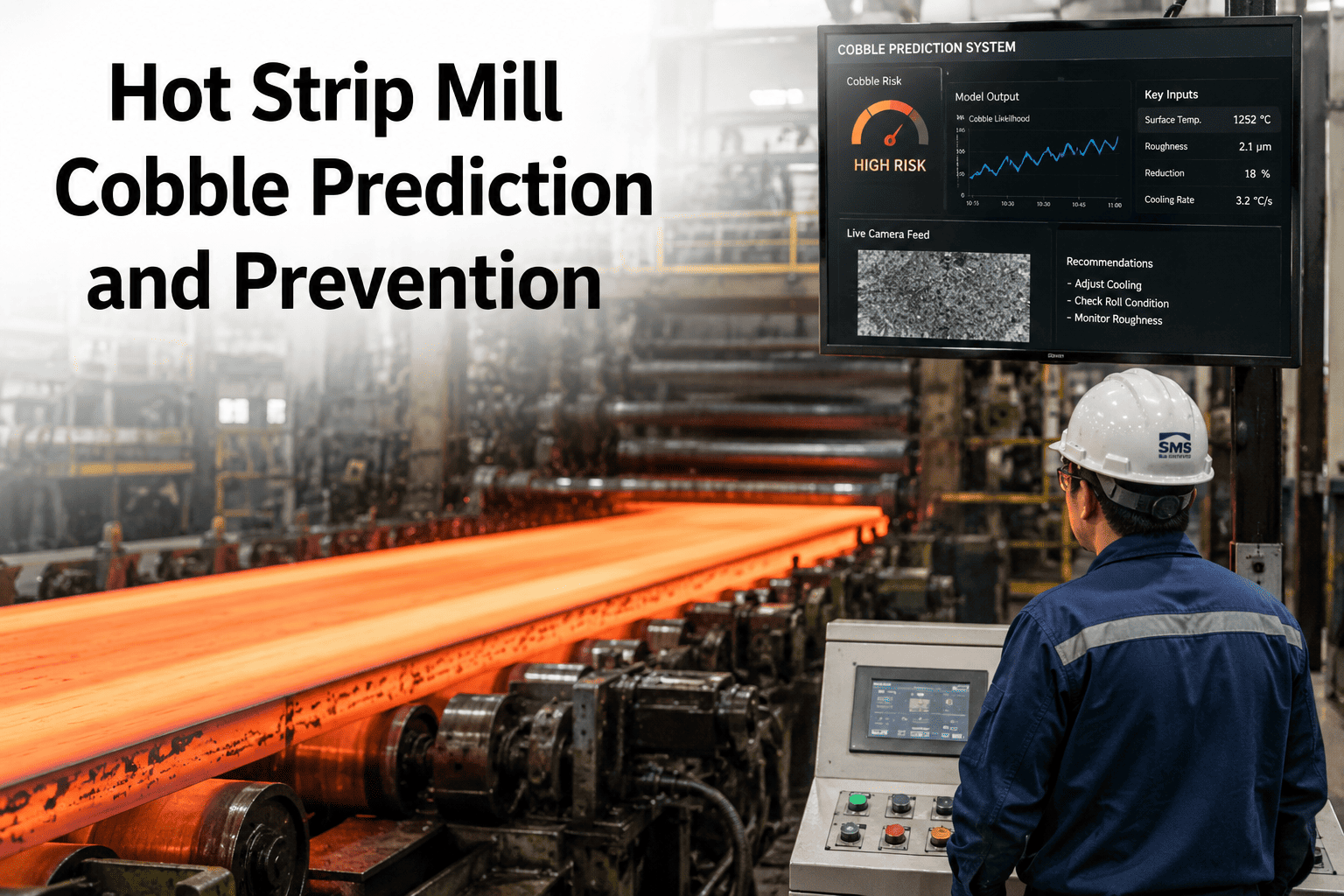
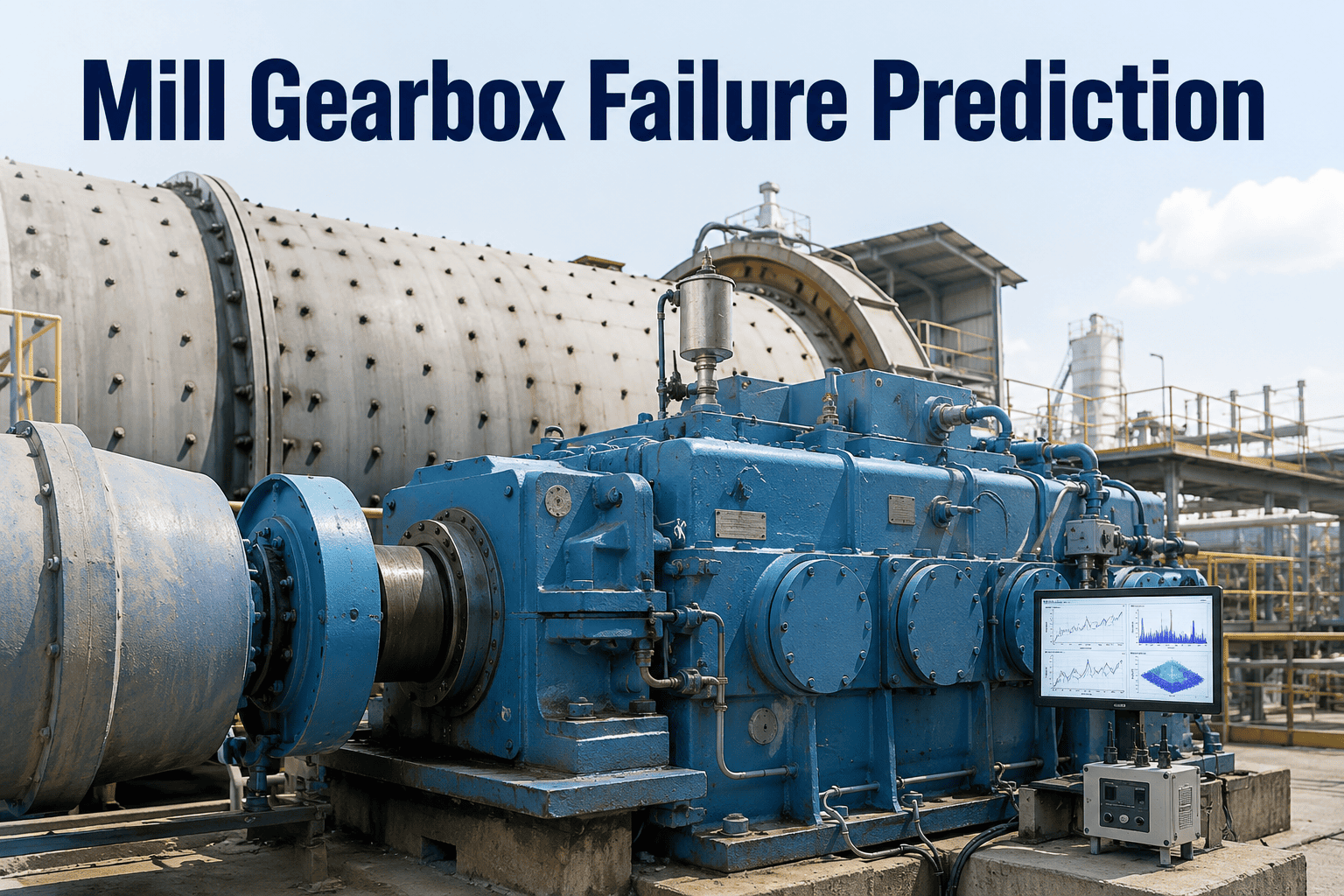
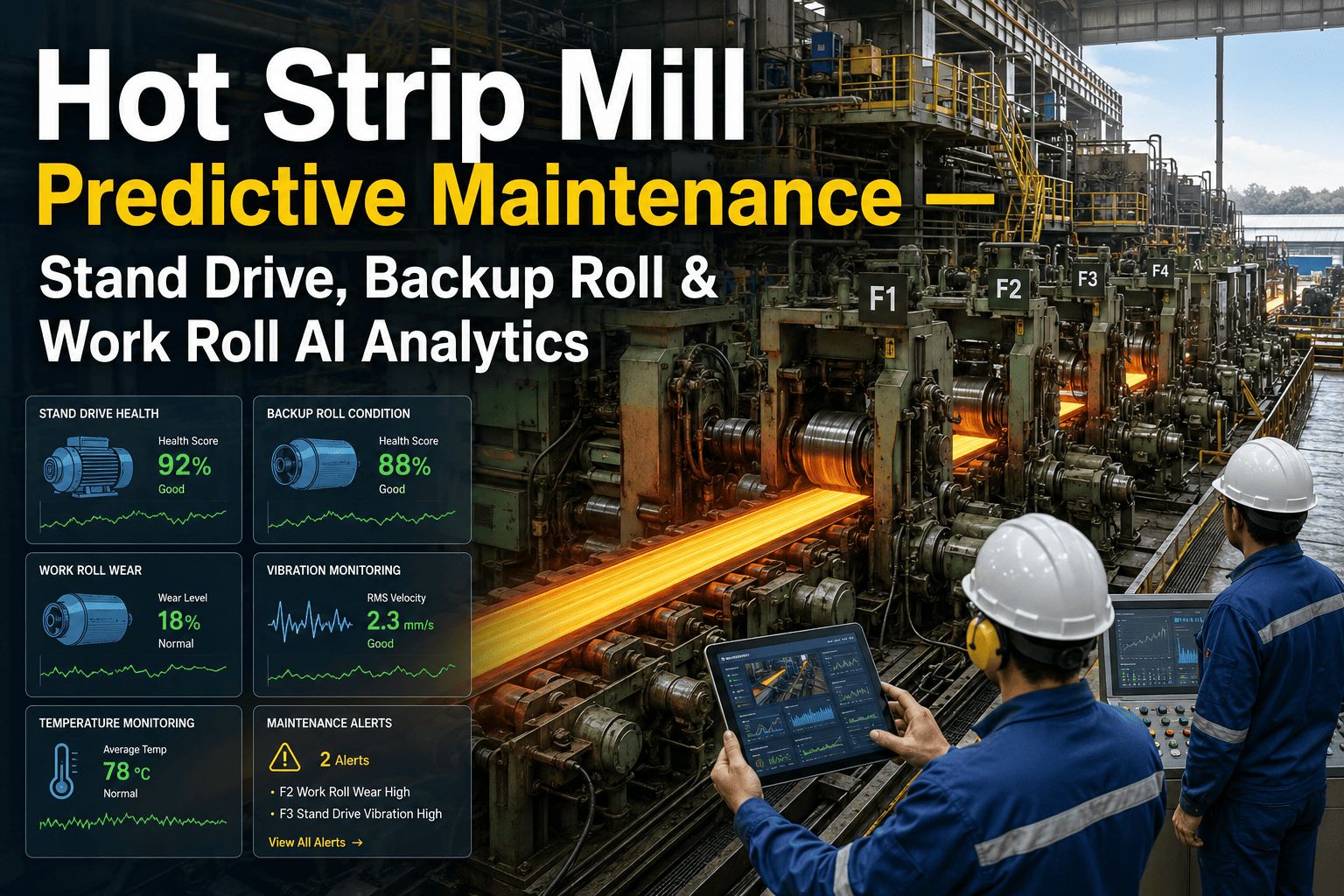
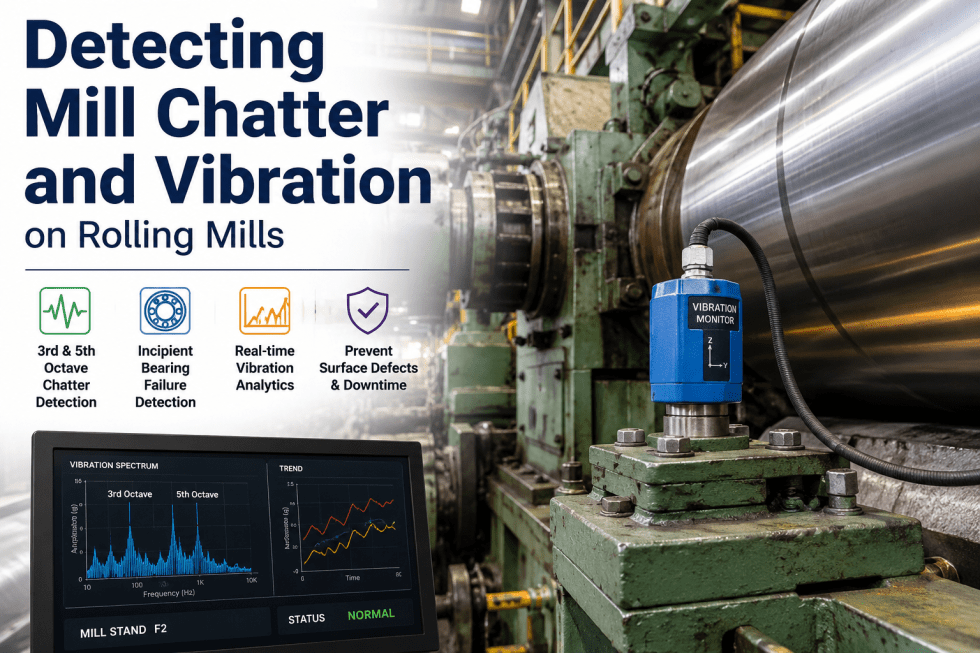
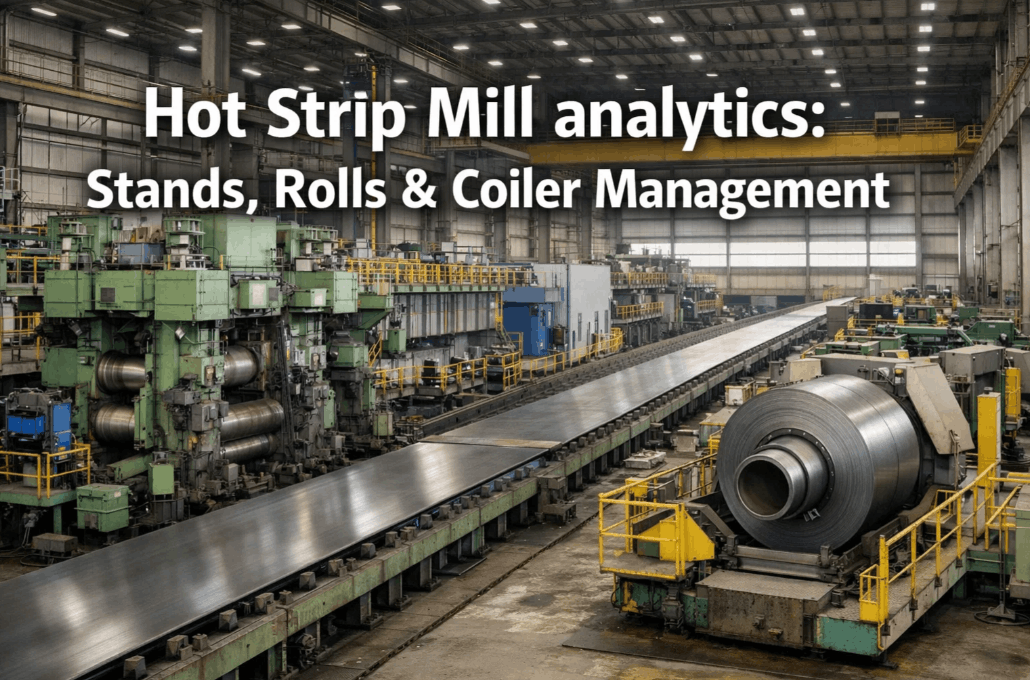
A hot strip mill runs steel through finishing stands at speeds exceeding 1,000 meters per minute, holding tolerances as tight as ±0.02mm while every bearing absorbs extreme mechanical load and thermal stress. When one of those bearings fails without warning, the mill doesn't slow down — it stops, and a single unplanned stand failure can halt production for 8 to 72 hours at $6,000 to $12,000 an hour in lost output. The frustrating part is that bearings rarely fail suddenly. They announce it weeks in advance through vibration signatures and temperature drift that traditional inspection routes are simply too infrequent to catch. AI-based vibration and thermal monitoring closes that gap, and you can review how the detection models work before deciding where to deploy it first.
Rolling Mill Reliability
Your Bearing Announced Its Failure Weeks Ago. Did Anyone Hear It?
AI-driven vibration and oil analysis catches bearing degradation 3-8 weeks before failure — turning an 18-hour emergency strip-down into a 6-hour planned roll change.
Planned Replacement vs. Emergency Failure
| Scenario | Downtime | Cost |
|---|
| Planned bearing swap (AI-scheduled) | 6 hours during a planned stop | $8,000-$28,000 |
| Emergency strip-down | 12-36 hours | $400,000-$1.5M+ |
| Cascading drive motor failure | Up to 9 days | $14M+ including lost production |
The Signals AI Reads Before the Bearing Ever Squeals
BPFO / BPFI Frequencies
Outer and inner race defect frequencies are tracked continuously in the vibration spectrum, revealing spalling and pitting long before overall vibration crosses a fixed alarm threshold.
Temperature Rate-of-Rise
A bearing housing that climbs 0.3°C per week while staying within normal limits is still flagged — the rate of change predicts lubrication starvation weeks before an absolute threshold would.
Housing-to-Oil Temperature Delta
A widening gap between bearing housing and oil return temperature at constant load often signals rising friction 3-4 weeks ahead of any defect frequency showing up.
Load-Normalized Vibration
Rolling mill drives experience constant load variation, so raw thresholds trigger false alarms — AI models normalize for load to separate genuine defects from normal operating swings.
Stop Losing $640,000 Bearing Positions to Silence
iFactory connects continuous vibration, temperature, and oil analysis to your work order system — so every developing defect becomes a scheduled roll change instead of a 2 AM emergency call.
From First Vibration to Work Order: The Detection Path
1
Asset Criticality Ranking
The highest-risk bearing positions — typically finishing stand backup rolls and main drive motors — are identified and prioritized first.
2
Continuous Sensing
Vibration, temperature, and oil condition stream in at second-level intervals rather than relying on periodic handheld probe checks.
3
Model Baselining
The AI learns each bearing's normal operating signature across load and speed variation over several months of production.
4
Automated Work Orders
Once degradation crosses a validated threshold, a prioritized work order is generated automatically, aligned to your next planned maintenance window.
What Mills Are Recovering
3-8 wks
Advance warning before catastrophic bearing failure
85-96%
Diagnostic confidence combining vibration and oil trending
10:1
Typical ROI on mature predictive maintenance programs
$2-5M
Annual savings for a plant spending $20M on maintenance
Frequently Asked Questions
How far in advance can AI actually predict a bearing failure?
Documented deployments show AI detecting developing bearing defects anywhere from 3 to 8 weeks before functional failure, depending on the failure mode and how well the model has been baselined against that specific bearing's normal operating signature. Outer race spalling, for example, tends to show exponential growth in its defect frequency amplitude over 30 to 45 days, giving ample time to schedule a planned replacement instead of reacting to an emergency stop.
Why do threshold-only vibration alarms miss failures that AI catches?
Fixed thresholds only trigger once overall vibration crosses a set limit, but many failure modes progress gradually within what still looks like a "normal" band on a simple gauge. Rate-of-rise tracking, load-normalized models, and the relationship between multiple signals — like the delta between bearing housing and oil return temperature — reveal degradation weeks before an absolute threshold would ever fire. This is why AI models built specifically for rolling mill dynamics outperform generic vibration alarms.
Do we need to install new sensors on every bearing in the mill?
No — most programs start with an asset criticality ranking that identifies the 10 to 15 highest-risk bearing positions, typically on finishing stand backup rolls and main drive motors, and instrument those first. Sensor budgets typically range from $500 to $5,000 per monitored asset, and coverage expands over time as the program proves value. You can review a phased rollout approach through
our support resources.
How long before the AI model is reliable enough to trust for scheduling?
Most programs allow 3 to 6 months for the model to learn each asset's baseline behavior across normal load and speed variation, running alongside existing maintenance practices during that period rather than replacing them outright. After baselining, the system typically achieves 85 to 96% diagnostic confidence by combining vibration and oil analysis trends rather than relying on either signal alone.
What's the realistic payback period for this kind of program?
Industry data points to roughly a 10:1 return on investment for mature predictive maintenance programs, with a plant spending $20 million annually on maintenance typically saving $2 to $5 million a year once the program matures. Given that a single avoided emergency strip-down can save several hundred thousand dollars compared to a planned change, many programs pay for the initial sensor investment within the first few caught failures.
Book a reliability assessment to size this for your specific mill.
The Next Bearing Failure Is Already Announcing Itself
See how iFactory turns vibration, temperature, and oil data into scheduled work orders — so your finishing stands stay running through planned maintenance, not emergency shutdowns.