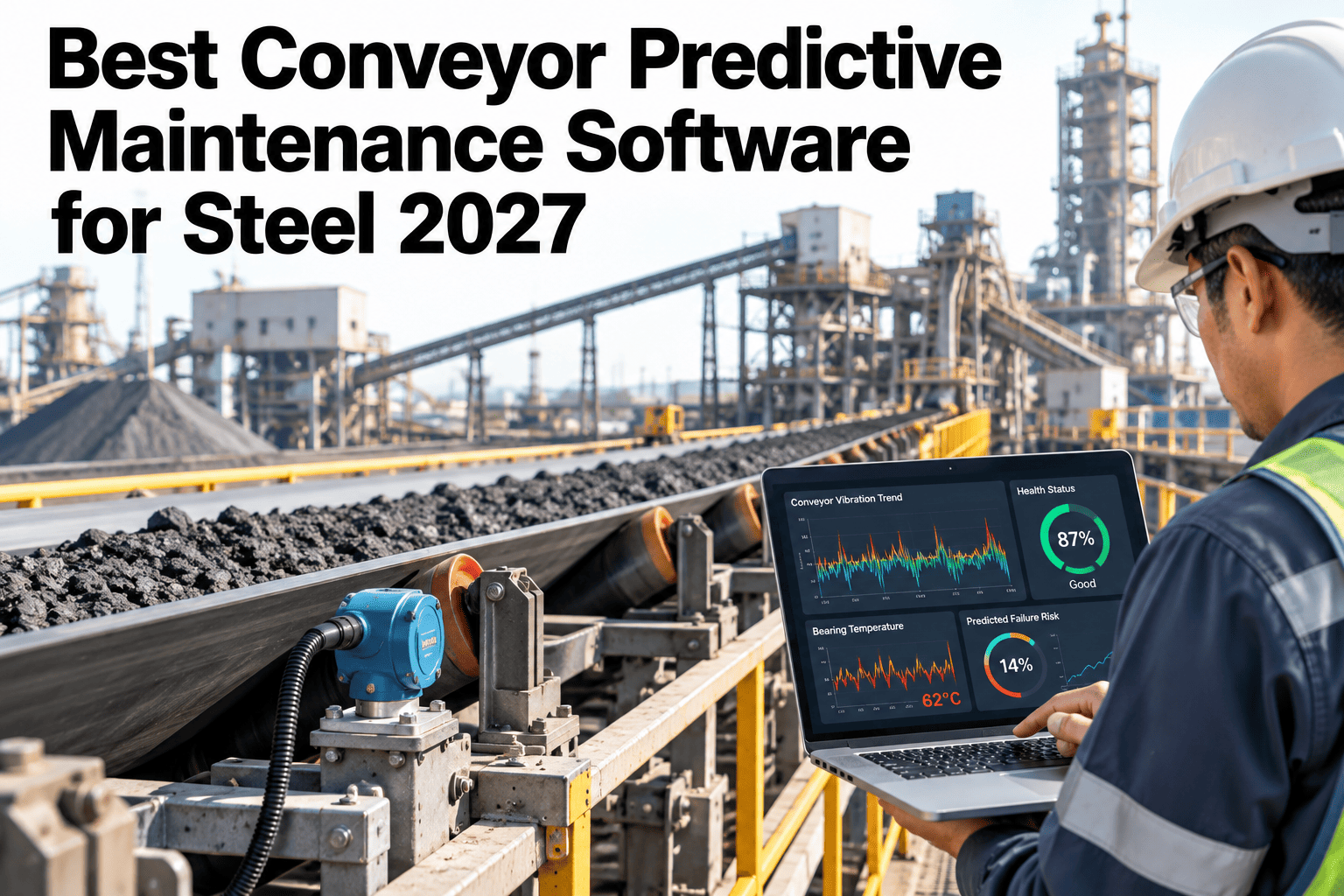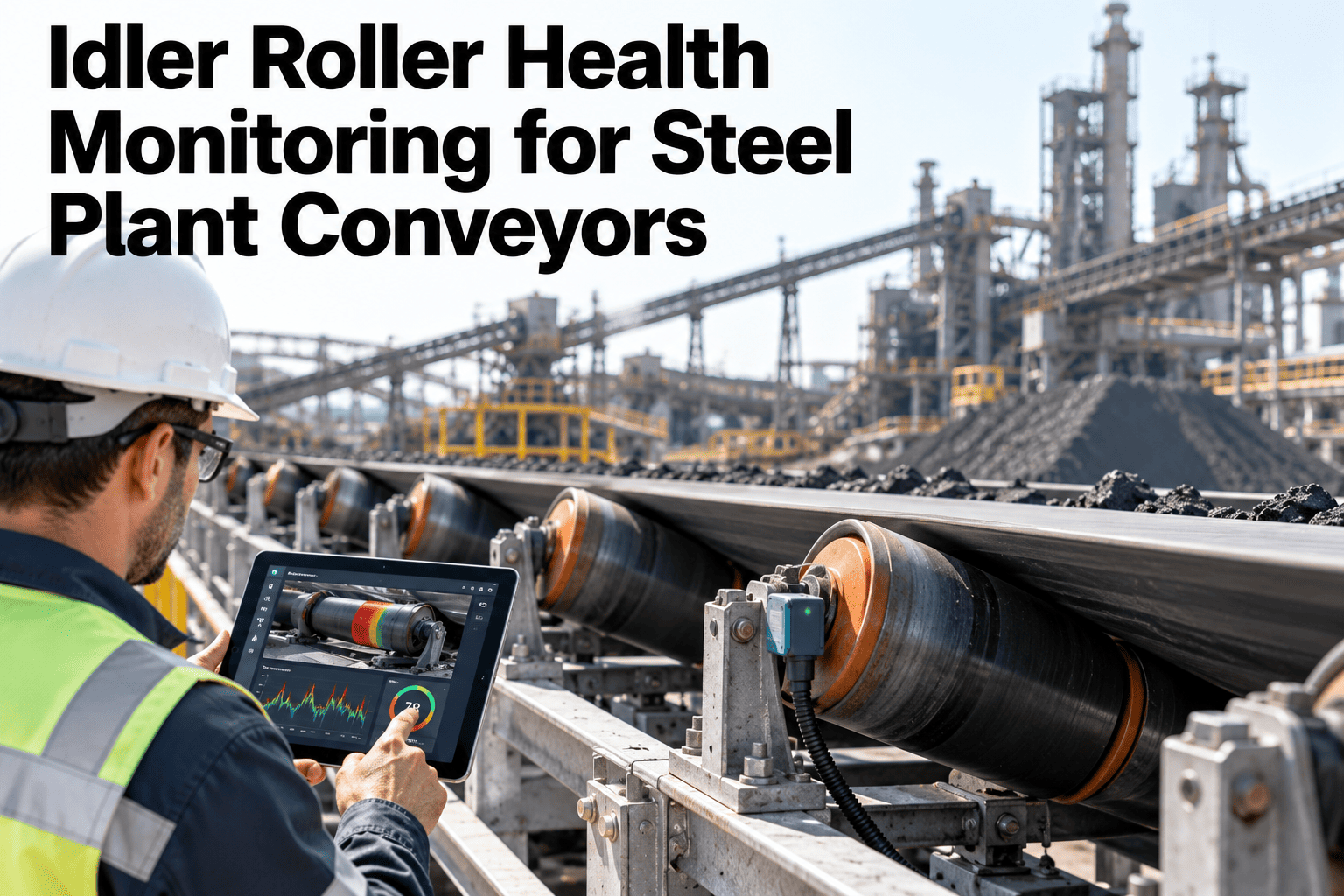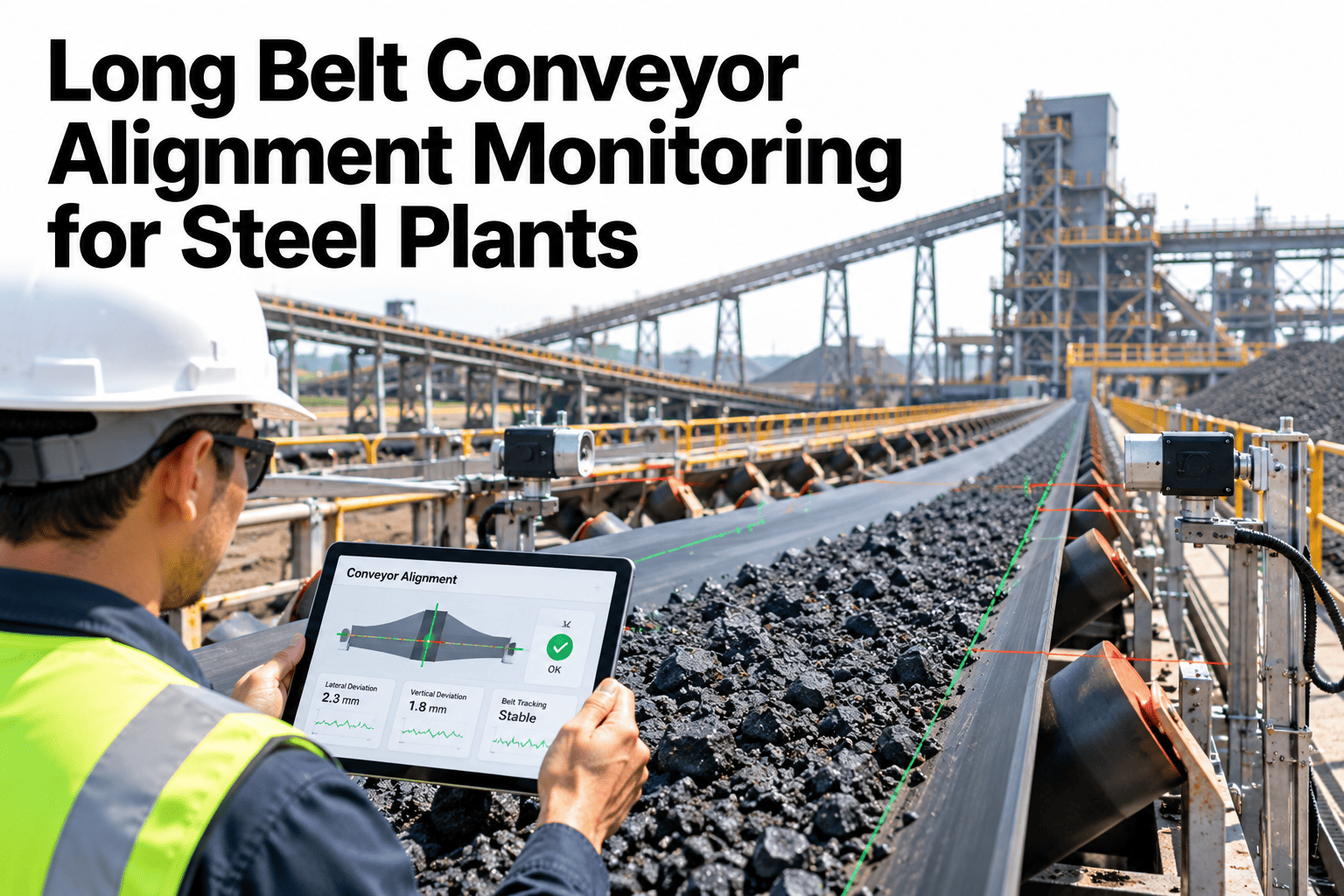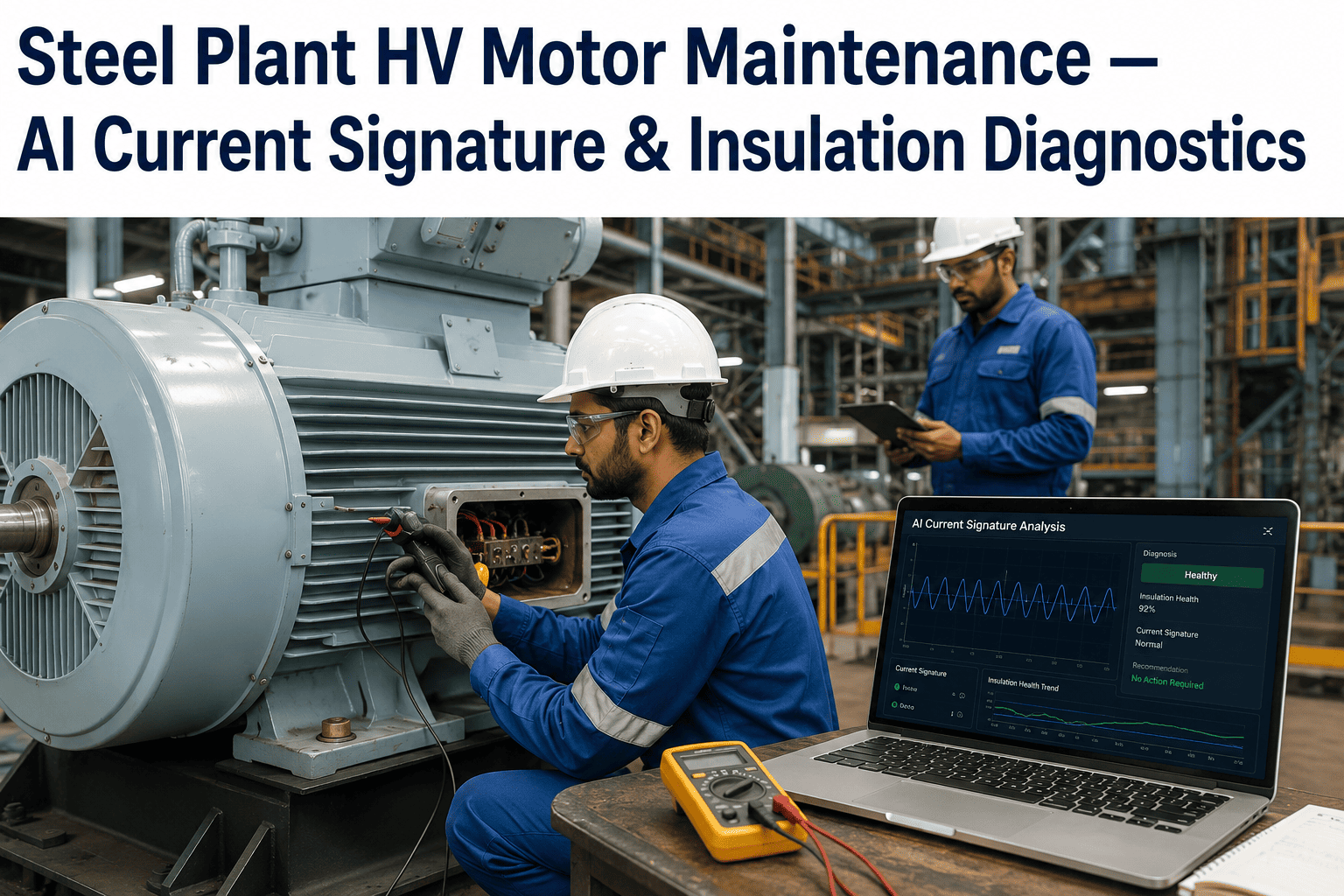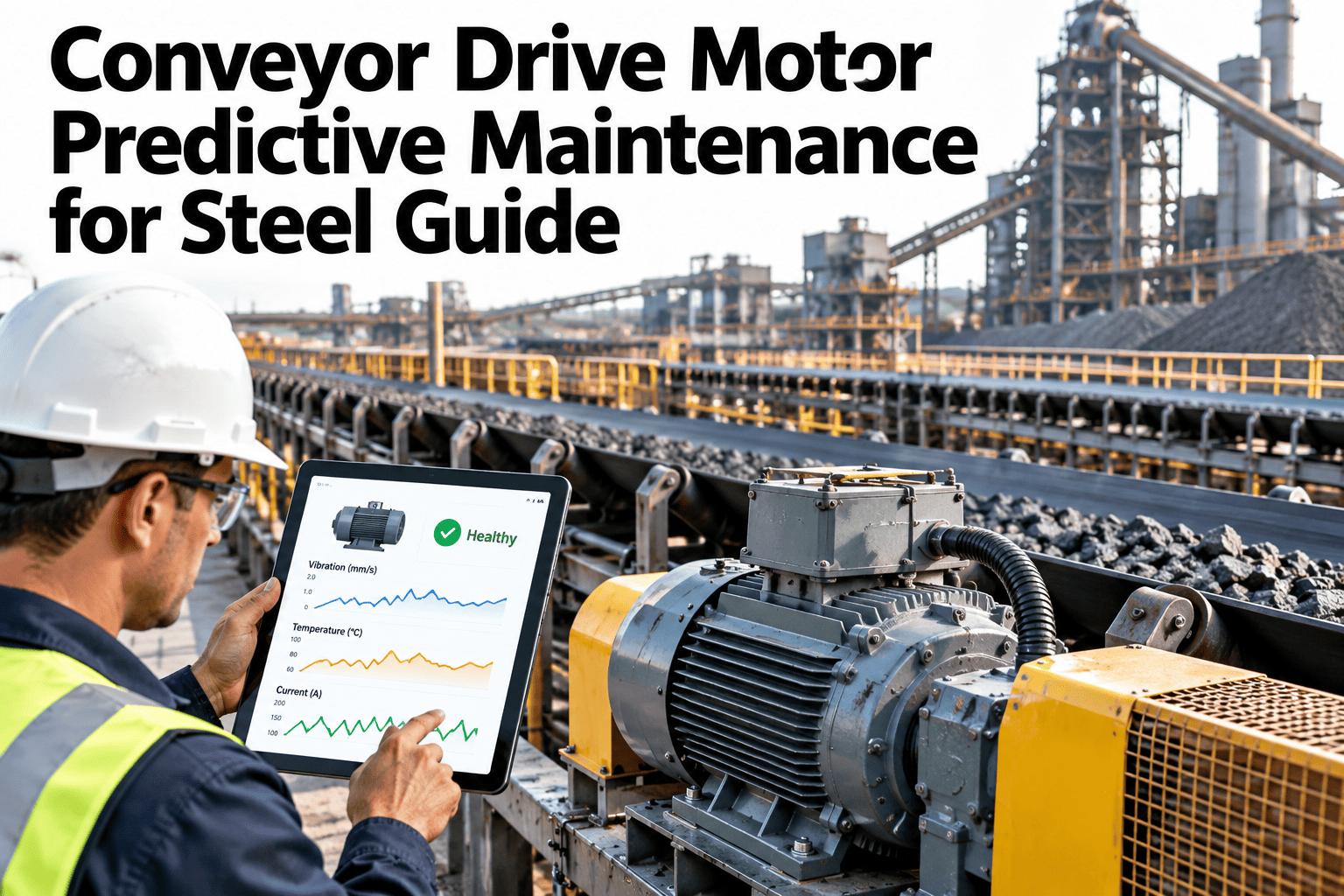
A conveyor drive motor rarely fails in isolation from a plant's perspective, it fails as a network problem, since one motor going down on a shared raw material line can stall every conveyor segment feeding from it. Current signature analysis, thermal profiling, and torque monitoring each catch a different category of motor fault, and used together they surface problems well before a motor trips offline and takes a whole conveyor network down with it. Reading all three in combination gives a maintenance team a much fuller picture than any one signal alone. See drive motor fault detection running across your own conveyor network.
Catch a Motor Fault Before It Stalls the Network
iFactory AI combines current signature analysis, thermal profiling, and torque monitoring to surface conveyor drive motor faults across your plant.
One Motor, Many Conveyors Depending on It
A single drive motor failure rarely stays contained to the one conveyor segment it powers, because raw material handling networks are built as interconnected systems, which means a motor fault that seemed like a routine maintenance item can cascade into a plant-wide material flow disruption within minutes of actually tripping offline.
Current Signature Analysis
Electrical signature changes revealing winding, rotor, or load-related faults.
Thermal Profiling
Temperature patterns across the motor housing flagging developing overheating risk.
Torque Monitoring
Torque demand trends revealing mechanical strain before a motor is overloaded.
Monitor Your Own Drive Motor Network
Book a 30-minute session and see current signature, thermal, and torque monitoring running on your own conveyor drive motors.
What Each Signal Catches
The three signals overlap in places but each one catches fault types the others tend to miss.
| Signal | Fault Types Caught | Often Misses |
|---|---|---|
| Current signature | Winding faults, rotor bar issues, electrical imbalance | Purely mechanical or thermal issues with no electrical signature |
| Thermal profiling | Overheating, ventilation blockage, bearing friction heat | Early-stage electrical faults with no thermal impact yet |
| Torque monitoring | Mechanical overload, coupling issues, belt tension problems | Electrical faults that do not yet affect torque demand |
From Combined Signal to Work Order
Reading all three signals together, rather than any one in isolation, is what produces a reliable early warning.
Rolling Out Across the Drive Network
iFactory AI connects to existing motor control centers and drive systems, pulling current, thermal, and torque data without new wiring in most cases.
Expert Review
Current signature analysis alone catches most electrical faults, but the motors that actually cause network-wide stoppages are more often mechanical, which is why plants that monitor current alone tend to be surprised by exactly the failures the thermal and torque signals would have caught weeks earlier.
Frequently Asked Questions
Does this require new wiring at the motor control center?
Most motor control centers already carry the current and thermal data needed, so connection typically does not require new wiring, though torque monitoring may need an additional sensor on some setups. Support can confirm what your setup needs.
Can this detect a fault from just one of the three signals?
Yes, a strong enough signal from any single source can still trigger a flag; the combined approach primarily improves confidence and reduces false positives rather than requiring all three to agree.
How is a motor's baseline established?
Baselines are built from an initial monitoring period under the motor's own normal operating conditions, so detection reflects that specific motor's signature rather than a generic model. See baseline establishment on a call.
Does this work on motors from different manufacturers?
Yes, detection is calibrated per motor based on its own operating data, so motors from different manufacturers and ratings are each handled on their own terms.
Can flagged faults generate work orders automatically?
Yes, flagged faults can route directly into your existing CMMS as a work order with the specific fault type and supporting signal data attached. Ask support about CMMS integration.
Keep Your Drive Network Running
iFactory AI combines current, thermal, and torque signals to catch conveyor motor faults before they stall your network. Book a demo on your own motors.