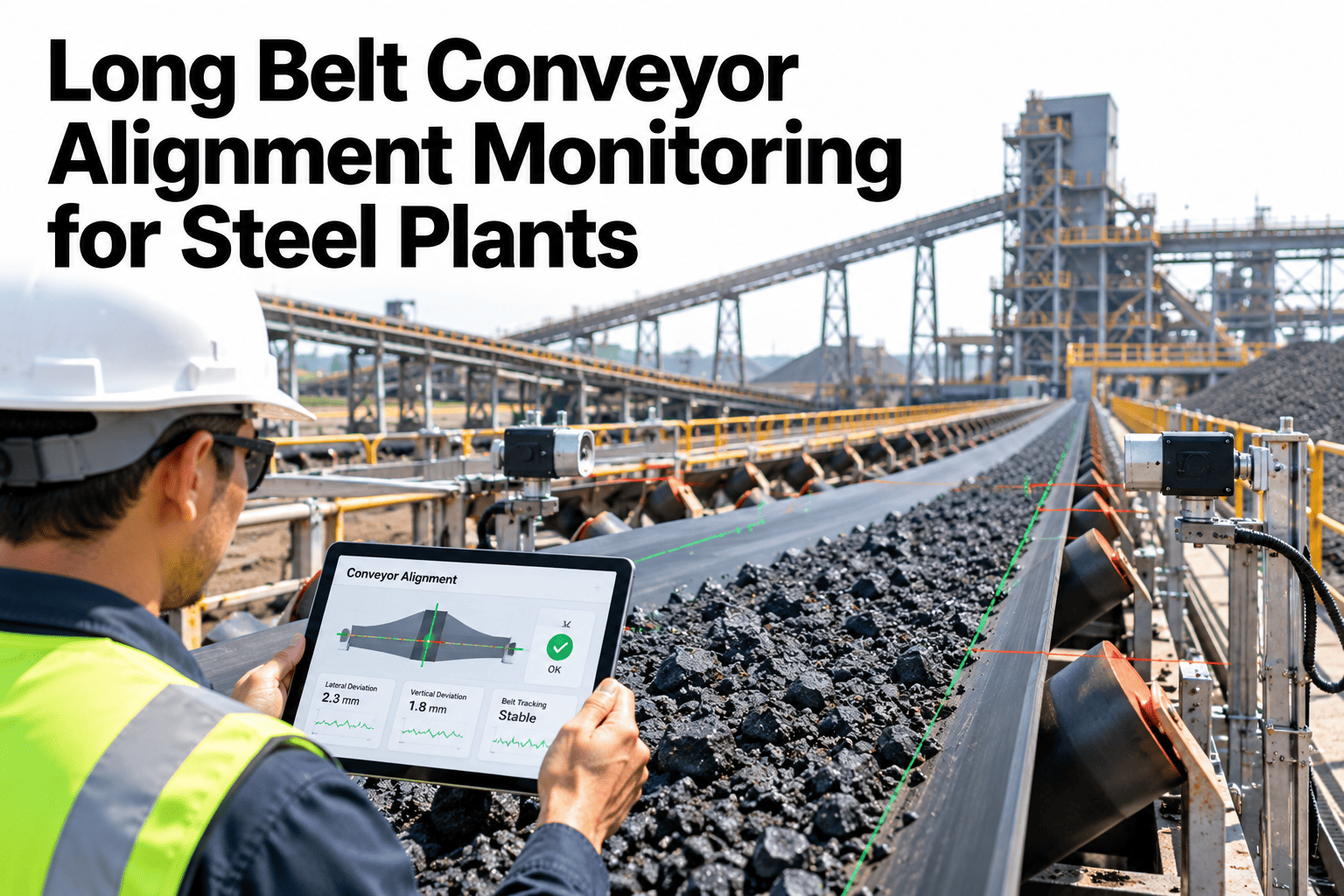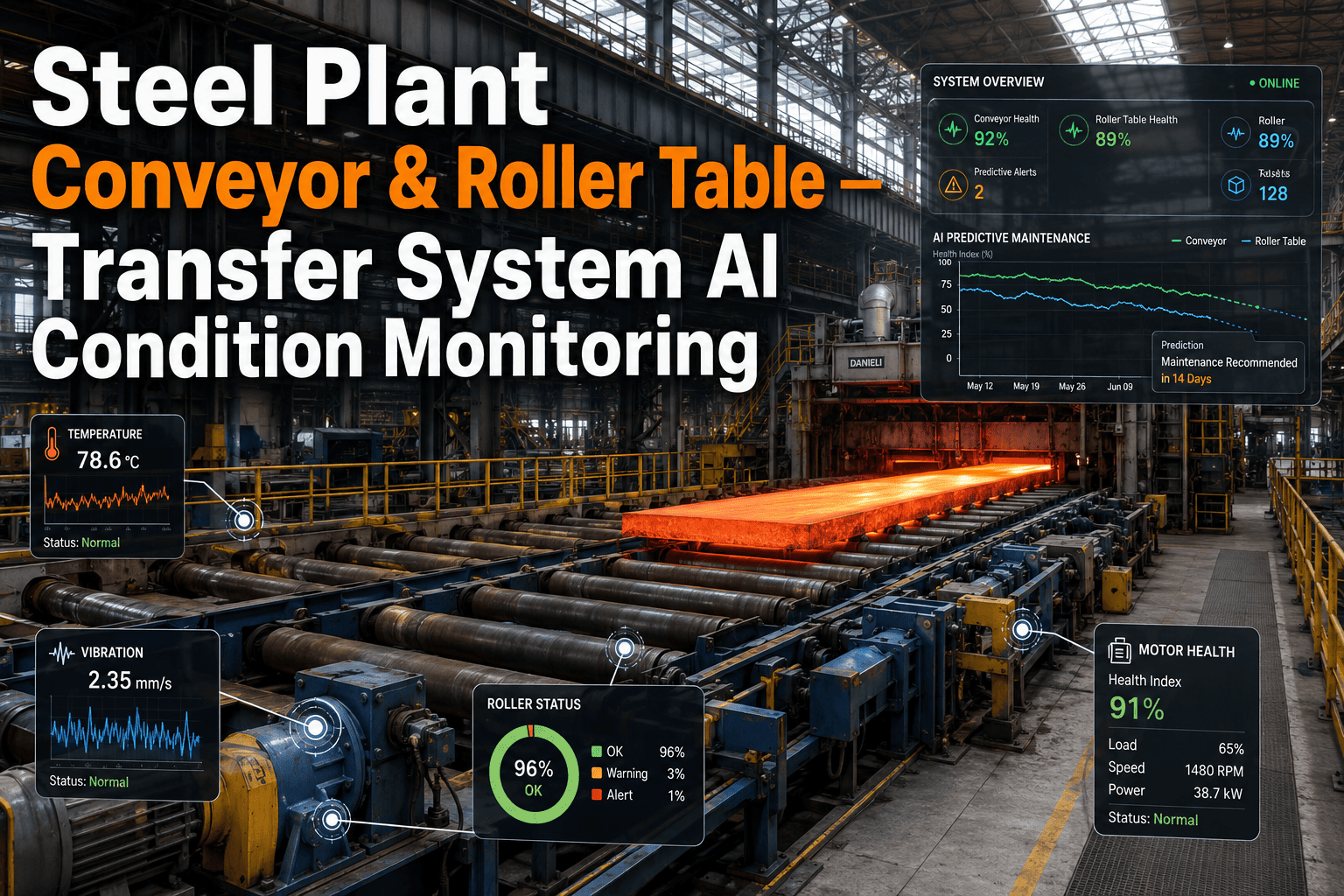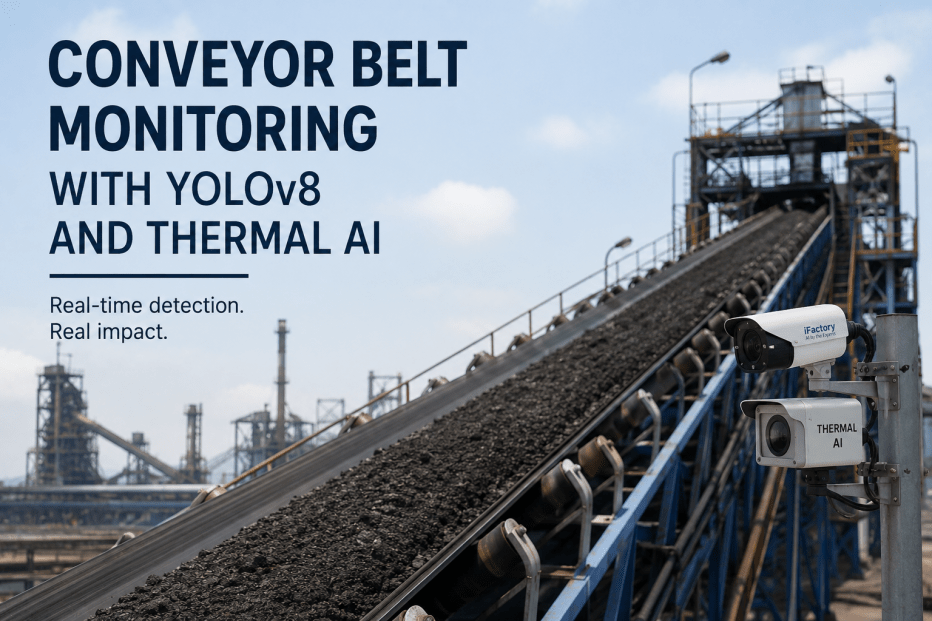
A single long conveyor can carry hundreds of idler rollers, and checking them by hand means a technician walking the entire length with a listening stick or a handheld thermal camera, once a week, hoping to catch a failing roller before it seizes and starts dragging against the belt. That walk is real labor spent every single week on equipment that, individually, is one of the cheapest components on the whole conveyor, and a seized idler is usually caught either by luck during that walk or by the belt damage it eventually causes. Acoustic detection and automated thermal imaging replace the walk with something that actually runs continuously. See idler roller monitoring running on your own long conveyors.
End the Weekly Idler Walk
iFactory AI monitors idler roller health through acoustic detection and thermal imaging patrols, eliminating the weekly manual walk without losing coverage.
Hundreds of Rollers, One Weekly Walk
A long conveyor's idler rollers are individually inexpensive and mechanically simple, which is exactly why they end up monitored the way they are: a technician walking the full length on a fixed schedule, listening for a bearing starting to grind, checking the ones that look obviously worn, and hoping the one roller quietly seizing between visits does not do enough damage before the next walk catches it.
Two Detection Methods, Full Coverage
Acoustic and thermal detection catch different stages of idler failure, and together they cover the full conveyor length without a technician walking it.
Acoustic Detection
Fixed microphones listen continuously for the sound signature of a failing idler bearing.
Thermal Drone Patrols
Scheduled drone flights capture thermal images of every roller along the conveyor.
Vibration Walks
Periodic sensor-based walks supplement fixed coverage on the longest conveyor runs.
Monitor Your Own Idler Fleet
Book a 30-minute session and see acoustic and thermal idler monitoring running on your own long conveyors.
From Detection to Replacement
A flagged idler moves through a consistent process rather than waiting for the next scheduled walk to be confirmed.
Labor Hours Reclaimed
What the weekly walk cost, compared against the monitoring approach, across a typical month.
| Activity | Manual Walk | With Monitoring |
|---|---|---|
| Weekly full-length inspection | 4-6 hours per conveyor | Not required |
| Locating a flagged fault | Re-walk to confirm and locate | Exact position provided automatically |
| Coverage between walks | None, gap until next scheduled check | Continuous, no coverage gap |
Rolling Out Across Long Conveyors
iFactory AI deploys acoustic sensors and schedules drone patrols tailored to each conveyor's length and layout.
Expert Review
The labor saved is real but almost secondary to the coverage gap it closes, since the weekly walk only ever catches a roller mid-week if it happens to fail loudly enough during the one pass the technician makes, while continuous acoustic coverage catches it the moment the sound signature changes, regardless of when that happens.
Frequently Asked Questions
How many acoustic sensors does one conveyor need?
Sensor spacing depends on the conveyor's length and ambient noise environment, and is calculated during setup to ensure full coverage along the roller run. Support can scope sensor spacing for your conveyors.
Do drone patrols require a licensed pilot on site?
Patrol routes are typically automated and scheduled, with oversight requirements depending on local regulations, which your rollout team will confirm as part of setup.
Can this detect a problem other than bearing failure?
Yes, thermal imaging also catches misalignment and belt-contact friction, not just bearing-specific heat signatures, giving broader coverage than acoustic detection alone. See the range of detected issues on a call.
Is the weekly walk eliminated entirely or just reduced?
Most plants phase out the routine full-length walk entirely once coverage is validated, though periodic spot checks may still be kept for the longest or highest-risk conveyor runs.
How precisely is a failing roller's location reported?
Each roller is mapped to a specific position along the conveyor during setup, so a flagged fault reports an exact location rather than a general section. Ask support how roller mapping works.
Replace the Walk With Continuous Coverage
iFactory AI monitors idler rollers through acoustic detection and thermal drone patrols. Book a demo to see it on your own long conveyors.