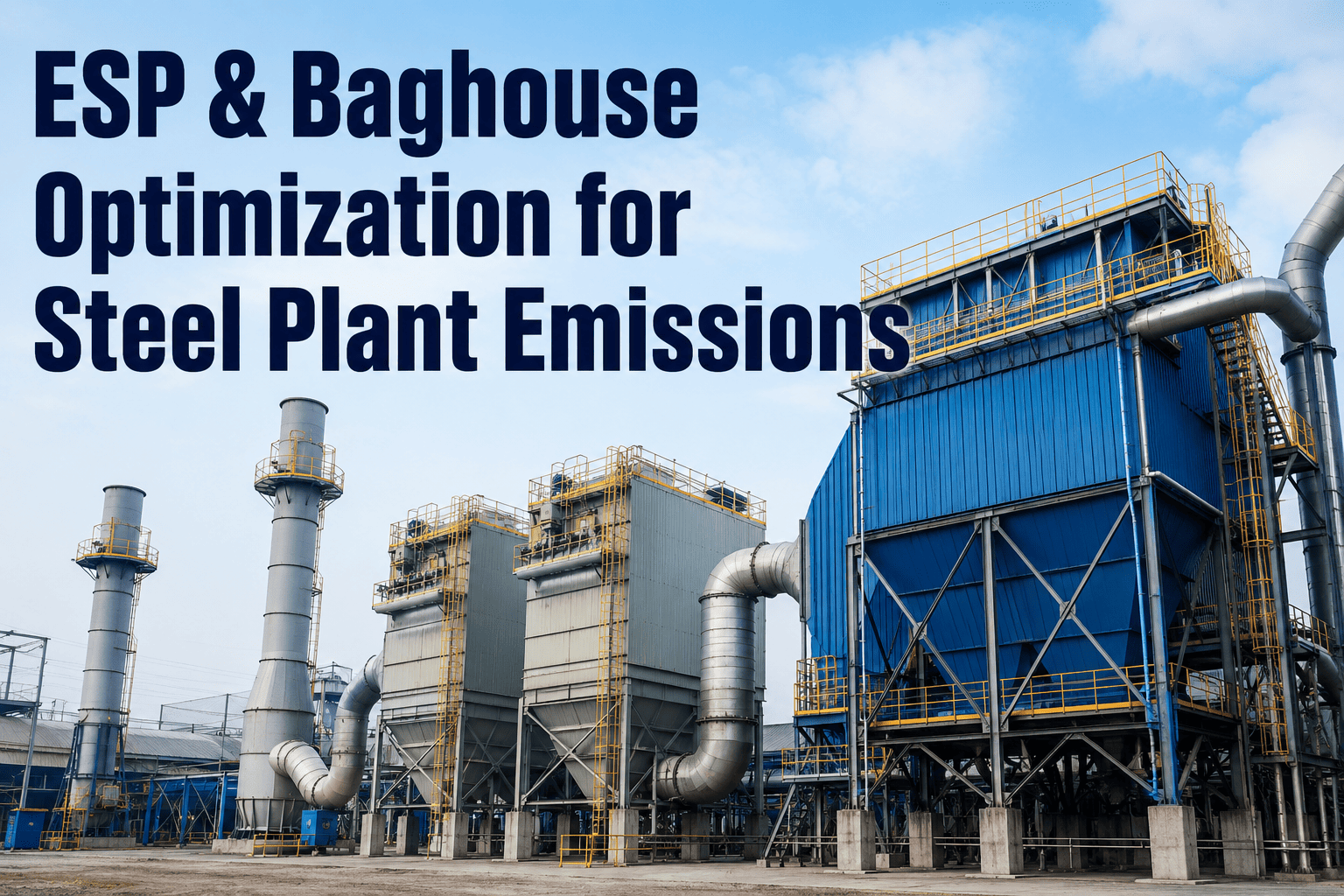
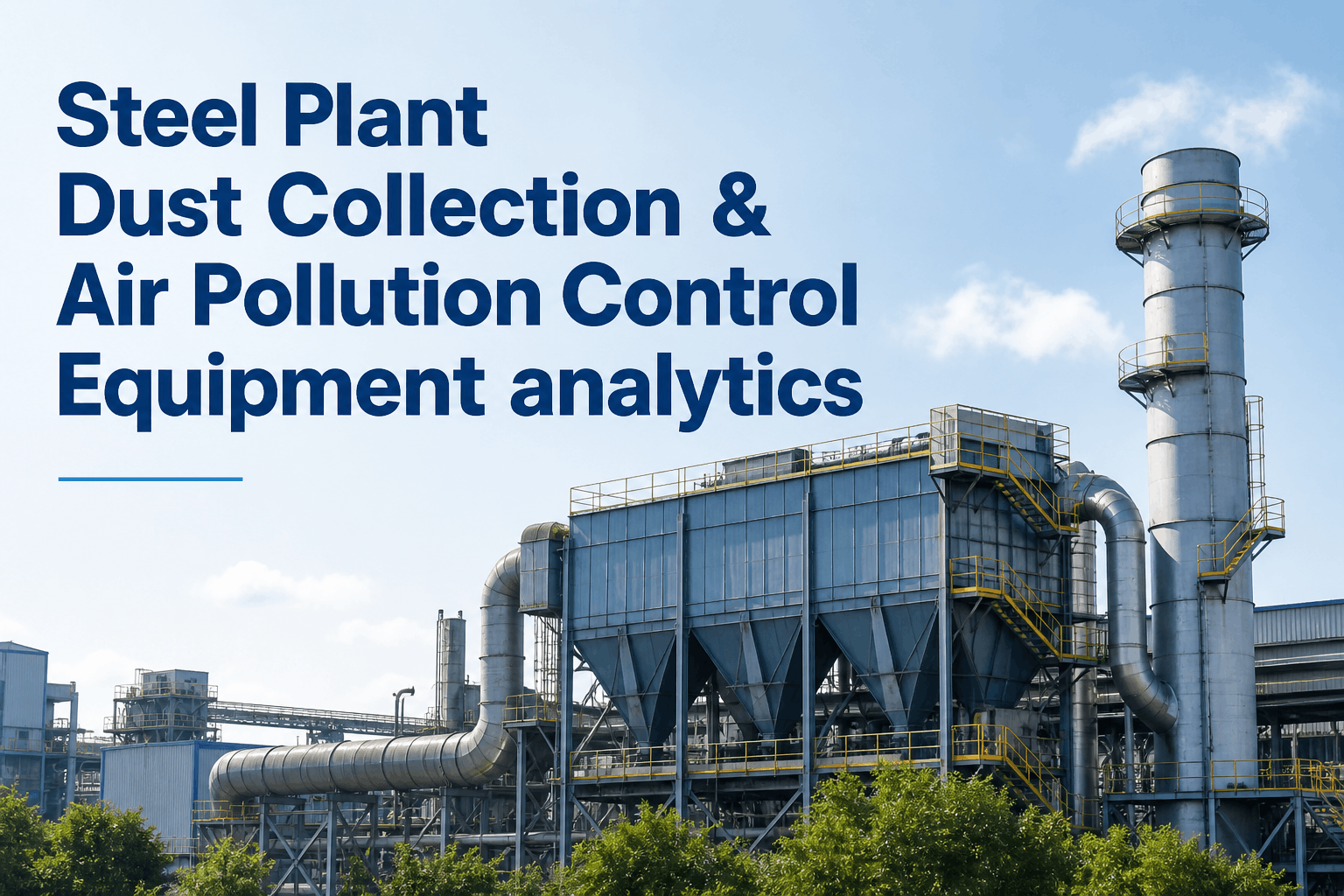
An electrostatic precipitator or baghouse that was collecting at 99.5% efficiency when it was commissioned rarely stays there without active management, and the decline is usually gradual enough that nobody notices until a stack opacity reading or a particulate exceedance forces a closer look. Bag wear, electrode fouling, and airflow imbalance all erode collection efficiency slowly, and by the time the drop is visible in emission data, the plant has often been operating out of optimal range for weeks or months, burning extra energy on fan power while still losing collection performance. Optimization means catching that decline early through the operating signals the equipment already generates, not waiting for the stack monitor to confirm a problem that started upstream. iFactory helps environmental and maintenance teams track that decline early, detailed at iFactory support.
Environmental · ESP & Baghouse Performance
ESP and Baghouse Optimization: Catching Collection Efficiency Decline Before the Stack Monitor Does
Collection efficiency tracking, maintenance optimization, and energy reduction strategies for the particulate control equipment your emission compliance actually depends on.
99%+
Typical design collection efficiency for a well-maintained ESP or baghouse
Gradual
Efficiency decline pattern that rarely triggers a single dramatic alarm
Fan Power
Energy cost that rises quietly as filters or electrodes foul
ESP vs Baghouse
Different Technology, Different Failure Signatures
Aspect
Electrostatic Precipitator
Baghouse
Primary Wear Component
Discharge and collection electrodes
Filter bags and cages
Common Decline Signal
Rising secondary voltage instability, spark rate change
Rising differential pressure, bag leak detection alarms
Energy Sensitivity
High voltage power supply efficiency drift
Fan power rising with differential pressure across dirty bags
Typical Maintenance Trigger
Electrode cleaning or rapper mechanism service
Bag replacement based on differential pressure trend
Early Decline Indicators
The Signals That Show Up Before an Emission Exceedance Does
Differential Pressure Trend
A steadily rising baghouse differential pressure indicates filter loading and reduced airflow well before any particulate exceedance shows up downstream.
Secondary Voltage Stability
Increasing spark rate or voltage instability on an ESP field usually points to electrode fouling or misalignment reducing effective collection area.
Bag Leak Detection System Trends
Rising baseline readings from a bag leak detector, even below the alarm threshold, often indicate early bag wear worth investigating proactively.
Fan Power Draw
Rising fan energy consumption at a constant airflow setpoint is one of the earliest and most consistent signs of increasing resistance from filter or electrode fouling.
A Rising Fan Power Bill Is Often the First Sign of a Collection Efficiency Problem — Not the Cost of One.
iFactory tracks differential pressure, voltage stability, and fan power trends so ESP and baghouse decline gets caught weeks before a stack reading confirms it.
Maintenance Optimization
Moving From Calendar-Based to Condition-Based Servicing
1
Replace Fixed Bag Change Intervals With Differential Pressure Triggers
Bags replaced purely on a calendar schedule are often changed too early, wasting good filter life, or too late, after efficiency has already declined.
2
Prioritize Electrode Cleaning by Field Performance
ESP fields showing declining voltage stability get cleaning priority over fields still performing within normal range, rather than servicing every field on the same schedule.
3
Track Rapper and Cleaning Mechanism Health
A malfunctioning rapper or pulse-jet cleaning cycle causes localized fouling that a plant-wide efficiency average can mask until it becomes significant.
Field Example
Cutting Fan Energy Cost by Catching Bag Fouling Three Weeks Earlier
A steel plant's baghouse serving the EAF meltshop had been running on a fixed six-month bag inspection interval, with differential pressure reviewed only at those scheduled checks. Fan power consumption had been trending upward between inspections without triggering any alarm, since the rise was gradual and stayed below the fixed differential pressure alarm threshold until close to the next scheduled check.
With iFactory tracking differential pressure and fan power trends continuously against a baseline rather than a fixed threshold, the team identified an abnormal fouling rate roughly three weeks after it began, well before the next scheduled inspection would have caught it. Targeted bag replacement in the affected compartment reduced fan power draw back toward baseline within days.
3 weeks earlier
Fouling detected relative to the fixed inspection schedule
Days
Time to restore fan power to baseline after targeted replacement
1 compartment
Targeted for replacement instead of a full bag change-out
Frequently Asked Questions
What Environmental and Maintenance Teams Ask About ESP and Baghouse Performance
How do I know if declining efficiency is a bag problem or an airflow problem?
A uniform rise in differential pressure across all compartments typically points to general filter loading consistent with normal bag aging, while a localized spike in one compartment relative to others more often indicates a specific fault such as a torn bag, failed cleaning cycle, or ductwork imbalance directing more airflow to that section. Comparing compartment-level trends against each other, rather than only watching a single plant-wide average, is what makes this distinction possible.
Why would fan power rise even when the differential pressure alarm hasn't triggered?
Fixed alarm thresholds are set conservatively to avoid nuisance trips, which means fan power and differential pressure can rise meaningfully above the equipment's efficient operating range well before crossing the alarm setpoint. Watching the underlying trend against a rolling baseline, rather than only the fixed alarm threshold, is what allows a fouling problem to be caught while it is still cheap and easy to fix.
How often should ESP electrode alignment actually be checked?
Physical alignment inspection is typically done during scheduled outages, but voltage stability and spark rate trending can indicate a developing alignment or fouling issue between those physical inspections, giving the maintenance team advance notice of which field to prioritize when the outage window arrives rather than inspecting all fields equally.
Does condition-based bag replacement actually save money compared to a fixed schedule?
In most cases yes, because a fixed schedule tends to average out — some bags are replaced with significant remaining life left, while others that fail early between scheduled checks cause an efficiency dip that goes unnoticed until the next inspection. Condition-based replacement targets the specific compartments showing actual wear signals, extending the service life of bags that are still performing well while catching early failures faster than a calendar-based approach would.
How does iFactory track ESP and baghouse performance without new equipment?
iFactory connects to existing differential pressure transmitters, ESP voltage and current signals, bag leak detection systems, and fan power data already available on most modern control equipment, building continuous trend baselines rather than relying only on fixed alarm thresholds. To see how this maps onto your specific ESP or baghouse instrumentation,
book a demo.
Don't Wait for the Stack Monitor to Tell You Collection Efficiency Dropped.
Continuous differential pressure, voltage stability, and fan power trend tracking built to catch ESP and baghouse decline weeks earlier.