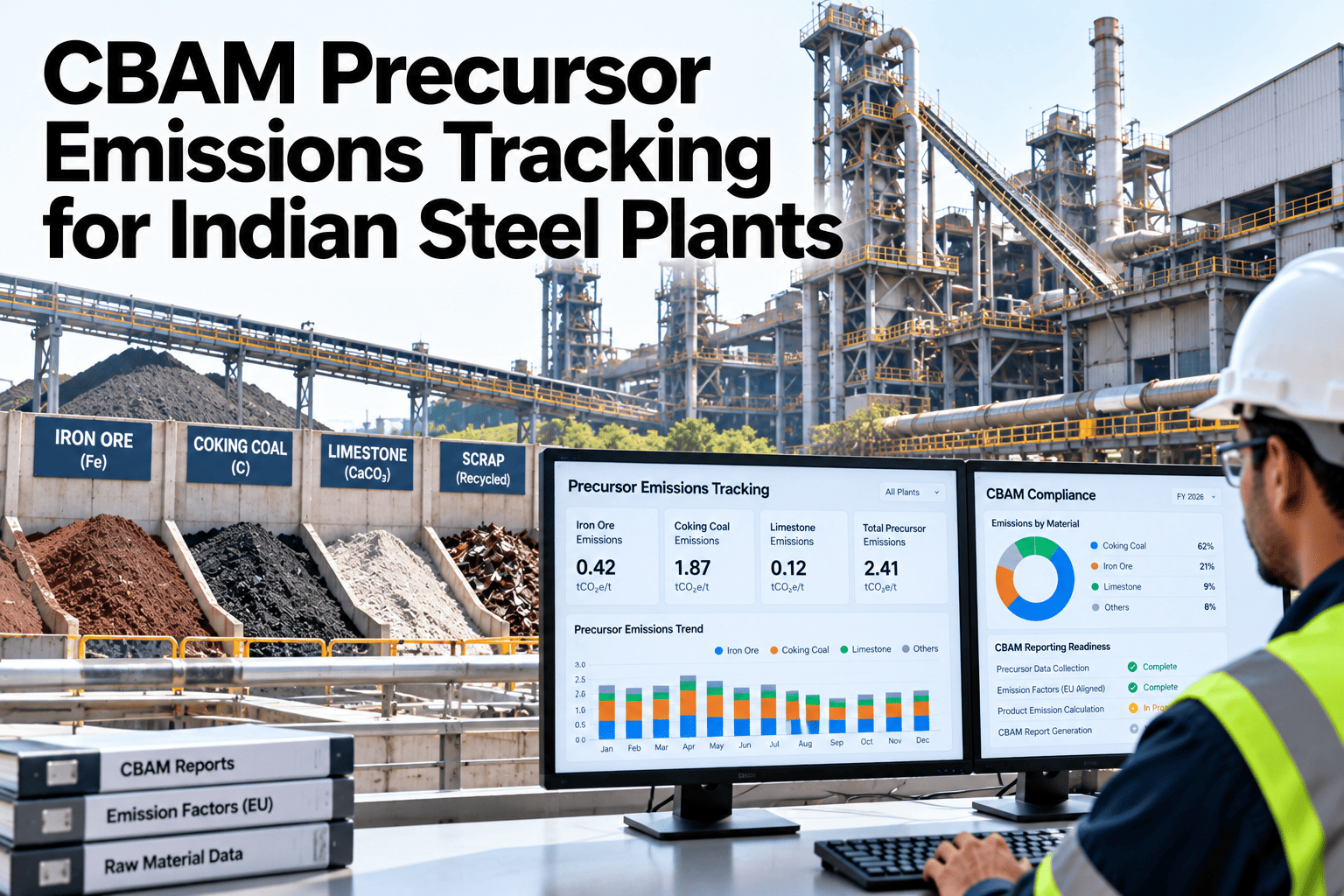
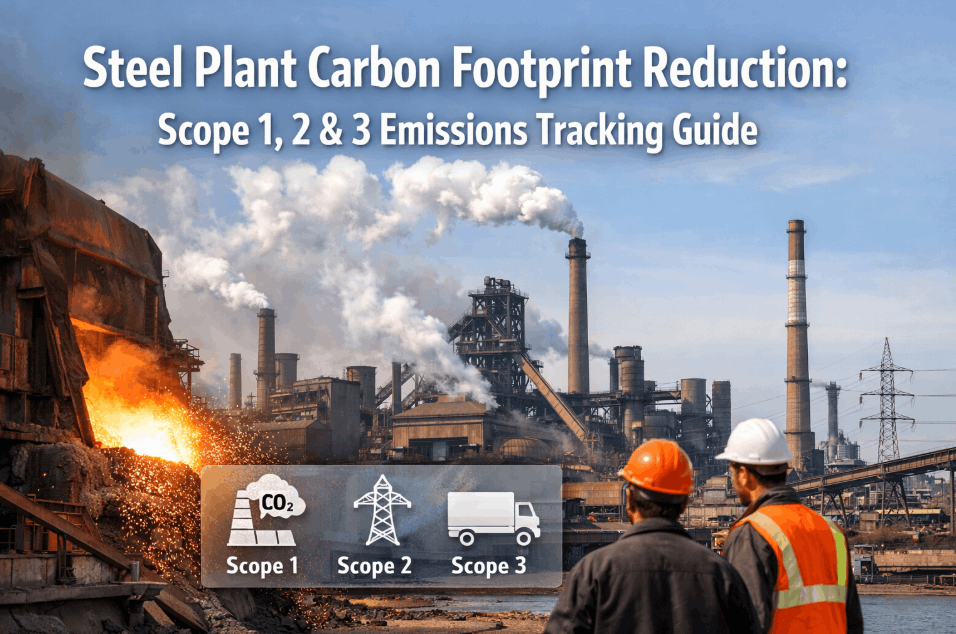
Steel plants across the EU and export-facing mills in the UK, USA, Canada, and Australia now face a cascading carbon compliance challenge: EU Emissions Trading Scheme (EU ETS) carbon costs hit €85–90 per tonne CO₂ in 2023, the Carbon Border Adjustment Mechanism (CBAM) entered its transitional phase in October 2023 and free ETS allowances for steel are scheduled to phase out entirely by 2034. For a 2 million tonne per year mill emitting 1.8 tCO₂ per tonne of crude steel, a €10 per tonne increase in ETS price adds €36 million to annual operating costs. iFactory's carbon tracking and compliance reporting module gives steel plant leadership the real-time emission factor data, equipment-level CO₂ attribution, and regulator-ready reports needed to navigate EU ETS, CBAM, and emerging carbon regimes in North America and Australia — integrated directly with SAP, PLC historians, and CEMS without a separate carbon management system.
EU ETS, CBAM & Carbon Border Compliance for Steel Plants
Track carbon obligations, report embedded emissions, and protect your plant from CBAM border costs — all in one platform.
EU ETS Carbon Price Trend — What Steel Plants Are Paying
Carbon costs are now a top-five operating expense for EU steel plants and a competitive pressure for mills in the UK, USA, and Australia who export to Europe. iFactory's live carbon cost calculator multiplies your real-time emission factor by the current ETS price to show carbon cost per tonne of steel produced — updated every heat cycle.
Is Your Plant Ready for CBAM? — Scope-by-Scope Readiness Check
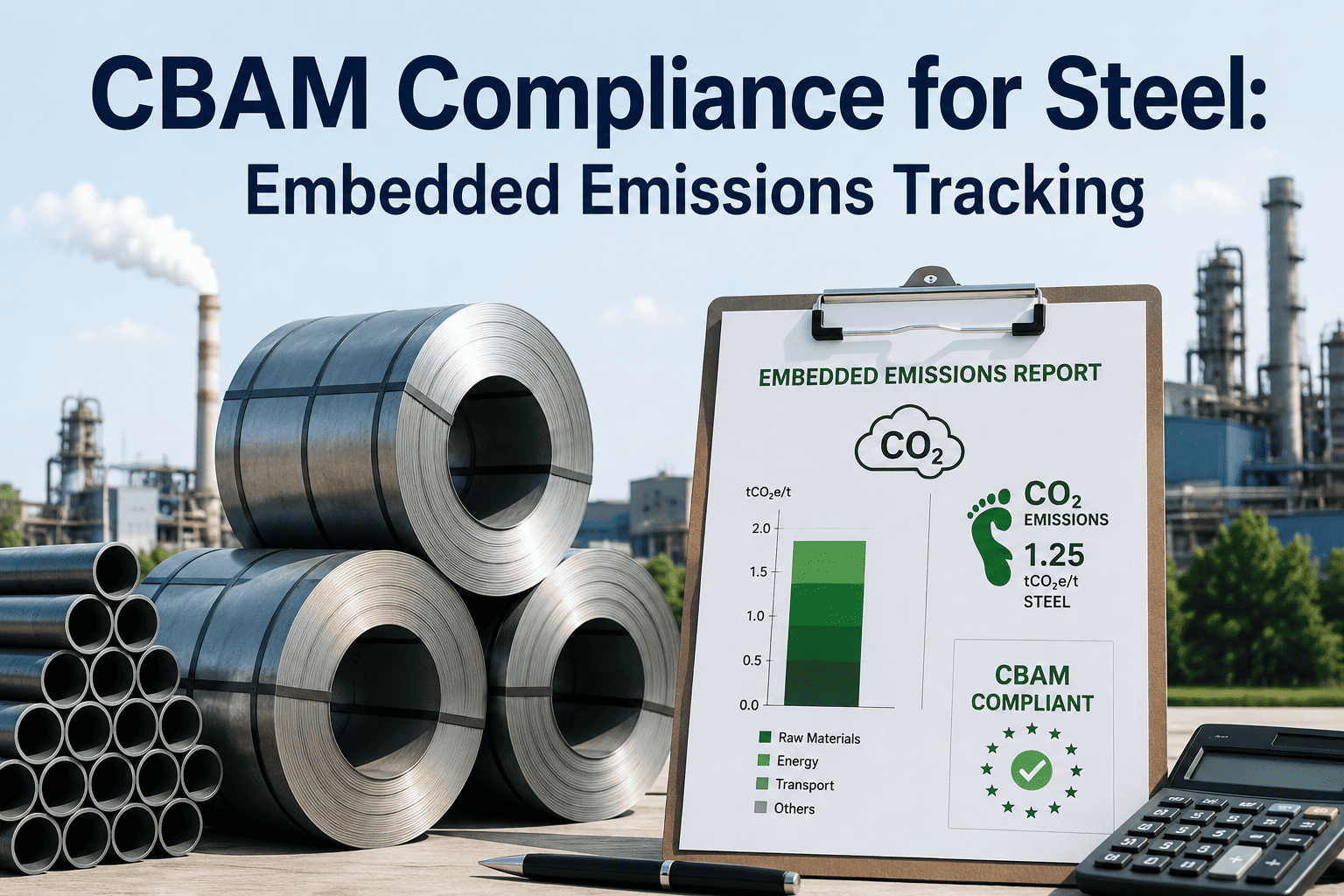
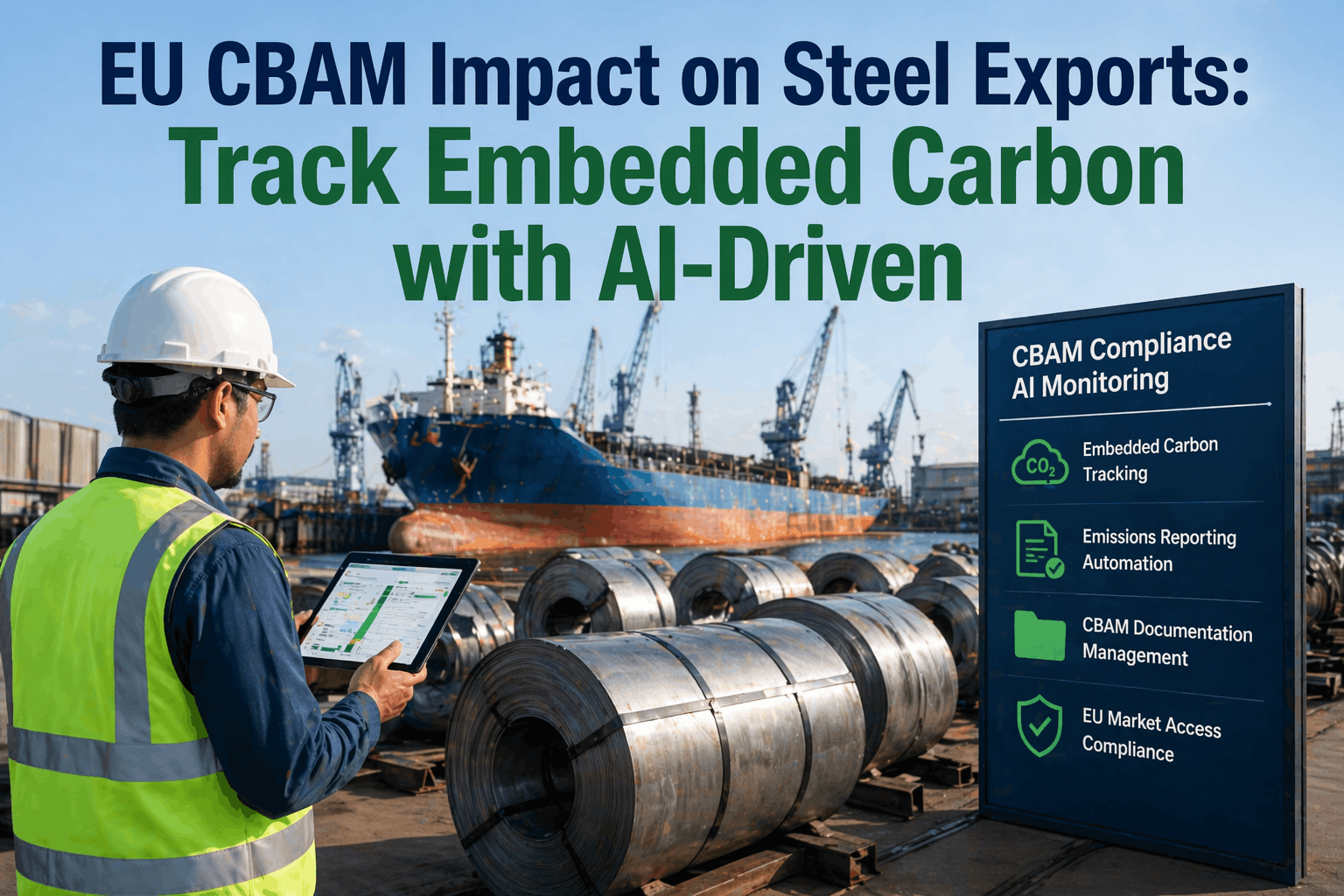
CBAM requires EU importers to declare the embedded carbon content of steel products, verified by accredited third parties. Mills outside the EU must provide emission intensity data or face EU-average default values — which are significantly higher than best-in-class plant performance.
CBAM Enforcement Timeline — What Steel Plants Must Do and When
The CBAM phase-in is not a future risk — quarterly reporting obligations for steel began in Q4 2023. Mills that wait until 2026 to implement embedded carbon tracking will have three years of incorrect or estimated data submitted under their name in the EU CBAM registry.
How iFactory Calculates Your Embedded Carbon — Layer by Layer
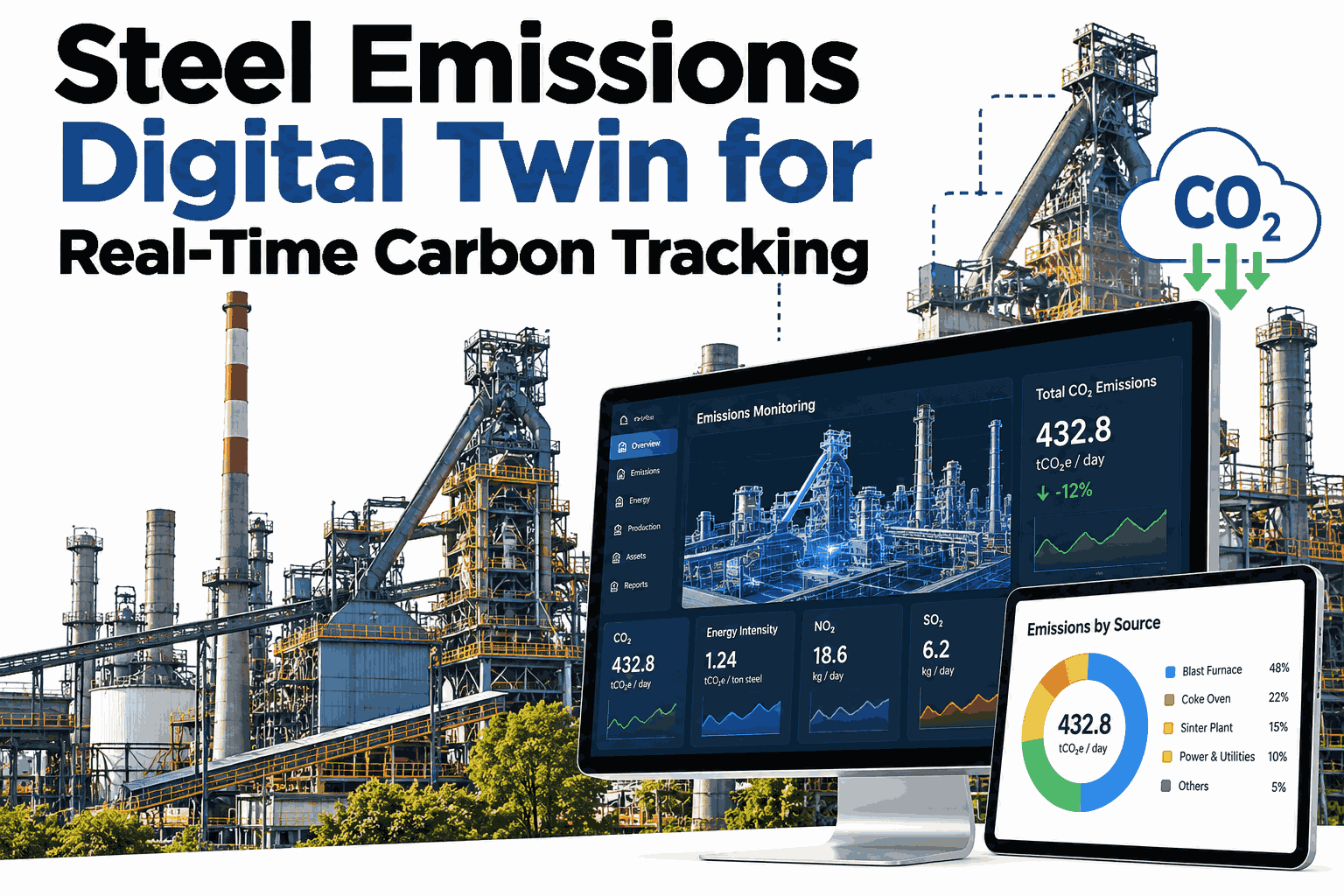
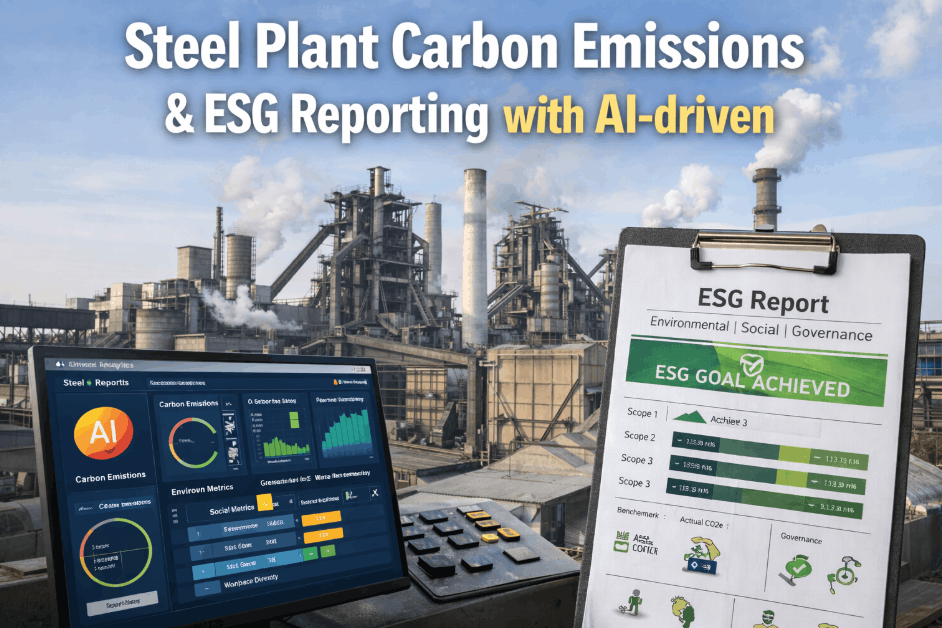
iFactory's carbon intelligence is built from production-process data, not spreadsheet estimates. By connecting directly to your PLC energy historians, CEMS stacks, and SAP production orders, the platform calculates a verified emission factor per tonne of steel per heat — the same data format required by CBAM accredited verifiers.
Steel Emission Intensity — Where Does Your Plant Stand?
CBAM's default values for steel are based on the top 10% of EU polluters — well above best-in-class performance. Plants that can demonstrate their actual emission intensity below the EU average through iFactory-verified data pay significantly less in CBAM certificates than those relying on defaults. The difference per tonne is your carbon competitive advantage.
What Your Plant Needs to Submit CBAM Reports — Complete List
EU importers of your steel are legally responsible for CBAM declarations from 2026. They will request your verified emission intensity data. iFactory produces every item below automatically from your existing plant data systems.
Our CBAM Q4 2023 report took four weeks to compile manually. With iFactory, our Q2 2024 report was ready in 6 hours — pulled directly from our SAP production orders and CEMS data. Our verifier accepted it first submission, no queries.
Frequently Asked Questions
Does CBAM apply to steel mills outside the EU?
Yes — CBAM applies to importers of steel products sold into the EU. Mills in the UK, USA, Canada, India, and elsewhere must provide verified emission intensity data to their EU customers.
What happens if a steel plant cannot provide actual emission data for CBAM?
EU importers fall back to EU-average default values, which are significantly higher than most plants' actual intensity — meaning higher CBAM certificate costs for your customer and pressure on your contracts.
Can iFactory produce CBAM-ready reports from SAP data alone?
Yes — iFactory can calculate provisional emission factors from SAP production orders and energy billing data, then enhance accuracy by adding PLC and CEMS data progressively.
Does iFactory cover the UK ETS and the Australian carbon mechanism too?
Yes — iFactory supports EU ETS, UK ETS, and Australian Safeguard Mechanism reporting, using the same underlying emission factor engine with scheme-specific templates.
How long does the iFactory carbon module take to go live?
SAP connection and first carbon dashboard: 3 weeks. Full CBAM report generation with CEMS data integration: 6–8 weeks from project kick-off.
Get CBAM-Ready in 6 Weeks
Connect your SAP and PLC data to iFactory — your first verified emission report is ready before the next quarterly deadline.