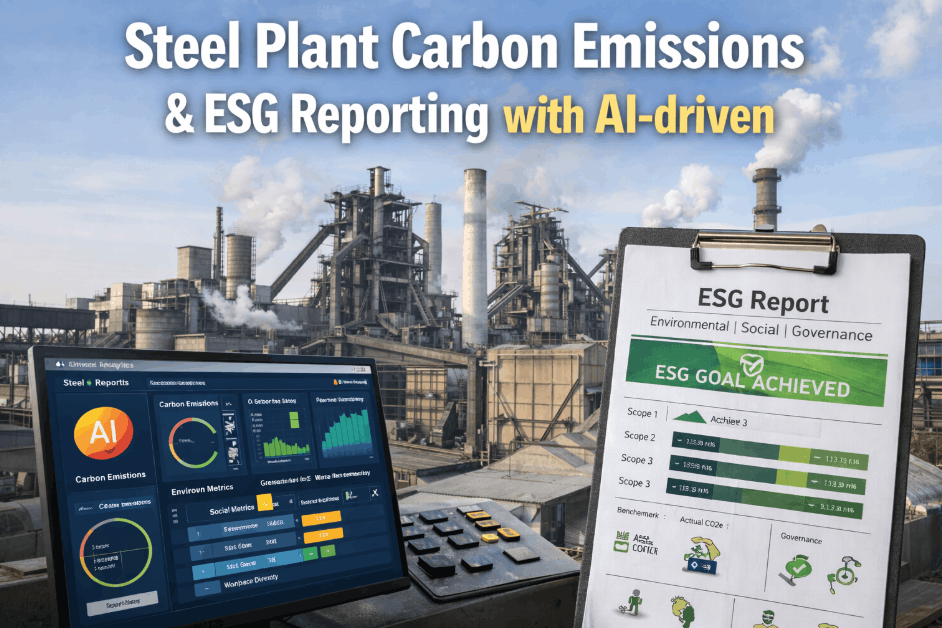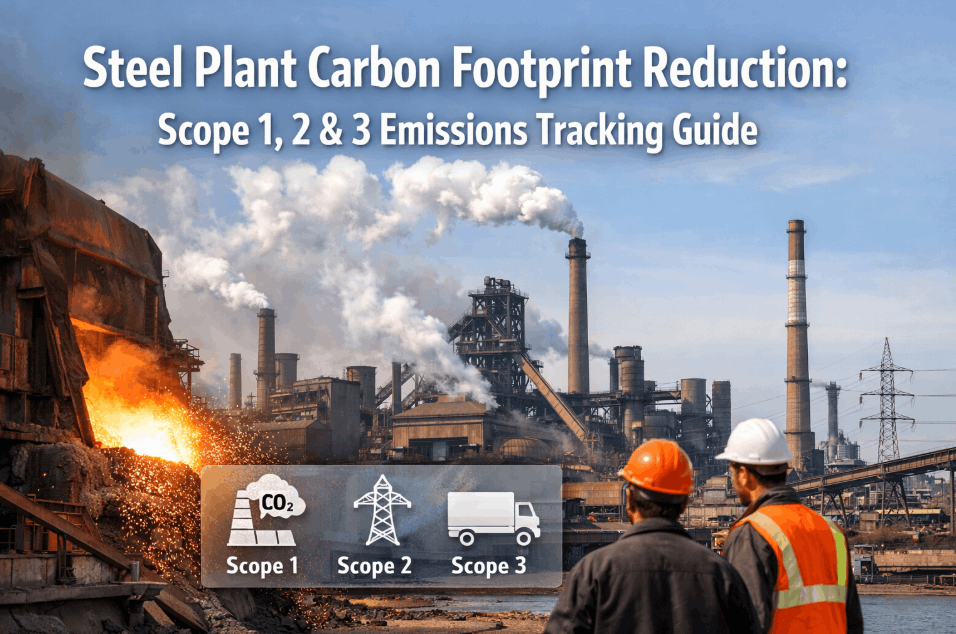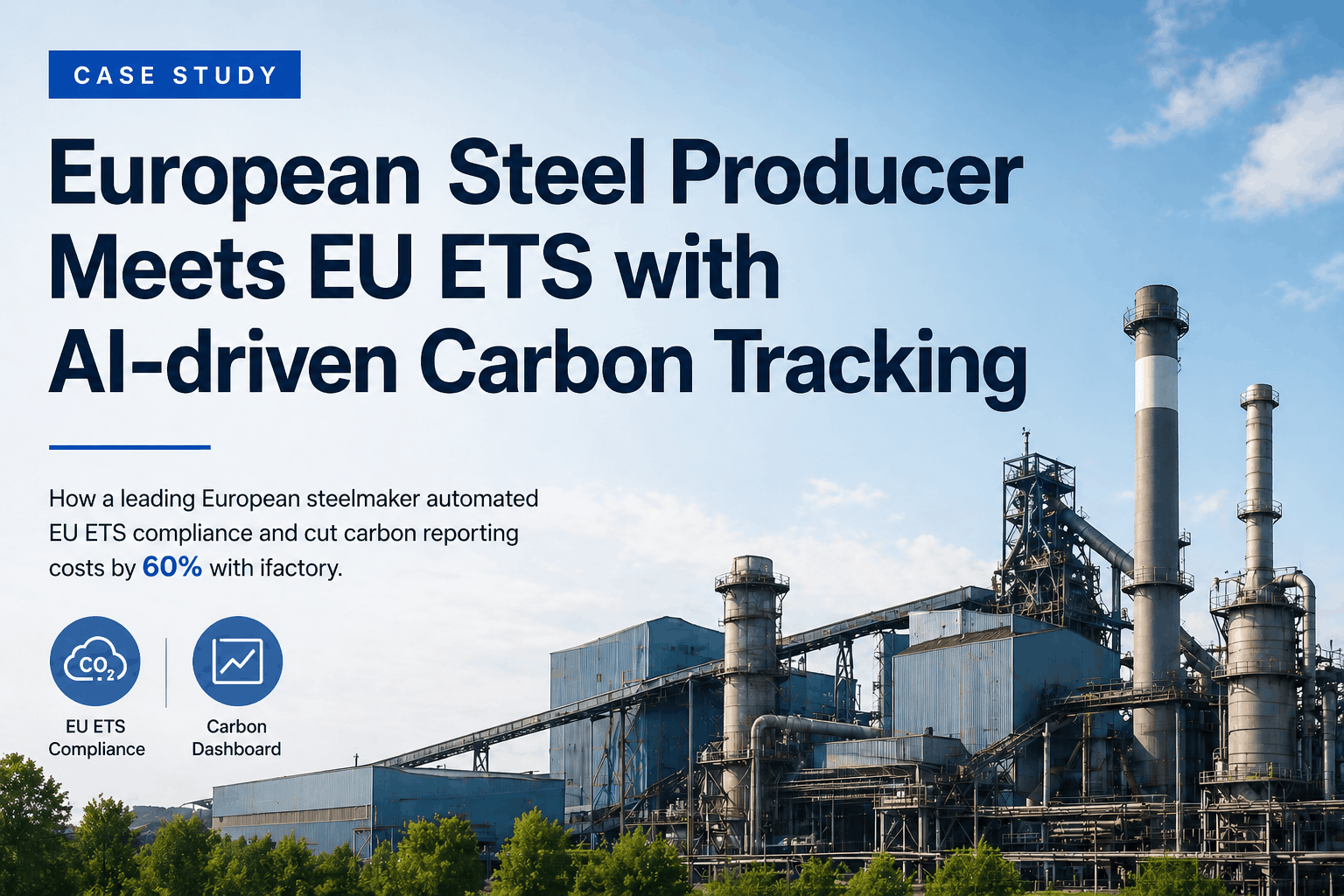
For European steel producers, carbon is no longer just an environmental metric—it is a massive financial liability. Under the EU Emissions Trading System (EU ETS) and the upcoming CBAM regulations, manual emission tracking and "spreadsheet-based" reporting were creating significant audit risks and inflated compliance costs. This Tier-1 European steelmaker deployed iFactory's AI-driven Carbon Tracking engine to automate Scope 1 and Scope 2 emission monitoring across their entire production chain. The result was a 60% reduction in compliance overhead and 100% audit accuracy for their annual emission declarations. Schedule a technical walkthrough to see how iFactory automates your carbon compliance.
1. Site Dossier: Carbon Compliance in European Steel
The facility produces 3.5 Million Tons per annum, utilizing a mix of Blast Furnace and Electric Arc Furnace routes. With the tightening of EU ETS free allocations, every ton of undeclared or incorrectly tracked CO2 represents a direct hit to the production margin.
2. The Challenge: The Complexity of "The Green Penalty"
Prior to iFactory, the producer relied on monthly manual data collection from over 1,200 points including gas meters, electricity bills, and scrap quality logs. This "Lagging Data" meant that by the time an emission spike was identified, the carbon credits had already been consumed. Schedule a call to see how we bridge the carbon data gap.
Automating data ingestion reduced the "Audit Scramble" by 60%, allowing the sustainability team to focus on decarbonization rather than data entry.
3. Strategic Roadmap: 8 Weeks to Automated Compliance
Transitioning to automated carbon tracking required a phased approach to integrate legacy PLC data with real-time carbon intensity factors without disrupting production.
Connected 1,200+ edge points including natural gas flow meters, furnace oxygen levels, and grid electricity mix data into the iFactory Carbon Hub.
Configured emission factors and reporting templates according to EU ETS Phase 4 requirements. Established real-time "Carbon Intensity" dashboards per heat.
Conducted a mock audit with third-party verifiers using the iFactory "One-Click Export" feature. Achieved 100% data lineage verification from sensor to report.
4. The Solution: Real-Time Carbon Intelligence
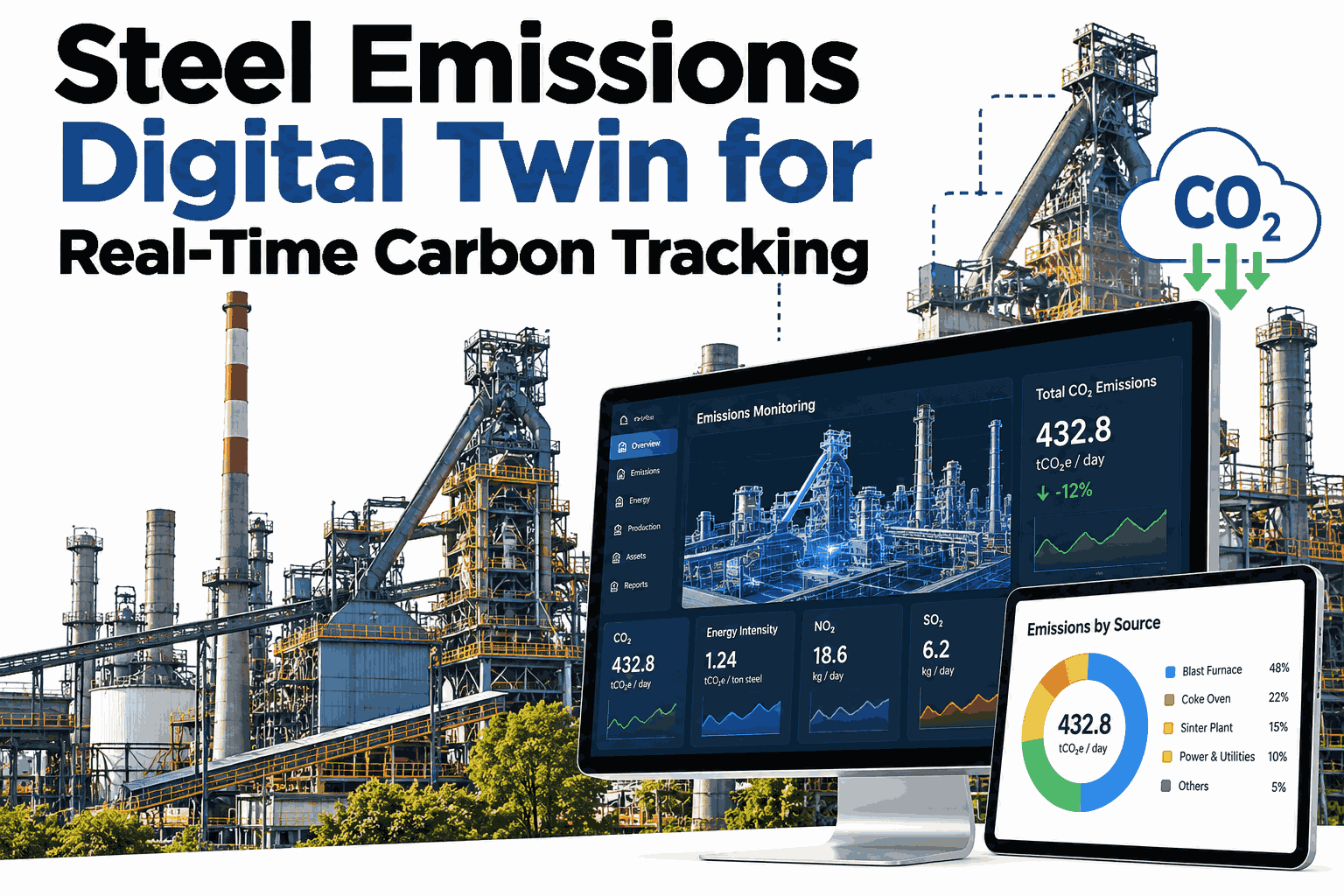
iFactory's Carbon Hub provides a "Single Source of Truth" for environmental data, enabling the plant to see the carbon footprint of every slab and coil in real-time.
The AI calculates the kg/CO2 per ton of steel produced for every individual heat, allowing operators to adjust gas mix and scrap ratios to stay within targets.
Annual and quarterly reports are pre-populated and validated against EU compliance rules, reducing the risk of fines and over-allocation errors.
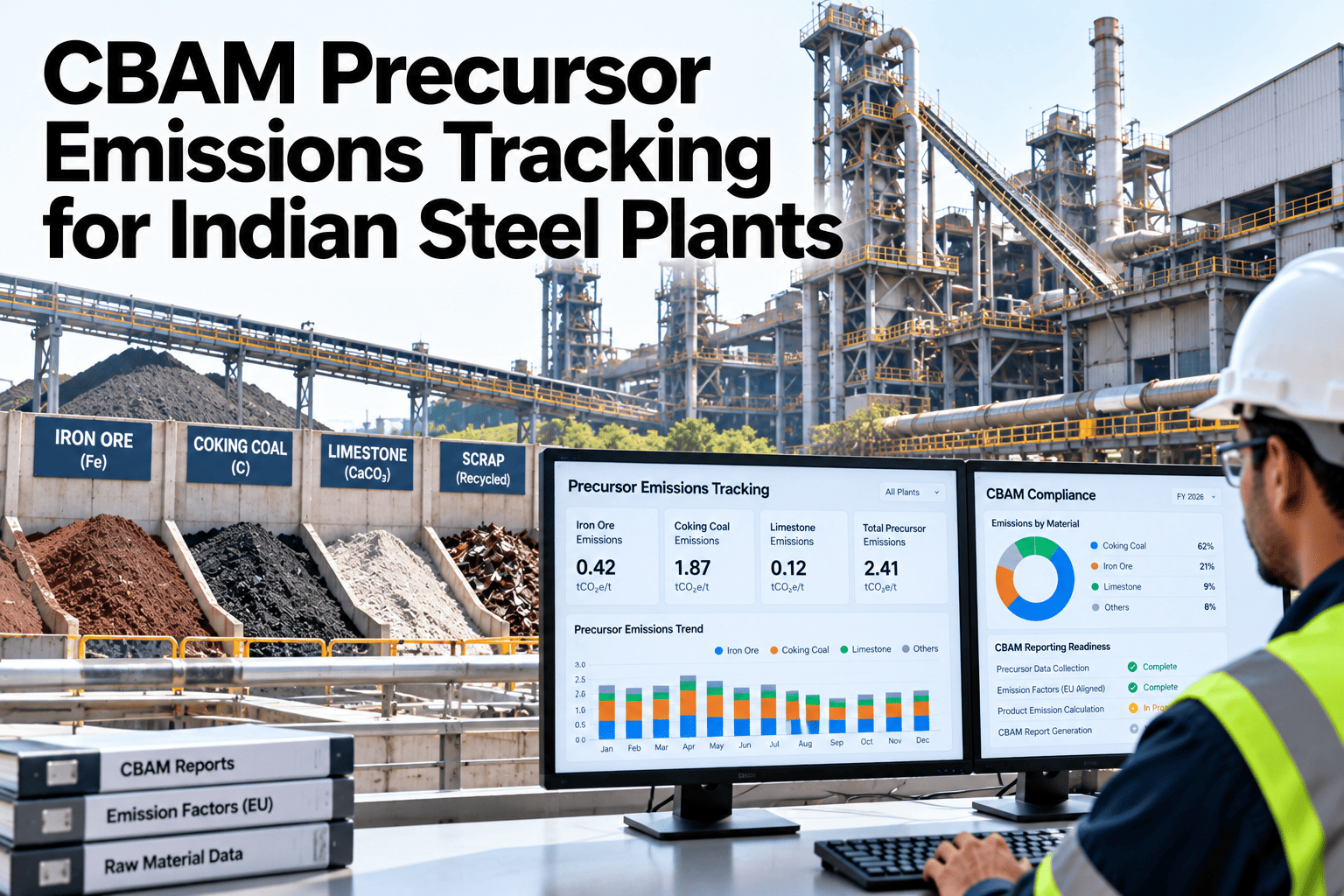
Prepare for upcoming Carbon Border Adjustment Mechanism (CBAM) requirements with integrated supply chain emission tracking for imported raw materials.
5. Verification of Results: Impact Visualization
Compliance Savings
Audit Readiness
Emission Reduction
| Compliance Metric | Manual Baseline | iFactory Carbon AI | Improvement |
|---|---|---|---|
| Data Collection Frequency | Monthly Batch | Real-Time | Instant Vision |
| Audit Prep Man-Hours | 2,450 hrs/yr | 980 hrs/yr | -60% Savings |
| Emission Tracking Gaps | 5-8% Estimated | 0% Measured | Zero Liability |
6. The Technology Stack
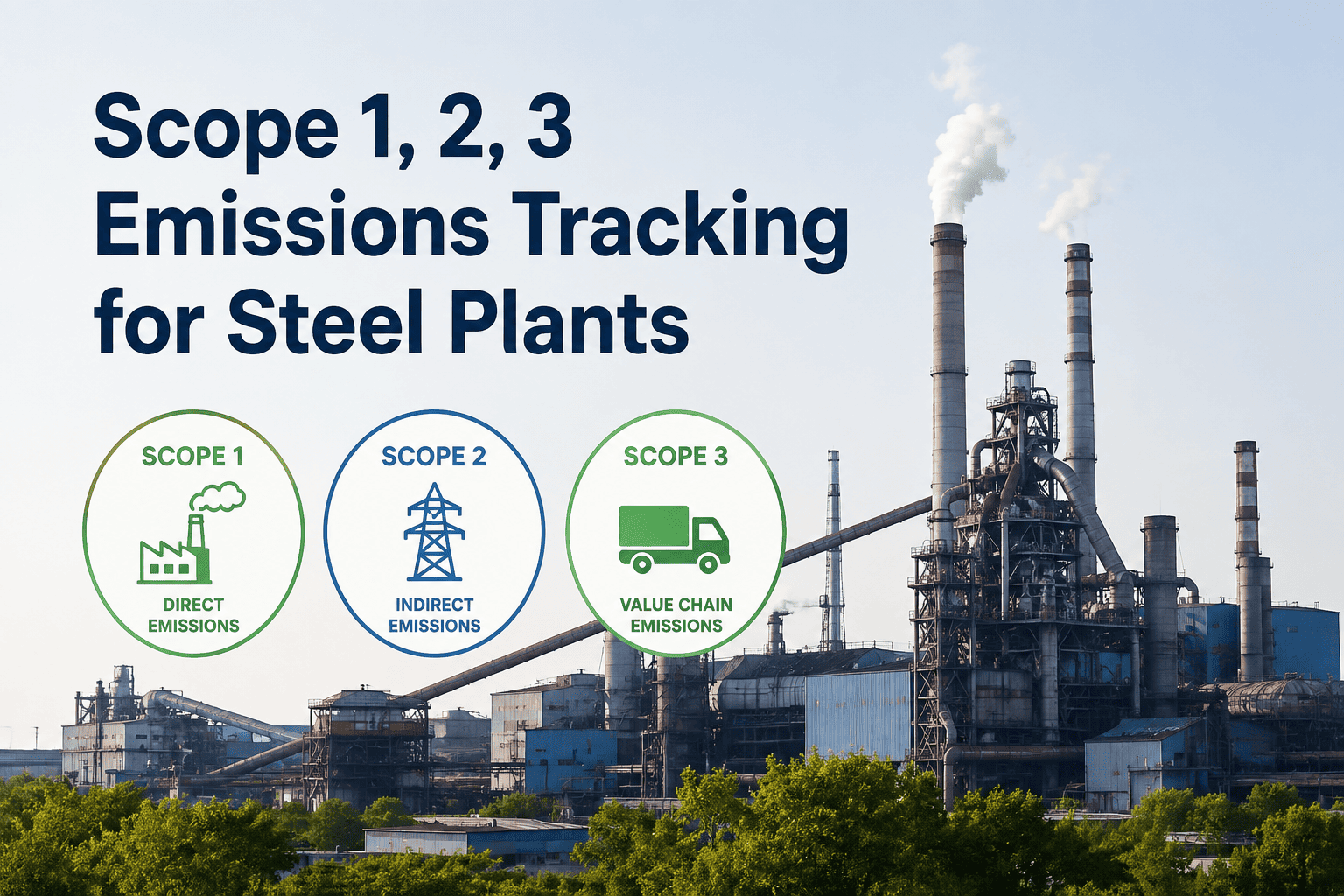
Utilizes thermal dynamics and combustion chemistry models to calculate CO2 output from raw PLC sensor data, providing Scope 1 precision without extra hardware.
Direct integration with European grid operators to pull live carbon-intensity factors for Scope 2 electricity consumption metrics.
A secure ledger that stores all raw sensor data alongside the calculated report to ensure bulletproof data lineage for EU auditors during annual verifications.
— Sustainability Director, European Steel Producer