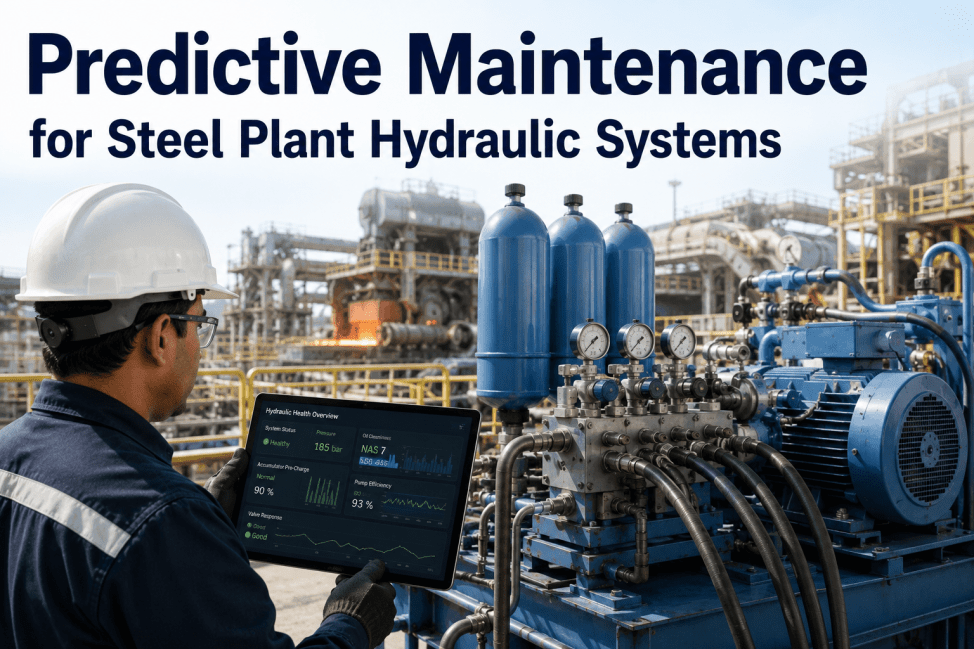
In the high-stakes environment of a hot rolling mill, hydraulic systems are the lifeblood of precision and productivity. The automatic gauge control (AGC) servo valves, looper hydraulics, and coilbox mechanisms operate under extreme pressures and temperatures, demanding relentless reliability. A single microsecond delay in servo response can cascade into gauge deviations, strip breakage, or catastrophic mill downtime. Traditional maintenance strategies—reactive or calendar-based—are no longer sufficient in the age of Industry 4.0. Artificial intelligence now offers a transformative approach: continuous, real-time monitoring of hydraulic parameters such as servo valve spool position, accumulator pre-charge pressure, and looper torque. By analyzing these data streams, AI can predict failures before they occur, optimize maintenance schedules, and extend component life. This guide provides an in-depth, technical exploration of how AI-driven predictive maintenance can safeguard your hot mill hydraulic systems, from AGC to coilbox. Book a Demo to see iFactory's AI platform in action.
Transform Your Mill Maintenance
Leverage AI to predict failures and optimize hydraulic system performance. Schedule your personalized demo today.
AGC Servo Valve Dynamics
AGC servo valves control the hydraulic cylinders that adjust roll gap in milliseconds. AI monitors spool position feedback, pilot pressure, and internal leakage trends to detect wear or contamination. Early warnings prevent gauge excursions and surface defects.
Looper Hydraulic Control
Looper arms maintain inter-stand tension via hydraulic actuators. AI analyzes pressure, flow, and position signals to identify sticking valves, pump degradation, or accumulator bladder issues. This ensures stable strip tracking and minimizes cobbles.
Coilbox Mechanism Health
Coilbox hydraulics manage coiling and uncoiling operations under high torque. AI tracks cylinder seal wear, relief valve cracking pressure, and hose degradation. Predictive alerts reduce unplanned downtime and extend component life.
The Critical Role of Accumulators in Hot Mill Hydraulics
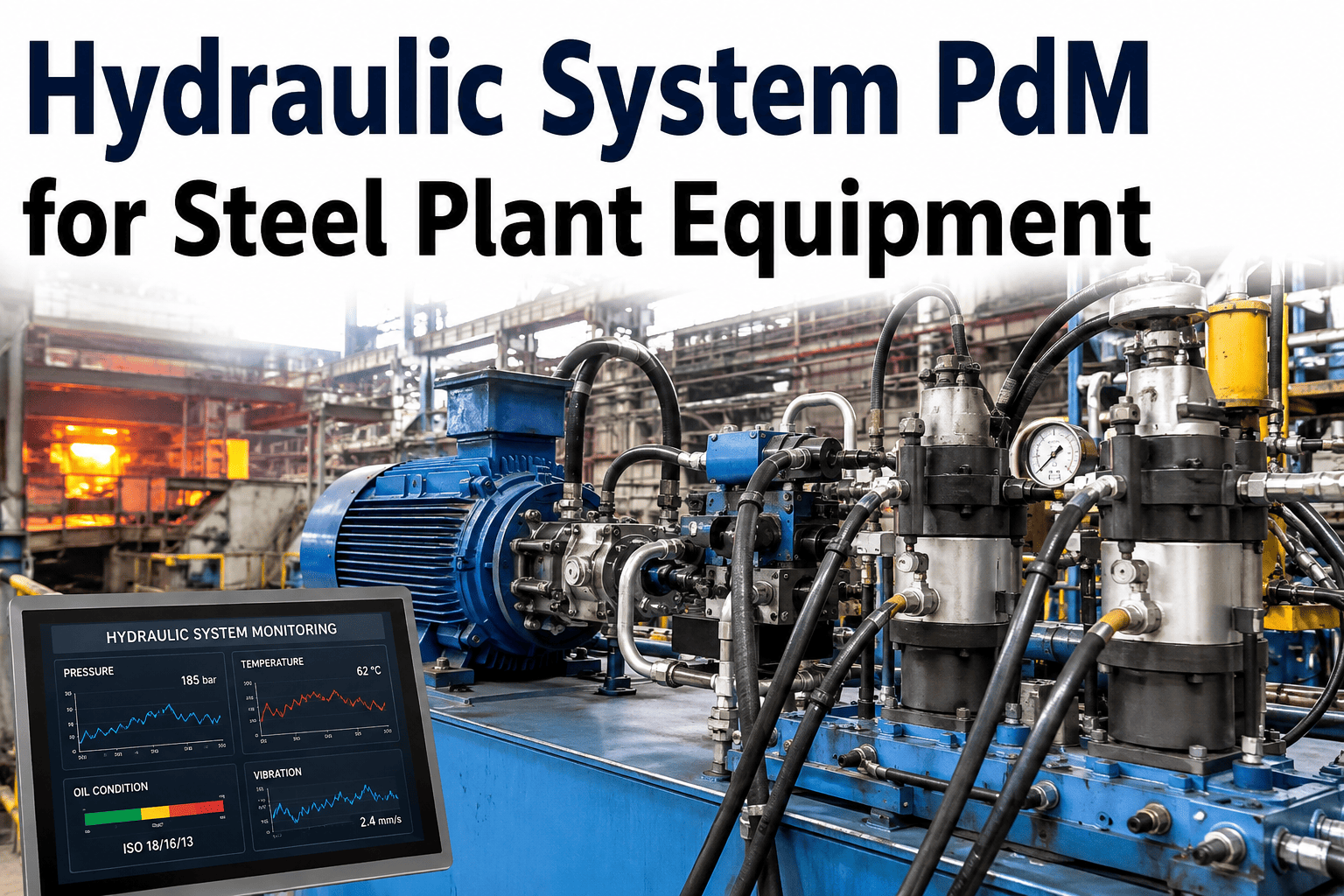
Hydraulic accumulators store energy and dampen pressure spikes, but they are often overlooked. In hot mills, bladder-type accumulators pre-charged with nitrogen can lose pressure due to gas permeation or bladder rupture. AI monitoring of accumulator pressure decay rates, charge cycles, and fluid temperature provides early detection of pre-charge loss. This prevents servo valve cavitation, erratic gauge control, and pump overload. For piston accumulators, AI tracks seal wear and rod position to schedule rebuilds before catastrophic failure. Integrating accumulator health into your predictive maintenance program reduces unscheduled downtime and improves system responsiveness.
AI Implementation Roadmap for Hot Mill Hydraulics
Sensor Deployment & Data Acquisition
Install high-frequency pressure transducers, flow meters, and position sensors on AGC servo valves, looper actuators, and coilbox cylinders. AI ingests data at 1 kHz to capture transient events.
Baseline Model Training
Historical data trains AI models to recognize normal operating patterns. Anomalies such as spool stickiness, pump cavitation, or accumulator leakage are flagged with probability scores.
Real-Time Alerting & Dashboard
Maintenance teams receive actionable alerts via mobile or desktop dashboards. AI recommends specific corrective actions, such as valve replacement or accumulator recharge.
Continuous Learning & Optimization
AI models adapt to changing mill conditions, such as roll wear or product mix shifts. Predictive accuracy improves over time, reducing false positives and missed failures.
Hydraulic Component Failure Modes & AI Detection
| Component | Failure Mode | AI Detection Method | Lead Time |
|---|---|---|---|
| AGC Servo Valve | Spool wear / contamination | Spool position deviation analysis | 2-4 weeks |
| Looper Actuator | Seal degradation | Pressure decay rate monitoring | 1-3 weeks |
| Coilbox Cylinder | Rod scoring | Vibration signature analysis | 3-6 weeks |
| Accumulator Bladder | Gas loss / rupture | Pre-charge pressure trend | 1-2 weeks |
| Hydraulic Pump | Cavitation / wear | Flow ripple & temperature | 2-5 weeks |
Ready to Eliminate Unplanned Downtime?
iFactory's AI platform delivers real-time insights for your hot mill hydraulic systems. Book a demo to see the difference.
AGC Servo Valve Predictive Maintenance
AGC servo valves are the most critical components for gauge control. AI models analyze spool position feedback signals for hysteresis, null bias drift, and step response time. A 5% increase in hysteresis indicates incipient failure. By scheduling valve replacement during planned outages, mills avoid costly gauge rejects and strip breakage. iFactory's platform integrates with existing PLCs and DCS to provide a unified view of hydraulic health.
Looper Hydraulic System Optimization
Looper hydraulics maintain inter-stand tension, critical for strip quality. AI monitors looper motor torque, cylinder position, and pilot pressure to detect valve stiction or pump degradation. A sudden increase in torque ripple signals impending failure. Predictive alerts enable proactive maintenance, reducing cobbles and improving throughput. iFactory's AI also optimizes looper gain settings for different product grades.
Coilbox Hydraulic Reliability
Coilbox hydraulics face high cyclic loads and thermal stress. AI tracks cylinder rod extension cycles, seal leakage rates, and hose pressure spikes. A trend of increasing leakage indicates seal wear, while pressure spikes suggest relief valve malfunction. Early intervention prevents catastrophic hose bursts and coiling delays. iFactory's platform provides a health score for each coilbox actuator.
Frequently Asked Questions
How does AI monitor AGC servo valve health in real time?
AI monitors AGC servo valves by analyzing high-frequency data from position sensors, pressure transducers, and flow meters. It tracks parameters such as spool position deviation, null bias, step response time, and internal leakage. Machine learning models are trained on historical failure data to detect subtle anomalies that precede failure. For example, a gradual increase in spool position error under constant command indicates wear or contamination. Alerts are generated with a probability score and recommended action, such as valve replacement or fluid filtration. This approach reduces unplanned downtime and extends valve life by 40-60%. Contact iFactory support for more details.
What are the key benefits of AI-driven looper hydraulic monitoring?
AI-driven looper hydraulic monitoring delivers several critical benefits: early detection of valve stiction, pump degradation, and accumulator issues; reduction in cobbles and strip breakage by maintaining stable inter-stand tension; extension of component life through condition-based maintenance; and optimization of looper gain settings for different product grades. By analyzing pressure, flow, and position data, AI provides actionable insights that reduce unplanned downtime by up to 45% and maintenance costs by 30%. The system integrates with existing mill automation for seamless deployment. Book a Demo to learn more.
Can AI predict accumulator bladder failure before it happens?
Yes, AI can predict accumulator bladder failure by monitoring pre-charge pressure trends, charge cycle frequency, and fluid temperature. Bladder-type accumulators lose nitrogen gas over time due to permeation or micro-leaks. AI detects a gradual decline in pre-charge pressure, often weeks before bladder rupture. Piston accumulators are monitored for seal wear and rod position drift. Early warnings allow maintenance teams to recharge or replace accumulators during planned outages, preventing servo valve cavitation and pressure instability. This predictive capability extends accumulator life by 30-50% and improves system responsiveness. Contact iFactory support for implementation guidance.
What data is required to implement AI monitoring for hot mill hydraulics?
Implementing AI monitoring requires high-frequency data from pressure transducers (0-350 bar), flow meters (0-500 L/min), position sensors (linear or rotary encoders), and temperature sensors. Data should be sampled at 1 kHz or higher to capture transient events. Historical data with failure labels is essential for training initial models. iFactory's platform can ingest data from existing PLCs, DCS, or edge devices. Typical installation includes sensors on AGC servo valves, looper actuators, coilbox cylinders, and accumulators. No additional hardware is needed if sensors are already installed. Book a Demo to discuss your specific setup.
How does AI handle varying operating conditions in a hot mill?
AI models are trained on historical data that includes a wide range of operating conditions, such as different product grades, roll wear states, and mill speeds. The models learn to distinguish between normal variations and early failure indicators. For example, a pressure spike during a cobble event is normal, but a similar spike during steady-state rolling indicates a problem. iFactory's AI uses adaptive algorithms that continuously update based on new data, ensuring robust performance even as mill conditions change. This reduces false positives and improves prediction accuracy over time. Contact iFactory support for technical details.
Unlock the Full Potential of Your Mill
iFactory's AI predictive maintenance platform is trusted by leading steel producers worldwide. Book your demo today and start optimizing your hydraulic systems.