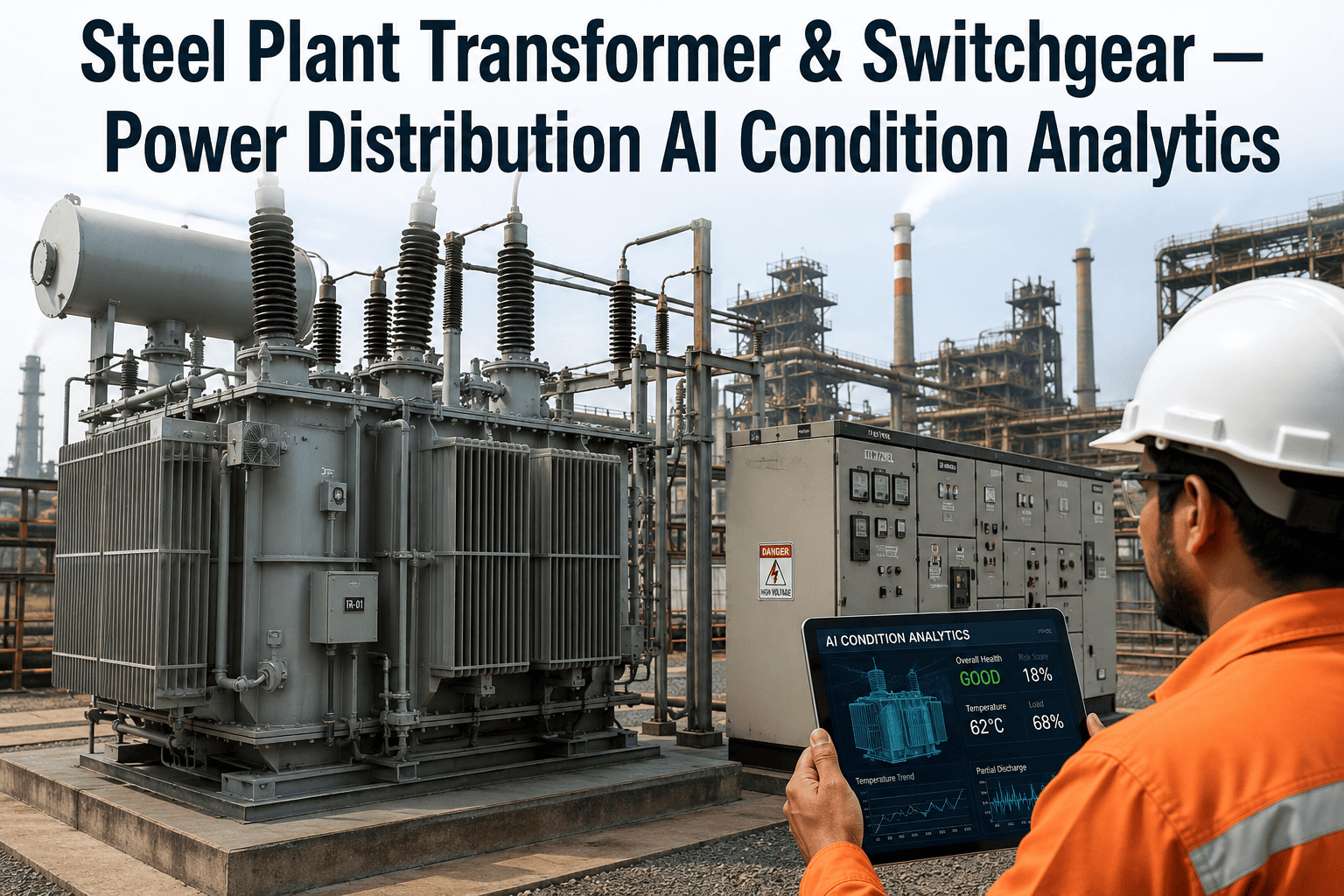
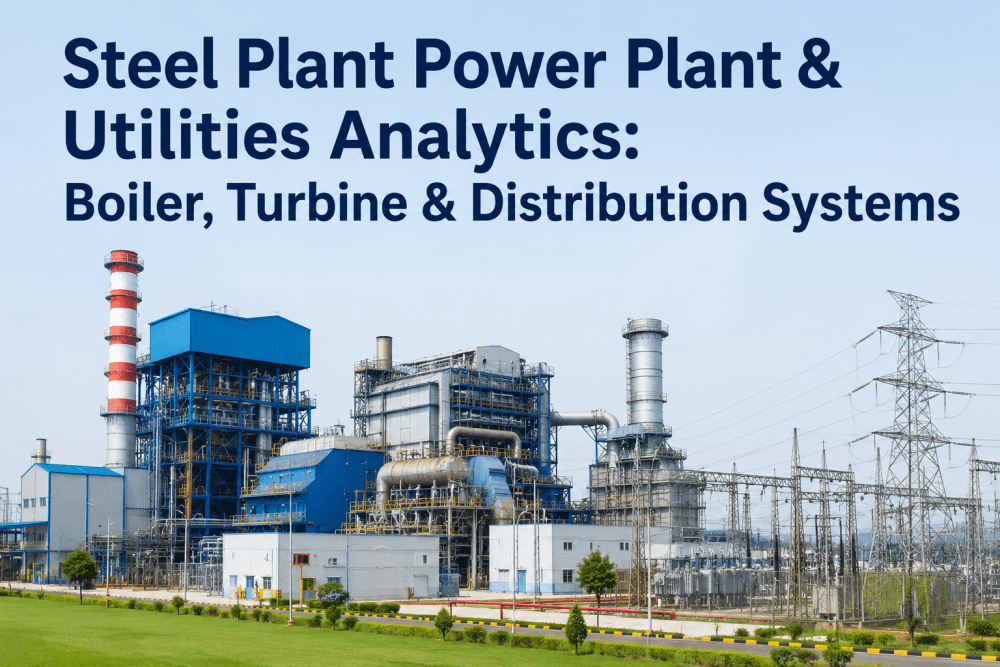
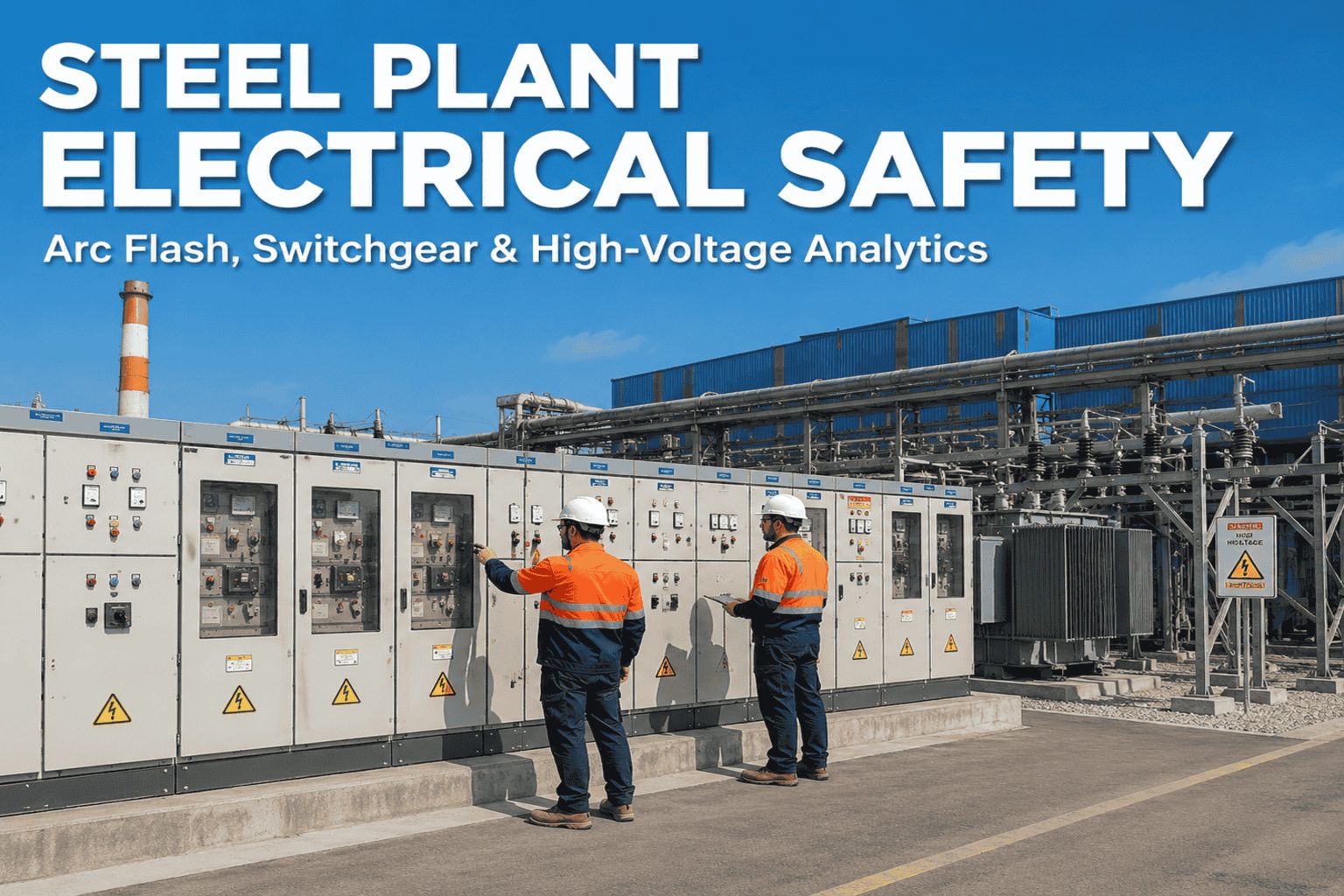
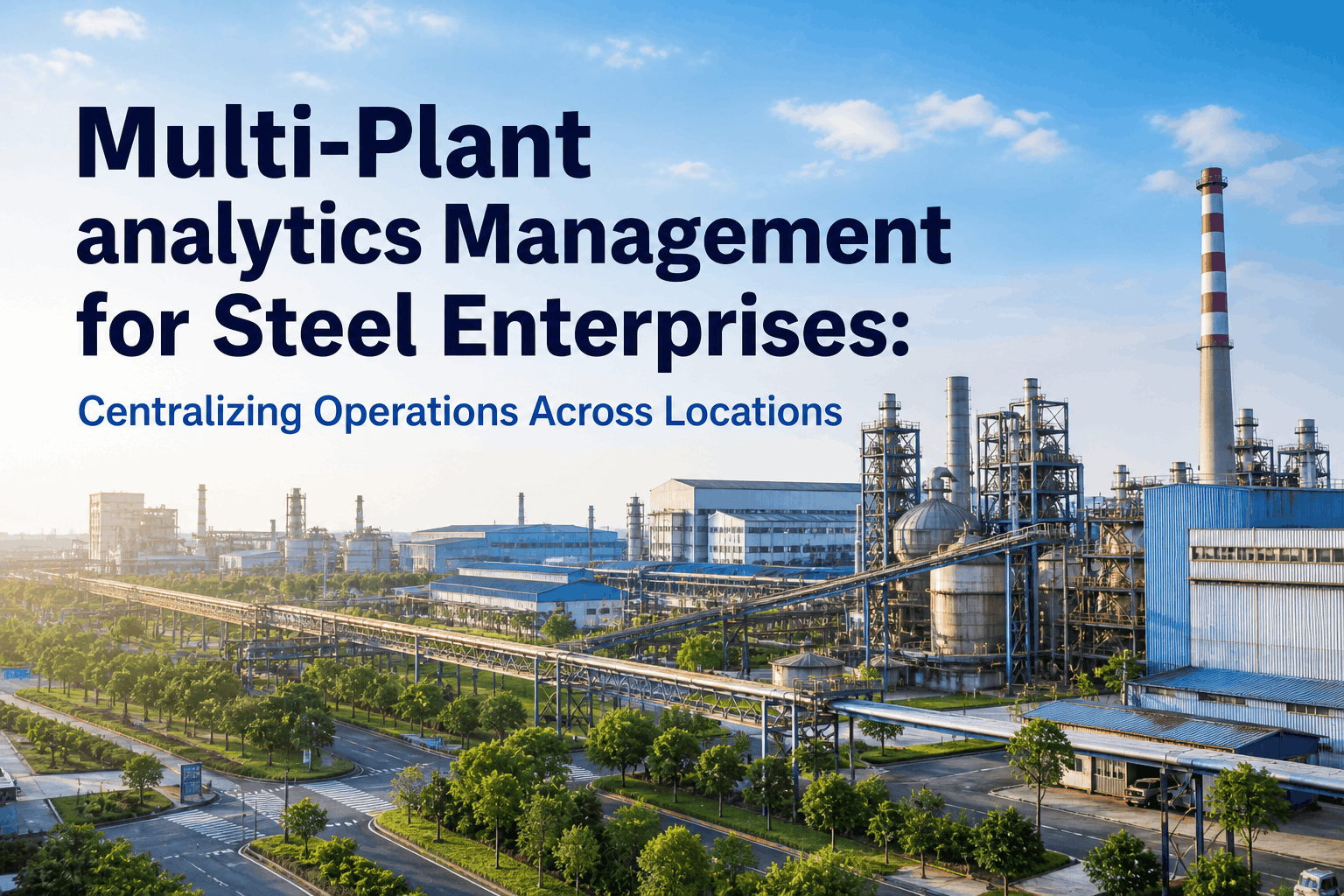
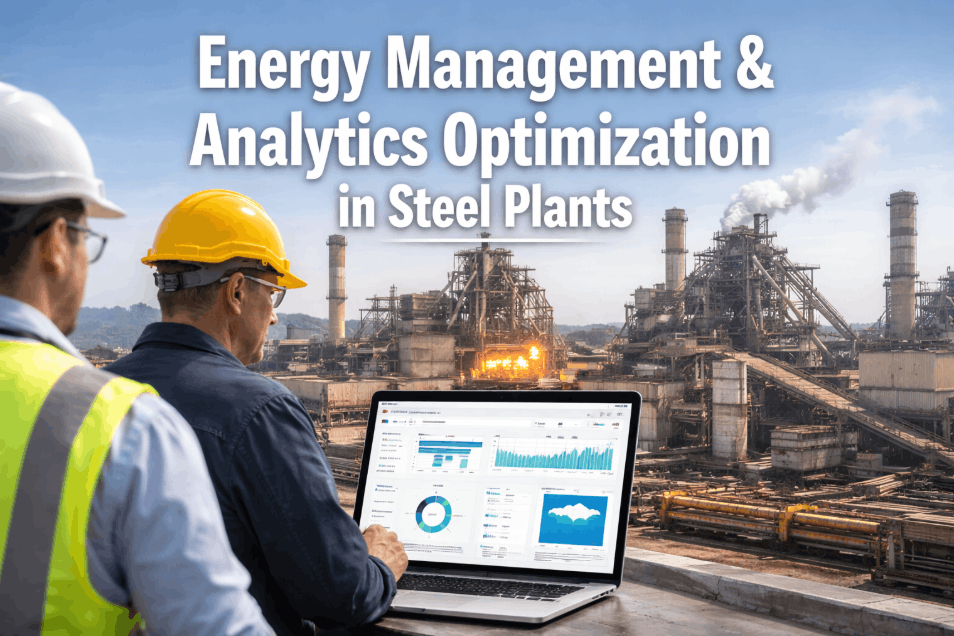
The electrical distribution network of a steel plant is its most critical central nervous system — yet it is often the most under-monitored. With the industrial electrical analytics market projected to reach $384 billion by 2034, steel plants are moving away from periodic manual testing toward live, AI-driven electrical digital twins. These systems run continuous simulations of transformers, switchgear, MCCs, and power cables to detect thermal stress, partial discharge, and harmonic imbalances that cause $125,000+ per hour in unplanned downtime. iFactory's electrical intelligence layer achieved a 50% reduction in electrical-driven outages for global steel producers in 2024. If your substation maintenance is still based on annual manual surveys, schedule an electrical strategy session with iFactory's technical team to see what continuous electrical monitoring changes about your plant's reliability.
Steel Plant Power Distribution & Electrical Analytics
Ensure 24/7 power reliability across transformers, switchgear, and MCCs. Reduce production disruptions and energy waste through AI-driven electrical asset management.
The Intelligence Shift: Why Steel Plants Are Upgrading Electrical Analytics
Electrical infrastructure in steel plants faces extreme conditions — high temperatures, dust ingress, and massive harmonic loads from EAFs and rolling mill drives. Manual inspections are no longer sufficient to catch the fast-developing faults like partial discharge in 33kV cables or insulation oil degradation in main transformers. An electrical digital twin provides a dynamic, virtual model of your substation and distribution nodes, synchronized with real-world conditions through live IoT sensor feeds. This allows you to test "What-If" scenarios like load shifts or grid surges in simulation before they hit your physical switchgear.
McKinsey's analysis confirms the transition: in previous-generation steel mills, electrical teams were reactive. In AI-native plants, the system increasingly decides and acts on predictive alerts. Risk shifts from on-the-ground trial and error to computational testing — reducing both catastrophic failure risk and public safety hazards. Infrastructure directors looking to understand how an electrical twin fits their specific substation layout can book a platform walkthrough with iFactory's team.
Deploy Electrical Intelligence Across Your Plant
iFactory's AI-powered platform connects substation IoT feeds, transformer health models, and power quality analytics into a unified electrical intelligence layer.
Five Layers of Electrical Intelligence for Heavy Industry
Transformer Health & Dissolved Gas Analysis (DGA)
The system ingests continuous data from online DGA sensors and thermal probes. AI models track the "Duval Triangle" and other chemical ratios in real-time to predict internal winding faults or insulation breakdown weeks before a trip occurs.
Switchgear Thermal & Partial Discharge Monitoring
Using ultrasonic and TEV (Transient Earth Voltage) sensors, the AI detects micro-arcing and partial discharge inside switchgear cabinets. This eliminates the need for risky manual rack-out inspections for routine health checks.
MCC & Motor Control Center Optimization
Continuous monitoring of MCC busbar temperatures and breaker status. AI identifies unbalanced loads across MCC buckets that cause local overheating and premature contactor failure in heavy rolling mill drives.
Power Quality & Harmonic Analysis
Steel plants with large EAFs (Electric Arc Furnaces) generate massive harmonics. AI analytics monitor the effectiveness of harmonic filters and capacitor banks, ensuring a high power factor and preventing "voltage flicker" that disrupts sensitive PLC controls.
Substation Digital Twin Simulation
Run "What-If" scenarios for substation expansion or load shedding. The digital twin simulates how adding a new production line will affect current transformer loading and busbar temperature profiles before you flip a single switch.
Eliminating Oil Leaks & Winding Faults via AI DGA
A tier-1 steel producer integrated iFactory's AI with their online DGA sensors. The system identified an abnormal rise in Ethylene and Acetylene ratios on a 100MVA transformer. The AI flagged a developing "high-temperature thermal fault" 14 days before the scheduled annual test. An early repair saved the $2.5M asset from catastrophic failure.
Detecting Partial Discharge in 11kV Cabinets
Manual thermal imaging only catches faults once they are hot enough to see. iFactory's ultrasonic AI monitors detected "surface tracking" partial discharge in an 11kV switchgear room. This allowed for a planned cleaning during a routine downtime, preventing a flashover that would have shut down the entire hot strip mill.
40% Reduction in Breaker Failures via Load Balancing
By monitoring busbar temperature and breaker status across 250 MCC buckets, iFactory's AI identified chronic load imbalances in the Finishing Line MCC. Re-distributing the load based on AI recommendations extended contactor life by 2 years and reduced local MCC room cooling energy by 12%.
ROI of Electrical Analytics: Turning Maintenance into an Investment
Eliminate "Insurance" Testing Costs
Manual annual testing of 500+ MCC buckets and dozens of transformers is labor-intensive and often identifies no issues. AI allows for "exception-only" testing, focusing technical teams only on assets showing actual stress signals, reducing maintenance labor by 30%.
Prevent Production Ripple Effects
An electrical fault in a water pump MCC can stop an entire blast furnace cooling circuit. By predicting electrical failures, iFactory prevents the massive cascading production losses that result from simple component failures in the power chain.
Our substation was a black box. We did annual oil tests and hoped for the best. After deploying iFactory's electrical digital twin, we caught a localized busbar hotspot in our 33kV switchgear that thermal cameras had missed for years. It saved us from a potential mill-wide blackout. The ROI was obvious within the first month.
Frequently Asked Questions
➣ Can AI monitor power cables and cable terminations?
Yes. By using high-frequency current transformers (HFCT) and acoustic sensors, AI can detect Partial Discharge (PD) in cable terminations and joints. This allows you to identify insulation breakdown in HV/MV cables months before a permanent fault occurs.
➣ How does AI improve transformer dissolved gas analysis (DGA)?
Traditional DGA is a static lab report. AI-driven DGA monitors gas trends every hour. It correlates gas ratios with transformer load and ambient temperature to distinguish between "normal aging" and "active faulting," reducing false alarms by 60%.
➣ Is this compatible with legacy switchgear and MCCs?
Absolutely. iFactory uses non-invasive retrofit sensors — like wireless thermal tags and magnetic PD couplers — to instrument older electrical equipment without requiring a shutdown or asset replacement.
➣ What is the energy saving potential of electrical analytics?
Plants often save 5-10% in utility costs by using AI to optimize power factor and identify "ghost loads" — equipment running at no-load. Additionally, reducing harmonic distortions prevents the "copper loss" energy waste caused by overheating cables.
➣ How does the system handle substation safety?
By providing continuous monitoring, AI eliminates the need for manual thermal imaging inside live panels. If a fault is detected, the system provides a precise diagnosis, allowing maintenance teams to approach the asset with the correct PPE and a clear repair plan.
Protect Your Power Chain with iFactory
iFactory connects your electrical assets to a unified AI intelligence layer — purpose-built for the high-load, high-stakes environment of modern steel manufacturing.