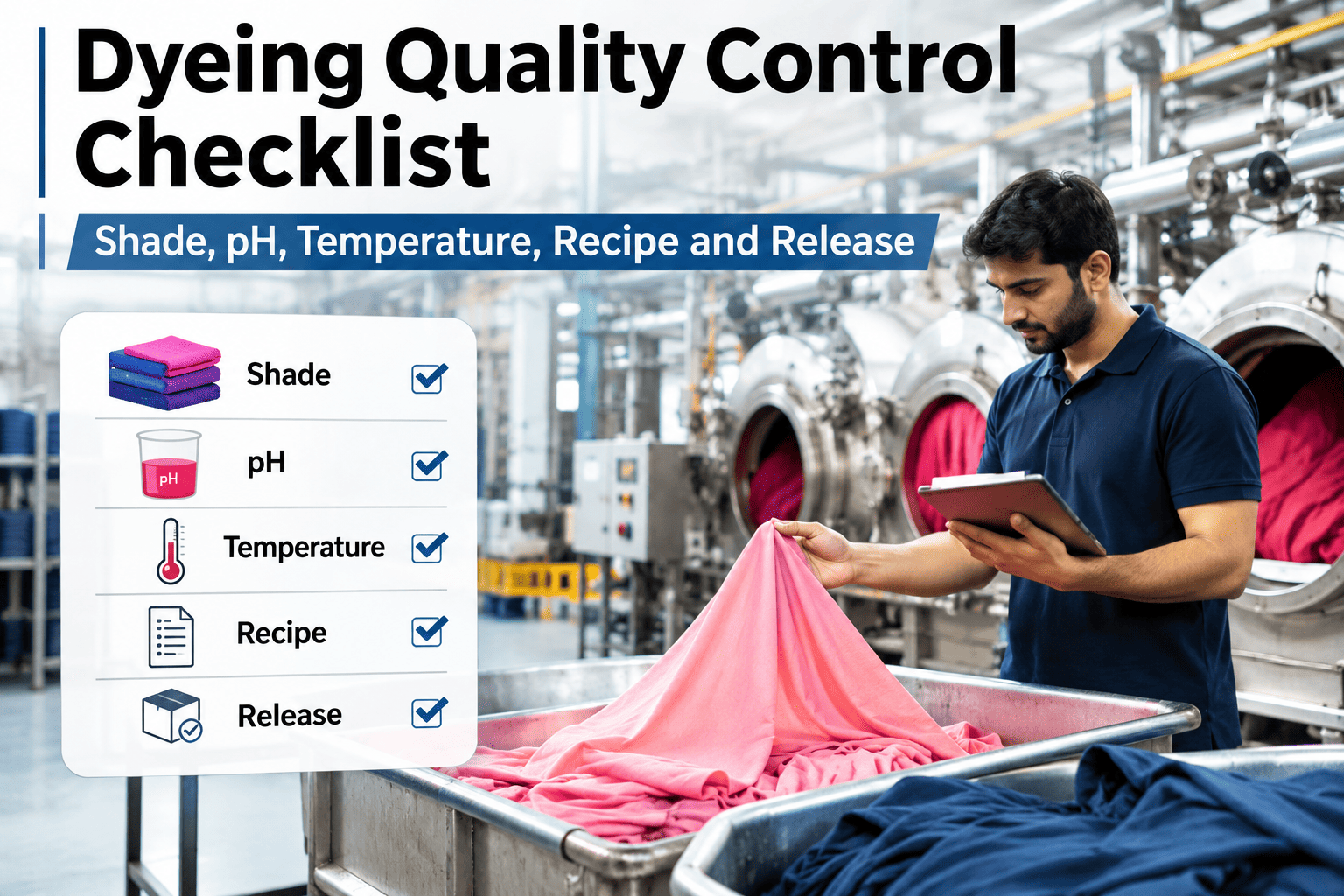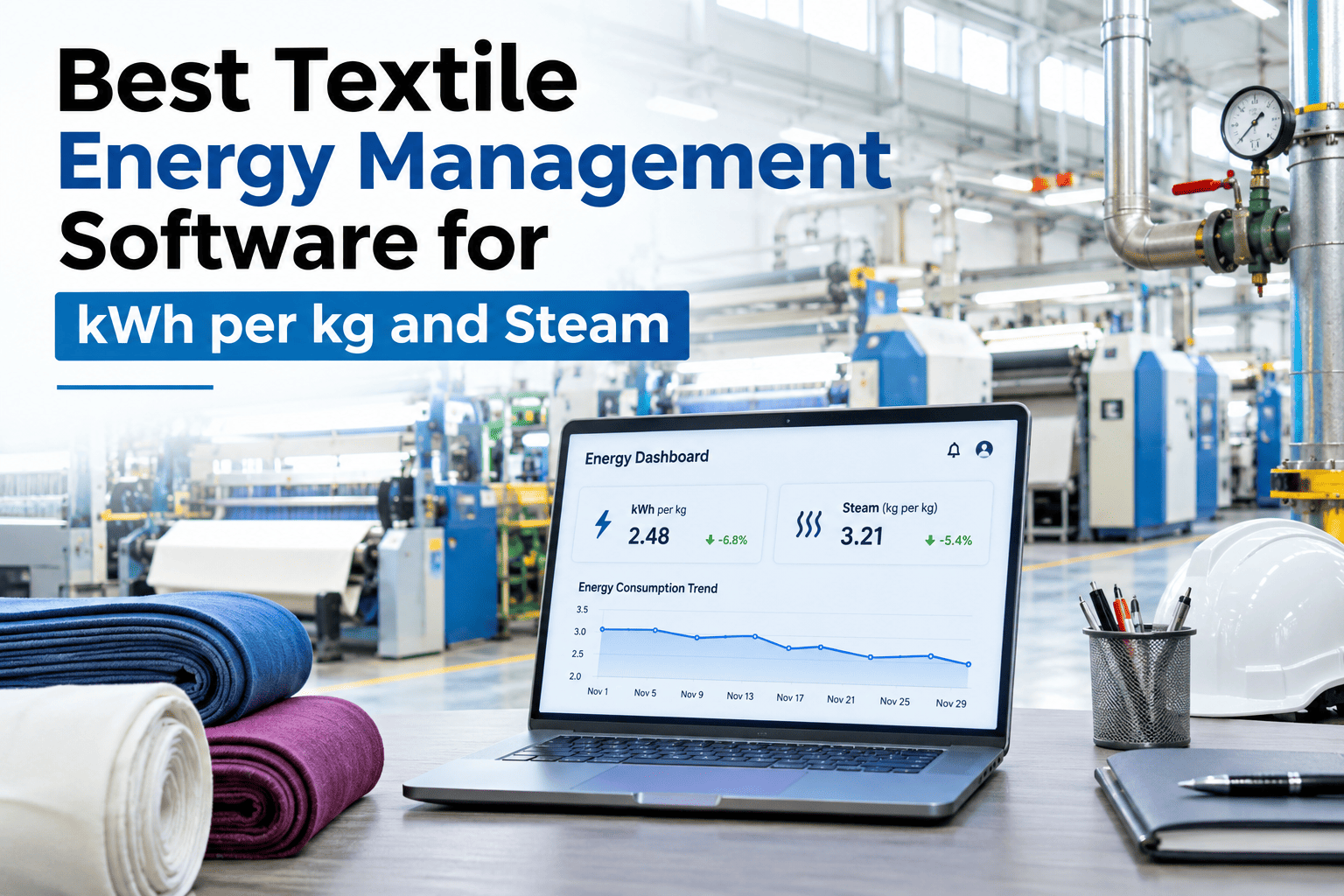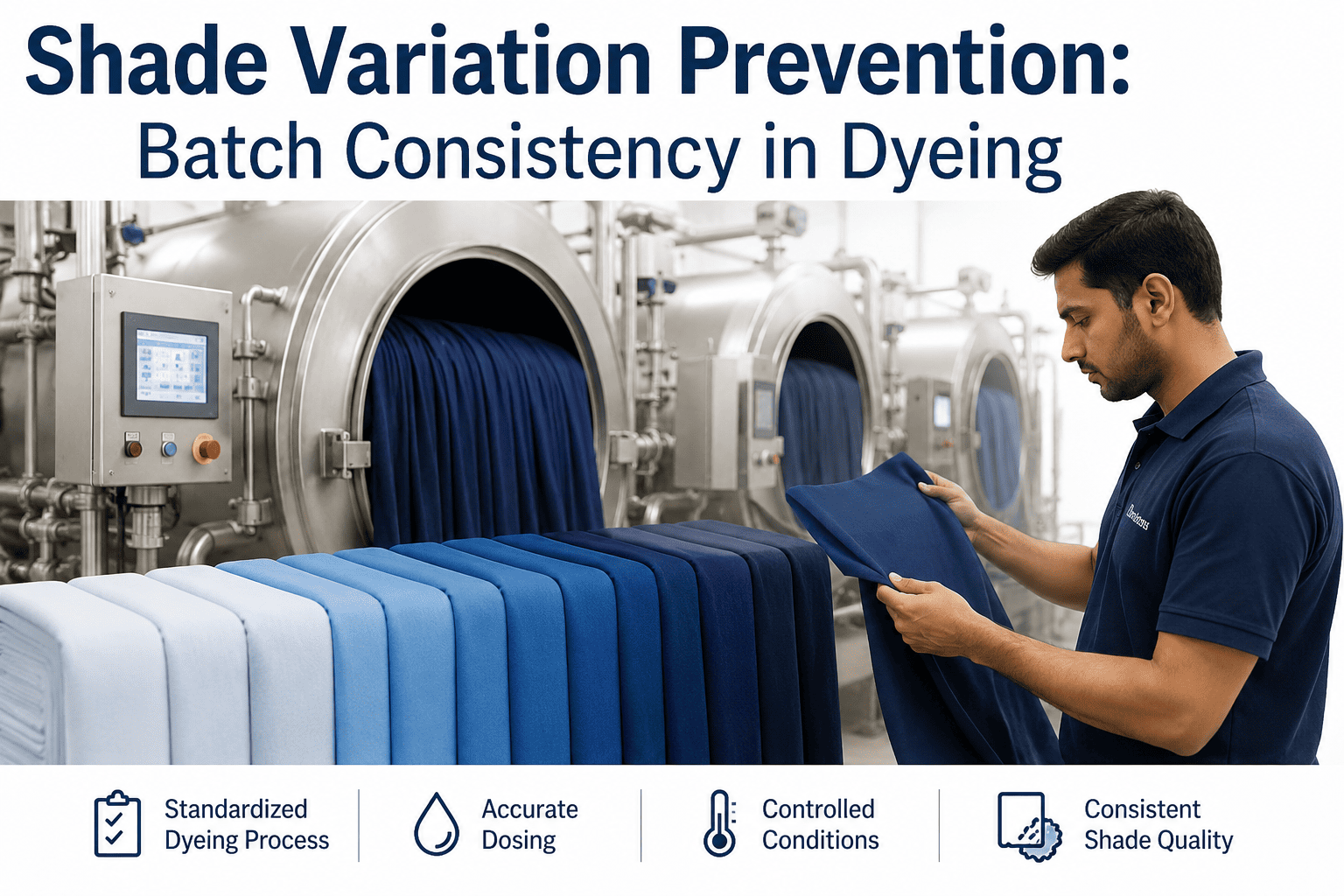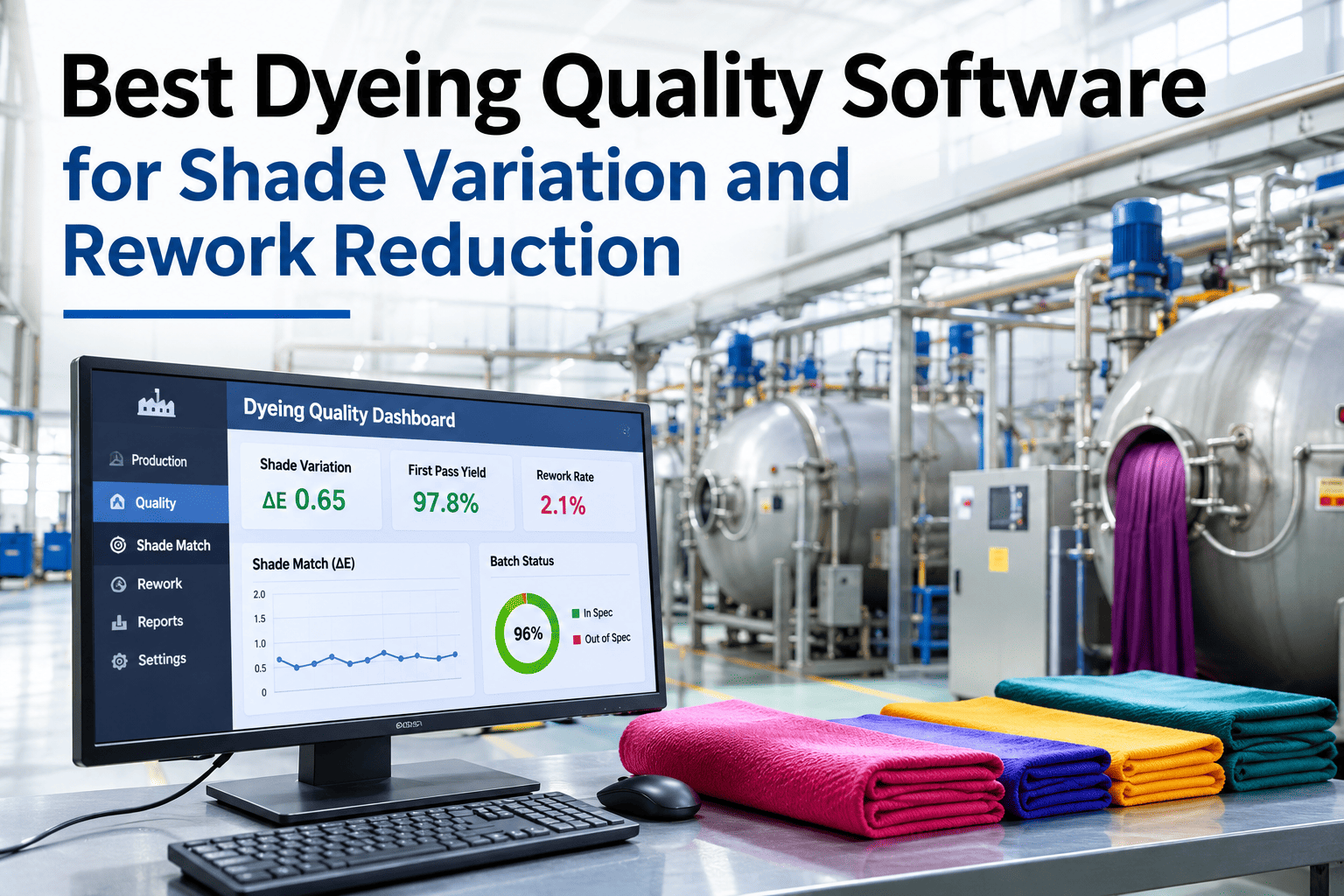
A dyeing batch that comes out slightly off-shade is expensive in a way that's easy to underestimate — re-dyeing costs chemicals, water, energy and machine time all over again, and if the variance reaches a customer, the cost compounds into a claim. Dyeing quality software earns its value by connecting recipe, pH, temperature and chemical use to shade outcomes, so variation gets caught and corrected before a full batch is wasted. Dye house managers comparing software for this can review a shade variation tracking setup against their own process data with iFactory AI.
An Off-Shade Batch Costs More the Longer It Takes to Catch
iFactory AI connects recipe, pH, temperature and chemical data to shade outcomes, batch traceability and RFT tracking, catching variation before a full batch is lost.
What Drives Shade Variation Worth Tracking
Shade outcomes depend on several process variables acting together, and tracking them in isolation — checking temperature on one chart, pH on another — misses the combinations that actually produce variance.
What Changes With Connected Shade and Process Tracking
See What Your Own Re-Dyeing Rate Is Actually Costing
Share recent re-dyeing and recipe data and a short session will show where process drift is driving the rate up.
A Composite Scenario: The Recipe Drift That Was Finally Visible
A dye house's re-dyeing rate for a specific color family had stayed stubbornly elevated for months, with each individual batch investigated as its own isolated case whenever it failed shade approval. Connecting recipe dosing records to shade outcomes across many batches showed a consistent pattern — a specific chemical's actual dosing had been drifting slightly below the specified recipe across multiple operators, a trend invisible when each batch was reviewed on its own. Correcting the dosing procedure brought the re-dyeing rate for that color family down meaningfully within weeks — a pattern iFactory AI's team can help uncover in your own batch records.
Why Batch Traceability Matters Beyond Quality Investigation
Connected recipe and process data doesn't just help catch a shade problem — it also means a customer question about a specific batch's processing conditions can be answered directly from the record, rather than requiring someone to reconstruct what happened from memory or scattered paper logs.
Frequently Asked Questions
Catch Shade Drift Before It Costs a Full Re-Dye
iFactory AI connects recipe, pH, temperature and chemical data to shade outcomes and batch traceability. Book a walkthrough with your own dye house data.