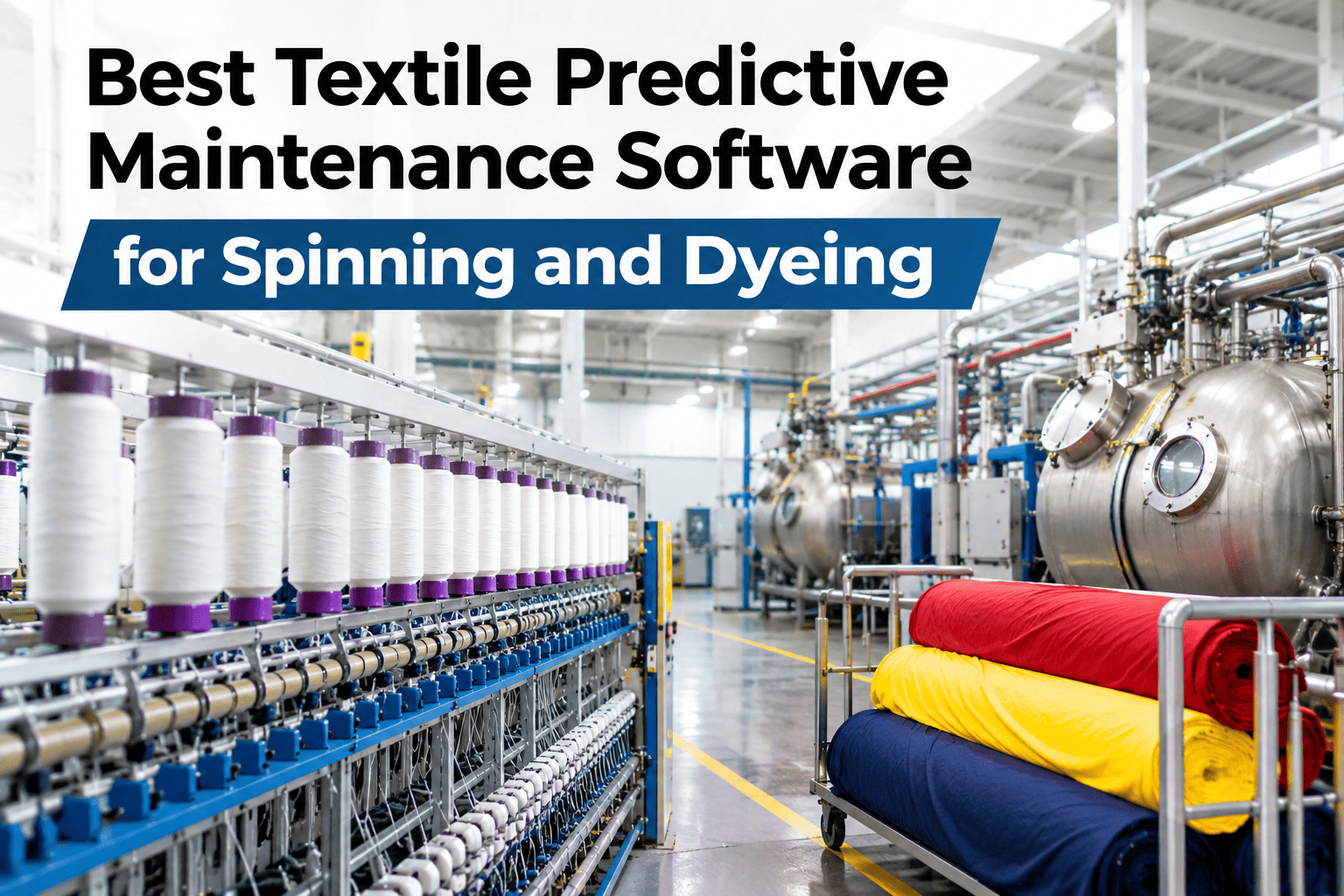
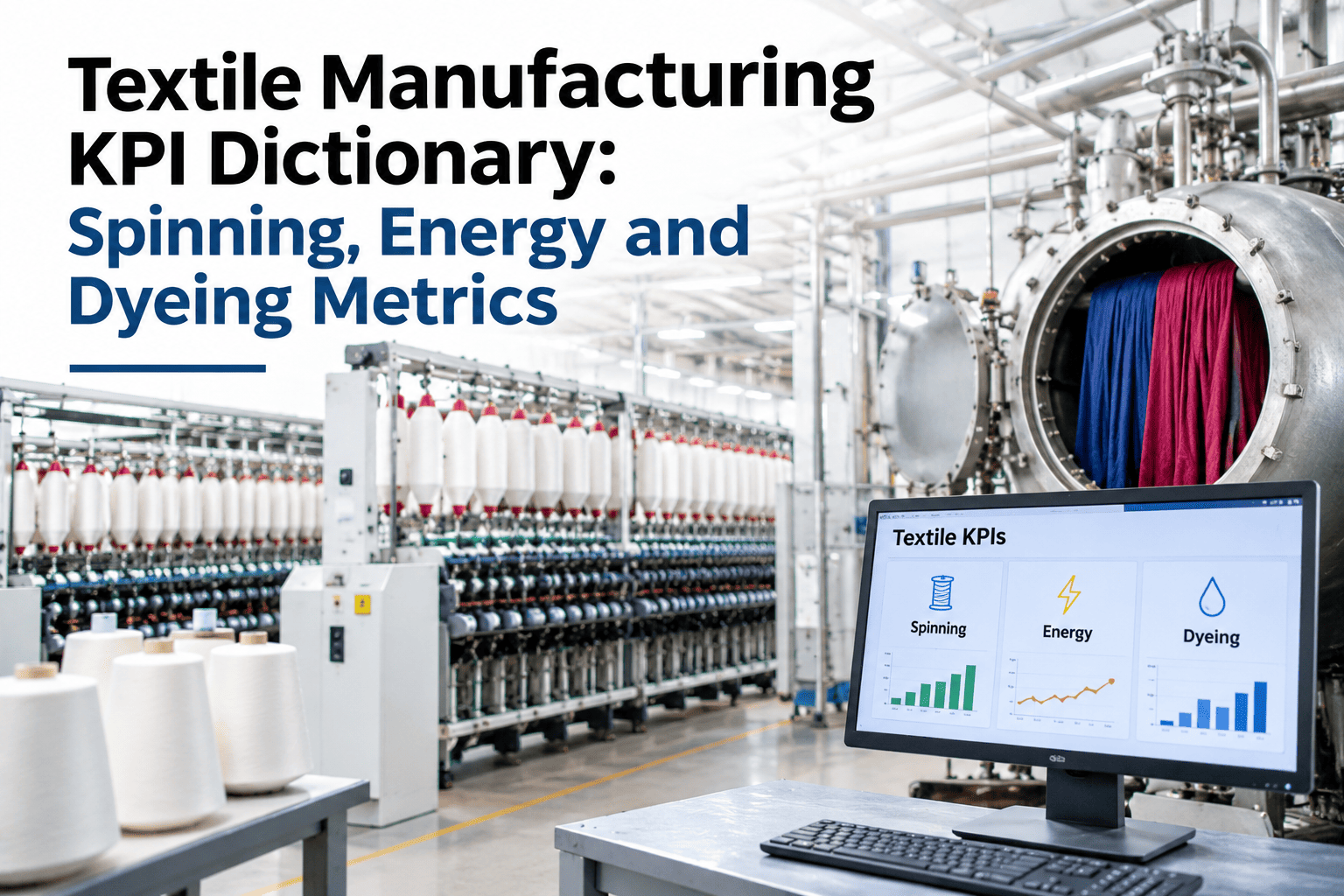
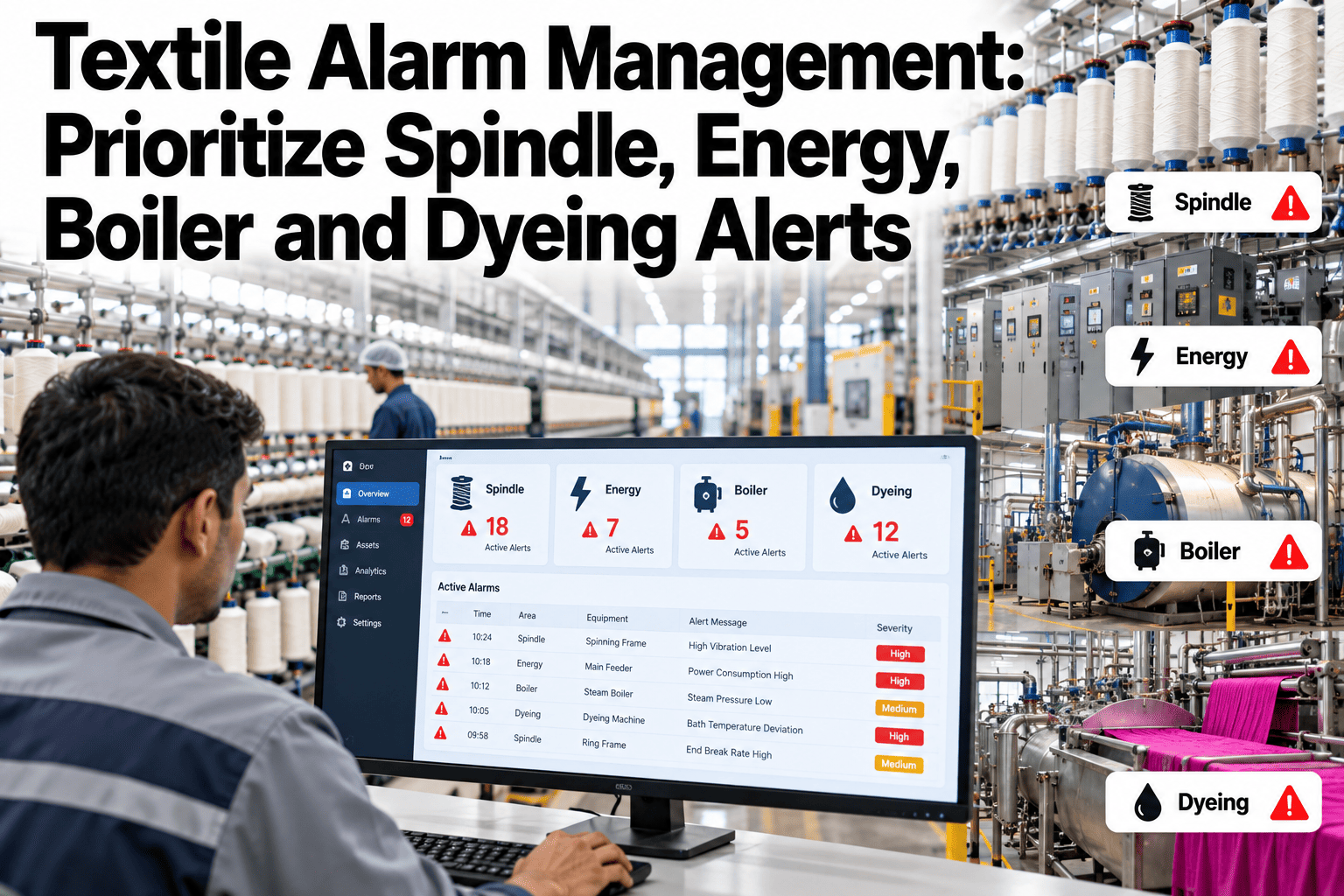
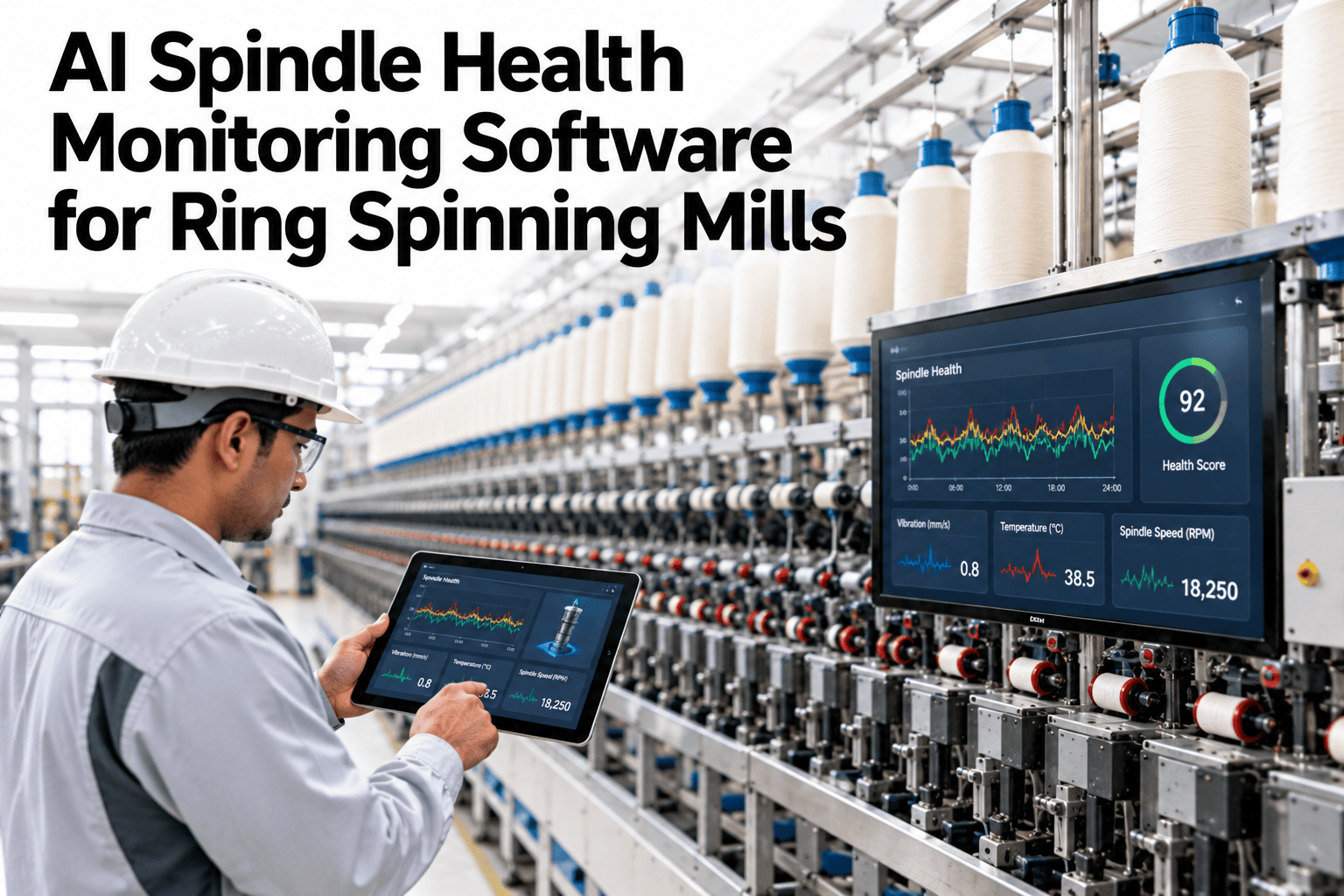
A generic CMMS built for discrete manufacturing treats a spindle, a stenter and a boiler as interchangeable assets with the same work-order fields and the same alert logic, when in reality each piece of textile equipment fails in its own way and needs its own monitoring approach. Spinning, dyeing and finishing equipment each have distinct failure patterns, and software that actually fits a textile mill needs to cover spindles, drafting systems, dyeing machines, stenters and boilers with monitoring tuned to each, not a one-size-fits-all asset template. Choosing the right platform means comparing coverage across these specific equipment types rather than a generic feature checklist, and our team can walk you through how this comparison applies to your own mill.
Textile mills, predictive maintenance software
Compare Predictive Maintenance Coverage Across Spinning, Dyeing and Finishing Equipment
iFactory AI covers spindles, drafting systems, dyeing machines, stenters and boilers with monitoring tuned to each equipment type's actual failure patterns.
Why generic CMMS falls short
A Spindle and a Boiler Do Not Fail the Same Way
Generic maintenance software treats every asset with the same work-order and alert template, which works fine for simple equipment but misses the specific signals that actually predict failure on specialized textile machinery.
Generic asset template
Same fields and alerts applied to every machine type
Different failure patterns
A spindle fails differently than a stenter or a boiler
Generic alerts miss specifics
A shared threshold does not match any one machine's real signature
Faults caught late or not at all
The software looks comprehensive but misses what actually matters
Five equipment types
What Coverage Actually Needs to Include
Spindles
Vibration and speed monitoring tuned to bearing and traveler wear patterns.
Drafting systems
Roller condition and alignment tracking specific to drafting mechanics.
Dyeing machines
Temperature, pressure and cycle monitoring tied to dye process consistency.
Stenters and boilers
Thermal and combustion efficiency tracking specific to heat-process equipment.
Map Your Own Equipment Against This Coverage
Share your current spinning, dyeing and finishing equipment list and see where monitoring gaps may exist.
Capability comparison
What to Check When Comparing Platforms
| Capability | Generic CMMS | Textile-tuned platform |
|---|
| Spindle monitoring | Generic vibration threshold | Bearing and traveler-specific signature analysis |
| Dyeing process tracking | Basic temperature logging | Full cycle and recipe-linked monitoring |
| Stenter and boiler health | Standard asset work orders | Combustion and thermal efficiency analytics |
| Work order generation | Manual or calendar-based | Triggered by actual condition data per equipment type |
| Reliability analytics | Generic downtime reporting | Failure patterns tied to specific textile equipment behavior |
Evaluation pipeline
Four Steps to Choosing the Right Platform
1
Inventory your equipment
List every spindle, drafting, dyeing, stenter and boiler asset in your mill.
2
Check equipment-specific coverage
Confirm the platform monitors each type with tuned, not generic, logic.
3
Review alert and work order logic
Confirm alerts trigger from actual condition data, not a fixed schedule.
4
Pilot on your highest-value equipment
Validate the platform on the equipment where downtime costs the most.
Common pitfalls
Three Mistakes Mills Make When Choosing Maintenance Software
1
Choosing based on a generic feature checklist
A long feature list says nothing about whether the monitoring actually fits textile equipment.
2
Piloting on low-value equipment
A pilot on equipment nobody worries about does not test the platform where it matters.
3
Assuming one dashboard fits every equipment type
Spinning, dyeing and finishing teams often need different views of the same underlying data.
Expert review
The right test for any textile maintenance platform is whether it can explain a spindle failure differently than a boiler failure. If every alert looks the same regardless of equipment type, the platform has not actually been tuned to your mill.
Watch for
A vendor demo that only shows generic dashboards without equipment-specific failure signatures.
Do next
Ask to see how the platform monitors your specific highest-downtime-cost equipment before committing.
— iFactory textile specialists
Frequently asked questions
What Mills Ask When Comparing Predictive Maintenance Software
Can one platform really cover spinning, dyeing and finishing equipment together?
Yes, a platform built for textile mills can monitor all these equipment types under one system, though each still needs its own tuned monitoring logic rather than a shared generic template across all of them.
Ask about your full equipment mix.
How is this different from the CMMS we already use?
A standard CMMS tracks work orders and schedules well, but the difference is whether alerts and work orders are triggered by actual equipment-specific condition data rather than a calendar or a generic threshold.
Discuss your current CMMS setup.
Does switching platforms require replacing our existing sensors?
In many cases existing sensors can be integrated into a new platform, though a review of your current sensor data and coverage will confirm what can be reused versus what might need to be added.
Ask about your current sensors.
Which equipment should we pilot a new platform on first?
Starting with the equipment where downtime costs the most, often dyeing machines or boilers given their process impact, gives the clearest and fastest proof of value before expanding further.
Talk through your pilot priorities.
How long does a typical evaluation and pilot take?
Inventorying equipment and reviewing coverage can usually happen quickly, while a meaningful pilot on your highest-value equipment benefits from running long enough to see real condition trends develop.
Discuss your evaluation timeline.
From generic asset tracking to textile-tuned monitoring
Choose Predictive Maintenance Software Built for How Your Equipment Actually Fails
Book a session with iFactory AI to review your spinning, dyeing and finishing equipment and compare coverage against your current setup.