Two textile manufacturers can produce functionally similar fabric at similar cost, and still end up in very different competitive positions with the same retail buyers — because one can prove, with real-time data, exactly how consistent their quality is batch after batch, while the other can only offer a verbal assurance backed by a periodic inspection report. In 2026, that data gap is increasingly what separates a preferred supplier from an interchangeable one. Smart quality management isn't just an operational efficiency play anymore — it's becoming a market positioning tool, which is the lens iFactory brings to quality technology conversations with textile manufacturers.
COMPETITIVE POSITIONING — 2026
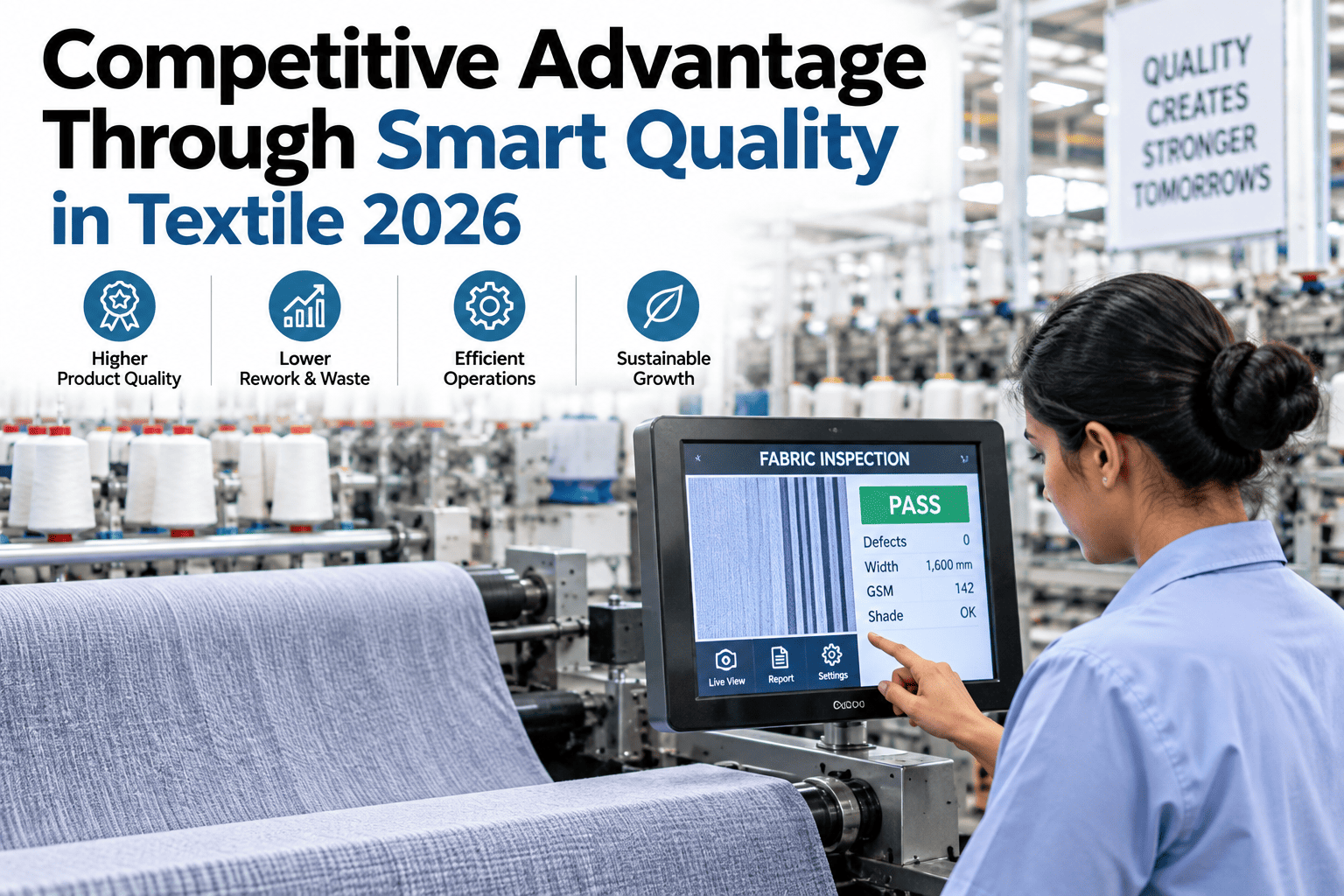
Competitive Advantage Through Smart Quality in Textile
AI inspection, real-time monitoring, and data-driven improvement are becoming the differentiators that separate a preferred supplier from an interchangeable one.
Preferred Supplier
Reliable Supplier
Interchangeable Supplier
Why Quality Data Is Becoming a Sales Conversation, Not Just an Operations One
Retail and brand buyers evaluating textile suppliers increasingly ask for more than a certification certificate and a defect rate on a spreadsheet — they want to see live quality data, understand how consistently it holds across production runs, and know how quickly a supplier can trace and resolve an issue if one arises. Manufacturers who can answer those questions with real, current data rather than a quarterly summary are having a fundamentally different conversation with buyers than those who can't.
Three Ways Smart Quality Becomes a Competitive Differentiator
The advantage doesn't come from having quality technology for its own sake — it comes from what that technology lets a manufacturer demonstrate and deliver that a competitor without it genuinely cannot.
DIFFERENTIATOR 1
Provable Consistency, Not Just Claims
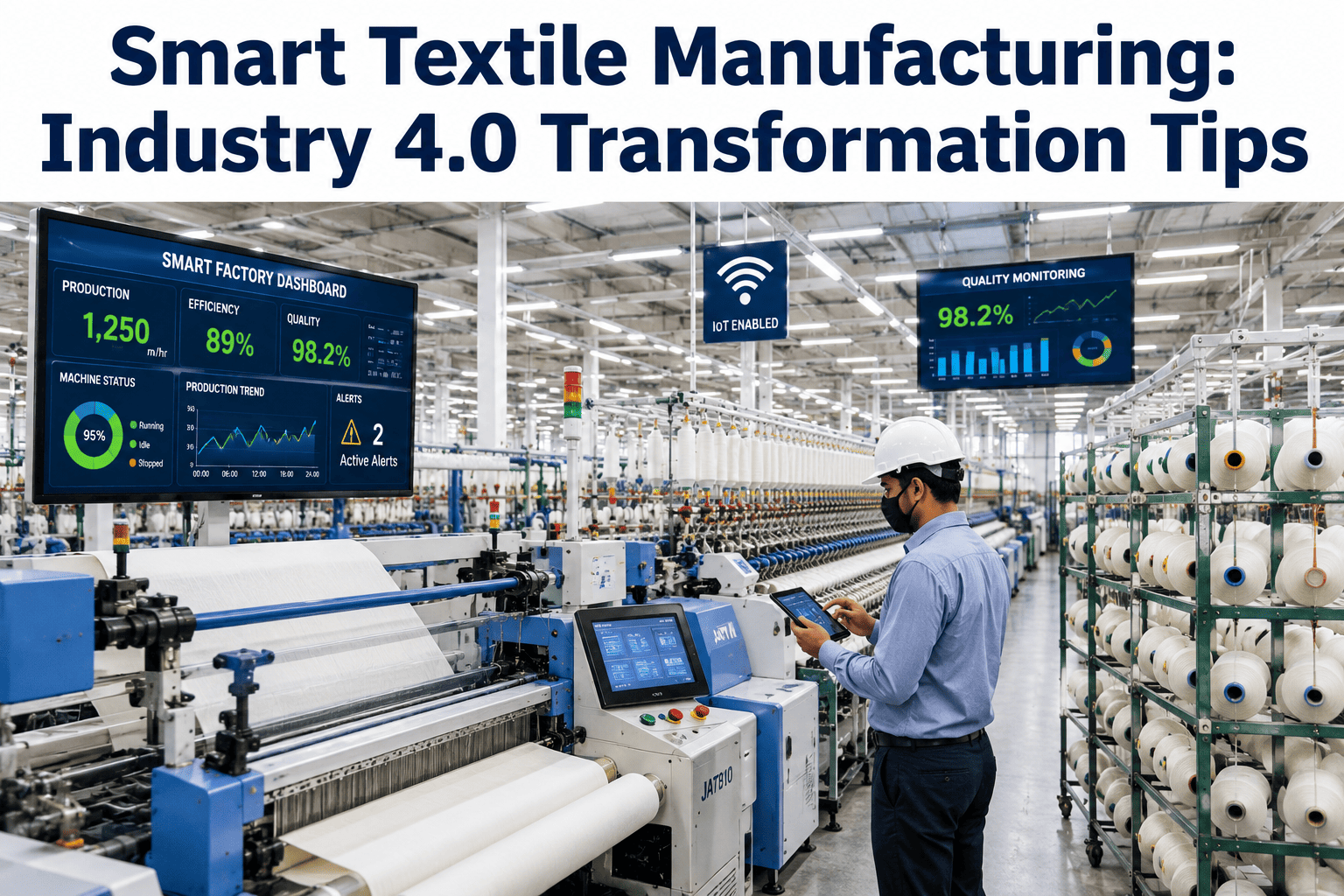
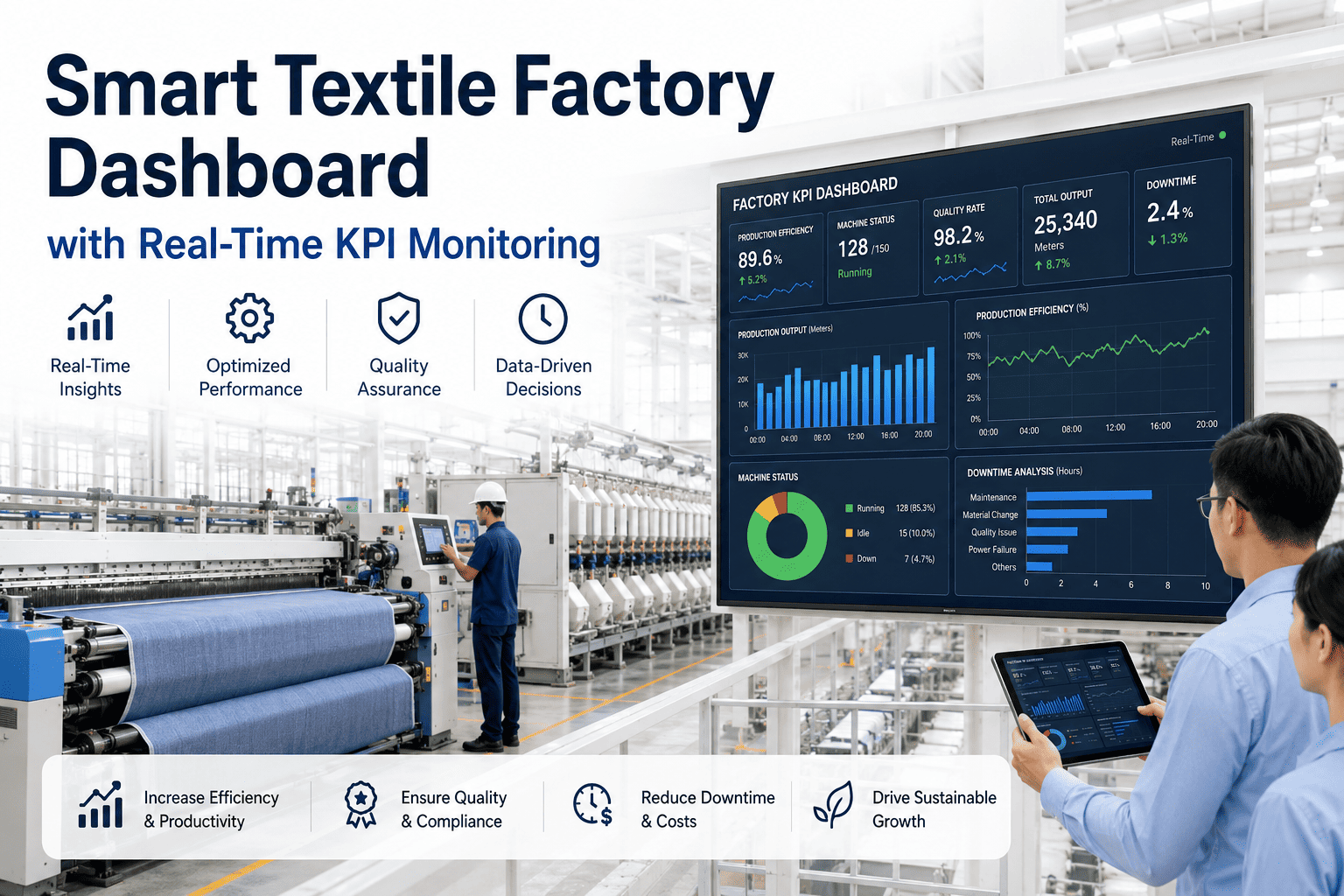
Real-time quality data lets a manufacturer show a buyer exact defect rates and trends across every production run, not just a periodic summary report.
DIFFERENTIATOR 2
Faster Issue Resolution
AI-driven detection and connected traceability mean a quality issue is identified and root-caused in hours rather than weeks, visibly reducing buyer risk.
DIFFERENTIATOR 3
Continuous Improvement Buyers Can See
Data-driven improvement trends demonstrate an active, ongoing quality program rather than a static certification earned once and never revisited.
What Buyers Increasingly Ask For — and What Smart Quality Provides
The table below maps common buyer due-diligence questions against what a manufacturer with genuine smart quality infrastructure can offer in response, compared to a manufacturer relying on traditional periodic reporting alone.
| Buyer Question | Traditional Response | Smart Quality Response |
|---|
| What's your current defect rate? | Last quarter's audit summary | Live dashboard updated in real time |
| How do you catch issues before shipment? | Manual spot-check inspection process | AI-driven inline inspection on every unit |
| How fast can you trace a defect to its source? | Days to weeks of manual investigation | Minutes via connected batch traceability |
| How is quality improving over time? | Anecdotal, hard to quantify precisely | Trend data showing measurable improvement |
Build the Quality Data Story That Wins Buyer Confidence
iFactory helps textile manufacturers build real-time quality visibility that turns quality management from a back-office function into a genuine competitive differentiator.
Moving From Interchangeable to Preferred — A Practical Path
Becoming a data-differentiated supplier isn't an overnight transformation, but it follows a fairly consistent progression that manufacturers who've made this shift tend to describe similarly.
1
Establish Reliable Real-Time Quality Data
Build the underlying sensor and reporting infrastructure needed to actually have current, accurate quality data available, not just periodic summaries.
2
Bring Data Into Buyer Conversations Proactively
Share quality dashboards and trend data with key accounts before they ask, rather than waiting for a due-diligence request to surface it.
3
Demonstrate Improvement Trends Over Time
A single strong data point is less convincing than a trend line showing consistent improvement quarter over quarter, which data infrastructure makes visible.
A Commercial Director on Winning a Contract With Data
"
We were one of three suppliers being evaluated for a significant new account, and going into the final round of conversations, our product quality and our pricing were both genuinely comparable to the other two finalists — there wasn't a dramatic difference on paper in either category. What changed the outcome, according to the buyer's own feedback afterward, was that we were the only supplier able to pull up a live quality dashboard during the meeting and walk through actual current defect trends by product line, rather than presenting a static report prepared for the occasion. We could also speak specifically to our traceability capability, showing exactly how quickly we could identify and resolve a hypothetical issue if one arose, because we had actually built and tested that capability rather than describing it theoretically. The buyer told us directly that seeing real operational data, rather than a curated summary, gave them meaningfully more confidence in our ability to actually deliver consistently at the volume they needed, and that confidence is what ultimately won us the account over two otherwise comparable competitors.
— Commercial Director, Textile Manufacturing Company · Won Major Retail Account on Quality Data Differentiation
Frequently Asked Questions
Do smaller textile manufacturers realistically benefit from this kind of quality technology investment?
Yes, and in some ways the competitive advantage can be even more pronounced for smaller manufacturers, since data-driven quality visibility is one of the few differentiators that doesn't require matching a larger competitor's scale or pricing power to be compelling to a buyer. A smaller manufacturer that can demonstrate the same level of quality data sophistication as a much larger competitor often stands out specifically because buyers don't expect that level of transparency from a smaller supplier, making it a particularly effective differentiator relative to the investment required.
How do we start sharing quality data with buyers without exposing sensitive operational details?
Most manufacturers build a buyer-facing view that presents relevant quality metrics and trends without exposing internal operational details like specific line configurations, supplier relationships, or cost data that would genuinely be sensitive to share externally. This typically means building a dedicated reporting layer designed for external sharing, separate from the internal operational dashboards your own team uses, so the level of detail shared is deliberately curated rather than granting full access to your entire internal system.
How long does it take to build quality data infrastructure sophisticated enough to actually be a differentiator?
Building genuinely reliable real-time quality data, as opposed to just having some sensors installed, typically takes several months of infrastructure work, particularly the sensor validation and data reliability groundwork discussed in the broader digital quality infrastructure approach. It's worth treating this as a real investment with a meaningful timeline rather than something that can be stood up in a few weeks specifically to win one upcoming buyer conversation, since a superficial implementation tends to be apparent to a sophisticated buyer during due diligence.
Is this kind of data transparency ever risky if our quality metrics aren't perfect?
Sharing accurate current data, including honest trend lines, is generally more convincing to sophisticated buyers than presenting only polished summary numbers, since buyers with real due-diligence experience are often skeptical of suppliers who present unrealistically perfect metrics. A trend showing genuine, measurable improvement over time, even from an imperfect starting point, tends to build more buyer confidence than a static number that can't be verified or contextualized, because it demonstrates an active quality program rather than a one-time achievement.
Can iFactory help us build a quality data story that differentiates us with buyers?
Yes — iFactory helps textile manufacturers build the underlying real-time quality infrastructure and design buyer-facing reporting views that present verified quality trends and traceability capability in a way that strengthens commercial conversations with retail and brand accounts. To discuss building this capability for your specific buyer relationships,
book a demo with our team.
Turn Quality Data Into Your Sharpest Competitive Edge
Buyers increasingly choose suppliers who can prove consistency with real data, not just claim it. iFactory builds the real-time quality infrastructure that moves a textile manufacturer from interchangeable to preferred.