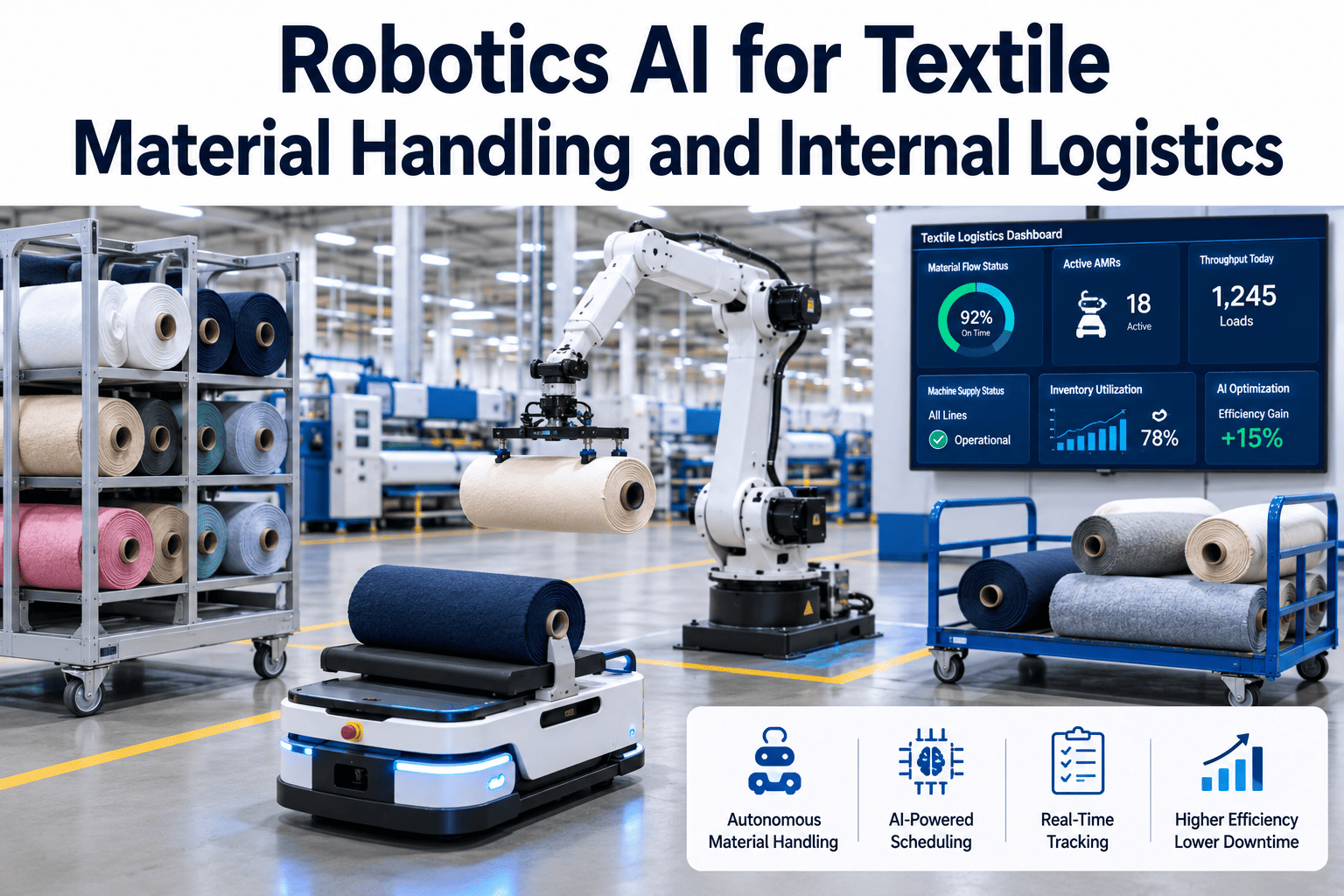
The textile industry is undergoing a profound transformation as manufacturers seek to streamline internal logistics and material handling processes. Traditional manual methods for moving fabric rolls, yarn bales, and finished goods are being replaced by autonomous mobile robots (AMRs) powered by robotics AI. These intelligent systems navigate complex factory floors, optimize transport routes, and reduce human error, leading to significant gains in efficiency and safety. At iFactory, we provide a comprehensive platform that integrates robotics AI with existing warehouse management systems, enabling textile producers to automate material movement from spinning to finishing. By leveraging real-time sensor data and machine learning algorithms, our solution ensures that every roll of fabric and every pallet of yarn is moved precisely when and where it is needed. This article delves into the core technologies, implementation strategies, and measurable benefits of adopting robotics AI for textile internal logistics. Whether you are a plant manager, automation engineer, or supply chain executive, understanding these advancements is critical for staying competitive in the modern textile landscape. Book a Demo to see how iFactory can transform your operations.
30%
Reduction in material handling time
50%
Fewer workplace injuries
99%
On-time material delivery rate
3x
Faster inventory turnover
Transform Your Textile Logistics Today
Automate material movement and boost efficiency with our robotics AI platform. Experience seamless integration and real-time control.
Autonomous Fabric Roll Transport
Our AMRs are equipped with advanced vision systems that detect fabric roll dimensions and weight, allowing them to pick, transport, and drop off rolls at designated stations without human intervention. The robots communicate via Wi-Fi to coordinate traffic and avoid collisions, ensuring a continuous flow of materials across the production floor. This system reduces dependency on forklifts and manual carts, minimizing damage to delicate textiles and improving overall throughput. By integrating with your ERP, the robots can prioritize urgent orders and dynamically adjust routes based on real-time demand.
Yarn Movement Automation
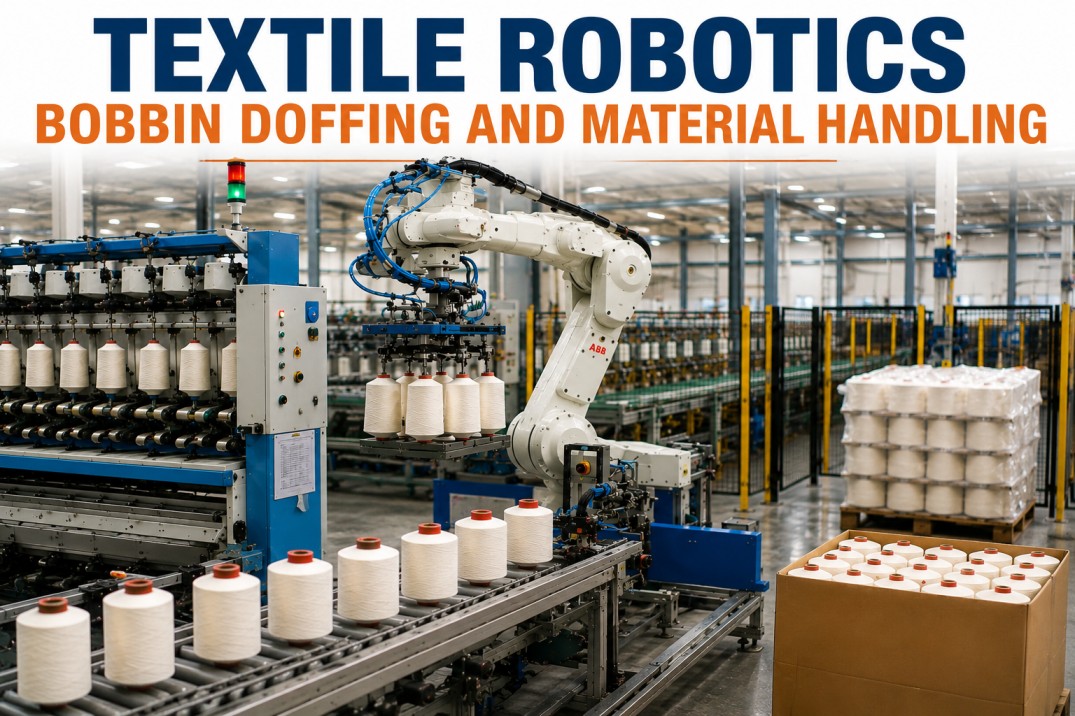
Yarn bales and cones require careful handling to prevent tangling and contamination. Our robotics AI platform uses lightweight grippers and soft-touch mechanisms to transport yarn materials safely from storage to knitting or weaving machines. The system tracks each batch by RFID tags, ensuring traceability from raw material to finished fabric. Operators receive alerts when yarn levels are low, and the robots automatically replenish supplies, reducing downtime and manual labor. This level of automation is especially valuable in high-mix, low-volume production environments where flexibility is key.
Warehouse Transport Optimization
Textile warehouses often store thousands of SKUs across multiple aisles and levels. Our AI-powered routing engine calculates the most efficient paths for AMRs, taking into account traffic, battery levels, and priority tasks. The system can handle both palletized and non-palletized loads, and it integrates with vertical lift modules for multi-level storage. Real-time dashboards display robot locations, task queues, and performance metrics, enabling supervisors to make data-driven decisions. This results in a 40% reduction in travel time and a 25% increase in storage capacity utilization.
Implementation Roadmap
Assessment
Evaluate current material flow, bottlenecks, and safety risks. Identify high-impact areas for automation.
Integration
Connect iFactory platform with existing WMS, ERP, and MES. Configure AMR fleet management software.
Deployment
Install charging stations, define navigation maps, and deploy robots in phases to minimize disruption.
Optimization
Use AI analytics to refine routes, balance workloads, and improve safety protocols. Continuous monitoring and updates.
Ready to Optimize Your Internal Logistics?
Our experts will design a custom robotics AI solution for your textile facility. Start your digital transformation journey now.
Manual vs. Robotics AI Logistics
| Metric | Manual | Robotics AI |
|---|---|---|
| Material handling time per batch | 45 min | 12 min |
| Error rate | 8% | 0.5% |
| Workplace injuries per year | 12 | 2 |
| Labor cost per shift | $1,200 | $400 |
Safety Monitoring
Our robots feature 360-degree LiDAR and cameras that detect humans, obstacles, and hazardous conditions. They automatically slow down or stop to prevent accidents, and the system logs all safety events for compliance audits. This proactive approach reduces downtime and insurance costs.
Real-Time Analytics
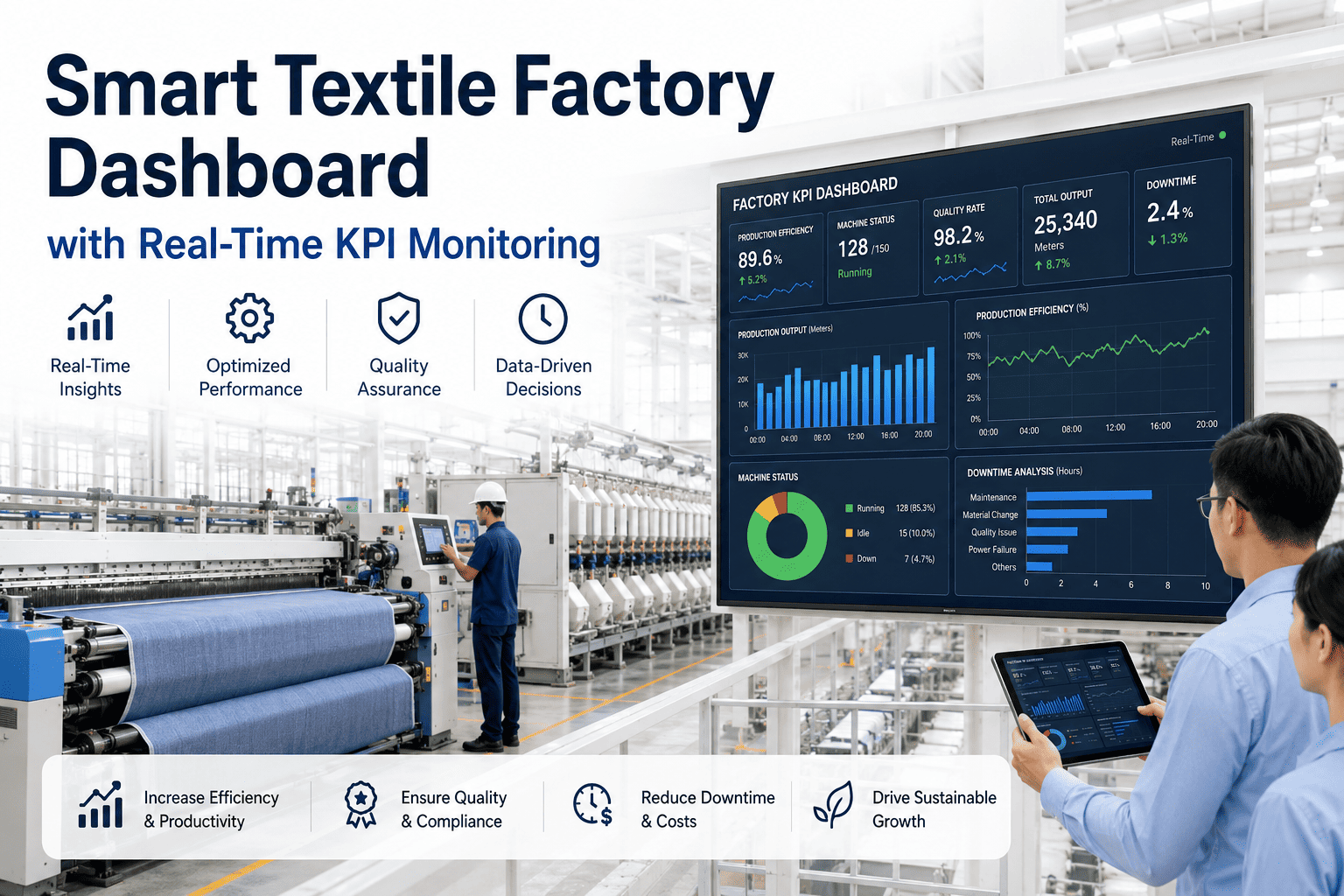
Dashboards show key metrics like robot utilization, battery status, task completion rates, and material flow bottlenecks. Managers can drill down into specific robot or zone performance and receive predictive alerts for maintenance needs.
Scalable Architecture
Start with a few robots and expand as needed. The iFactory platform supports up to 100+ AMRs simultaneously, with seamless integration of new robots from different vendors. This future-proofs your investment.
Frequently Asked Questions
How does robotics AI improve safety in textile logistics?
Robotics AI systems use advanced sensors and machine learning to continuously monitor the environment for potential hazards. In textile facilities, where heavy fabric rolls and moving equipment pose risks, AMRs can detect humans and obstacles from multiple angles, adjusting their paths or stopping instantly. The system also enforces speed limits in high-traffic zones and logs every safety event for analysis. This reduces the likelihood of collisions, crush injuries, and repetitive strain injuries among workers. For more details on safety features, visit our Support page or Book a Demo to see a live demonstration.
Can the platform integrate with existing ERP and WMS systems?
Yes, the iFactory platform offers robust APIs and pre-built connectors for popular ERP and WMS systems such as SAP, Oracle, Microsoft Dynamics, and Infor. Data exchange happens in real time, ensuring that inventory levels, order priorities, and production schedules are always synchronized. The integration is designed to be non-disruptive, with minimal changes to your existing workflows. Our team provides full support during the integration phase, including testing and validation. Learn more about integration options on our Support page or Book a Demo for a personalized consultation.
What types of textile materials can the robots handle?
Our AMRs are designed to handle a wide range of textile materials, including fabric rolls of various diameters and weights, yarn bales, cones, and finished garments. The gripper systems are adjustable and use soft-touch technology to prevent damage. For delicate materials like silk or lace, we offer specialized vacuum and compliant grippers. The robots can also handle palletized loads and totes. Each material type is configured in the system with specific handling parameters. For a complete list of compatible materials, please visit our Support page or Book a Demo to discuss your specific needs.
How long does it take to deploy a robotics AI system?
Deployment time varies based on facility size, number of robots, and integration complexity. Typically, a pilot deployment with 3-5 robots can be operational within 4-6 weeks, including site assessment, infrastructure setup, and staff training. Full-scale rollout for a medium-sized textile plant may take 8-12 weeks. The phased approach allows you to see immediate benefits while minimizing disruption. Our project management team works closely with your staff to ensure a smooth transition. For a detailed timeline estimate, Book a Demo or check our Support page for case studies.
What is the ROI of implementing robotics AI for textile logistics?
ROI is realized through multiple channels: reduced labor costs (up to 60%), decreased material damage (by 80%), lower injury-related expenses, and increased throughput (by 35%). Most clients achieve payback within 12-18 months. Additionally, the data collected by the system enables continuous improvement, further enhancing efficiency over time. We provide ROI calculators and case studies to help you model your specific scenario. For a custom ROI analysis, Book a Demo or visit our Support page for more information.
Elevate Your Textile Operations with Robotics AI
Join industry leaders who have already automated their internal logistics. Contact us today to start your journey toward a smarter, safer factory.