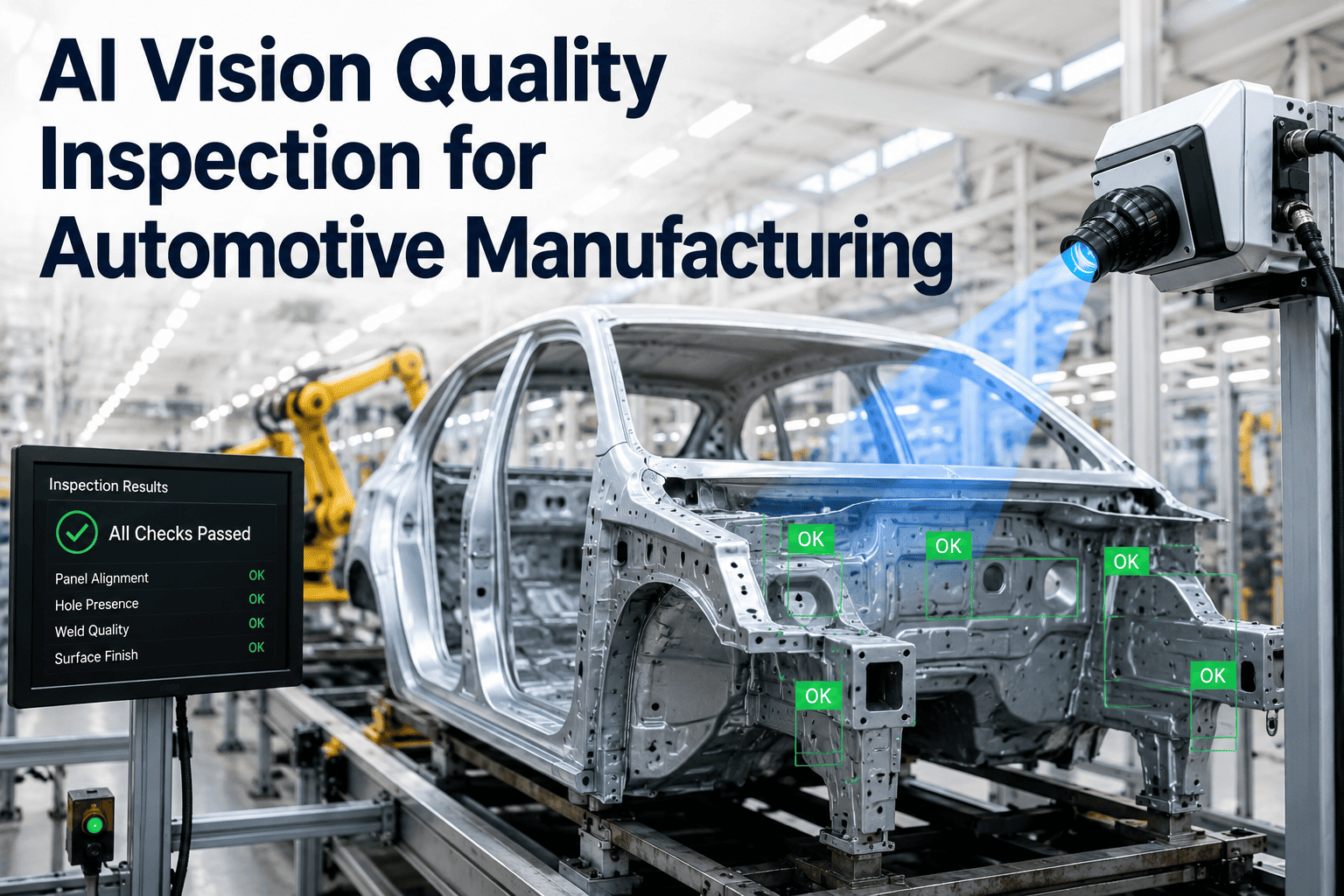
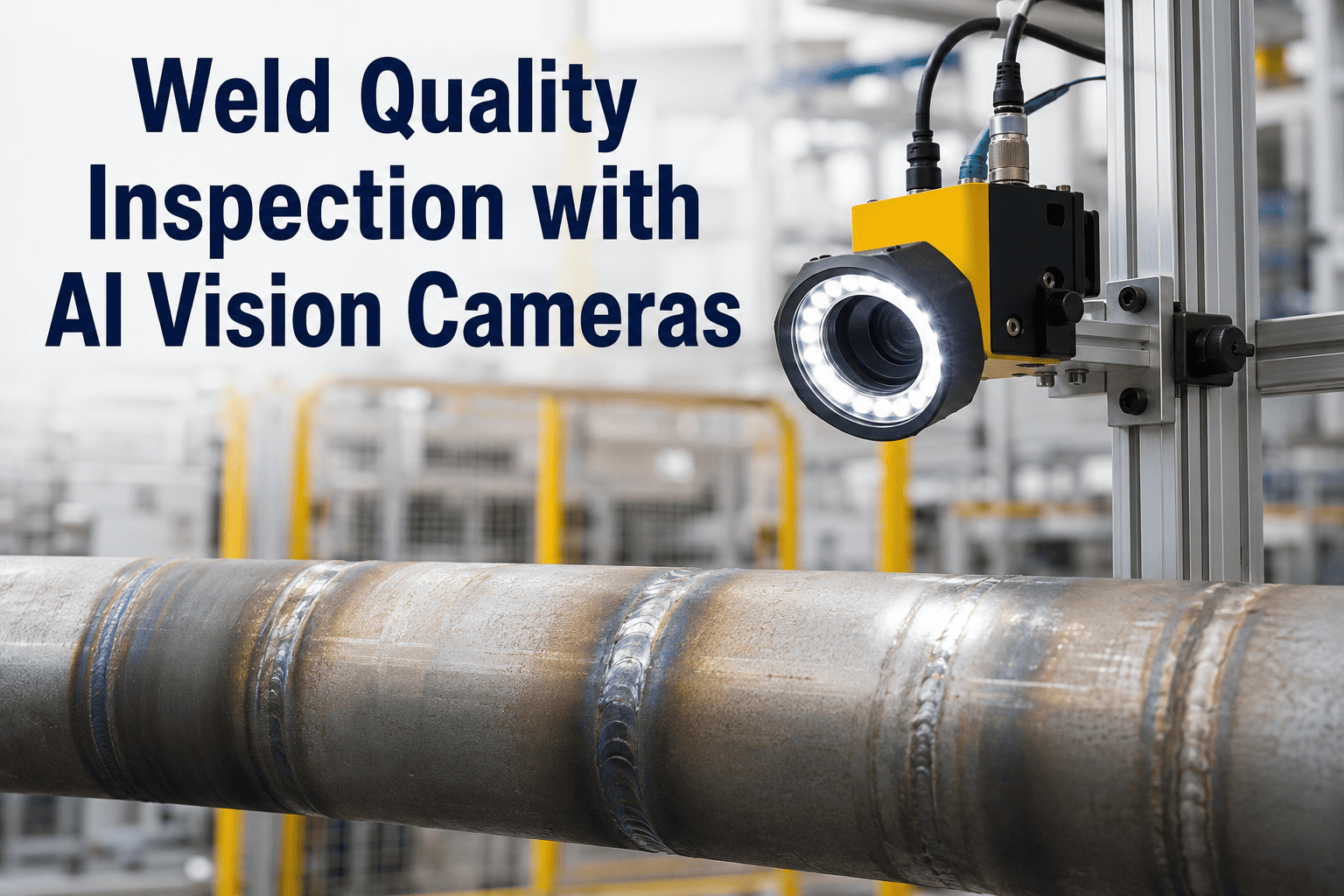
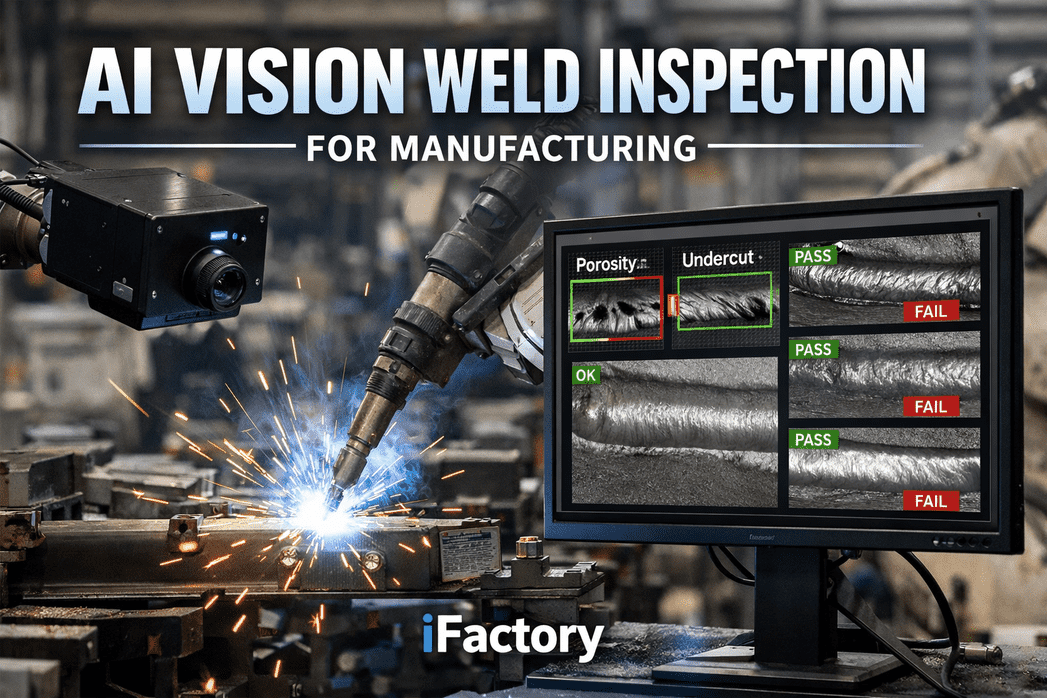
Texas and the broader U.S. South sit at the operational center of the most consequential energy and petrochemical manufacturing infrastructure in the Western Hemisphere — and that infrastructure is expanding at a pace that is outrunning the safety, inspection, and compliance systems currently protecting it. With 114 active or proposed oil and gas projects across Texas alone as of 2024, five new ethylene cracker facilities under development along the Gulf Coast, and a proposed $300 billion refinery at Brownsville representing the first new U.S. oil refinery in nearly 50 years, Southern energy manufacturing is entering a period of structural growth that carries equally structural risk. Refineries, petrochemical complexes, and energy processing facilities operate in environments where a missed corrosion signal, an undetected pipeline leak, or a single PPE compliance failure does not produce a quality rejection — it produces a process safety incident. Manual inspection regimes that run on 30-day walk-down cycles, human safety observers with fixed monitoring ranges, and quarterly compliance documentation practices are not designed for the inspection density that high-consequence hydrocarbon environments actually require. iFactory's AI Vision Camera platform delivers what these environments demand: continuous 24/7 visual monitoring, real-time defect and leak detection at 99%+ accuracy, automated PPE compliance enforcement, and full audit-ready documentation — integrated directly with CMMS maintenance workflows and OSHA compliance reporting systems. To discuss how iFactory's AI Vision Camera deploys in your Texas or Southern refinery, petrochemical complex, or energy processing facility, contact our support team.
Why Texas and Southern Energy Manufacturing Creates Unique AI Vision Inspection Demands
The Scale, Complexity, and Regulatory Environment That Makes Continuous Visual Monitoring Non-Negotiable
No other region in the United States concentrates the combination of inspection challenge, consequence severity, and regulatory exposure that Texas and Southern energy manufacturing creates. Gulf Coast refineries process upward of 238,000 barrels per day at individual facilities. Petrochemical complexes operate continuous cracking and polymerization units where thermal stress, hydrocarbon exposure, and high-pressure cycling produce corrosion, weld fatigue, and seal degradation at rates that calendar-based inspection intervals simply cannot track adequately. Pipeline infrastructure stretching hundreds of miles through industrial corridors requires defect detection capabilities that physical walk-down inspections cannot provide at the frequency the risk profile demands. Worker safety in these environments is governed by OSHA Process Safety Management standards, EPA Risk Management Program requirements, and TCEQ compliance frameworks that demand verifiable, continuous monitoring documentation — not periodic observation records. The compliance gap between what regulations require and what manual inspection programs can document is exactly where AI vision cameras close the exposure. By deploying AI Vision Camera monitoring across critical process zones, pressure vessel inspection points, pipeline segments, and controlled-access areas, Texas and Southern energy facilities replace periodic observation with continuous, documented, audit-ready visual intelligence that satisfies regulatory requirements while catching the defect and safety conditions that inspection walk-downs miss between cycles. To see how iFactory deploys across refinery and petrochemical facility configurations, Book a Demo with our oil and gas inspection team.
5 Critical Inspection Domains Where AI Vision Cameras Transform Oil & Petrochemical Safety
From Corrosion Detection to PPE Compliance: Where Continuous Visual Monitoring Eliminates the Gaps Manual Programs Leave Open
AI Vision vs. Manual Inspection in Oil and Petrochemical Environments: The Structural Comparison
Why Periodic Walk-Down Inspection Cannot Meet the Monitoring Demands of High-Consequence Hydrocarbon Processing
The Financial and Compliance Case for AI Vision Deployment in Texas Oil and Petrochemical Operations
Where Inspection Technology Investment Translates Directly Into Avoided Cost, Reduced Liability, and Compliance Defensibility
The ROI case for AI Vision Camera deployment in Texas and Southern energy manufacturing is built from four distinct value streams that operate simultaneously. The first is process safety incident cost avoidance: a single hydrocarbon release event at a Gulf Coast refinery or petrochemical facility generates emergency response costs, EPA reporting obligations, TCEQ enforcement exposure, and business interruption losses that dwarf the annual cost of comprehensive AI vision monitoring across the entire facility. The second is maintenance optimization: corrosion and equipment degradation caught at sub-millimeter stage requires targeted treatment; the same condition caught at visible degradation stage during a monthly walk-down requires structural repair — the cost differential across a facility with hundreds of monitored assets compounds materially across an operating year. The third is OSHA and EPA compliance liability reduction: every documented PPE violation, restricted zone breach, and emissions anomaly that AI vision catches and records reduces the regulatory exposure that periodic manual compliance documentation leaves open. The fourth is inspection personnel productivity: reducing manual walk-down inspection burden by 80% redeploys experienced inspection engineers from observation tasks to process engineering and reliability improvement work that creates compounding operational value. Book a Demo to build a facility-specific ROI model for AI Vision Camera deployment at your Texas or Southern energy operation.
Frequently Asked Questions
How does iFactory's AI Vision Camera detect leaks and corrosion in refinery and petrochemical environments?
iFactory's AI Vision Camera uses a combination of standard high-resolution visual inspection and thermal imaging integration to detect leaks and corrosion across refinery and petrochemical process zones. For corrosion, the AI model identifies surface degradation at sub-millimeter resolution — detecting rust formation, pitting, and weld fatigue at a stage that allows targeted treatment rather than structural repair. For leak detection, thermal imaging integration identifies heat signature anomalies at pipeline joints, pump seals, valve packing, and heat exchanger connections that indicate forming leaks before visible liquid or vapor release occurs. Every detected condition generates an automatic alert with timestamped image and thermal capture, and connects directly to iFactory's CMMS to create a maintenance work order without requiring manual intervention. Book a Demo to see corrosion and leak detection demonstrated on refinery process zone configurations.
Does iFactory's AI Vision Camera support OSHA Process Safety Management compliance documentation requirements?
Yes. iFactory's AI Vision Camera generates continuous, timestamped, image-evidenced compliance documentation that satisfies OSHA PSM (29 CFR 1910.119) and EPA Risk Management Program monitoring and recordkeeping requirements. PPE compliance events — violations and confirmations — are logged automatically with visual evidence and zone location data. Restricted zone access violations are captured with timestamps and personnel presence documentation. Near-miss events including worker-equipment proximity violations are recorded in the process safety incident register format required by API RP 754 leading indicator frameworks. The platform produces audit-ready compliance reports that replace manual observation logs with verifiable, continuous monitoring records — the documentation standard that OSHA PSM auditors require and that periodic manual inspection programs structurally cannot provide.
Can iFactory's AI Vision Camera work with our existing CCTV and industrial camera infrastructure at our Texas facility?
Yes. iFactory's AI Vision Camera platform supports integration with existing ONVIF-compatible industrial cameras already installed across your facility, enabling AI vision inspection capability to be activated on current camera infrastructure without capital expenditure on new hardware. For Texas and Gulf Coast refinery environments, the platform also supports explosion-proof camera configurations for Class I Division 1 hazardous area zones where standard industrial cameras cannot be safely deployed. Thermal imaging camera integration is supported for heat signature monitoring alongside standard visual inspection. Where existing camera positioning or resolution is insufficient for required inspection coverage, iFactory advises on targeted hardware additions. Most Texas and Southern energy facilities achieve initial AI vision activation across priority inspection zones within 2 to 4 weeks of integration start.
How does iFactory connect AI vision detection events to maintenance work orders in our CMMS?
iFactory's AI Vision Camera integrates bidirectionally with major CMMS platforms including Maximo, SAP PM, Infor EAM, and others via standard API connectivity. When the AI detection system identifies a corrosion condition, leak indicator, equipment anomaly, or safety compliance event, it automatically creates a structured work order in the connected CMMS — populated with defect classification, asset location, detection timestamp, image evidence, and recommended action type. The maintenance team receives the work order through their existing CMMS workflow without needing to monitor the AI vision platform separately. Critical spare parts staging for detected equipment conditions is also triggered automatically via iFactory's inventory management integration, ensuring that the parts required for the flagged repair are available before the technician is dispatched. This full detection-to-work-order workflow eliminates the manual hand-off delay that typically exists between inspection event identification and maintenance response initiation.
What types of oil, gas, and petrochemical facilities in Texas and the South is iFactory's AI Vision Camera designed for?
iFactory's AI Vision Camera is deployed across the full range of Texas and Southern energy manufacturing facility types: crude oil refineries including process unit inspection, pressure vessel monitoring, and flare stack surveillance; petrochemical complexes including ethylene cracker unit monitoring, polymerization reactor zone inspection, and storage tank corrosion tracking; natural gas processing plants including compressor station monitoring, pipeline junction inspection, and separator vessel surveillance; LNG export terminals including cryogenic equipment inspection and marine loading arm monitoring; and specialty chemicals manufacturing facilities with high-consequence process chemical handling zones. The platform's detection models are configured for the specific asset types, process conditions, and defect categories relevant to each facility type — not deployed as a generic visual inspection tool but as a purpose-configured industrial inspection system tuned to the hazard profile of your specific operation. Book a Demo to see a configuration walkthrough for your specific facility type and inspection priority areas.
How quickly can iFactory's AI Vision Camera be deployed at a Texas refinery or petrochemical complex?
Most Texas and Southern energy manufacturing facilities following iFactory's structured deployment sequence achieve first AI vision detection results within 72 hours of camera connection, with priority inspection zones — corrosion monitoring points, leak detection locations, and PPE compliance zones — fully operational within 2 to 4 weeks of integration start. The full facility deployment covering secondary inspection points, equipment condition monitoring zones, and flare or emissions monitoring areas typically completes within 60 days. CMMS and compliance system integration is operational within the same deployment window. iFactory's implementation team handles all detection model configuration, camera positioning optimization, alert threshold calibration, and system integration — minimizing the internal resource commitment required from your facility's engineering and IT teams during deployment.